
If you are wondering what the cost of car window tint could be, the quick answer is most drivers pay $100 to $500, but a lot factors could affect this. The coasts of car window tints vary according to the film, the size of the car, the number of windows having the tint, and your location. For luxury car or advanced high-performance ceramic films the prices can reach $800 and above.
Price does matter, but so should quality, durability and benefits such as UV protection and heat rejection. To summarize, here is a comprehensive guide on how much does car window tinting cost and what factors do influence the cost.
Average Car Window Tinting Prices by Vehicle Type
Costs of tinting cars vary widely depending on the size of the vehicle (the more windows you have the more you’ll pay). Here is what you should expect on average.
Sedans
Sedans are the cheapest cars to tint.the average cost: $150–$400
- Typical cost: $150–$400
- Why: Smaller windows, less labor
Popular film options:
- Dyed film:low-cost, offers basic UV protection
- Carbon film: More effective heat reduction and more durable
- Ceramic film:High clarity with highest heat rejection
SUVs and Trucks
SUVs and trucks are more expensive because of bigger windows and more glass.
- Basic tint: $200–$500
- Premium ceramic tint: $400–$800+
Vehicles with third-row seating or panoramic panoramic roofs glass roofs are usually on the upper end of car window tint prices.
Coupes and Convertibles
They have less windows but more unusual shapes.
- Coupes: $200–$450
- Convertibles: $150–$350
Framed curved glass or frameless glass to double paned glass can increase the time and cost of tinting.
Luxury and Sports Cars
High-end cars typically need high-level films and installation.
- Average cost: $400–$1,000+
Custom work, or advanced ceramic films, can be more expensive than this due to complexity of application and quality of materials.
You can also learn about Different Types Of Auto Window Tint.
What Affects Car Window Tint Cost?
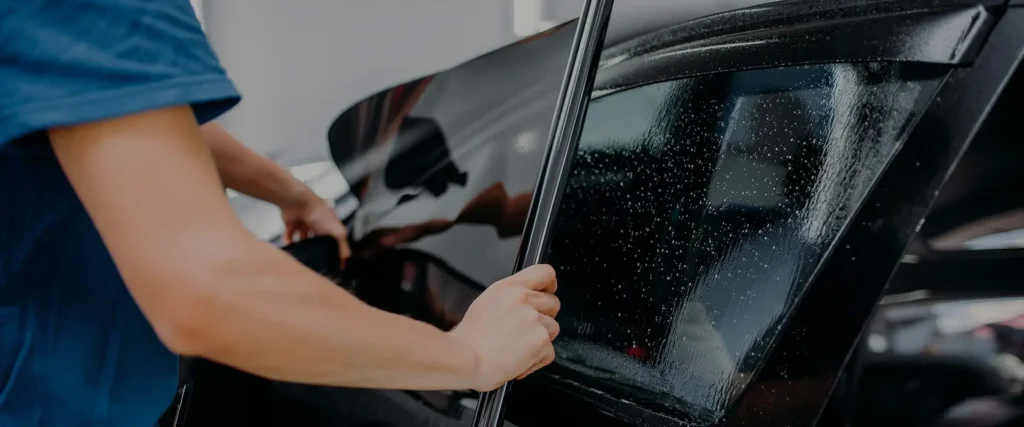
There are a number of things that affect the price of an automotive tinting, whether for a car or a truck.
1. Type of Tint Film
The film you choose is by far the biggest factor in price.
- Dyed tint: $50–$150 (cheapest, tends to fade as time goes by)
- Metalized tint: $100–$250 (good heat control, may cause signal interference)
- Carbon tint: $200–$300(no signal interference, good heat rejection)
- Ceramic tint: $300–$600+(top performance, longest life)
2. Number of Windows
- Front windows only: $50–$150
- Full vehicle tint: $200–$600+
- More windows: More film and more labor, so this increases the total cost of tinting your car windows.
3. Vehicle Size and Design
The size of the vehicle and the shape of the windows (cylindrical or framed windows) will also affect price and time needed: larger windows means more time spent, which will ratchet up the value of car window tinting.
4. Old Tint Removal
An additional cost of $50 to $200 is added for removal of old or faulty tint, based on the complexity.
5. Brand and Warranty
High-end brands, such as LLumar or 3M, are more expensive but more likely to offer lifetime warranties, which can be a better value in the long run.
6. Installer Experience and Location
Expect to pay more from certified testers and in urban areas, since demand and overhead are both higher.
Austin Car Window Tint Prices: What to Expect
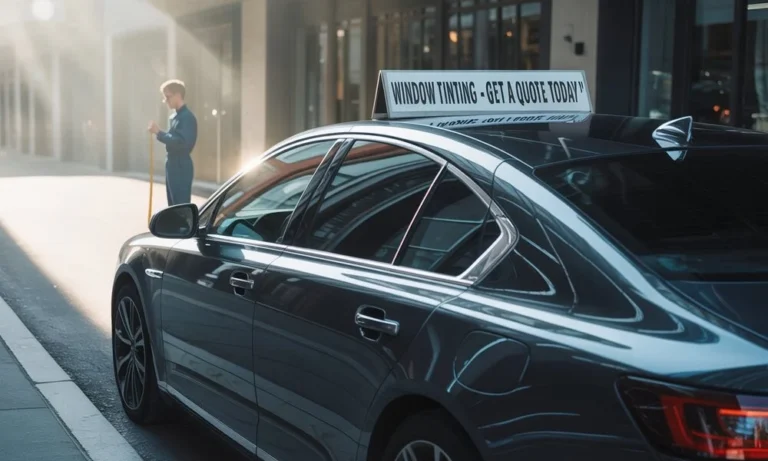
If you’re in Austin, Texas, and considering car window tinting, understanding the local pricing trends and regulations can help you make the best decision. Plus, if you ever need car window replacement services, Austin has plenty of reliable options to keep your vehicle looking sharp and protected.
Local Pricing Trends for Window Tinting
In Austin, the cost of car window tinting varies depending on the type of tint, quality, and service provider. Generally, you can expect:
- Standard tint jobs: Usually range from $150 to $300. This includes entry-level films that offer moderate privacy and block some UV rays.
- High-end tint jobs: Can run from $300 up to $600 or more. These premium films offer superior heat rejection, better durability, and enhanced clarity.
Popular Austin Tint Shops
Austin has a vibrant market of tint shops known for quality and customer service. Some top-rated places often recommended include local favorites who specialize in heat rejection films ideal for Texas’s intense sun. These shops also provide quick turnaround and warranty options.
Cost vs Value in a Hot Texas Climate
Given Austin’s hot climate, investing in high-quality heat rejection window films is worth it. These films help:
- Lower your vehicle’s interior temperature
- Protect against harmful UV rays
- Improve fuel efficiency by reducing AC use
- Keep the interior of your automobile from yellowing and cracking.
Spending a bit more upfront on a premium tint can save you money and headaches over time.
City-Specific Regulations in Austin
Austin follows Texas state laws regarding window tinting. These laws dictate:
- The allowable tint darkness (measured in Visible Light Transmission percentage)
- Which windows can be tinted and to what degree
- Requirements for medical exemptions if you need darker tints
Before tinting your windows, it’s essential to ensure your tint complies with local laws to avoid fines and hassle.
Car Window Replacement Services in Austin, Texas
Besides tinting, car window replacement in Austin is another vital service for Austin drivers. Whether you’ve had a cracked windshield, broken side window, or need a full replacement, Austin offers professional services that handle:
- Windshield replacements
- Side and rear window replacements
- OEM and aftermarket glass options
- Mobile services for convenience
Trusted local auto glass shops provide expert installation, quick turnaround, and insurance claim assistance to get you back on the road safely.
Why Premium Tint Is Worth It in Austin
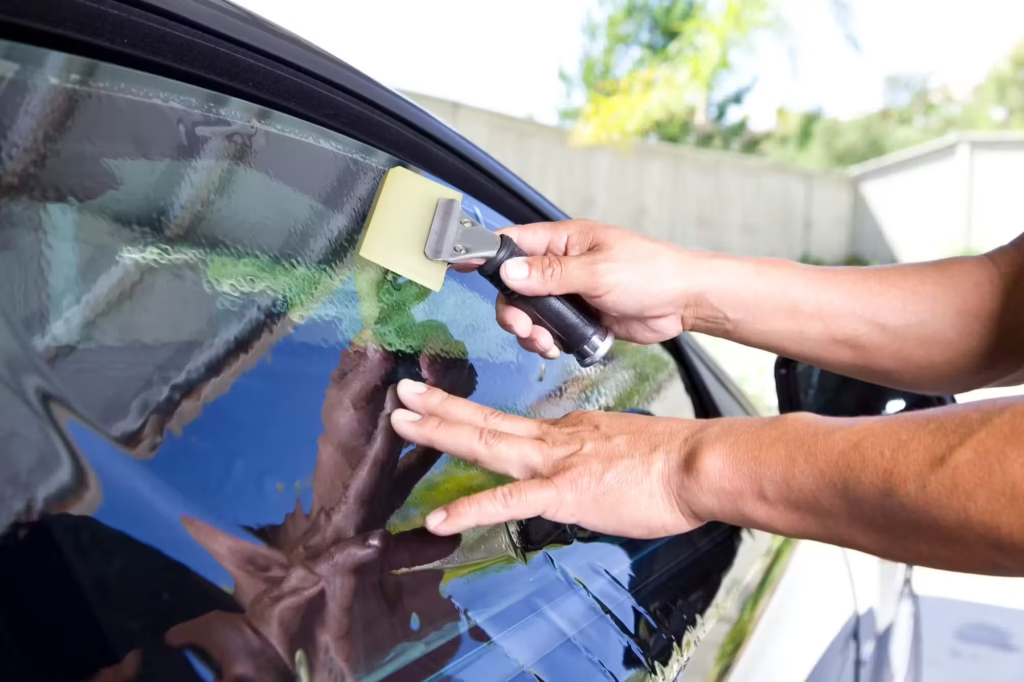
- Keeps your car cool in hot weather
- Decreases use of air conditioning, reducing fuel consumption
- Prevents cracking and fading of interior fabrics
- Enhances comfort while driving and reduces glare
Texas Window Tint Laws
Austin abides by the Texas state tint law, which requires that:
- Visible Light Transmission (VLT) Minimum levels
- What windows you may tint and how dark you may make them
- There are medical exceptions for darker tint
Professional tint installers will make sure your tint is within the legal requirements so you won’t get a ticket or have to take it off.
Is Car Window Tinting Worth the Cost?
1. Improved Resale Value
Tinted windows look better and protect the interior’s fabric so your vehicle remains more valuable.
2. Comfort and Fuel Efficiency
Good quality tint can reduce the temperature inside your car, allowing you to run the AC less and save fuel.
3. Long-Term Protection
High-quality films stop harmful UV rays, protect glass, and make windows more maintainable.
4. Legal and Professional Installation
Employing a professional means a clean finish that lasts, with durability and legal compliance.
Final Thoughts
So, how much does car window tint cost? Most drivers pay in the range of $100 to $500, with the final cost dependent on what type of film is used, the size of the vehicle, and where the work is performed. Although there are budget-friendly options, the joy of superior comfort, protection and value can only be realized with quality materials and professional installation.
If you are seeking car window tinting prices in Texas, look no further than Texas Reliable Auto Glass. We have the expertise, top quality film options, and affordable prices to meet your needs. Call us now for a free consultation and get the perfect tint for your car.
FAQs
Q1: What Factors Affect The Cost Of Car Window Tinting?
A: The cost depends on the type of tint film used, the size and number of windows, the vehicle model, and whether you choose professional installation or DIY.
Q2: How Much Does Professional Car Window Tinting Usually Cost?
A: On average, professional tinting costs between $100 and $400, with higher-end films and larger vehicles costing more.
Q3: Are There Cheaper Options For Window Tinting?
A: Yes, DIY tint kits are available at lower prices, but professional installation ensures better quality, durability, and compliance with local laws.
Q4: Does The Price Include The Warranty Or Maintenance?
A: Many professional installers include a warranty for peeling, bubbling, or discoloration, but it’s best to confirm before purchase.
Q5: Does The Type Of Tint (E.G., Ceramic, Dyed, Metallic) Influence The Price?
A: Yes, premium tints like ceramic or carbon films usually cost more than basic dyed films due to better heat rejection and durability.