

A broken rear quarter window is more than a small crack in glass. It lets water in, raises noise, and lowers safety. Many drivers think it is a hard fix, but that is not always true. With the right tools and clear steps, this job can be done safely and correctly.
How To Replace Rear Quarter Window means removing the damaged quarter glass and installing a new one with proper bonding. The process is detailed but not confusing. This guide explains every step in plain words so you know what to expect and when help is the better choice.
What is Quarter Glass on a Car?
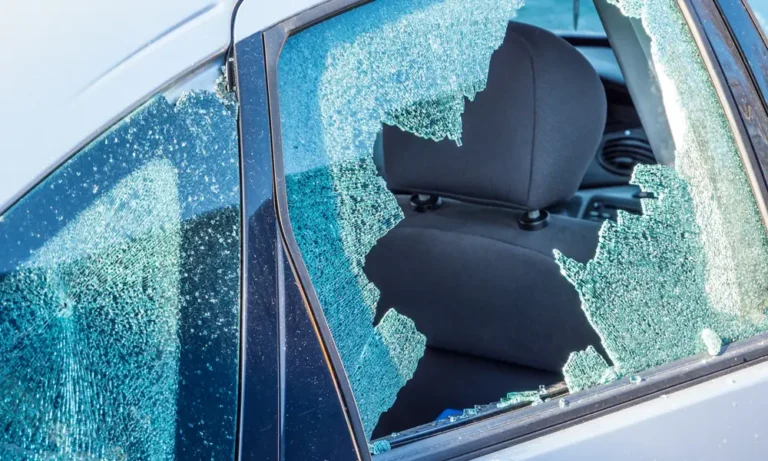
Quarter glass is the small fixed window near the rear side of your car. It usually sits behind the back door. Some cars have it in front of the door, but rear quarter glass is more common.
The quarter glass window car design helps with visibility and body shape. It also supports the frame and keeps air flow balanced inside the cabin. Unlike door windows, it does not roll down. It stays in place with strong adhesive or clips.
Most modern vehicles use tempered glass for quarter glass windows. This type of glass breaks into small pieces for safety. That is why damage often looks sudden and messy.
Why Rear Quarter Windows Break
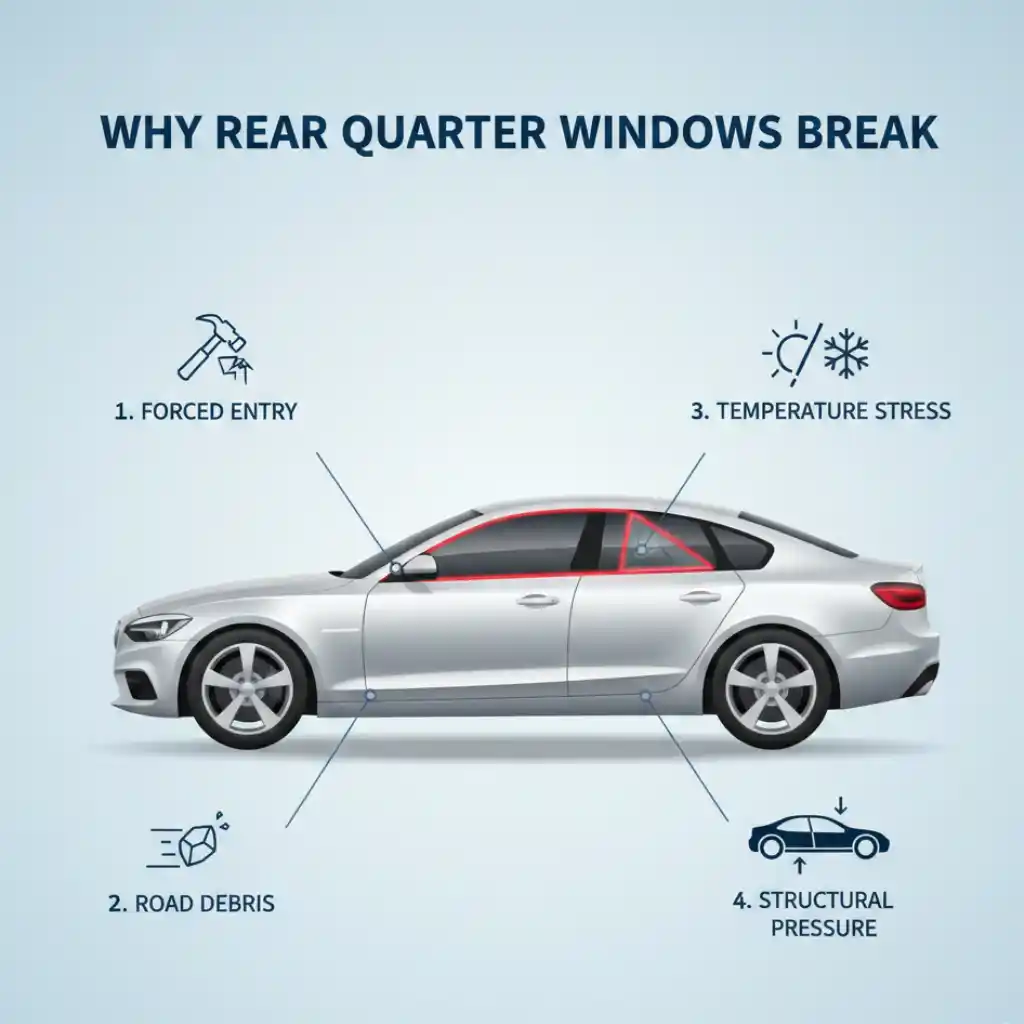
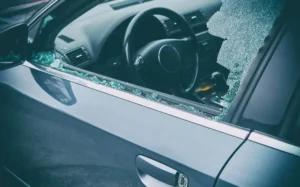
Rear quarter glass can break for several reasons. The most common cause is impact. A flying rock, minor crash, or break-in attempt can shatter it fast.
Temperature change is another cause. Cold weather followed by heat puts stress on glass edges. Over time, this can cause cracks.
Poor installation also matters. If the quarter glass replacement was done without proper bonding, it may loosen and crack later.
Vandalism is sadly common. Rear quarter windows are smaller and easier to break than windshields.
Even body flex from rough roads can damage older quarter glass window seals.
Should I Get a New Quarter Glass?
Replacing broken quarter glass isn’t optional if you want a safe, legal vehicle. Driving with damaged or missing quarter glass creates serious problems.
Safety concerns make replacement necessary. Broken glass exposes your car’s interior to weather and theft. Rain, snow, and dust enter freely through the opening. Your belongings become easy targets for criminals.
Legal requirements vary by state. Most places require all factory-installed windows to remain functional. Police can ticket you for driving with missing glass. Insurance companies may refuse claims if you’re not maintaining your vehicle properly.
Structural integrity matters more than you think. Quarter glass helps support your car’s roof structure. The adhesive bonding creates a seal that adds rigidity to the body. Removing this support weakens your vehicle’s frame.
Resale value drops significantly with damaged glass. Buyers notice broken windows immediately. They assume other maintenance issues exist. Your car becomes harder to sell at a fair price.
Getting new quarter glass makes financial sense. The longer you wait, the more secondary damage occurs. Water enters the door panels and causes rust. Interior fabrics develop mold from moisture exposure.
Can You Replace a Rear Quarter Window Yourself?
Yes, you can handle quarter glass replacement as a DIY project. The job requires patience and attention to detail, but it’s achievable for most people.
The skill level needed sits at intermediate. You don’t need professional mechanic training. Basic hand tool experience and the ability to follow instructions are enough. The process involves more careful work than heavy lifting.
Time investment ranges from two to four hours. First-timers should plan for the longer end. Experienced DIYers complete the job faster once they know the steps.
Cost savings make DIY appealing. Professional shops charge between $200 and $500 for rear quarter glass replacement. Doing it yourself costs $50 to $150 for materials. You pocket the difference in labor charges.
Challenges to consider include working with adhesive. Urethane sealant requires proper application. You need steady hands and good weather conditions. Temperature affects how the adhesive cures. Rain or extreme cold makes the job harder.
Physical requirements are minimal. You’ll reach into tight spaces and hold awkward positions. Some bending and stretching is necessary. Anyone with reasonable mobility can manage these tasks.
The biggest factor in success is preparation. Having all tools ready before starting makes everything smoother. Reading through the entire process helps you understand what’s coming.
Cost of Replacing the Rear Quarter Window

Understanding the full cost picture helps you budget appropriately. Prices vary based on several factors.
DIY costs break down into specific categories:
- Replacement glass: $30 to $100
- Urethane adhesive: $15 to $25
- Primer and cleaner: $10 to $20
- Trim tools: $5 to $15 (if needed)
Total DIY expense runs $60 to $160. Luxury or rare vehicles cost more because their glass is harder to find.
Professional installation ranges from $200 to $500. This includes labor, materials, and warranty coverage. Mobile services charge extra for convenience. Dealerships charge the highest rates but use OEM parts.
Factors affecting price include:
- Vehicle make and model
- Glass availability
- Tinted vs. clear glass
- Local labor rates
- Additional damage requiring repair
OEM vs. aftermarket glass creates a price difference. Original Equipment Manufacturer parts cost more but fit perfectly. Aftermarket options save money but quality varies. Both work fine for most situations.
Hidden costs sometimes surprise people. You might need new weatherstripping if the old material tears. Door panel clips break during removal. Budget an extra $20 for unexpected supplies.
Insurance coverage helps reduce out-of-pocket costs. Comprehensive policies typically cover glass damage. Check your deductible before filing a claim. Sometimes paying yourself costs less than the deductible.
You should read about: How to Repair Power Window.
Tools Needed to Replace a Rear Quarter Window
Gathering the right equipment before starting saves frustration. You need specific tools for quarter glass window replacement.
Essential tools:
- Utility knife with fresh blades
- Putty knife or trim removal tool
- Wire or string for cutting adhesive
- Caulking gun for urethane
- Clean rags and towels
- Isopropyl alcohol
- Painter’s tape or masking tape
- Gloves and safety glasses
Recommended additions:
- Heat gun or hair dryer
- Suction cup handles
- Razor blade scraper
- Primer for urethane adhesive
- Mineral spirits for cleanup
Safety equipment protects you from injury. Gloves prevent cuts from sharp glass edges. Safety glasses keep debris out of your eyes. Long sleeves protect your arms during removal.
Materials needed:
- New quarter glass panel
- Urethane adhesive sealant
- Adhesive primer
- Weatherstrip (if damaged)
Most tools cost under $50 total if you don’t own them. Hardware stores carry everything you need. Auto parts stores stock specialized items like urethane adhesive and primer.
Quality matters for adhesives. Cheap sealants fail quickly and leak water. Invest in automotive-grade urethane designed for glass installation. The extra few dollars prevent future headaches.
How to Replace Rear Quarter Window:Step-by-Step
This section covers the complete process for replace quarter glass installation. Follow each step carefully for best results.
Step 1: Prepare Your Workspace
Park your vehicle in a clean, dry area. A garage works best, but a covered carport suffices. Temperature should be between 50°F and 80°F. Humidity affects adhesive curing time.
Gather all tools and materials within reach. Lay out clean towels to catch glass pieces. Have a trash bag ready for old adhesive and glass fragments.
Step 2: Remove Interior Trim
Open the rear door nearest the damaged quarter glass window. Locate interior trim panels covering the window area. These panels snap into place with plastic clips.
Use a trim removal tool to gently pry the panels away. Work slowly to avoid breaking clips. Set panels aside in a safe location. Remember their position for reinstallation.
Step 3: Remove Broken Glass
Put on safety gloves and glasses. Carefully remove large pieces of broken glass. Place them in a cardboard box for safe disposal.
For intact windows, you’ll cut through the adhesive. Insert a thin wire or specialized cutting tool between the glass and body. Work the wire around the perimeter using a sawing motion. Apply heat with a hair dryer to soften stubborn adhesive.
Step 4: Clean the Opening
Remove all old adhesive from the window frame. Use a razor blade scraper held at a shallow angle. Scrape away dried urethane without scratching the paint.
Clean the surface with isopropyl alcohol. Remove all dirt, oil, and residue. The surface must be completely clean for proper adhesion. Let it dry for five minutes.
Step 5: Apply Primer
Urethane adhesive needs a primer to bond correctly. Apply a thin coat of primer to the cleaned frame. Use the applicator brush included with the primer. Cover the entire contact surface.
Wait the recommended time listed on the primer instructions. Usually this is 5 to 10 minutes. The primer should feel dry to the touch before proceeding.
Step 6: Apply Urethane Adhesive
Load the urethane cartridge into your caulking gun. Cut the tip at a 45-degree angle. Create an opening about 3/8 inch wide.
Apply a continuous bead of urethane around the window frame. Keep the bead consistent in size. Don’t leave any gaps or thin spots. The bead should be about 1/2 inch wide and 3/8 inch tall.
Step 7: Position the New Glass
Have a helper assist with this step. Quarter glass window car installation requires precision. Pick up the new quarter glass panel carefully. Some people use suction cup handles for better grip.
Align the glass with the opening. Check that it sits square in the frame. The fit should look even on all sides. Press the glass firmly into the urethane bead.
Step 8: Secure and Seal
Apply steady pressure around the glass perimeter. The urethane should squeeze out slightly. This indicates proper compression and contact.
Use painter’s tape to hold the glass in position. Create an X pattern across the glass with tape extending to the body. This prevents movement during curing.
Wipe away excess urethane that is squeezed out. Use mineral spirits on a rag for cleanup. Don’t disturb the seal between glass and frame.
Step 9: Allow Proper Curing Time
Urethane needs time to cure completely. Most products require 24 hours before driving. Some fast-cure adhesives allow driving after 2-4 hours. Check your product’s instructions.
Leave windows closed during curing. Don’t slam doors or create pressure changes. Keep the vehicle parked and level.
Step 10: Reinstall Interior Trim
After the adhesive cures, reinstall interior panels. Align the clips with their holes. Press firmly until you hear them snap into place. Make sure everything sits flush and secure.
You can also read about: How To Fix Window Off Track In Easy Steps.
When to Call a Professional
Sometimes a DIY job is too risky. If your car has advanced safety sensors or if the window is part of the car’s structural pillar, professional help is best. A leak can lead to mold or electrical shorts that cost thousands to fix.
If you live in Texas, you should look for Car Window Replacement in Austin. Local experts like Texas Reliable Auto Glass have the heavy-duty tools to ensure a leak-free seal. We can also help you with the insurance paperwork to keep your out-of-pocket costs low.

Final Thought
Replacing your rear quarter window restores your vehicle’s integrity and appearance. The process requires careful attention but rewards you with significant cost savings. Most people successfully complete this repair with basic tools and patience.
Success depends on proper preparation and following steps in order. Clean surfaces, quality adhesive, and adequate curing time create lasting results. Take your time and don’t rush the process.
Whether you tackle the job yourself or hire professionals, addressing damaged quarter glass quickly prevents additional problems. Water damage, theft risk, and structural concerns all worsen with delay. Your car deserves prompt, quality repair.
FAQs
How long does it take to replace a rear quarter window?
DIY replacement takes 2-4 hours including prep and cleanup. Professional installation typically completes in 1-2 hours. Adhesive curing adds 2-24 hours before driving.
Can I drive my car immediately after rear quarter glass replacement?
No, you must wait for the urethane to cure. Standard adhesives require 24 hours. Fast-cure products allow driving after 2-4 hours. Check your specific product instructions.
What’s the difference between quarter glass and vent windows?
Quarter glass is fixed in place with adhesive. Vent windows pivot open for ventilation. Modern cars typically have quarter glass instead of functional vents.
Will my insurance cover quarter glass replacement?
Most comprehensive auto insurance policies cover glass damage. Check your deductible amount. Sometimes the repair cost is less than your deductible, making out-of-pocket payment cheaper.
How do I know if I need OEM or aftermarket quarter glass?
OEM glass guarantees perfect fit and matches original quality. Aftermarket glass costs less but quality varies by manufacturer. Either works fine for most vehicles.
Why is my new quarter window leaking?
Leaks indicate improper adhesive application or insufficient curing time. The seal may have gaps or the glass might not be pressed firmly enough. Professional reinstallation may be necessary.