
That strip encircling the edges of your windshield may be referred to as windshield molding or windshield trim. But it can also be referred to as a garnish molding, reveal molding, weatherstrip or windshield seal, depending on your make and model.
It can get quite confusing very quickly when ordering a part or explaining to an auto glass technician what to order. A loose strip could appear to be simply rubber, but it could also be a vehicle-specific piece. Knowing the name for this item will assist you in ordering the correct part and determining whether it is the trim, the glass or the installation.
Quick Answer
The word used for trim around a windshield is most likely windshield molding. In some places, the term windscreen trim is used. Separate cars sometimes use other terminology, such as garnish, reveal molding, weatherstrip or seal: the terms are not consistent across different designs but all serve to trim out the glass edge and provide protection.
What Is Windshield Molding?
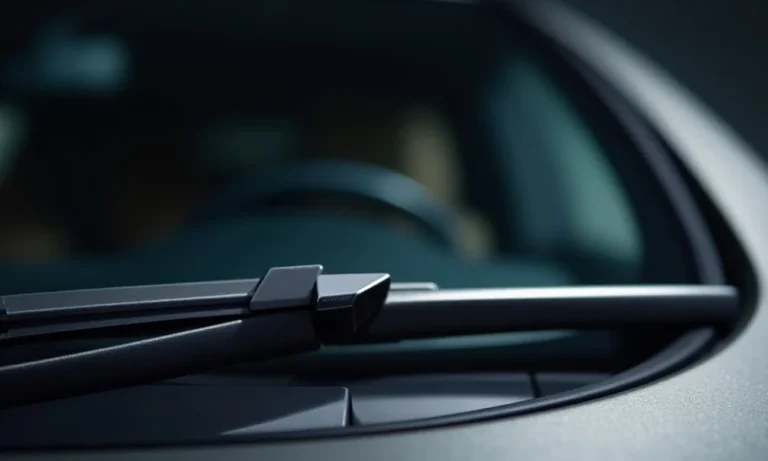
Windshield molding is a type of trim that runs around the edge of your windshield. The molding provides a transition from glass to body trim and may, based on the design, help protect the edge from elements and also help the seal.
Parts catalogs refer to them as “windshield molding.” Mopar, Toyota, and GM, for instance, all show perimeter-only pieces by that name. Construction varies by vehicle: molding may be rubbery and flexible or rigid/semi-rigid exterior trim.
What Does Windshield Molding Do?
Depending on the vehicle, windshield molding can:
- Give the glass edge a finished look
- Seal or shield the space at the base of the windshield.
- Assist in directing water and debris away from the edge
- Join forces with the other components of the sealing system
- Minimise the site that is exposed to weather
- Integrate the glass with the body panels around it
A few OEM descriptions cite the design of the molding itself as a factor in helping reduce any penetration of moisture or sound caused by the wind.
You can also read about: What Is Windshield Calibration.
What Is the Rubber Around the Windshield Called?
You may have asked yourself if you ever wondered what the rubber surrounding the windshield is called and what its purpose is. Well here is the answer! It could be windshield molding, weatherstripping, a windshield seal, or dam rubber.
Here’s why it’s important: because some sealing parts which look like rubber serve different purposes. For instance, one car may have a molding extending round the glass and another might use individual weatherstrip or sealing components. In manufacturer service texts, “dam rubber” and “molding” are sometimes used to describe different components of an assembly.
Provide the year, make, and model of the vehicle to order a replacement. When ordering, don’t try to find ‘rubber windshield trim’ in general. Find out exactly where the broken piece is.
Is Windshield Trim the Same as Windshield Molding?
At a glance, they’re the same thing in conversation. But on some models of cars, they’re not. Windshield trim is a generic term for any piece around the outside of a windshield, whereas windshield molding is a term preferred by many auto manufacturers. If you were to look in the parts catalog or service manual, one might be listed as windshield molding and the other as a garnish or reveal molding.
It’s safer to go with the actual name of your car when it’s time to buy a new windshield, instead of presuming one windshield will work for them all.
What Is the Trim Around a Car Window Called?

Car window trim is usually known as window trim, window molding, weatherstrip or a window seal, depending on what it is and where it’s located. And windshield trim is one specific variety of glass trim – side and rear windows often have other names and different parts.
| Term | What it generally refers to |
| Windshield molding / moulding | Trim around the windshield perimeter |
| Windshield trim / windscreen trim | General term for exterior edging around the glass |
| Weatherstrip | Material that seals or protects against weather |
| Windshield seal | A sealing component around the glass |
| Reveal molding | Exterior molding along the glass edge |
| Garnish molding | Trim around the windshield or glass on some vehicles |
| Dam rubber | A specific rubber part used in some windshield assemblies |
Names vary by manufacturer. GM service documents use “windshield reveal molding,” for example, while Kia documents refer to “windshield garnish molding” and weatherstrip trim.
Where Is the Windshield Molding Located?
Placement depends on the vehicle. You may find:
Top molding: extending across the upper edge of the glass
Side molding: along the left or right side near the A-pillars
Lower molding: at the bottom edge side of the cowl.
Full-perimeter molding: encircling a large number of sides of the windshield
However, not all vehicles separate the parts in each spot. Depending on a vehicle, they might use only one molding or trim pack, or they could use trim where all the pieces are in one place. One example is windshield molding listed by Toyota as an exterior trim part.
Why Does Windshield Trim Matter?
Trim is not merely cosmetic. Sometimes the moldings not only protect the perimeter of the windscreen but have a relationship with the complete sealing set. A poorly fitted or damaged item can make the whole windscreen display look unsightly.
OEM documentation. GM lists loose or misaligned molding and a faded or worn finish as indicators of wear. However, a problem with the molding is not necessarily a reason to replace the glass. Go over the glass, adhesive, body area and other parts individually.
Signs of Damaged Windshield Molding
Watch for:
- Trim pulling away from the glass
- Loose sections along the edge
- Gaps between the molding and the body
- Cracking or worn rubber
- Missing sections
- Warped or lifted molding
- Faded or damaged exterior trim
- Wind noise close to the windshield
- Water getting in around the windshield
A visible trim issue isn’t always indicative of the underlying problem. Loose molding can be caused by broken clips, fitment, age, or another factor in the housing surrounding the windshield assembly.
Can Windshield Molding Be Replaced?
Yes, but it depends on the vehicle and the type of mold (see below). Many vehicles have an exterior style of mounting that can be removed and replaced independently. OEM documentation shows windshield molding as a replacement item.
A correct replacement should match your vehicle’s:
- Year
- Make
- Model
- Body style
- Windshield design
- Trim configuration
If the trim came loose after replacing a windshield, take your vehicle back to the windshield replacement shop and have them look at the installation-don’t just reapply the trim.
Should You Replace the Windshield or Just the Trim?
If your glass is unbroken and just an exterior trim/molding is broken, then your only concern will be just the trim.
However, it looks different when you:
- Cracks or chips in the glass
- Water leaking around the windshield
- Glass movement or a poor fit
- Separation along the windshield edge
- Heavy wind noise after a recent installation
- Damage around the windshield opening
In these instances, an auto glass technician can examine the complete setup and advise if the trim is the only thing incorrect.
How to Find the Right Windshield Trim
1. Source the vehicle information.
The year, make, and model will be important. Some parts will depend on the body style or trim level.
2. Identify the position.
Is the broken item at the very top, on the driver’s side, on the passenger side, at the very bottom, or throughout the complete edges?
3. Get a design comparison.
A replacement is going to have to be similar in shape and mounting and location to the original. Don’t be tempted to use any piece of rubber strip if it looks the same. Mouldings for windshields are usually specific to your vehicle.
4. Consult a professional.
If you can’t tell the part, an auto glass technician can check out the windshield and let you know what’s required, which can be helpful if the molding is bolted to the install.
Can You Drive With a Loose Windshield Trim?
Exterior trim minor cosmetic defect: ok. What if there are loose, low, or no seals? Loose, missing, or floating trim should not be, ” oh, well, move on.” Yes, the trim’s an extra piece of outer body trim, but it’s also the glue, trim, clips and seal that you see, too.
Call a professional right away if you notice a loud noise when there is wind or water coming in through the windshield.
Windshield Molding vs. Windshield Seal
The majority of what is called windshield molding is actually part of the exterior trim. The part of a windshield seal is a sealant material that forms a seal to prevent water and/or air from entering a space between two surfaces around a windshield. Do not confuse these terms.
The prevalent method of bonding windshields these days involves a seal with a molding or trim attached to the edge. It might be similar to a combination of a rubber seal, moldings, and more on previous and model-specific setups. Which is why vehicle details are so useful for symptoms related to trim.
Common Windshield Trim Mistakes to Avoid
- Part bought incorrectly. The trim might appear identical but the mounting system or profile could be different.
- My take is that it’s just rubber about the glass? Is it trim/ mold and it just happens to be on the outside edge?
- Failure to secure loose trim. It may become loose and fly off while you drive.
- New seal replacement without check of the windshield. Shifts or movements of glass or new installation or leakage could require more than only new trim.
- Forcing the trim in. If the trim won’t go in, try not to force it. You may end up breaking clips, the glass or the body or breaking the trim.
When to Contact an Auto Glass Professional
Seek help if:
- The windshield was recently replaced
- Water is entering around the glass
- The glass appears to be loose or shifted.
- The molding won’t stay in place
- The windshield has cracks or significant chips
- You begin to notice the new wind noise just in front of the glass
- You can not inform whether the problem is a trim, sealant, or the windshield.
Learn more about Windshield Replacement in Austin, TX, if you need new glass and not just new exterior trim.

Key Takeaways
- The moulding around a windshield is generally called windshield molding, alternatively “windshield trim” in some areas. Not to be confused with the windscreen trim.
- You can also see windshield moulding, which is actually the spelling windshield molding.
- If you’re wondering, “What is the rubber on the windshield called,” then it could be called weatherstrip, seal, or molding, depending on the car.
- The terms “Trim” and “molding” are sometimes used interchangeably, however manufacturers may be more specific.
- The molding assists in finishing and sealing the glass perimeter and can be in conjunction with the sealing system.
- Loose, cracked, missing or out of alignment molding may require replacement or inspection.
- Double check your ride and the precise location of the damaged trim prior to ordering a part.
Conclusion
Now, what’s the name of the trim around the windshield? The trim is called a number of things (below) but is most commonly referred to as windshield molding or windshield trim. Depending on your vehicle, it could also be known as weatherstrip, reveal molding, garnish molding, windshield seal, or dam rubber.
These labels do not necessarily mean the same part. If your trim is incomplete, broken, or falling off, you’ll want to first locate your vehicle and precise position. If additional symptoms like a water leak, the wrong installation, or cracked glass are present, have the entire space examined to decide if you need a new windshield or any other sort of service.
If the glass needs service, Texas Reliable Auto Glass can assist you in selecting the best auto glass service for your vehicle.
Frequently Asked Questions
What is a Windshield Trim?
This is usually known as windshield molding or windshield trim. Depending upon the vehicle, it could also be labeled as reveal molding, garnish molding, weatherstrip or a windshield seal.
What is the rubber around the windshield called?
This can be called a windshield molding, weatherstrip, windshield seal, or dam rubber. It will vary by vehicle and the actual part.
Is windshield molding the same as windshield moulding?
Yes. “Moulding” is the same part spelled with the variation of the same word.
What is windscreen trim?
Windscreen trim is the international term for windshield trim, the trim that finishes the border of a piece of glass.
Are windshield molding and windshield trim the same?
Often, yes, in everyday use. For instance, the name of one part might be “molding” and the other part “trim,” but you’ll find it all has a common purpose and commonly share part of the name.
Is windshield molding replaceable separately?
Most vehicles, yes. Some moldings are available as individual components; however, the method of replacement varies based on how the molding is attached to the windshield assembly.
Can you replace windshield trim without replacing the glass?
Occasionally. If the glass is not broken and it is only the exterior trim that is removable, it can be replaced independently. Call for a professional to look at the area if there is evidence of a leak or glass shifting or mounting issues.
What is the trim around a car window called?
Depending on where it’s used and its purpose, it might be known as window molding, window trim, a seal, or weatherstrip.
Why is my windshield molding coming loose?
Potential causes: Clip is broken or worn. The clip is damaged, not in the right place or fitment is incorrect, or the trim is broken. If it’s been introduced following a windscreen replacement, have the fitting checked.
Can I drive with damaged windshield molding?
It depends. Small cosmetic blemishes may not impact the windshield, but loose or absent trim should be checked if combined with water leaks, wind noise or glass movement.
Can I drive with damaged windshield molding?
It depends. Minor cosmetic damage may not affect the windshield, but loose or missing trim shouldn’t be ignored, especially alongside water leaks, wind noise, or glass movement.