
What is the windshield trim called? In most vehicles, the piece around the edge of the windshield is called windshield molding or windshield trim. However, automakers may use different names for specific pieces, including windshield garnish molding, reveal molding, weatherstrip, or a windshield seal.
This terminology can become confusing when you’re trying to order a replacement part or explain a problem to an auto glass professional. A loose piece around the windshield may look like a simple rubber strip, but it can be a specific molding or trim component designed for that vehicle.
Understanding the terminology can help you identify the right part and determine whether the issue involves the trim itself, the glass, or the windshield installation.
Quick Answer
The trim around a windshield is commonly called windshield molding or windshield trim. Depending on the vehicle, it may also be called a windshield garnish, reveal molding, weatherstrip, or seal. The exact name varies by design, but these components generally finish the edge of the glass and help protect the windshield area.
What Is Windshield Molding?
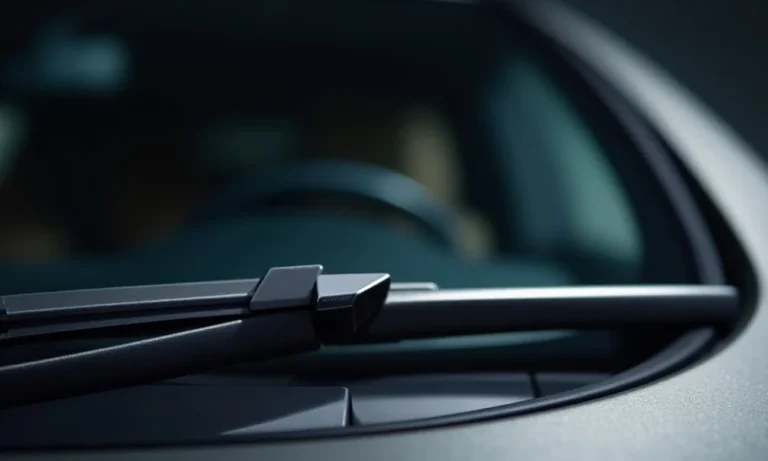
Windshield molding is a trim component installed around the perimeter of the windshield. It helps create a finished edge between the glass and the vehicle body and, depending on the design, can help protect the perimeter from environmental exposure and support the sealing system.
Automakers and parts manufacturers commonly use the term “windshield molding” for these components. For example, OEM parts catalogs from Mopar, Toyota, and GM identify specific windshield perimeter pieces as windshield moldings.
The exact construction varies by vehicle. Some moldings are flexible rubber-like pieces, while others are designed as rigid or semi-rigid exterior trim.
What Does Windshield Molding Do?
Windshield molding can serve several purposes depending on the vehicle design:
- Provides a finished appearance around the glass
- Covers or protects the edge between the windshield and body
- Helps manage water and debris around the windshield perimeter
- Works with other components of the windshield sealing system
- Helps reduce exposure of the windshield installation to the elements
- Completes the transition between the glass and surrounding body panels
Some OEM descriptions specifically note that windshield molding helps protect the windshield area and can help with moisture intrusion and wind noise.
You can also read about: What Is Windshield Calibration.
What Is the Rubber Around the Windshield Called?
The rubber around a windshield may be called windshield molding, weatherstrip, windshield seal, or dam rubber, depending on the vehicle and the specific component.
This is where terminology becomes especially important. Not every rubber-looking piece around a windshield serves exactly the same purpose.
For example, some vehicles use a molding around the glass, while another design may have separate sealing or weatherstripping components. Manufacturer service documentation can use terms such as “dam rubber” and “molding” for different parts of the windshield assembly.
If you’re ordering a replacement, it’s better to identify the vehicle’s year, make, model, and the exact location of the damaged piece rather than ordering a generic “rubber windshield trim.”
Is Windshield Trim the Same as Windshield Molding?
Usually, the terms are used interchangeably in everyday conversation, but they can refer to different components on some vehicles.
“Windshield trim” is a broad description for exterior pieces surrounding the windshield. “Windshield molding” is a more specific automotive parts term that manufacturers commonly use.
For example, an OEM parts catalog may list a component specifically as a windshield molding, while a service document may refer to a similar area as a garnish or reveal molding.
The safest approach is to use the terminology listed for your particular vehicle rather than assuming every windshield uses the same type of trim.
What Is the Trim Around a Car Window Called?

The trim around a car window is generally called window trim, window molding, weatherstrip, or a window seal, depending on its location and function.
Windshield trim is a specific type of automotive glass trim. Side windows and rear windows can use different components and terminology.
Common terms include:
| Term | What it generally refers to |
| Windshield molding | Trim around the windshield perimeter |
| Windshield trim | General term for exterior windshield edging |
| Weatherstrip | Material designed to seal or protect against weather |
| Windshield seal | A sealing component around the glass |
| Reveal molding | Exterior molding around the edge of glass |
| Garnish molding | Trim used around the windshield or glass area on some vehicles |
| Dam rubber | A specific rubber component used in some windshield assemblies |
The exact terminology can vary by manufacturer and vehicle design. GM service documentation, for example, uses terms such as “windshield reveal molding,” while Kia documentation refers to “windshield garnish molding” and weatherstrip trim.
Where Is the Windshield Molding Located?
Windshield molding can be positioned around different sections of the windshield.
Depending on the vehicle, you may see:
- Upper molding: Runs along the top edge of the windshield.
- Side molding: Runs along the left or right edge near the A-pillars.
- Lower molding: May be located along the bottom edge near the cowl.
- Full-perimeter molding: Extends around multiple sides of the windshield.
Not every vehicle uses separate pieces in all of these locations. Some designs use a single molding or integrated trim system.
Toyota, for example, lists windshield molding as an exterior trim component specifically designed for the outer edge of the windshield.
Why Does Windshield Trim Matter?
Windshield trim is not just there to make the vehicle look finished.
Depending on the vehicle’s design, the molding can help protect the windshield perimeter and work with the overall sealing arrangement. A damaged or incorrectly installed piece can also affect the appearance of the windshield area.
Some OEM documentation identifies loose, misaligned, or worn windshield molding as a condition that may require inspection or replacement. GM, for example, lists loose or misaligned molding and a faded or worn finish among signs of molding wear.
However, a damaged molding does not automatically mean the windshield itself needs replacement. The condition of the glass, adhesive, surrounding body area, and other components should be evaluated separately.
What Are the Signs of Damaged Windshield Molding?
Common signs that the molding or trim may need attention include:
- Trim pulling away from the windshield
- Loose sections around the glass
- Visible gaps between the molding and body
- Cracked or deteriorated rubber
- Missing sections
- Warped or lifted molding
- Faded or damaged exterior trim
- Wind noise around the windshield
- Water entering near the windshield area
A visual problem with the trim does not always identify the underlying cause. For example, loose molding could result from damaged clips, improper fitment, deterioration, or another issue with the surrounding windshield assembly.
Can Windshield Molding Be Replaced?
Yes, windshield molding can often be replaced, but the replacement method depends on the vehicle and the type of molding used.
Some vehicles have replaceable exterior molding that can be removed and installed separately. Other designs integrate the molding more closely with the windshield installation.
The correct replacement part should match the vehicle’s:
- Year
- Make
- Model
- Body style
- Windshield design
- Trim configuration
OEM documentation shows that windshield molding is available as a distinct replacement component for many vehicles.
If the molding is loose after a windshield replacement, it is also worth having the installation inspected rather than simply pushing the trim back into place.
Should You Replace the Windshield or Just the Trim?
A damaged trim piece does not automatically require windshield replacement. If the glass is intact and the problem is limited to an exterior molding or trim component, the appropriate repair may involve the trim alone.
However, the situation is different if you also notice:
- Cracks or chips in the windshield
- Water leaking around the glass
- Glass movement or improper fit
- Separation around the windshield edge
- Significant wind noise after a recent installation
- Damage around the windshield opening
In these situations, an auto glass professional can inspect the complete installation and determine whether the problem is limited to the trim.
How Do You Know Which Windshield Trim You Need?
If you need a replacement molding, start by identifying the exact vehicle.
Check the Vehicle Information
Have the vehicle’s year, make, and model available. Some parts also vary according to body style or trim level.
Identify the Location
Determine whether the damaged piece is:
- At the top of the windshield
- Along the driver’s side
- Along the passenger side
- At the bottom
- Around the entire perimeter
Compare the Part Design
A replacement should match the original component’s shape, mounting method, and location.
Avoid assuming that a universal rubber strip will work simply because it looks similar. Windshield molding designs can be vehicle-specific.
Ask an Auto Glass Professional
If you cannot identify the part, an auto glass professional can inspect the windshield and determine what component is needed. This is particularly useful when the molding is integrated with the windshield installation.
Can You Drive With Loose Windshield Trim?
A small cosmetic issue with exterior trim is different from a problem affecting the windshield’s installation or sealing system.
If the trim is loose, missing, or lifting, it is worth having it inspected rather than ignoring it. The molding may be a separate exterior component, but the surrounding area can also involve the windshield seal, adhesive, clips, or body trim.
If you notice water intrusion, significant wind noise, movement of the glass, or damage to the windshield itself, professional inspection is more important.
What Is the Difference Between Windshield Molding and a Windshield Seal?
Windshield molding is generally an exterior trim component, while a windshield seal refers to a component or sealing material that helps prevent water and air from entering around the glass.
These terms should not automatically be treated as identical.
Modern bonded windshields commonly use adhesive as part of the windshield installation, while molding or trim can sit around the perimeter. Older or vehicle-specific designs may use different combinations of rubber seals, moldings, and other components.
This is one reason vehicle-specific information matters when diagnosing a windshield trim problem.
Common Windshield Trim Mistakes to Avoid
A few simple mistakes can make a minor trim issue more complicated.
Using the Wrong Part
Universal-looking trim may not match the original mounting system or profile.
Assuming All Rubber Around the Glass Is a Seal
Some rubber components are trim or molding rather than the primary windshield seal.
Ignoring Loose Trim
Loose molding can become more damaged or detach completely while driving.
Replacing Trim Without Checking the Windshield
If the glass has shifted, leaks, or was recently installed, replacing only the visible trim may not address the underlying issue.
Trying to Force the Trim Into Place
Forcing a molding can damage clips, the trim itself, or the surrounding glass and body area. If it does not fit correctly, identify the correct part and installation method first.
When Should You Contact an Auto Glass Professional?
Professional inspection makes sense when the trim problem occurs alongside a windshield installation issue or when you cannot identify the correct component.
Consider getting professional help if:
- The windshield was recently replaced
- Water is entering around the glass
- The glass appears loose or improperly positioned
- The molding will not stay in place
- The windshield has cracks or significant chips
- You hear new wind noise around the glass
- You are unsure whether the issue involves trim, sealant, or the windshield itself
For example, if the windshield itself needs replacement rather than just exterior trim, you can learn more about Windshield Replacement In Austin TX before scheduling service.

Key Takeaways
- The trim around a windshield is commonly called windshield molding or windshield trim.
- The rubber around the windshield may also be called a weatherstrip, seal, garnish molding, or dam rubber depending on the vehicle.
- “Windshield trim” and “windshield molding” are often used interchangeably, but manufacturers may use more specific terminology.
- Windshield molding can help finish and protect the perimeter of the glass and may work with the vehicle’s sealing system.
- Loose, cracked, missing, or misaligned molding may need inspection or replacement.
- Always identify the vehicle and the exact location of the damaged trim before ordering a replacement part.
Conclusion
What is the windshield trim called? Most commonly, it is called windshield molding or windshield trim. Depending on the vehicle, you may also encounter terms such as weatherstrip, reveal molding, garnish molding, windshield seal, or dam rubber.
The important point is that these terms do not always describe exactly the same component. If your windshield trim is loose, damaged, or missing, identify the vehicle and the specific location first. If there are also signs of a windshield installation problem, leak, or glass damage, having the complete area inspected can help determine whether you need trim replacement or windshield service.
If the glass itself needs attention, Texas Reliable Auto Glass can help you explore the appropriate auto glass service for your vehicle.
Frequently Asked Questions
What is the windshield trim called?
The trim around a windshield is commonly called windshield molding or windshield trim. Depending on the vehicle, it may also be called reveal molding, garnish molding, weatherstrip, or a windshield seal.
What is the rubber around the windshield called?
The rubber around a windshield may be called windshield molding, weatherstrip, windshield seal, or dam rubber. The correct term depends on the vehicle’s design and the specific component.
Is windshield molding the same as windshield trim?
Often, yes in everyday automotive terminology. However, manufacturers may use “molding” for a specific component and “trim” as a broader description. Always check the terminology for your particular vehicle.
Can windshield molding be replaced separately?
In many vehicles, yes. Some windshield moldings are available as separate replacement parts. However, the replacement method depends on the vehicle and how the molding is integrated with the windshield assembly.
Can you replace windshield trim without replacing the glass?
Sometimes. If the windshield glass is intact and the problem is limited to a removable exterior molding, the trim may be replaced separately. A professional should inspect the area if there are leaks, glass movement, or installation concerns.
What is the trim around a car window called?
It can be called window trim, window molding, weatherstrip, or a seal. The terminology depends on the location and function of the specific component.
Why is my windshield molding coming loose?
Windshield molding can become loose because of worn or damaged clips, deterioration, improper fitment, or problems with the trim itself. If it appeared after a windshield replacement, have the installation inspected.
Can I drive with damaged windshield molding?
It depends on the condition. Minor cosmetic damage may not affect the windshield itself, but loose or missing trim should not be ignored if it is accompanied by water leaks, wind noise, glass movement, or other installation concerns.