 Skip to content

Back Windshield Replacement Cost | What to Expect in 2024
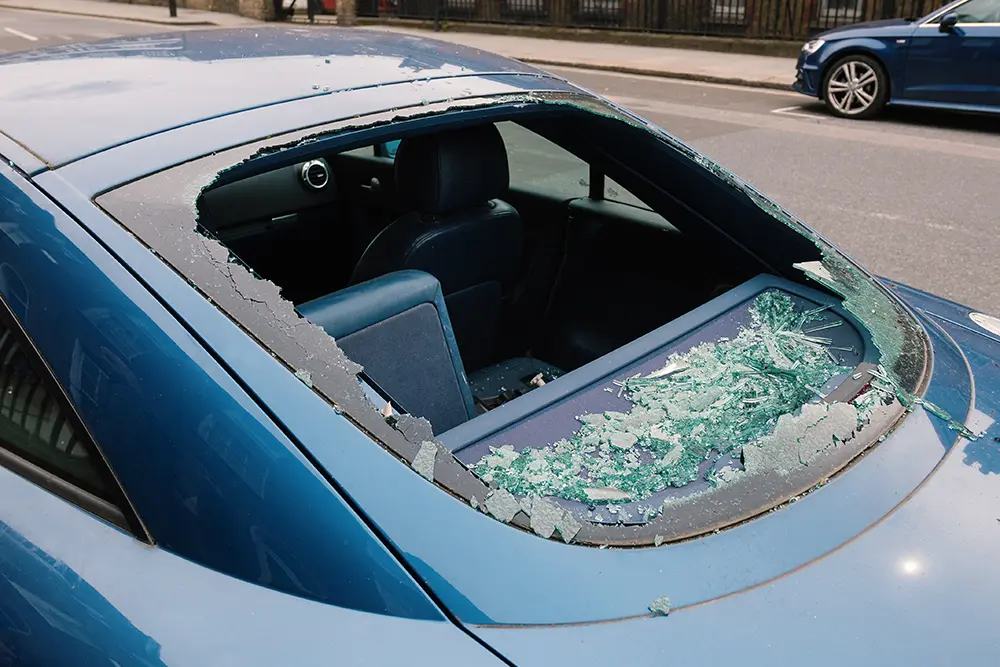
Back windshield replacement cost is a crucial consideration for vehicle owners facing the need for a new rear window. This process involves removing and replacing the rear windshield of a car, which can be necessary due to damage, cracks, or even a complete shatter. Understanding the replacement costs is important because it helps you budget appropriately and avoid unexpected expenses. Factors influencing these costs include the make and model of your vehicle, the type of glass used, and labor charges. Being informed about these aspects ensures that you make well-considered decisions and maintain your vehicle’s safety and integrity. Average Cost of Back Windshield Replacement The average cost of back windshield replacement in Austin typically ranges from $200 to $600. This variation is influenced by several factors, including the make and model of the vehicle, the type of glass used, and the specific labor rates of local auto glass shops. Regional variations in Austin can affect costs due to differences in local labor rates and the availability of auto glass services. For example, replacement costs in more urban areas or higher-cost neighborhoods might be on the higher end of the spectrum compared to suburban or rural areas. Here are some examples to illustrate the cost differences based on vehicle types: Economy Vehicles: For cars like the Honda Civic or Toyota Corolla, the cost for back windshield replacement generally falls between $200 and $350. These vehicles typically have more readily available parts and less complex installation processes. Mid-Range Vehicles: Replacing the back windshield on a mid-range vehicle such as the Ford Escape or Toyota RAV4 might cost between $300 and $450. These vehicles often have larger or more complex rear windows, impacting the overall cost. Luxury Vehicles: For luxury cars like the BMW 5 Series or Audi Q7, the cost can range from $400 to $600 or more. The higher cost is due to the specialized glass, advanced technology features (such as heated or tinted glass), and sometimes more intricate installation requirements. How Else Does the Pricing of Glass Services Vary? The pricing of glass services, including back windshield replacement, can vary significantly based on several factors, such as the type of glass service required, the vehicle’s specifics, and the service provider. Comparison Between Various Types of Glass Services: Front Windshields: Replacing a front windshield generally costs more than a back windshield. This is due to the front windshield often being more complex, with additional features such as built-in sensors, heating elements, and advanced driver assistance systems (ADAS). These features require specialized calibration and installation, raising the overall cost. Typical front windshield replacements can range from $250 to $800, depending on the complexity and features. Back Windshields: Back windshield replacements are usually less expensive because they lack the advanced features found in front windshields. The cost typically ranges from $200 to $600, depending on the factors discussed below. Factors Contributing to Pricing Variations: Vehicle Make, Model, and Year: The cost of glass replacement can vary significantly based on the make, model, and year of your vehicle. Luxury and high-end vehicles often require specialized glass that is more expensive and may involve more intricate installation procedures. For example, a replacement for a rear windshield on a newer BMW might be significantly more costly than that of a standard Toyota sedan. Glass Type and Features: Windshields and back windows can come with various features such as tinting, heating elements, or built-in antennas. Glass with these additional features can be more expensive to replace due to the added complexity and technology involved. Vehicle Design: Some vehicles, particularly those with curved or uniquely shaped glass, may require custom or specially manufactured glass. This can drive up the cost compared to more standard, flat glass. Impact of Service Provider on Cost: Local Shops vs. National Chains: Prices can vary between local auto glass shops and national chains. Local shops might offer more competitive pricing or discounts, while national chains might charge more due to standardized pricing and higher overhead costs. Service Quality and Warranties: The cost can also be influenced by the quality of service and the warranties offered. Higher-priced services may include better quality glass, more experienced technicians, and comprehensive warranties, which can provide peace of mind and long-term value. Urgency and Convenience: If you need a quick replacement or mobile service (where technicians come to you), you might pay a premium for the convenience. Standard shop visits usually cost less compared to emergency or mobile services. OEM vs Aftermarket Windshield When considering windshield replacement, choosing between OEM and aftermarket windshields is an important decision that affects both cost and quality. Here’s a breakdown of the differences, costs, and pros and cons of each option: Definitions and Differences: OEM Windshield: An OEM windshield is made by the same manufacturer that produces the original glass for the vehicle. It is identical in design, quality, and specifications to the windshield that was installed when the car was first manufactured. Aftermarket Windshield: Aftermarket windshields are produced by third-party manufacturers. These windshields are designed to fit a wide range of vehicles but may not be made by the original vehicle manufacturer. They can vary in terms of quality and specifications compared to OEM parts. Cost Comparison: OEM Windshield: Generally more expensive, with costs typically ranging from $400 to $800 or more. The higher price reflects the manufacturer’s brand, quality assurance, and exact fit. Aftermarket Windshield: Typically less expensive, with costs usually ranging from $200 to $600. The lower price is due to less stringent manufacturing standards and the lack of brand name. Pros and Cons: OEM Windshield: Pros: Durability and Quality: OEM windshields are made to the exact specifications of the original glass, ensuring high durability and reliability. Perfect Fit: Since it’s identical to the original, it offers a perfect fit, which can be crucial for the vehicle’s structural integrity and proper functioning of safety features. Warranty and Resale Value: OEM parts often come with a warranty and can help maintain the vehicle’s resale value. Cons: Higher Cost: The
Back Windshield Replacement Cost | What to Expect in 2024 Read More »
