
Reliable Auto Glass

Auto Glass Care & Maintenance

how to get frost off windshield

6 Fast Ways: How to Get Frost Off Windshield Safely

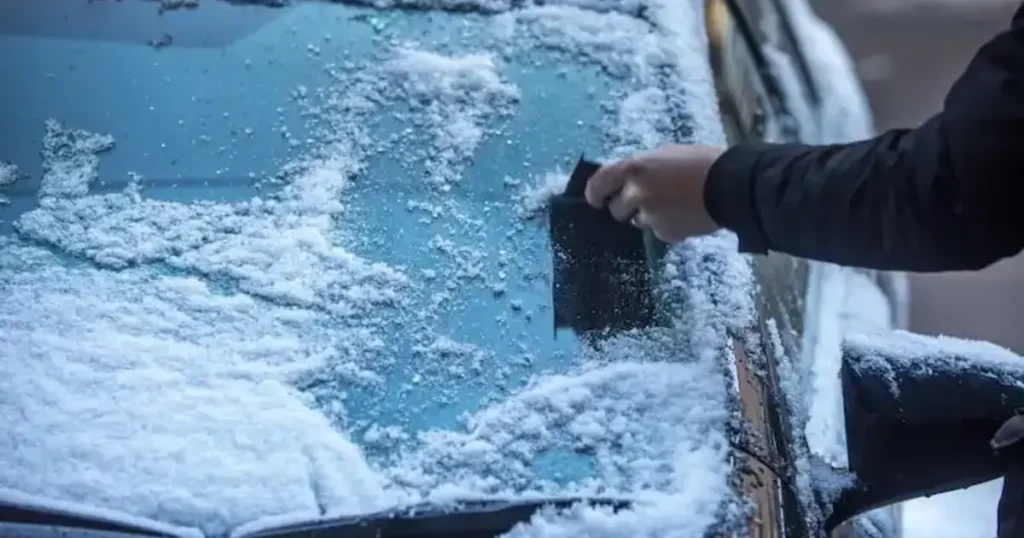
Waking up to a sheet of ice on your car’s glass is a frustrating start to a cold morning. A frosted windshield dramatically cuts visibility, making your drive unsafe and possibly illegal. Getting a clear view fast is necessary for safety. We provide tested, expert methods on how to get frost off windshield glass quickly and without causing damage. You can move fast and safely when you know the right steps. Why Frost Forms on Your Windshield Frost appears when moisture in the air touches your cold windshield and freezes instantly. This happens on clear, calm nights when temperatures drop below 32°F (0°C).Your car’s glass loses heat faster than the surrounding air. When humid air contacts this cold surface, water vapor turns directly into ice crystals. This process is called deposition. Several factors increase frost formation: Clear skies allow heat to escape into space Still air prevents warmer air from mixing near the glass High humidity provides more moisture to freeze Parking in open areas exposes your car to maximum cold Understanding these conditions helps you prevent frost before it forms. The Problem – Frost Makes It Hard to Drive Driving with a frosted windshield is dangerous and illegal in most states. You cannot see pedestrians, traffic signals, or other vehicles clearly.Limited visibility increases your accident risk dramatically. Even a small patch of ice can create blind spots that hide important road hazards.Law enforcement can ticket you for driving with an obstructed view. Most states require a completely clear windshield before you operate your vehicle. Frost also makes your morning routine stressful. You lose valuable time scraping ice when you could be heading to work or school.The strain of scraping can damage your windshield if done incorrectly. Cracks and chips spread faster in cold weather Best Tools for Frost Removal Quality Ice Scrapers Look for scrapers with ergonomic handles and thick plastic blades. Brass blades work well but cost more.Extendable scrapers help you reach the center of large windshields. Models with built-in brushes clear snow and ice together.Replace scrapers when blades become worn or cracked. Damaged tools are less effective and risk scratching glass. Microfiber Cloths Keep several large microfiber cloths in your car. These absorb water without leaving streaks.Wash clothes regularly to remove dirt and debris. Dirty clothes can scratch your windshield when wiping.Store them in a sealed bag to keep them clean and dry. Spray Bottles Use dedicated spray bottles for de-icing solutions. Label them clearly to avoid confusion.Choose bottles that work in cold temperatures. Some plastic becomes brittle and cracks when frozen.Keep nozzles clean for even spray distribution. Gloves and Hand Protection Wear insulated gloves when working outside in cold weather. Frostbite can occur in minutes on extremely cold days.Waterproof gloves prevent your hands from getting wet. Wet hands lose heat 25 times faster than dry hands.Keep extra gloves in your car for emergencies. How to Get Frost Off Windshield Step by Step Method 1: The Warm Water Solution Mix lukewarm water with a small amount of rubbing alcohol in a spray bottle. Use two parts water to one part alcohol for best results.Spray this mixture on your frosted windshield. The alcohol lowers the freezing point, melting ice quickly without refreezing.Never use hot or boiling water.Extreme temperature changes can crack your windshield instantly.Wipe away the melted frost with a clean microfiber cloth. This windshield frost remover works in minutes. Method 2: Start Your Car and Use the Defroster Turn on your engine and set the windshield defrost to maximum heat. Direct all vents toward the windshield.Turn on your rear defroster if your car has one. This prevents ice buildup on back windows.Wait 5-10 minutes for the warm air to melt the frost from inside out. This method works best combined with scraping.Keep your car in park with the parking brake engaged. Never leave your vehicle unattended while running. Method 3: Proper Scraping Technique Use a quality ice scraper with a sturdy blade. Cheap scrapers can scratch your glass or break during use.Hold the scraper at a 45-degree angle to your windshield. Push in smooth, consistent strokes from top to bottom.Start removing frost from windshield edges and work toward the center. This prevents ice from falling on already-cleaned areas.Apply gentle pressure. Scraping ice off windshield requires patience, not force.Clean your wiper blades after scraping. Frozen wipers can tear or damage your windshield when activated. Method 4: Isopropyl Alcohol Spray Create a stronger solution using 70% isopropyl alcohol in a spray bottle. This commercial-strength mixture cuts through thick frost.Spray generously across your entire windshield. The alcohol melts ice on contact.Use a squeegee or cloth to remove the liquid. This prevents refreezing on extremely cold days.Keep a bottle in your car for emergencies. This method works even when you cannot run your engine. Method 5: Commercial De-Icer Products Purchase a quality de-icer from auto parts stores. These products contain chemicals designed specifically for how to clean ice off windshield.Spray according to product directions. Most require 30-60 seconds to work.Wipe away melted ice with a clean cloth. Some products leave a protective film that prevents immediate refreezing.Store de-icer inside your house. Keeping it in your car overnight may cause the bottle to freeze. Method 6: The Plastic Bag Method Fill a large freezer bag with lukewarm water. Seal it tightly to prevent leaks.Rub the bag across your frosted windshield in circular motions. The warmth transfers through the plastic, melting ice safely.This emergency technique works when you lack proper tools. The bag protects against temperature shock better than direct water application.Empty and refill the bag if it cools down. Multiple passes may be needed for thick frost. You can read about: How to Get Sap Off Windshield Preventing Frost Formation Cover Your Windshield Overnight Place a windshield cover or old blanket over your glass before frost forms. Secure it under your wipers or with magnets.This physical barrier prevents moisture from reaching cold glass. You will save 10-15 minutes every morning.Remove the cover and shake off any ice. Your windshield underneath stays

6 Fast Ways: How to Get Frost Off Windshield Safely Read More »

How Much Is Car Window Tinting? Cost Breakdown 2025

Average Window Tinting Prices By Car Type

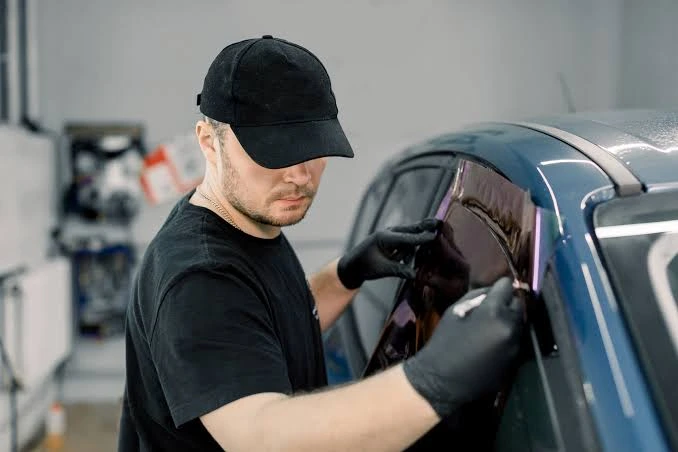
If you are wondering what the cost of car window tint could be, the quick answer is most drivers pay $100 to $500, but a lot factors could affect this. The coasts of car window tints vary according to the film, the size of the car, the number of windows having the tint, and your location. For luxury car or advanced high-performance ceramic films the prices can reach $800 and above. Price does matter, but so should quality, durability and benefits  such as UV protection and heat rejection. To summarize, here is a comprehensive guide on how much does car window tinting cost and what factors do influence the cost. Average Car Window Tinting Prices by Vehicle Type Costs of tinting cars vary widely depending on the size of the vehicle (the more windows you have the more you’ll pay). Here is what you should expect on average. Sedans Sedans are the cheapest cars to tint.the average cost: $150–$400 Typical cost: $150–$400 Why: Smaller windows, less labor Popular film options: Dyed film:low-cost, offers basic UV protection Carbon film: More effective heat reduction and more durable Ceramic film:High clarity with highest heat rejection SUVs and Trucks SUVs and trucks are more expensive because of bigger windows and more glass. Basic tint: $200–$500 Premium ceramic tint: $400–$800+ Vehicles with third-row seating or panoramic panoramic roofs glass roofs are usually on the upper end of car window tint prices. Coupes and Convertibles They have less windows but more unusual shapes. Coupes: $200–$450 Convertibles: $150–$350 Framed curved glass or frameless glass to double paned glass can increase the time and cost of tinting. Luxury and Sports Cars High-end cars typically need high-level films and installation. Average cost: $400–$1,000+ Custom work, or advanced ceramic films, can be more expensive than this due to complexity of application and quality of materials. You can also learn about Different Types Of Auto Window Tint. What Affects Car Window Tint Cost? There are a number of things that affect the price of an automotive tinting, whether for a car or a truck. 1. Type of Tint Film The film you choose is by far the biggest factor in price. Dyed tint: $50–$150 (cheapest, tends to fade as time goes by) Metalized tint: $100–$250 (good heat control, may cause signal interference) Carbon tint: $200–$300(no signal interference, good heat rejection) Ceramic tint: $300–$600+(top performance, longest life) 2. Number of Windows Front windows only: $50–$150 Full vehicle tint: $200–$600+ More windows: More film and more labor, so this increases the total cost of tinting your car windows. 3. Vehicle Size and Design The size of the vehicle and the shape of the windows (cylindrical or framed windows) will also affect price and time needed: larger windows means more time spent, which will ratchet up the value of car window tinting. 4. Old Tint Removal An additional cost of $50 to $200 is added for removal of old or faulty tint, based on the complexity. 5. Brand and Warranty High-end brands, such as LLumar or 3M, are more expensive but more likely to offer lifetime warranties, which can be a better value in the long run. 6. Installer Experience and Location Expect to pay more from certified testers and in urban areas, since demand and overhead are both higher. Austin Car Window Tint Prices: What to Expect If you’re in Austin, Texas, and considering car window tinting, understanding the local pricing trends and regulations can help you make the best decision. Plus, if you ever need car window replacement services, Austin has plenty of reliable options to keep your vehicle looking sharp and protected. Local Pricing Trends for Window Tinting In Austin, the cost of car window tinting varies depending on the type of tint, quality, and service provider. Generally, you can expect: Standard tint jobs: Usually range from $150 to $300. This includes entry-level films that offer moderate privacy and block some UV rays. High-end tint jobs: Can run from $300 up to $600 or more. These premium films offer superior heat rejection, better durability, and enhanced clarity. Popular Austin Tint Shops Austin has a vibrant market of tint shops known for quality and customer service. Some top-rated places often recommended include local favorites who specialize in heat rejection films ideal for Texas’s intense sun. These shops also provide quick turnaround and warranty options. Cost vs Value in a Hot Texas Climate Given Austin’s hot climate, investing in high-quality heat rejection window films is worth it. These films help: Lower your vehicle’s interior temperature Protect against harmful UV rays Improve fuel efficiency by reducing AC use Keep the interior of your automobile from yellowing and cracking. Spending a bit more upfront on a premium tint can save you money and headaches over time. City-Specific Regulations in Austin Austin follows Texas state laws regarding window tinting. These laws dictate: The allowable tint darkness (measured in Visible Light Transmission percentage) Which windows can be tinted and to what degree Requirements for medical exemptions if you need darker tints Before tinting your windows, it’s essential to ensure your tint complies with local laws to avoid fines and hassle. Car Window Replacement Services in Austin, Texas Besides tinting, car window replacement in Austin is another vital service for Austin drivers. Whether you’ve had a cracked windshield, broken side window, or need a full replacement, Austin offers professional services that handle: Windshield replacements Side and rear window replacements OEM and aftermarket glass options Mobile services for convenience Trusted local auto glass shops provide expert installation, quick turnaround, and insurance claim assistance to get you back on the road safely. Why Premium Tint Is Worth It in Austin Keeps your car cool in hot weather Decreases use of air conditioning, reducing fuel consumption Prevents cracking and fading of interior fabrics Enhances comfort while driving and reduces glare Texas Window Tint Laws Austin abides by the Texas state tint law, which requires that­: Visible Light Transmission (VLT) Minimum levels What windows you may tint and how dark you may make them There are medical exceptions for darker tint Professional tint installers will make sure your tint is within the legal requirements so you won’t get a ticket or have

Average Window Tinting Prices By Car Type Read More »

How Do You Unfreeze Windshield Wiper Fluid Step-by-Step

How Do You Unfreeze Windshield Wiper Fluid

How do you unfreeze windshield wiper fluid during the cold winter months? This is a common concern for drivers in colder climates where temperatures often dip below freezing. Freezing windshield wiper fluid can significantly reduce visibility, making driving hazardous. When the fluid freezes, it can block the spray nozzles and damage the washer system, leaving you unable to clean your windshield properly. That’s why it’s essential to unfreeze windshield fluid quickly to restore clear visibility and maintain safe driving conditions. Taking prompt action not only helps with immediate performance but also prevents long-term damage to your vehicle’s windshield wiper system. Does Windshield Wiper Fluid Freeze? Yes, windshield wiper fluid can freeze, especially if it’s not made for cold weather. There are two main types of windshield wiper fluid: summer formulas and winter formulas. Summer vs. Winter Windshield Wiper Fluid Summer windshield fluid is designed to clean dirt, bugs, and road grime, but it doesn’t protect well in cold temperatures. It can freeze easily when the weather drops. Winter windshield wiper fluid has special ingredients (like alcohol) that help it resist freezing. It’s made to work even in very cold weather. Freezing Temperatures Most summer windshield fluids freeze around 32°F (0°C) or a little below. Winter formulas, on the other hand, can stay liquid in much colder conditions—some even down to -20°F (-29°C) or lower. Always check the label to see the temperature range. Why Windshield Wiper Fluid Freezes If your windshield fluid is frozen, it’s usually because of one or more of these reasons: Cheap fluid – Lower-cost fluids often don’t have enough antifreeze in them and are more likely to freeze. Wrong type for the season – Using a summer formula in winter is a common reason for freezing windshield wiper fluid. Cold storage – If your car is parked outside or in an unheated garage, the fluid is more likely to freeze. Mixing fluids – If you mix a little winter fluid with leftover summer fluid, the protection might not be strong enough. What to Do if Windshield Fluid is Frozen If your windshield fluid is frozen, move your vehicle to a warmer place like a garage (if possible) to let it thaw. Don’t use the wipers until the fluid is working again—you could damage the washer pump. To avoid problems, always switch to a winter windshield wiper fluid before cold weather hits. How Do You Unfreeze Windshield Wiper Fluid? If your windshield fluid is frozen, don’t worry—it’s a common issue in cold weather, especially if the wrong type of fluid is used. Here’s how to unfreeze windshield wiper fluid safely and easily. A. Check the Symptoms Before trying to unfreeze windshield fluid, look for these signs: Fluid not spraying when you use the washer The wiper fluid pump sounds abnormal (like it’s straining or buzzing) A warning light for low fluid appears on your dashboard (can be misleading if the fluid is actually frozen, not empty) B. Step-by-Step Process to Unfreeze Follow these simple steps to unfreeze windshield wiper fluid and get your system working again: Move the Vehicle to a Warm Area If possible, park the car in a heated garage or warmer space. This helps speed up the thawing process. Start the Car and Let It Warm Up Turn on the engine and let it run for 10–15 minutes. Warm engine heat can help raise the temperature inside the car. Use the Defroster and Heat Settings Turn on the defroster and aim the heat toward the windshield area. If you know where the wiper fluid reservoir is, try to direct heat that way too. Warm Up Fluid Lines Carefully Use warm towels or a hair dryer on low heat to gently warm the area where the fluid lines run. Do not use boiling water or high heat, as this can crack plastic parts. Inspect the Reservoir and Nozzles Open the hood and check the wiper fluid reservoir for any visible ice or frost. Also, look at the washer nozzles on the hood for ice buildup. You can gently clear ice from them if needed. Important Tips Never try to spray frozen fluid—it could damage the washer pump. Once the fluid is thawed, consider replacing it with winter windshield wiper fluid that won’t freeze in cold temperatures. To prevent the issue in the future, make sure your fluid is rated for the temperatures in your area. You can also read about How To Refill Windshield Wiper Fluid. Preventing Wiper Fluid Freezing Keeping your windshield wiper fluid from freezing is important for safe winter driving. If your windshield fluid is frozen, it usually means the wrong type of fluid was used or cold weather protection steps were skipped. Here’s how to prevent it from happening again: A. Use Winter-Grade Washer Fluid Always choose a winter windshield wiper fluid rated for cold temperatures, ideally -20°F (-29°C) or lower. Do not dilute the fluid with water—even a small amount can raise the freezing point and cause problems. Look for labels that say “de-icer” or “anti-freeze” for added protection. B. Add Washer Fluid Antifreeze Additive For extra protection, especially in extreme cold, you can add a washer fluid antifreeze additive. This helps lower the freezing point even more and reduces the chance of freezing windshield wiper fluid in the reservoir or lines. C. Park in a Garage or Use a Windshield Cover Parking in a garage keeps your car and fluids warmer overnight. If a garage isn’t available, using a windshield cover can help keep snow and ice off the nozzles and wiper area, reducing the risk that your windshield fluid is frozen by morning. D. Run the Washer Fluid Regularly in Cold Weather Using your washer system now and then in cold weather helps keep the fluid moving, preventing it from sitting still and freezing in the lines. Just make sure the fluid is winter-safe before spraying it in below-freezing conditions. You should read about  Is Windshield Wiper Fluid Flammable. What to Do if Windshield Wiper Fluid Is

How Do You Unfreeze Windshield Wiper Fluid Read More »

How to Refill Windshield Wiper Fluid | A Step-by-Step Guide

How To Refill Windshield Wiper Fluid

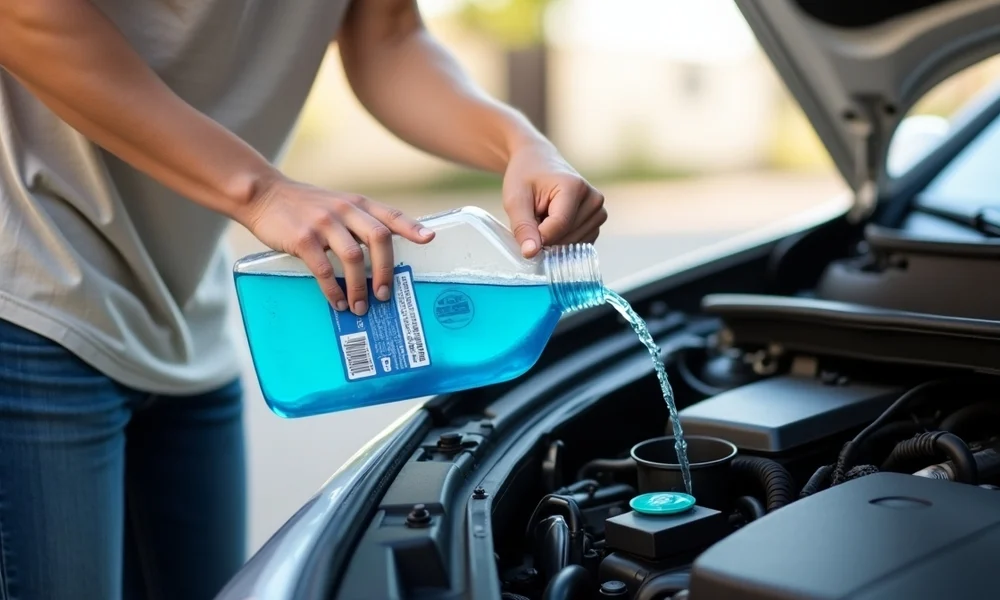
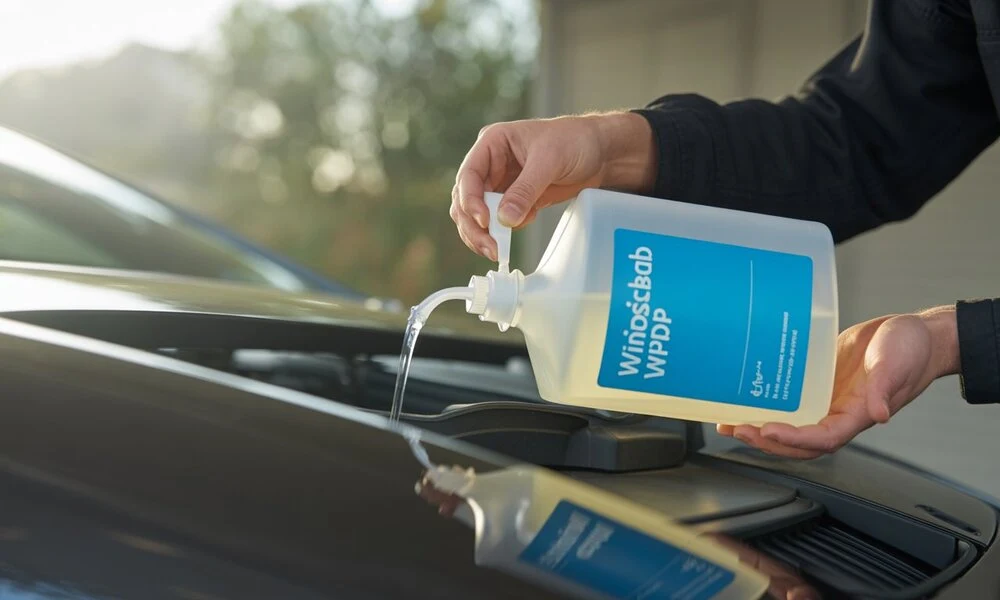
How to refill windshield wiper fluid is a simple but essential skill every car owner should know. The fluid for windshield wipers plays a critical role in maintaining clear visibility by removing dirt, debris, and grime from your windshield. Without it, driving in dusty or rainy conditions can become dangerous. Most people find themselves needing to refill washer fluid when the dashboard warning light comes on, visibility worsens, or the wipers start to drag across the glass.  Changes in seasons, especially winter and pollen-heavy spring, often lead to more frequent use of wiper fluid. In this article, we’ll cover everything you need to know: how to refill windshield wiper fluid, where to find the reservoir in your vehicle, and whether alternatives like water are safe or recommended. What is Windshield Wiper Fluid and Why It Matters When it comes to vehicle maintenance, most drivers remember the big-ticket items like oil changes or tire rotations. But something as simple as windshield wiper fluid plays a critical role in your safety on the road. Clean, unobstructed visibility is vital for safe driving, and that’s exactly where windshield wiper fluid comes in. The Role of Wiper Fluid in Vehicle Maintenance Windshield wiper fluid is a specially formulated solution used to clean your vehicle’s windshield. It’s dispensed through small nozzles onto the glass and wiped clean by your wipers. This may seem like a minor feature, but its role in vehicle maintenance is more important than many realize. Without regular windshield wiper fluid refills, dirt, grime, bird droppings, bugs, and road salt can accumulate on your windshield, reducing visibility and potentially leading to dangerous driving conditions. A clean windshield also helps extend the life of your wiper blades and prevents scratches that can occur when wiping dry or dirty glass. Different Types of Wiper Fluids Choosing the right wiper fluid depends on your driving environment and the season: Summer Formula: Designed to remove bug splatter, road tar, and general dirt. These fluids often contain detergents that cut through grime. Winter Formula: Contains antifreeze agents like methanol or ethylene glycol to prevent freezing in cold temperatures and help remove road salt and ice. Bug Remover Fluid: Enhanced with special cleaners to break down bug residue that’s harder to remove with standard formulas. All-Season Blends: A versatile option that works well in most weather conditions. No matter the type, making sure your vehicle has a regular windshield wiper fluid refill ensures you’re prepared for changing road conditions. Safety and Visibility Benefits A clean windshield is essential for safe driving, especially during rainstorms, snow, or dusty conditions. Without effective wiper fluid, your wipers can smear dirt across your windshield rather than remove it, significantly impairing your view. Refilling your windshield wiper fluid isn’t just about cleanliness—it’s about driver and passenger safety. Poor visibility is a leading cause of accidents, and something as basic as a windshield wiper fluid refill can be the difference between a clear view and a dangerous blind spot. You can read about Is Windshield Wiper Fluid Flammable. Where to Put Windshield Wiper Fluid: A Step-by-Step Guide If you’ve ever found yourself with a dry windshield or streaky wipers, it may be time for a refill washer fluid. But before you grab a bottle of fluid, it’s important to know where to put windshield wiper fluid to ensure it’s going into the right place. One minor but crucial aspect of regular auto maintenance is knowing how to correctly refill your washer fluid. Here’s a simple guide to help you locate the windshield washer fluid reservoir and ensure you’re filling it up correctly. Step-by-Step Directions to Locate the Reservoir Open the Hood of Your VehicleOpening your car’s hood is the first step. Locate the hood release latch, which is often found close to the footwell on the driver’s side of the car. After releasing it, raise the hood and use the prop rod to secure it, if needed. Locate the Windshield Wiper Fluid Reservoir The windshield wiper fluid reservoir is typically located near the engine, near the back of the engine bay. It’s often to the side of the car, close to the windshield, for easy access. In many vehicles, the reservoir is situated on the driver’s side. Identify the Cap with the Windshield/Wiper Symbol Most vehicles have a clear, plastic reservoir that is easy to spot. Look for a cap with a symbol that resembles a windshield with water splashing on it. This symbol is usually marked in blue or black, making it easy to identify even for first-time users. The cap itself is often translucent, allowing you to see the level of fluid inside. Unscrew the Cap Once you locate the right cap, unscrew it. If your cap is tight or hard to remove, it may have a locking mechanism. Gently twist or pull to open it. Add the Fluid After removing the cap, you’re ready to refill washer fluid. Pour the fluid slowly into the reservoir. Most vehicles will have a “full” line inside the reservoir to show you the correct level. Don’t overfill it—leave a little space at the top to avoid spillage. Secure the Cap After adding the fluid, carefully replace the cap and ensure it’s securely fastened. You’re finished when you close the car’s hood! Why It’s Important to Refill Washer Fluid Properly maintaining your windshield wiper fluid reservoir is crucial for keeping your windshield clean and ensuring clear visibility while driving. During heavy rain, winter months with road salt, or even after a dusty drive, a refill washer fluid can make a huge difference in your ability to see the road clearly. If you neglect to refill washer fluid, your wipers could end up streaking dirt and debris across the glass, further obstructing your view. Additionally, running low on wiper fluid could damage your wiper pump, which is costly to repair. How to Refill Windshield Wiper Fluid in Easy Steps Refilling your windshield wiper fluid is a simple but important task in vehicle maintenance. Having enough fluid

How To Refill Windshield Wiper Fluid Read More »

What Kind of Windshield Wipers Do I Need? Find Out Now

What Kind Of Windshield Wipers Do I Need

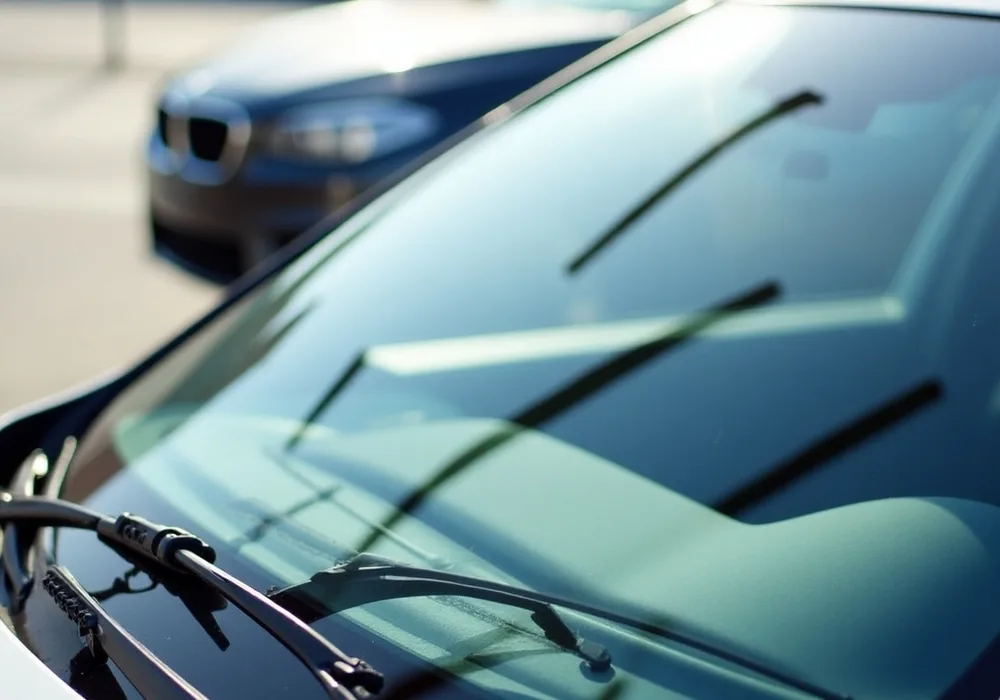
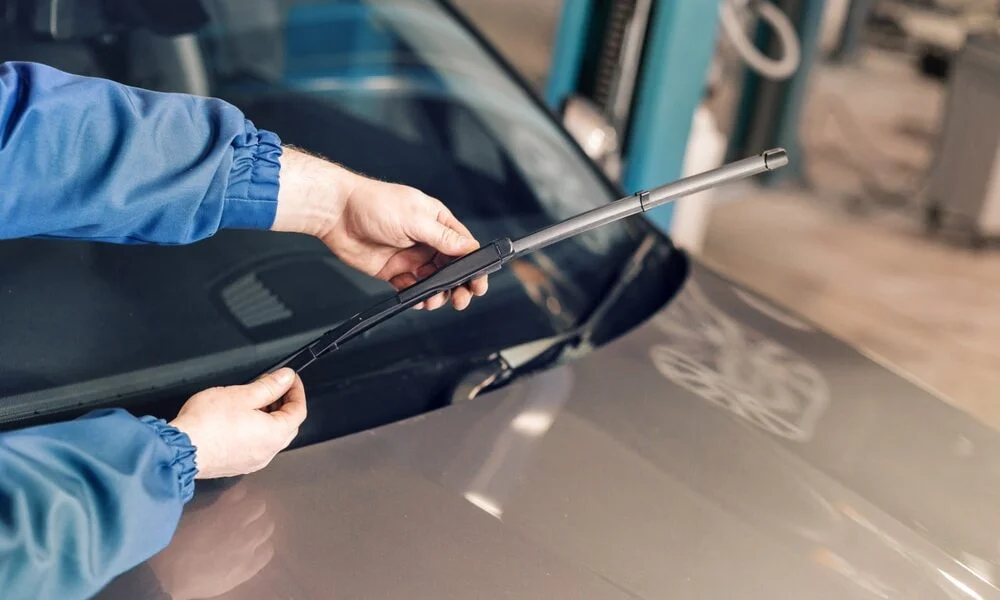
What kind of windshield wipers do I need? It’s a question every driver should ask to ensure clear visibility and safe driving, especially in adverse weather conditions. Despite appearing to be a little part of your car, windscreen wipers are essential for preserving visibility in the event of rain, snow or dust storms. Choosing the right type of wiper blades isn’t just about fit—it’s about performance, durability, and safety. When exploring your options, you’ll find a wide range of products, from affordable wiper blades for budget-conscious drivers to the best value wiper blades that balance cost and long-lasting performance. Understanding which type suits your driving needs and environment will help you make a smart, safe investment in your vehicle’s maintenance. Traditional Frame-Style Wipers Description:These are the most widely used and traditional wiper blades; they have a rubber blade housed in a metal frame. The frame applies pressure through pivot points. Pros: Usually the least expensive wiper blades available. Widely available and compatible with most older and economy vehicles. Easy to replace. Cons: Susceptible to snow and ice buildup. Less uniform pressure on the windshield, which can lead to streaking. Shorter lifespan compared to other types. Best Use Cases: Mild to moderate climates where snow and ice are not a major concern. Older vehicle models or budget-conscious drivers seeking affordable wiper blades. 2. Beam-Style Wipers Description:These are made from a single piece of rubber or silicone, without an external frame. They provide consistent pressure across the entire blade length. Pros: Excellent performance in extreme weather (snow, ice, heavy rain). Sleek, modern design reduces wind lift at high speeds. Longer lifespan and better wiping performance. Cons: Generally more expensive – considered premium wiper blades. Not all car types may be able to use it without adapters. Best Use Cases: Harsh weather conditions, including icy winters and rainy climates. Modern vehicles that require high-performance premium wiper blades. Ideal for drivers prioritizing durability and visibility. 3. Hybrid Wipers Description:Hybrid wipers combine the aerodynamic and streamlined design of beam-style blades with the structural integrity of conventional frame wipers. They often have a protective shell over the frame. Pros: Blend of durability, weather resistance, and wiping performance. More uniform pressure distribution than traditional blades. Suitable for a wide range of vehicles. Cons: Slightly more expensive than traditional blades, but generally less than premium beam wipers. Heavier than beam wipers, which may affect performance slightly. Best Use Cases: Variable climates – perform well in both rain and light snow. Mid-range vehicles where a balance of performance and cost is needed. Great for drivers wanting a step up from affordable wiper blades without fully investing in premium wiper blades. You can read about Is Windshield Wiper Fluid Flammable. How to Choose the Right Size Windshield Wipers 1. Understanding Wiper Blade Sizing and Fitment Windshield wipers are not one-size-fits-all. Each vehicle typically uses two different sizes—one for the driver’s side and one for the passenger’s side. Some vehicles also have a rear wiper. The correct size ensures proper coverage and effective performance. A blade that is too short may leave large areas of the windshield unwiped. A blade that is too long may overlap or miss proper contact, causing streaks or damage. Choosing the correct size is key to getting the best value wiper blades that offer both longevity and performance. 2. How to Find the Correct Size Check Your Owner’s Manual The most reliable place to find the correct wiper sizes for your vehicle. It will list the required lengths for both front and rear wipers. Visit the Vehicle Manufacturer’s Website Most car manufacturers have online resources where you can search for recommended wiper sizes using your vehicle’s make, model, and year. Use Online Lookup Tools Many auto parts retailers and websites offer easy-to-use wiper size lookup tools. Just enter your vehicle details to get the exact size: AutoZone Advance Auto Parts Rain-X or Bosch websites Amazon’s “Garage” feature These tools often categorize options by best value wiper blades and affordable wiper blades, helping you compare price and performance. Ask at Auto Parts Stores In-store look-up guides or assistance from staff can quickly help you find the right size. Most stores also allow you to test fit the wiper blades before purchase. 3. Common Mistakes to Avoid Guessing the size: Even a 1-inch difference can cause poor wiping or damage. Assuming both blades are the same size: In most vehicles, they’re different lengths. Ignoring rear wiper size: If your car has a rear wiper, be sure to check its size separately. Focusing only on price: Cheaper doesn’t always mean better. Look for affordable wiper blades that still offer decent durability and warranty to ensure value. 4. Choosing the Best Value Wiper Blades When balancing performance and price: Affordable wiper blades are ideal for mild climates and low-mileage driving. Look for well-reviewed budget brands. Best value wiper blades may cost a little more but offer longer life, better materials, and often come with warranties—ideal for moderate climates or frequent driving. Final Tip: Replace Both Blades Together Even if only one blade is worn, replacing both ensures even wiping and reduces wear on your windshield. Many retailers offer discounts when buying pairs, giving you more best value wiper blades options. You should know about How To Replace Windshield Wiper Motor. Factors to Consider When Choosing Windshield Wipers Climate and Weather Conditions One of the most crucial considerations for selecting the appropriate wiper blades is the weather: Dry or Mild Climates Standard rubber blades are often sufficient. When replaced on a regular basis (every 6 to 12 months), inexpensive wiper blades can function well under these settings. Rainy Climates Better contact and water removal are provided by hybrid or beam-style wipers. Look for water-repellent coatings for added visibility. Cold, Snowy, or Icy Climates Choose winter-specific wipers or beam-style blades with an enclosed design to prevent ice buildup. Silicone blades remain flexible in freezing temperatures and offer better durability—ideal for best value wiper blades in harsh winters. Driving Habits and Environment

What Kind Of Windshield Wipers Do I Need Read More »

How to Change a Windshield Wiper Arm | Step-by-Step

How To Change A Windshield Wiper Arm

How to change a windshield wiper arm is a skill every driver should know, especially when dealing with worn or damaged components. The windshield wiper arm plays a crucial role in maintaining clear visibility during rain, snow, or other adverse weather conditions by holding the wiper blade in place and ensuring it moves effectively across the windscreen. Over time, the windscreen wiper arm can become bent, corroded, or lose tension, making it essential to replace the windshield wiper arm promptly. Driving with a faulty wiper arm can impair your vision, increasing the risk of accidents, particularly in poor weather. In this article, we’ll explain why a functional wiper arm is vital for safety, guide you step-by-step on how to replace a windshield wiper arm, and offer tips to ensure proper installation and maintenance. When Should Windscreen Wiper Arms Be Replaced? The windscreen wipers on your car are crucial for preserving vision in inclement weather, such as rain and snow. While wiper blades are often replaced regularly, the windshield wipers arm replacement is less frequent—but just as important when needed. Signs Your Windshield Wiper Arm Needs Replacement Streaking or Skipping If your wipers are leaving streaks or skipping across the windshield even after installing new blades, the issue might lie with the arm itself. A worn or misaligned arm won’t maintain proper pressure, causing poor contact with the glass. Loose or Broken Arm A broken wiper arm or one that wobbles or fails to move correctly likely needs replacement. A loose connection can prevent the wiper from clearing the windshield effectively or even cause it to stop working entirely. Corrosion or Bending Over time, exposure to the elements can cause the wiper arm to rust or bend. Corrosion can weaken the metal, and a bent arm may not follow the windshield’s contour, leading to inefficient wiping. Wiper Blades vs. Entire Arm: What’s the Difference? Replacing wiper blades involves swapping out just the rubber portion that makes contact with the glass. In contrast, windshield wipers arm replacement is necessary when the metal arm holding the blade fails due to damage, wear, or mechanical issues. If you’re unsure whether it’s the blade or the arm, a quick inspection by a professional can help determine the culprit. Why Timely Replacement Matters Neglecting a broken wiper arm can compromise your visibility and driving safety, especially during bad weather. Replacing the arm promptly ensures consistent pressure, smooth motion, and clear visibility, reducing the risk of accidents. You can read about Windshield Wiper Scratch Repair. What Are the Different Types of Windshield Wiper Arms? When replacing a broken windshield wiper arm, it’s essential to understand the different types of wiper arm designs. Each type connects to the blade in a specific way, affecting compatibility with replacement parts. Common Types of Windshield Wiper Arms Hook-Type This is the most common wiper arm style. It has a curved end that resembles a hook, making it easy to install and secure most standard wiper blades. If you have a broken wiper arm of this type, replacements are typically widely available. Pin-TypeA tiny pin that fits into the blade adapter is used by the pin-type arm. These are often found on older vehicles or European models. Identifying a broken windshield wiper arm with a pin-type connection usually requires checking the pin diameter for proper blade fit. Bayonet-Type Bayonet-style arms have a straight end that slides into the blade and locks in place with a tab. These arms are less common today but still found on some vehicles. Replacing a broken wiper arm of this type may involve a specific blade locking mechanism. Side-LockThe side of the arm that attaches to the blade of a side-lock arm has a locking mechanism. This type is often found on modern vehicles. When dealing with a broken windshield wiper arm, make sure to find a compatible side-lock adapter for the new blade. How to Identify Your Vehicle’s Wiper Arm Type To identify your wiper arm type: Check the owner’s manual. Examine the end of the arm where it attaches to the blade. Search your vehicle’s make, model, and year online for compatibility guides. Recognizing the correct type is crucial—using the wrong blade for your arm type can result in improper installation or performance. Compatibility with Wiper Blades Each arm type is designed to work with specific blade adapters. If you’re replacing a broken wiper arm, ensure the new arm and wiper blades are compatible to maintain optimal windshield cleaning performance. You should also read about Why Does My Windshield Wipers Squeak. How to Change a Windshield Wiper Arm (Step-by-Step Instructions) Replacing a broken wiper arm is a straightforward DIY task that can restore your wipers’ performance and keep your windshield clear. Whether you’re dealing with a damaged unit or upgrading, follow these steps for a successful windshield wipers arm replacement. Step 1: Park and Turn Off the Vehicle Make sure you are parking your car on a level surface. For safety, turn off the ignition and take out the keys. It’s best to perform the replacement in daylight or a well-lit area. The second step is to remove the old wiper arm from the windscreen. Lift the wiper arm up and away from the window with caution. Most arms will stay upright due to spring tension. Be gentle to avoid snapping the spring or scratching the windshield. Step 3: Remove the Retaining Nut or Locking Mechanism Find the mounting location at the wiper arm’s base. You’ll typically find: A retaining nut (commonly hidden under a plastic cap), or A locking clip or button on newer models. Use a socket wrench or screwdriver to loosen the nut or disengage the clip. Step 4: Carefully Detach the Wiper Arm Wiggle the arm gently side-to-side while pulling it away from the pivot. If it’s stuck due to rust or debris, apply a small amount of penetrating oil and wait a few minutes before trying again. This is a common issue with an older or broken wiper arm.

How To Change A Windshield Wiper Arm Read More »

How to Replace Windshield Wiper Motor | Step-by-Step Guide

How To Replace Windshield Wiper Motor | Step-by-Step Guide

How To Replace Windshield Wiper Motor is a task you can handle if you follow the right steps and safety rules. In most cars, the job takes one to two hours and basic tools. The key is to confirm the motor is bad before replacing it and to install the new motor in the correct parked position. If your windshield wipers stopped working, moved slowly, or parked in the wrong spot, the wiper motor may be the issue. This guide explains how the system works, how to diagnose faults, and how to replace the motor without causing damage. What Does a Windshield Wiper Motor Do? A windshield wiper motor is a small electric motor that moves your wipers across the glass. It connects to a linkage or transmission that turns motor rotation into back-and-forth motion. When you turn the wiper switch, power flows from the battery through a fuse and relay to the motor. The motor spins and moves the wiper arms at low or high speed. Most modern cars use a DC motor with built-in park control. This lets the wipers stop at the bottom of the windshield. There are two main setups: Front windshield wiper motor for the main glass Rear wiper motor for hatchbacks and SUVs Each setup has different access points and steps. What Can Go Wrong with a Windshield Wiper Motor? Most drivers think that if the wipers stop moving, the motor is dead. This is not always true. Sometimes the wiper motor replacement is the last thing you need. Problems often start in the wiring or the mechanical joints. One common issue is seized linkage bushings. Over time, dirt and salt get into the metal joints of the transmission. This makes it very hard for the motor to move the arms. If you hear a humming sound but nothing moves, your motor might be trying to work against a stuck linkage. Another frequent failure is the internal park switch. This tiny part inside the motor tells the blades when to stop at the bottom of the glass. If this switch fails, your wipers might stop right in your field of vision or refuse to turn off at all. This is a clear sign you need a windshield wiper motor replacement. How to Identify a Faulty Windshield Wiper Motor Before you spend money on parts, you must be sure the motor is the problem. Many people buy a new motor only to find out they had a blown fuse. Follow these diagnostic steps to save time and money. Check the Fuse and Relay Open your fuse box. Look for a fuse labeled “Wiper” or “WASH.” If the metal wire inside the fuse is broken, replace it with one of the same color and number. If the fuse is fine, check the wiper relay. A bad relay can prevent power from reaching the motor. You can often swap the wiper relay with a matching one from the horn or AC to see if the wipers start working. The Multimeter Test If the fuses are good, it is time to test for 12 volts at the motor itself. Locate the electrical connector on the motor. Unplug the harness. Turn the ignition on and set the wipers to “High.” Use a multi-meter set to DC volts. Touch the red probe to the power pin in the harness and the black probe to a clean ground wire or metal part of the frame. If the meter shows 12 volts but the motor doesn’t move when plugged in, the motor is faulty. Inspect the Splines Sometimes the motor is spinning, but the blades aren’t moving. This often happens because the splines (the tiny teeth) on the pivot shaft have stripped. If the nut holding the wiper arm is loose, the arm will just slide over the teeth instead of moving with them. Tools and Safety Checklist Before You Start Prepare first to avoid mistakes. Basic tools Socket set Screwdrivers Wiper arm puller Trim removal tool Multimeter Safety steps Park the car on level ground Turn ignition off Disconnect the battery Mark wiper arm position with tape Disconnecting the battery protects electronics and airbag sensors near the cowl. Steps How To Replace Windshield Wiper Motor Now that you are sure the motor is bad, follow these steps to install the new one. Work slowly to avoid cracking your windshield or breaking plastic clips. 1. Mark Your Alignment Before removing anything, place a small piece of painter’s tape on the glass where the blades sit. This helps with spline alignment later. If you don’t do this, your wipers might slap the side of the car or sit too high when you finish. 2. Remove the Wiper Arms Pop off the plastic nut cover at the base of each arm. Use your socket to remove the nut. If the arm is stuck, do not pry against the glass. Use a wiper arm puller or gently wiggle the arm at the hinge until it pops off the pivot shaft. 3. Take Off the Cowl The cowl is the plastic grill between the hood and the glass. It is held by cowl clips or small screws. Carefully remove these and lift the cowl away. Be careful with the washer fluid hoses; you may need to unplug them to move the cowl out of the way. 4. Disconnect and Unbolt the Motor Find the electrical plug and press the tab to pull it out. Next, unbolt the motor from the car frame. In most cars, the motor is attached to the wiper transmission by one main bolt. Unbolt this link and lift the motor out. 5. Prepare the New Motor This is the most important step. Most new motors do not come in the “park” position. Plug the new motor into the wiring before installing it. Turn the car on and cycle the wipers once. Let the motor stop on its own. Now the motor is in the correct park position. 6. Installation Bolt the

How To Replace Windshield Wiper Motor | Step-by-Step Guide Read More »

Are Windshield Distortions Common in New Cars Explained

Are Windshield Distortions Common In New Cars

Windshield distortion happens more often than most drivers realize. About 15-20% of new vehicles have minor optical irregularities that go unnoticed during delivery inspections. These distortions stem from manufacturing shortcuts, aggressive curved designs, or quality control gaps in mass production. Are Windshield Distortions Common In New Cars? While severe distortions remain rare in factory-installed glass, mild wave patterns and edge warping affect roughly 1 in 6 new vehicles. The issue becomes more pronounced in aftermarket replacements where quality standards vary widely. What Is Windshield Distortion? A distorted windshield happens when light does not pass through the glass in a straight line. Think of a funhouse mirror. It makes things look bent or stretched. Your car glass should be perfectly flat and clear. But during making, the glass is heated and bent. If this process is not perfect, the glass gets tiny waves. You might see a wavy windshield when you look through it at an angle. These waves change how you see the road. It can make a straight lane line look like a snake. This is more than just a visual bug. It affects how your brain tracks objects while you drive. At Texas Reliable Auto Glass, we see this most often in the corners of the glass. Types of Windshield Distortion Not all glass flaws look the same. Experts group them into four main types. Knowing these helps you explain the problem to your dealer. Edge Distortion This is the most common type. It stays near the outer edges of the glass. Most modern cars have very curved glass for style. This curve can bend light at the very bottom or sides. Most drivers never notice it because they look straight ahead. Wave or Ripple Distortion This is what people call a wavy windshield. It looks like ripples on a pond. You see it most when you move your head from side to side. It can show up in the middle of your view. This is a serious flaw and should not be there. Optical Bending This makes objects look like they are in the wrong spot. A stop sign might look a few inches higher than it really is. This happens when the glass thickness is not even. It is very dangerous for judging distance. Zoning Distortion This is when one part of the glass is clear but another part is blurry. You might see squiggly lines on windshield glass in just one small patch. It usually comes from uneven cooling at the factory. Stress Distortion  appears as rainbow-like patterns or colorful halos, especially visible when wearing polarized sunglasses. This indicates internal stress in the glass structure, often from improper cooling or installation pressure. Are Windshield Distortions Common in New Cars? Factory windshields come with built-in quality advantages, but that doesn’t make them immune to problems. Major automakers recalled over 47,000 vehicles in 2024 alone due to windshield defects. Ford recalled 32,000 F-150 trucks after discovering improper adhesive application that created optical irregularities. Honda issued a technical service bulletin for HRV models experiencing spontaneous stress cracks that distorted vision before complete failure. Tesla faced criticism in 2023-2024 for windshield distortion complaints on Model 3 and Model Y vehicles. Owners reported wavy windshield effects concentrated in the driver’s sight line, attributed to aggressive curve angles that prioritize aerodynamics over optical clarity. The Reality of Factory Glass Quality New car windshields undergo inspection, but human error affects results. Assembly line workers check hundreds of vehicles daily, making it easy to miss subtle defects. Time pressure and production quotas sometimes override thorough quality verification. OEM (Original Equipment Manufacturer) glass must meet Federal Motor Vehicle Safety Standard 205. However, this standard focuses primarily on impact resistance and penetration protection. Optical clarity standards allow more variation than most drivers would prefer. Premium brands like Lexus, BMW, and Mercedes-Benz use acoustic laminated glass with stricter optical tolerances. Economy vehicles often receive standard laminated glass where minor distortions pass inspection. How Common Are Windshield Distortions in New Cars? Industry data from the National Windshield Repair Association shows that 12-18% of new vehicles have measurable optical distortion. Most of these cases involve edge distortion that drivers never notice. Severe distortion affecting the primary viewing area occurs in approximately 2-3% of new vehicles. This rate jumps to 8-12% for aftermarket replacements when low-quality glass is used. Insurance claim data reveals interesting patterns. Distortion complaints spike 3-4 months after vehicle purchase, suggesting drivers need time to recognize the problem. Many assume the visual oddity is normal until they drive another vehicle and notice the difference. Why Some Brands Have More Issues Vehicles with steeply raked windshields (angles less than 30 degrees from horizontal) show higher distortion rates. This includes many crossovers and sport sedans designed for aerodynamic efficiency. Larger windshields also increase distortion probability. The more glass area that needs uniform thickness, the harder it becomes to maintain optical consistency. Full-size trucks and SUVs with panoramic windshields report distortion more frequently. Cars manufactured during production shifts or model year changes show elevated defect rates. When factories retool or train new workers, quality control sometimes suffers temporarily. Windshield Distortions Causes | What Leads to a Wavy Windshield? Multiple factors contribute to that frustrating new windshield looks distorted problem: Curved Design Demands Modern vehicles feature more aggressive windshield angles for fuel efficiency and aesthetics. Each additional degree of curve increases distortion risk by approximately 3-5%. The glass must bend in multiple directions simultaneously, creating stress points that affect optical properties. Mass Production Variables Even with automated systems, temperature fluctuations in manufacturing facilities affect glass properties. A 10-degree difference in ambient temperature can alter how glass flows during forming. Summer-produced windshields sometimes differ from winter batches. Installation Angle Issues When technicians install windshields at incorrect angles, even perfect glass develops distortion. The urethane adhesive must cure with the glass at the exact specified angle. Rushed installations that don’t allow proper settling create lasting optical problems. Adhesive Quality Problems Cheap urethane adhesive can shrink unevenly during curing, pulling the glass

Are Windshield Distortions Common In New Cars Read More »

How Much To Replace A Windshield Without Insurance

How Much To Replace A Windshield Without Insurance

How much to replace a windshield without insurance is a common question for drivers facing unexpected glass damage. Without insurance coverage, you’re responsible for the full amount out of pocket, making it essential to understand your options and costs. The windshield replacement cost with no insurance typically ranges from $200 to $600 or more, depending on your vehicle type, the glass used, and any advanced safety features. The final cost to replace a windshield without insurance can vary widely based on these factors, so knowing what influences the price can help you budget better and avoid surprises. How Much to Replace a Windshield Without Insurance The price of replacing a windscreen without insurance usually varies from $200 to more than $600, depending on the brand, model, and installed features of your car. The cost of premium automobiles or those equipped with advanced driver assistance systems (ADAS) can reach $1,000 or higher. Average Cost Breakdown by Vehicle Type Standard Sedans (e.g., Toyota Corolla, Honda Civic): Expect to pay around $200–$350. These models use common glass types that are widely available, making them more affordable. SUVs & Trucks (e.g., Ford F-150, Chevy Silverado): The cost to replace the windshield without insurance for these larger vehicles runs between $300–$500, due to the size and complexity of installation. Electric and luxury vehicles (such as BMW, Tesla, and Audi):: For these vehicles, cheap windshield replacement no insurance is harder to find. Prices can jump to $500–$1,200, especially if recalibration for ADAS is required. Why Many Drivers Pay Out of Pocket Many drivers choose to pay the windshield replacement cost without insurance because: High deductibles often exceed the cost of basic replacement. Filing a claim can increase future premiums. Some insurance policies don’t cover full glass replacement. That’s why cheap windshield replacement with no insurance is a growing demand — especially for older vehicles where replacement is straightforward and affordable. Factors Influencing the Cost of Windshield Replacement If you’re dealing with a cracked or shattered windshield, understanding what drives the price up or down can help you better estimate the windshield replacement cost without insurance. Below are the key factors that affect how much you’ll pay out of pocket: 1. Vehicle Make and Model The cost of replacing your windscreen without insurance largely depends on the brand and model of your car. Standard Vehicles (e.g., Toyota Camry, Honda Accord) These usually have simpler glass designs and cost less to replace — typically between $200 and $350. Luxury Vehicles (e.g., BMW, Mercedes-Benz, Tesla) Expect higher replacement costs, often ranging from $500 to $1,200, due to specialized glass and additional tech features. 2. Type of Glass Used: OEM vs Aftermarket OEM (Original Equipment Manufacturer) Glass Matches your car’s original specs but comes with a higher price tag. It ensures a perfect fit but increases the windshield replacement cost without insurance. Aftermarket Glass more popular and reasonably priced windscreen replacement services that don’t require insurance. It may vary slightly in quality but can cut costs by 20–30%. 3. ADAS Recalibration Requirements Modern vehicles are equipped with Advanced Driver Assistance Systems (ADAS) such as lane departure warnings, automatic braking, or adaptive cruise control. Replacing the windshield on these vehicles often requires camera or sensor recalibration, which can add $150 to $400 to your total bill. So, if your vehicle includes ADAS, the windshield replacement cost no insurance will be significantly higher. 4. Labor and Service Location In-Shop Services Typically more affordable, with fewer travel-related charges. Mobile Services Offer convenience by coming to you, but may cost slightly more due to additional labor and travel time. Your location also plays a role — urban areas generally have higher labor rates, which affect the total windshield replacement cost without insurance. 5. Urgency or Same-Day Service Need it done immediately? Emergency or same-day services can come with a rush fee of $50 to $100 or more. If time isn’t a factor, booking a standard appointment can help you save. You can also read about windshield replacement in Austin Texas. Average Cost of Windshield Replacement Without Insurance in Austin Depending on your vehicle’s kind and the features it has, a windscreen repair without insurance in Austin often costs between $200 and $600. If you don’t have glass coverage, understanding what affects pricing helps you find the best deal and avoid overpaying. Windshield Replacement Cost by Vehicle Type Here’s a breakdown of the average cost to replace a windshield without insurance in Austin based on common vehicle types: Vehicle Type Estimated Price Range (Austin) Sedan (e.g., Honda Civic, Toyota Camry) $200 – $350 SUV (e.g., Toyota RAV4, Ford Escape) $250 – $450 Truck (e.g., Ford F-150, Chevy Silverado) $300 – $500 Luxury/Electric (e.g., Tesla, BMW, Audi) $500 – $1,200+ What Affects Windshield Replacement Cost in Austin? Several factors can increase or lower your windshield replacement cost without insurance in Austin: Vehicle Make & Model: Luxury and electric cars like Teslas or BMWs have more expensive windshields than standard sedans. Glass Type: OEM glass is pricier than aftermarket options but offers an exact match. ADAS Technology: Cars with advanced safety systems require camera recalibration, adding $150–$400 to your bill. Service Type: Mobile services are convenient in Austin traffic but may charge slightly more than in-shop replacements. Regional Pricing in Austin Austin’s growing population and demand for quick, reliable service can influence pricing for auto glass work. In high-traffic areas like Downtown Austin, South Congress, or The Domain, labor costs may be slightly higher due to convenience and accessibility. Nonetheless, Texas Reliable Auto Glass is still dedicated to offering reasonably priced, superior solutions. Even if you’re paying out of pocket, we offer cheap windshield replacement with no insurance—without cutting corners on materials or workmanship. Windshield Repair vs Replacement Cost Without Insurance When you notice a crack or chip on your windshield, the first question that comes to mind is: Can it be repaired, or does it need full replacement? Understanding the difference helps you choose the right option — especially if you’re covering the cost yourself.

How Much To Replace A Windshield Without Insurance Read More »

How Long to Leave Tape on After Windshield Replacement?

How Long To Leave Tape On After Windshield Replacement

How long to leave tape on after windshield replacement is usually 24 to 48 hours, depending on the adhesive type and weather conditions. Often referred to as windscreen repair tape or windscreen tape, this tape aids in keeping the glass in place while the seal cures. Leaving the tape on ensures that dust, moisture, or air doesn’t interfere with the bonding process. It also prevents the windshield from shifting due to driving or sudden movement. Removing it too early can cause leaks, poor sealing, or even a loose fit. Curing time is crucial for safety and long-term durability. That’s why experts recommend keeping the tape on until the adhesive is fully set. Why Use Tape in Windshield Replacement? Tape plays a critical role in windshield replacement—even if it looks like a small step, it makes a big difference in how well your new windshield performs over time. 1. Role of Tape in Stabilizing the New Windshield After a new windshield is installed, windshield repair tape is used to hold it in place while the adhesive cures. This helps prevent any shifting due to vibrations, driving, or wind pressure. The tape ensures the glass stays aligned with the vehicle’s frame, keeping everything tight and secure. 2. Protection Against Moisture, Dust, and Shifting One major reason professionals apply tape on windshield after replacement is to protect the fresh seal from outside contaminants. The adhesive used for windshield bonding is sensitive during the curing process. Dust, water, and even small debris can weaken the seal. The tape acts as a barrier to keep all that out. 3. Ensures Adhesive Seal Cures Correctly Adhesive curing is what actually “locks in” your windshield for long-term safety. The tape on windshield time after replacement usually ranges from 24 to 48 hours, depending on the type of adhesive used. Leaving the tape in place for the recommended time helps ensure the urethane sets properly—making the bond strong enough to handle weather, speed, and accidents. You can also read about What If It Rains After Windshield Replacement. How Long to Leave Tape on After Windshield Replacement After replacing the tape, you should leave it on your windscreen for 24 to 48 hours. This timeframe allows the adhesive used during installation to properly cure and set, securing your new windshield in place for long-term durability and safety. Standard Time Recommendation: 24 to 48 Hours Professional auto glass installers agree that 24 hours is the bare minimum, while 48 hours offers the safest curing window. This tape isn’t just there to look like the job’s still in progress—it serves a real purpose in protecting the seal as it dries. So, if you’re wondering about the tape on windshield time after replacement, just know that the longer it stays on within that safe window, the better your results. Tips From Auto Glass Professionals Here are a few simple but important reminders: Park indoors if possible, to reduce exposure to rain, sun, or wind. Avoid driving on bumpy roads or slamming your car doors, as sudden shocks can misalign the glass. Don’t touch or adjust the tape for windshield after installation, even if it starts to peel slightly. Some technicians might use masking tape, while others use high-resistance glass tape—both are designed to hold the glass steady while the adhesive cures. What Happens If the Tape Is Removed Too Early? Taking the tape off before the recommended time can cause a variety of problems: Misalignment: The windshield may shift out of place, even slightly, which can lead to wind noise, leaks, or unsafe fitting. Seal failure: Exposure to moisture, dirt, and even pollen before the adhesive fully cures can compromise the seal. Weakened bond: An improperly cured adhesive might not hold up in the event of an accident or rollover. Bottom line: even if the tape looks unnecessary, it’s your windshield’s first line of defense in the curing stage. It supports the glass, seals out debris, and ensures long-term safety. Final Advice from the Pros When you get your windshield replaced, ask your technician how long to leave the tape on—and follow their instructions closely. Most shops, like Texas Reliable Auto Glass, use top-grade adhesives and professional tape for windshield replacements, but even the best materials need time to work. Leaving the tape on for just a bit longer can help avoid rework, leaks, and future repairs. What Can Affect Curing Time? Curing time after a windshield replacement isn’t always the same. Several factors can influence how quickly the adhesive sets and how long you need to leave the windshield replacement tape in place. Understanding these factors can help you avoid issues like leaks, misalignment, or seal failure. Weather Conditions: Temperature, Humidity, and Rain Temperature and humidity play a major role in how fast the adhesive cures. Hot, dry weather usually helps the adhesive set faster. Cold or humid conditions can slow down the curing process, sometimes requiring extra hours or even an extra day. If it rains shortly after installation, moisture can interfere with the bonding process unless the windshield replacement tape is properly applied. In such cases, professionals often recommend extending the tape on windshield time after replacement to ensure a strong seal forms completely. Type of Adhesive Used (Urethane vs. Others) Most auto glass shops use urethane adhesive, which is known for its strength and quick bonding time. However: Fast-cure urethane may dry within 1 hour, but it still benefits from the added security of tape. Standard urethane often requires a full 24–48 hours to completely cure. Different adhesives have different cure windows, and using the right tape on windshield helps protect that bond while it’s stabilizing. Driving Immediately After Installation Driving too soon can disrupt the curing process. Even if your installer says it’s safe after one hour (common with fast-cure adhesives), the windshield replacement tape should remain on the vehicle: It prevents minor shifts caused by vibrations and wind pressure. It supports the adhesive as it sets deeper, even while you’re on the move. If you

How Long To Leave Tape On After Windshield Replacement Read More »

Scroll to Top