
Reliable Auto Glass

Windshield Replacement

Shattered Rear Window

Shattered Rear Window? Causes, Fixes & What to Do Next

A shattered rear window can happen without warning. One moment your car is fine, and the next you’re dealing with broken glass, stress, and safety concerns. Many drivers feel confused about what caused it and what to do next. At Texas Reliable Auto Glass, we’ve handled countless cases where a shattered car window left drivers stuck and unsure. The good news is that most situations have clear causes and simple next steps. If you’re dealing with a back window of car shattered, this guide will walk you through real reasons, immediate actions, and the safest way to fix the problem. Why Did My Rear Car Window Shatter Suddenly? If your rear car glass broke unexpectedly, here are the most common reasons: Sudden temperature change (thermal stress) Small impact or road debris Weak or defective glass Pressure buildup inside the car Poor installation or aging glass Most cases of a back windscreen shattered are not random. There is always a trigger, even if you didn’t notice it at the moment. In situations like this, Texas Reliable Auto Glass often finds that even minor hidden stress or previous micro-damage plays a big role in sudden breakage. 5 Common Causes of Rear Car Window Damage Understanding the cause helps you prevent it in the future. Cause #1: Sudden Temperature Fluctuations Glass expands in heat and contracts in cold. When this happens quickly, stress builds up. Parking in direct sunlight, then blasting AC Using defrost on a frozen window This is one of the top reasons behind a shattered window car issue. Cause #2: Bad Weather Conditions Weather can damage your car more than you think. Hail hitting the glass Strong winds carrying debris Extreme heat weakening the glass structure Many drivers report their back window of car shattered after storms or heatwaves. Cause #3: Minor Collisions or Accidents Not all damage comes from big crashes. Small rear-end bumps Slamming the trunk too hard Parking lot impacts These can weaken the glass and later lead to a shattered car window. Cause #4: Stones and Road Debris Highway driving increases risk. Small stones hitting the glass Chips forming without notice Cracks spreading over time What starts as a tiny chip can turn into a back windscreen shattered situation later. Cause #5: Incorrect Installation or Old Glass Poor installation creates weak points. Improper sealing Uneven pressure distribution Aging glass losing strength This is a hidden cause of many rear windshield breakage cases. Warning Signs Before a Rear Window Shatters In many cases, your car gives early signals. Small cracks that keep growing Stress lines near the edges Rattling sounds while driving Slight distortion in visibility Ignoring these signs often leads to a shattered window car situation. What to Do Immediately After Your Rear Car Window Shatters Step 1: Pull Over and Stay Safe If it happens while driving, slow down and pull over safely. Step 2: Check for Injuries Glass pieces are usually small, but always check yourself and passengers. Step 3: Remove Loose Glass Carefully Wear gloves if possible and clear large pieces safely. Step 4: Cover the Window (Temporary Fix) Use a simple temporary fix for shattered car window: Plastic sheet Tape or cardboard This protects your car from dust, rain, and theft. Step 5: Contact an Auto Glass Expert This is not something to delay. A professional fix is the safest option. Can You Drive With a Broken Rear Car Window? Driving with a broken rear car window is not recommended, but short trips may be possible in some cases. Risks include: Reduced visibility Exposure to weather Increased theft risk If your back window of car shattered, avoid long drives and get it fixed quickly. Rear Car Window Replacement Cost Guide The cost depends on multiple factors. Average Range: $200 to $800 (standard vehicles) Higher for luxury or advanced systems What affects cost: Vehicle type Built-in defroster lines Tint or sensors Labor and installation quality If you’re in Texas, you can explore professional services like Windshield Replacement Austin TX to understand pricing and options better. Insurance may cover your shattered car window, especially under comprehensive plans. Repair vs Replacement | What’s the Right Option? Most rear windows are made from tempered glass. Once broken, they cannot be repaired. Replacement is needed when: Glass is fully shattered Cracks spread across the surface Repair is rare but possible when: Damage is very small Glass is still intact For most back windscreen shattered cases, replacement is the only safe choice. How to Prevent Rear Window Damage in the Future Avoid Sudden Temperature Changes Let your car cool before using AC Avoid extreme heating or cooling Drive Carefully on Highways Maintain distance from trucks Avoid loose gravel roads Inspect Glass Regularly Check for chips and cracks Fix minor issues early Choose Professional Installation Poor installation leads to future problems. Trust experienced technicians. Does Insurance Cover a Shattered Rear Window? In many cases, yes. Covered under comprehensive insurance Deductibles may apply Filing a claim depends on damage cost If your damaged rear windshield is covered, it can reduce out-of-pocket expenses significantly. When to Call a Professional Auto Glass Service You should not delay service if: Your back window of car shattered completely Visibility is affected Glass pieces are still loose You need a fast and safe fix Professional help ensures proper sealing, safety, and durability. Final Thoughts A shattered rear window is more than just an inconvenience. It affects your safety, comfort, and vehicle security. Small issues often lead to bigger problems if ignored. If your shattered window car situation needs expert attention, don’t wait. Contact Texas Reliable Auto Glass for fast, reliable service and get back on the road with confidence. FAQs Can a rear window shatter on its own? Yes, but it’s rare. Most cases involve hidden stress, defects, or temperature changes that lead to a shattered rear window. How long does replacement take? Usually 1–2 hours. However, curing time may require you to wait before driving normally. Is it safe to drive after damage?

Shattered Rear Window? Causes, Fixes & What to Do Next Read More »

Windshield Humidity Sensors

Windshield Humidity Sensors | How They Work, Problems & Fix Guide

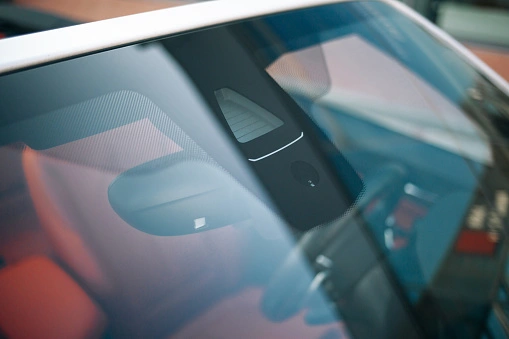
Driving with a foggy windshield is more than annoying, it’s unsafe and can reduce visibility fast. Many drivers don’t know that Windshield Humidity Sensors help keep the glass clear by controlling moisture inside the car. These sensors work quietly and prevent condensation before it starts.  At Texas Reliable Auto Glass, we often see drivers dealing with fogging issues caused by a faulty humidity sensor windshield, not the glass itself. Learning how these sensors work, what problems they cause, and how to fix them can save time and money while keeping your driving experience safe and comfortable. What Does a Windshield Humidity Sensor Do? Simple Explanation for Drivers A humidity sensor on windshield detects the moisture level inside your car. When humidity rises, it signals your vehicle’s system to adjust airflow, temperature, and defrost settings automatically. In simple words, it acts like a smart controller that keeps your windshield clear without you needing to adjust anything manually. How It Prevents Windshield Fogging Fog forms when warm, moist air hits a cold surface. The condensation sensor windshield tracks this moisture and activates: Defrost system Air conditioning Air circulation This prevents fog from forming before you even notice it. Where Is the Windshield Humidity Sensor Located? Common Placement Behind Rearview Mirror Most windscreen sensors are installed near the rearview mirror area. This location allows the sensor to accurately measure humidity levels close to the glass surface. How to Identify It on Your Windshield You can spot it by looking for: A small plastic module near the mirror A clear patch or housing attached to the glass A component often combined with rain sensors If you recently had a Windshield Replacement Austin TX, this sensor should be properly reinstalled and calibrated. How Windshield Humidity Sensors Work (Step-by-Step) Moisture Detection Process The humidity sensor windshield measures: Air moisture levels Temperature differences Glass surface conditions It constantly sends data to your car’s system. Role of HVAC and Defrost System Once moisture is detected, the system adjusts: Airflow direction Temperature Fan speed This is why modern cars can clear fog automatically. Dew Point Logic Explained Simply The sensor calculates the “dew point,” which is when moisture turns into fog. Before reaching this point, the system reacts to prevent condensation. What Does Moisture on the Windshield Indicate? Normal Condensation vs Problem Some condensation is normal, especially: Early mornings Cold weather Rainy conditions But constant fog may signal a faulty condensation sensor windshield. Signs of High Cabin Humidity Wet interior surfaces Musty smell Fog that returns quickly These signs often point to issues with windscreen sensors. When It Becomes Dangerous for Driving If fog blocks your view while driving, it becomes a safety risk. This is when your humidity sensor on windshield should be checked immediately. Windshield Humidity Sensor vs Rain Sensor Key Differences You Should Know Many drivers confuse these two systems: Humidity sensor windshield detects moisture inside the car Rain sensor detects water on the outside Both serve different purposes. How Both Sensors Work Together Modern windscreen sensors systems combine both features to: Control wipers automatically Prevent interior fog Improve overall driving safety Why Windshield Humidity Sensors Are Important Prevents Foggy Windshield (Safety) Clear visibility is critical. These sensors reduce the risk of accidents caused by fog. Improves Driving Visibility The system reacts faster than manual adjustments, keeping your view clear at all times. Enhances Comfort with Auto Climate Control You don’t need to constantly adjust AC settings. The humidity sensor on windshield handles it automatically. Reduces Moisture Damage Inside Vehicle Too much humidity can damage: Upholstery Electronics Interior surfaces A working condensation sensor windshield helps prevent this. Signs Your Windshield Humidity Sensor Is Bad Windshield Fog Not Clearing If fog stays longer than usual, your humidity sensor windshield may not be working. Defroster Not Working Properly A weak or slow defrost system is another sign. AC System Acting Strange If your AC turns on/off randomly, the sensor could be sending incorrect signals. Slow Climate Control Response Delayed reaction to humidity changes is a common issue with faulty windscreen sensors. Common Problems with Windshield Humidity Sensors Dirt or Dust Blocking the Sensor Dust buildup can block readings and reduce accuracy. Wiring or Electrical Issues Loose connections or damaged wires can stop the sensor from working. Calibration Problems After Glass Replacement After a Windshield Replacement Austin TX, the sensor must be calibrated. Skipping this step can cause malfunction. Water Damage or Corrosion Moisture exposure can damage internal components over time. How to Fix or Replace a Windshield Humidity Sensor Quick DIY Inspection Tips Check for visible dirt Inspect sensor housing Look for loose connections How to Clean the Sensor Safely Use a soft cloth and avoid harsh chemicals. Cleaning can often restore performance. When You Need Professional Auto Glass Repair If cleaning doesn’t work, it’s best to consult experts like Texas Reliable Auto Glass for proper diagnosis and repair. Average Cost of Replacement Costs vary depending on the car model but typically include: Sensor price Labor Calibration You may also read: Common Sunroof Problems Does It Work with All Windshields? Compatibility with Modern Vehicles Not all vehicles have a humidity sensor on windshield. It’s more common in newer models. OEM vs Aftermarket Windshields Some aftermarket glass may not support advanced windscreen sensors properly. Importance of Proper Sensor Integration Incorrect installation can lead to: Sensor failure Poor performance Safety issues Windshield Replacement & Sensor Calibration Why Calibration Is Required Calibration ensures the humidity sensor windshield reads correctly after installation. Risks of Skipping Calibration Incorrect readings Persistent fogging Malfunctioning climate system How Professionals Handle Sensor Reset Experts use specialized tools to reset and align the sensor accurately. Can You Drive Without a Working Humidity Sensor? Safety Risks Explained Yes, but it’s not recommended. Without a working condensation sensor windshield, fog can appear suddenly. When It’s Safe vs Unsafe Short drives may be manageable, but long trips or bad weather increase risk. Pro Tips to Prevent Condensation Buildup Keep Cabin Dry Avoid leaving wet items inside your car. Maintain AC

Windshield Humidity Sensors | How They Work, Problems & Fix Guide Read More »

How Much Does It Cost to Replace a Tesla Windshield

How Much Does It Cost to Replace a Tesla Windshield? (2026 Complete Cost Guide)

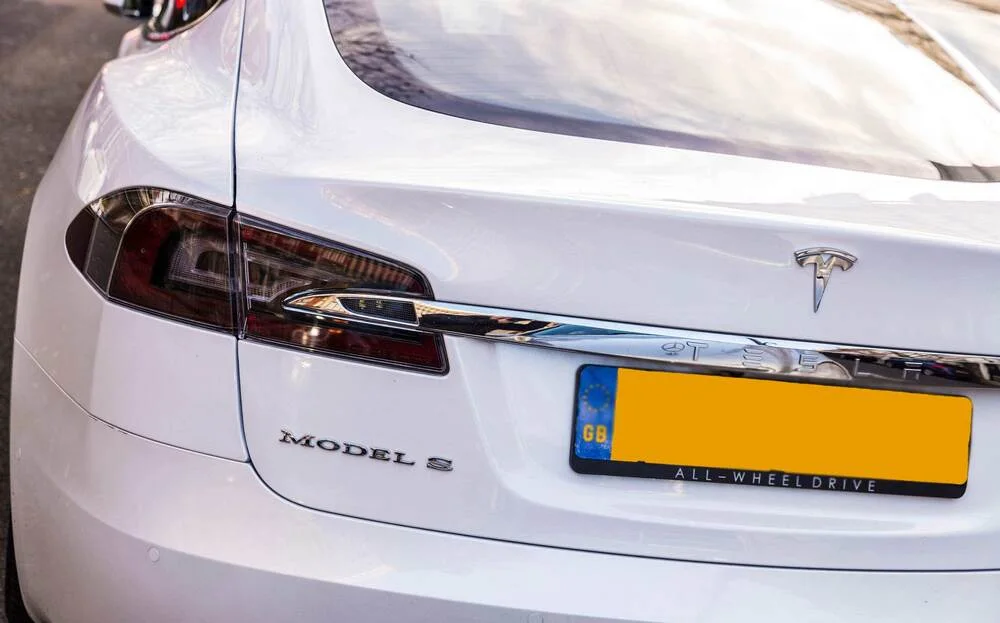
A cracked Tesla windshield is not just a small issue it can affect your safety systems, visibility, and driving confidence. So the first question most drivers ask is simple: how much does it cost to replace a Tesla windshield? The short answer is: it usually costs between $800 and $2,500+, depending on your Tesla model, features, and where you get the work done. At Texas Reliable Auto Glass, we’ve seen real-world cases where a small crack turned into a full replacement because drivers waited too long. This guide explains the real costs, what affects pricing, and how to avoid overpaying. Quick Answer: Tesla Windshield Replacement Cost If you want a fast answer, here it is: Average cost: $800 to $2,500+ Luxury models: Can go over $3,000 Insurance: May reduce cost to your deductible The Tesla windshield replacement cost depends mainly on your model and the technology inside the glass. At Texas Reliable Auto Glass, we often see price differences based on sensor calibration and glass quality. Cost Difference by Tesla Model Not all Teslas cost the same to repair. A tesla model 3 windshield replacement cost is usually lower than a Model X because of fewer sensors and simpler glass design. Insurance vs Out-of-Pocket With insurance: You may pay only your deductible Without insurance: Full cost applies If your deductible is close to the repair cost, paying out-of-pocket may make more sense. Tesla Windshield Replacement Cost by Model Tesla Model 3 Windshield Cost The tesla model 3 windshield replacement cost usually ranges between $800 and $1,500. Why it’s cheaper: Smaller windshield Fewer complex features More parts availability This makes Model 3 one of the most affordable Tesla models to repair. Tesla Model Y Windshield Cost The tesla model y windshield replacement cost typically falls between $900 and $1,600. Costs are slightly higher because: Larger glass area Advanced safety features Tesla Model S Windshield Cost Expect to pay around $1,200 to $2,000+. Reasons: Premium materials Advanced driver systems Limited parts availability Tesla Model X Windshield Cost The model x windshield replacement cost is the highest, often $1,500 to $2,500+. Why it’s expensive: Large panoramic glass design Complex sensor integration Specialized installation Real-World Pricing Insight From real service jobs: Small chips ignored → full replacement later Calibration added $200–$500 extra Mobile service increased convenience but added cost Premium models cost more because they use advanced technology that must be recalibrated after installation. Why Tesla Windshield Replacement Is So Expensive ADAS Calibration (Autopilot System) Tesla vehicles rely on Advanced Driver Assistance Systems (ADAS). After replacing the windshield, the system must be recalibrated to keep features like lane assist working properly. Built-in Cameras and Sensors Tesla windshields often include: Forward-facing cameras Rain sensors Light detection systems These components increase the Tesla windshield replacement cost. Acoustic & UV-Protected Glass Tesla uses high-quality glass that: Reduces noise Blocks harmful UV rays Improves driving comfort This type of glass costs more than standard windshields. OEM Glass Availability Issues Original parts are not always easy to find. Limited supply can increase both wait time and cost. Full Cost Breakdown (What You Actually Pay For) Understanding the cost helps you avoid surprises when you replace tesla windshield. Windshield Glass Price Basic Tesla glass: $500–$1,500 Premium or panoramic: $1,500+ Labor Charges Installation: $150–$400 Skilled technicians are required due to complexity ADAS Calibration Cost Usually $200–$500 Required for safety system accuracy Mobile Service Fees Mobile services are convenient but may add: $50–$150 extra Does Insurance Cover Tesla Windshield Replacement? Comprehensive Insurance Explained Most comprehensive plans cover windshield damage caused by: Road debris Weather Accidents Deductible vs Full Coverage Low deductible → lower out-of-pocket cost High deductible → may not be worth claiming When to Pay Out-of-Pocket Pay yourself if: Damage is minor Cost is lower than deductible You want to avoid premium increase Tesla Service Center vs Auto Glass Shop – Which Is Better? Tesla Service Center Pricing Higher cost OEM parts guaranteed Longer wait times Certified Auto Glass Shops Shops like Texas Reliable Auto Glass offer: Competitive pricing Certified technicians Faster service If you’re searching for Windshield Replacement Austin TX, choosing a trusted local expert can save both time and money. Cost vs Quality Comparison Tesla centers provide brand assurance, but certified shops often deliver the same quality at a lower price. How Long Does Tesla Windshield Replacement Take? Most replacements are quicker than people expect. Replacement time: 1–2 hours Calibration: 30–60 minutes Total time: 2–3 hours Mobile service can save time by coming to your location. Signs You Need Windshield Replacement (Not Repair) Crack Size and Depth If a crack is: Larger than a dollar bill Spreading quickly You likely need a full replacement. Damage Near Sensors If damage is near cameras or sensors, repair is not safe. Poor Visibility While Driving Distorted or blurry glass affects driving safety and must be replaced. Can You Repair Instead of Replace a Tesla Windshield? When Repair Is Possible Small chips No sensor interference Early-stage damage When Replacement Is Required Long cracks Edge damage Sensor obstruction Cost Difference Repair: $50–$150 Replacement: $800–$2,500+ Repair is always cheaper, but not always safe. Tips to Save Money on Tesla Windshield Replacement Use Insurance the Right Way Check your policy before paying out-of-pocket. Compare Multiple Quotes Prices vary widely. Always compare at least 2–3 options. Choose Certified Technicians Cheap work can lead to: Poor sealing Water leaks Sensor failure Fix Chips Early Small damage grows quickly. Early repair can save hundreds. Common Mistakes Tesla Owners Make Ignoring small cracks Skipping calibration Choosing unqualified installers These mistakes often lead to higher costs later. Final Thoughts Replacing your Tesla windshield may feel expensive, but it is necessary for safety and performance. Ignoring damage can lead to bigger problems, including system failure and reduced visibility. At Texas Reliable Auto Glass, we always recommend acting early and choosing certified professionals. If you’re dealing with a crack or need expert advice, contact us today to get a clear estimate and fast service you can trust. FAQs Is a Tesla windshield

How Much Does It Cost to Replace a Tesla Windshield? (2026 Complete Cost Guide) Read More »

Types of Windshield Cracks

Types of Windshield Cracks | Identification, Causes, and Repair Options

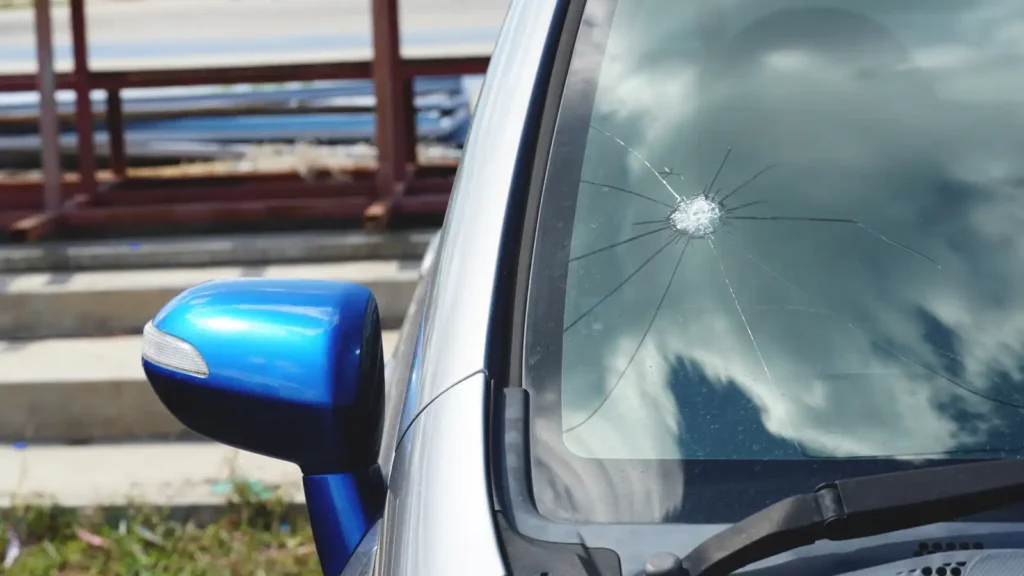
Understanding the patterns and causes of windshield cracks can help drivers make better decisions and prevent small problems from becoming expensive repairs.A small chip in your windshield can appear suddenly. A flying rock on the highway or a quick temperature change can cause damage that seems minor at first. However, many drivers notice that the crack slowly spreads across the glass. Understanding the Types of Windshield Cracks helps you identify the damage and decide what action to take. Your windshield protects passengers and supports vehicle safety systems like airbags. Even small chips should be checked early. Technicians at Texas Reliable Auto Glass often see minor damage turn into large cracks. Many drivers ask whether a cracked windshield can be repaired or how a windshield crack is fixed. Early inspection helps prevent bigger problems. Quick Answer: What Are the Different Types of Windshield Cracks? Windshield cracks appear in different shapes depending on how the damage occurred. The Type of Windshield Cracks include several common patterns that technicians use to identify the severity of the damage and decide whether repair or replacement is needed. Some of the most common crack types include: Bullseye cracks Half-moon cracks Star break cracks Combination cracks Edge cracks Stress cracks Floater cracks Long cracks Some of these damages are considered repairable windshield chips, especially when they are small and located away from the edge of the glass. Others may require replacement because they weaken the structure of the windshield. Technicians at Texas Reliable Auto Glass often evaluate these crack patterns to determine the safest solution. Knowing the difference between these cracks helps drivers understand how to fix a cracked windshield before the damage spreads further. Why Windshield Cracks Happen Windshield damage can occur for several reasons. Even though modern windshields are designed to be strong and durable, they can still crack under certain conditions. Road Debris and Rock Chips One of the most common causes is debris from the road. Small stones kicked up by passing vehicles can strike the windshield at high speed. This often creates small chips that may later become cracks. These small impacts are often the beginning of repairable windshield chips, which can usually be repaired if treated quickly. Sudden Temperature Changes Glass expands and contracts when temperatures change. When the difference between inside and outside temperatures becomes too large, stress can form inside the windshield. Examples include: Turning on a hot defroster during winter Pouring hot water on frozen glass Parking in strong sunlight after a cold night Over time, this pressure may lead to cracks forming across the glass. Structural Stress on the Vehicle Driving on uneven roads, hitting potholes, or experiencing body flex in the car can create pressure on the windshield. This stress may eventually cause cracks to appear. Poor Windshield Installation If a windshield is not installed correctly, pressure may build up along the edges. Over time, this can lead to cracks that appear without any direct impact. Minor Accidents or Impact Even small collisions can weaken the glass structure. In these cases, drivers often ask whether can auto glass repair cracks or if the windshield must be replaced. Most Common Types of Windshield Cracks Different crack patterns help technicians determine whether repair is possible or if replacement is necessary. Below are the most common Type of windshield cracks seen in vehicles. Bullseye Crack A bullseye crack forms a circular shape around the point where the glass was hit. This pattern is often created when a small rock strikes the windshield. Common characteristics include: Round shape with a visible impact point Smooth circular pattern Usually small in size Bullseye cracks are often considered repairable windshield chips if the damage is limited and repaired quickly. Half-Moon Crack A half-moon crack looks similar to a bullseye but forms only part of a circle. This happens when the impact hits the glass at an angle. Features include: Semi-circular shape Partial ring around the impact point May expand over time If addressed early, technicians may still repair this type of damage. Star Break Crack A star break crack looks like several thin cracks spreading outward from the center, similar to the shape of a star. Typical signs include: Multiple small cracks radiating from one point Sharp impact mark in the center Damage spreading outward in lines When drivers ask how do you fix a windshield crack like this, technicians often use resin injection to stabilize the glass. Combination Crack A combination crack occurs when more than one crack pattern appears together. For example, the damage may include a bullseye center along with star-shaped cracks. This type of damage is more complex and requires professional evaluation. Sometimes can auto glass repair cracks like this depend on the size and depth of the fracture. Edge Crack Edge cracks start close to the outer edge of the windshield. Because the edges carry structural stress, these cracks tend to spread quickly. Characteristics include: Starting within a few inches of the windshield edge Rapid spreading across the glass Often caused by stress or impact Edge cracks usually require replacement because the damage weakens the structure of the windshield. Stress Crack Unlike other cracks, stress cracks appear without a visible impact point. They are commonly caused by: Temperature changes Vehicle body pressure Improper installation Drivers are often surprised when these cracks appear overnight. In most cases, repair is not possible, and replacement is recommended. Floater Crack A floater crack forms in the center area of the windshield and does not connect to the edges. Important details include: Located away from the windshield frame Often caused by small impacts May remain stable if repaired quickly Some floater cracks may still qualify as repairable windshield chips if they are small enough. Long Crack A long crack is typically longer than six inches. At this stage, the structural integrity of the windshield becomes compromised. Signs of a long crack include: Visible line extending across the glass Damage spreading toward the edges Reduced visibility for the driver When cracks reach this

Types of Windshield Cracks | Identification, Causes, and Repair Options Read More »

How Much Does it Cost to Replace a Windshield

How Much Does It Cost to Replace a Windshield? Complete Cost Guide

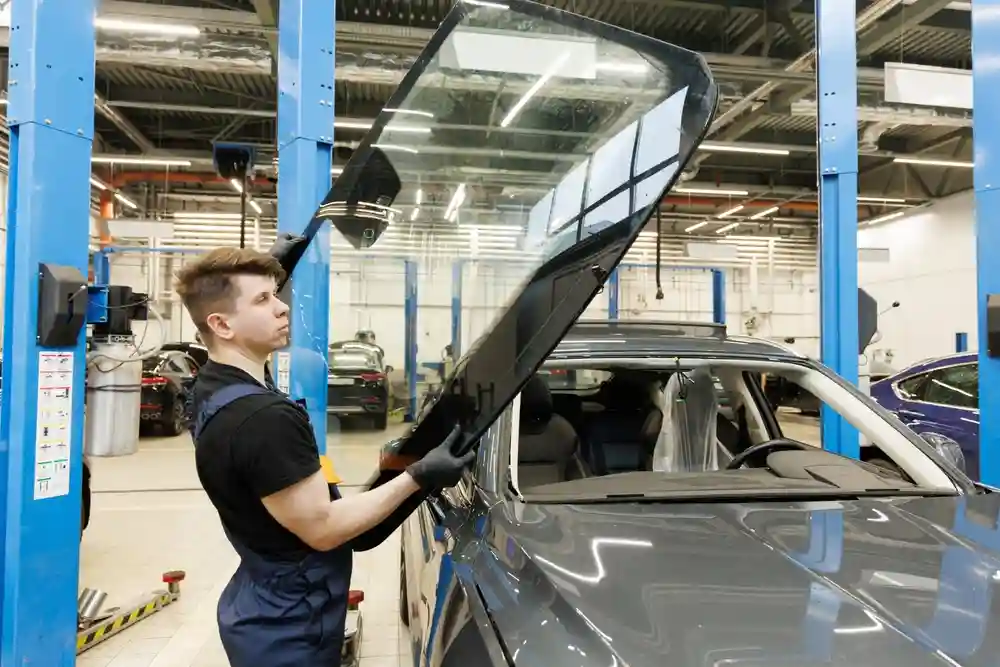
A cracked windshield can happen at any time. A small rock on the road or a sudden temperature change can quickly turn a tiny chip into a large crack. When this happens, most drivers immediately ask: how much does it cost to replace a windshield? The answer depends on several factors, including the type of vehicle, the quality of the glass, and any safety technology built into the windshield. The cost of auto glass repair may be low for small chips, but larger damage often requires full replacement. Companies like Texas Reliable Auto Glass help drivers understand their options and provide clear pricing so they can choose the safest and most practical solution. Quick Answer | Average Windshield Replacement Cost Typical Windshield Replacement Price in the U.S. If you are wondering how much does a front windshield replacement cost, the average price in the United States usually falls between $200 and $600 for standard vehicles. For vehicles with advanced safety systems, the price may rise to $700 to $1,500 or more because sensors and cameras require calibration. The cost of auto glass repair for small chips is usually much lower, often between $50 and $150. Repair is possible when the damage is minor and located away from the driver’s line of sight. Professional providers like Texas Reliable Auto Glass often inspect the damage first to determine whether repair or full replacement is the safer option. Minimum and Maximum Cost Range Here is a simple overview of typical replacement costs: Economy vehicles: $200 – $400 Mid-range vehicles: $300 – $700 Luxury or high-tech vehicles: $700 – $1,500+ Drivers often ask how much to replace a cracked windshield, and the answer depends largely on these categories. Average Cost for Common Vehicles Most daily drivers fall within a moderate price range. A typical sedan or compact SUV may cost around $300 to $500 to replace the windshield. Larger vehicles and trucks may be slightly higher. If your car includes cameras or rain sensors, the cost of auto glass repair or replacement increases because additional labor is required to recalibrate those systems. What Is Windshield Replacement? Windshield replacement is the process of removing damaged auto glass and installing a new windshield that meets safety standards. What Causes Windshield Damage Windshields face constant stress while driving. The most common causes include: Road debris and rocks Sudden temperature changes Minor collisions Poor road conditions Even a small chip can spread quickly, which is why many drivers search for how much is it to replace a windshield before the damage gets worse. Common Types of Windshield Cracks and Chips Windshield damage usually appears in a few common forms: Bullseye chips Star breaks Long cracks Edge cracks If the damage grows larger than a few inches, the cost of auto glass repair may no longer apply because the glass will need full replacement. Why Driving With a Cracked Windshield Is Dangerous A damaged windshield weakens the structure of your vehicle. It can also block the driver’s vision, making accidents more likely. Many drivers delay repairs because they worry about how much to replace a windshield, but ignoring the problem often leads to larger cracks and higher costs later. Windshield Replacement Cost by Vehicle Type The price can vary significantly depending on the type of vehicle you drive. Sedan Windshield Replacement Cost Sedans are usually the most affordable vehicles for windshield replacement. The average cost ranges from $200 to $500. SUV Windshield Replacement Cost SUV windshields are often larger and may include sensors. Drivers can expect costs between $300 and $700 depending on the model. Pickup Truck Windshield Replacement Cost Pickup trucks often use stronger and slightly larger windshields. Replacement typically costs $300 to $800. For example, vehicles like the Ford F‑150 may cost more because of their size and optional safety technology. Luxury Vehicle Windshield Replacement Cost Luxury vehicles require specialized glass and calibration. Prices often range from $800 to $1,500 or more. Electric Vehicle Windshield Replacement Cost Electric vehicles often include advanced cameras and sensors. A car like the Tesla Model 3 may require additional calibration, which increases the total cost. Windshield Replacement Cost by Car Brand Different manufacturers design windshields differently, which affects price. Ford Windshield Replacement Price Ford models vary widely in cost depending on size and features. Trucks and SUVs may cost more due to larger glass panels. Toyota Windshield Replacement Price Reliable vehicles like the Toyota Camry usually fall within a moderate price range of $300 to $600. Honda Windshield Replacement Price Honda vehicles are generally affordable to repair. Replacement often ranges from $250 to $550. Tesla Windshield Replacement Price Tesla windshields include cameras and sensors. This makes how much does a front windshield replacement cost significantly higher than traditional vehicles. BMW and Mercedes Windshield Replacement Price Luxury European brands typically require premium glass and precise installation, which increases the cost of auto glass repair or replacement. OEM vs Aftermarket Windshield Cost The type of glass you choose has a major effect on pricing. What Is an OEM Windshield OEM glass is made by the same manufacturer that produced the original windshield for your vehicle. What Is Aftermarket Auto Glass Aftermarket glass is produced by third-party manufacturers. It meets safety standards but usually costs less. Price Difference Between OEM and Aftermarket Glass OEM windshields can cost 30% to 50% more than aftermarket options. Drivers often choose aftermarket glass when they want a lower cost of auto glass repair. Which Option Is Better for Safety and Budget Both types of glass can be safe if installed properly. The right choice depends on your budget and vehicle requirements. Factors That Affect Windshield Replacement Cost Several factors determine how much it is to replace a windshield. Vehicle Make and Model High-end vehicles usually require specialized glass, which increases the price. Type and Quality of Glass OEM glass is more expensive than aftermarket glass. Built-in Sensors and Cameras Advanced driver assistance systems increase the cost of auto glass repair because they require recalibration. Labor and Installation

How Much Does It Cost to Replace a Windshield? Complete Cost Guide Read More »

Will a Car Pass Inspection With a Cracked Windshield TX

Will A Car Pass Inspection With A Cracked Windshield? Everything You Need To Know

A cracked windshield often creates confusion right before a vehicle inspection. Many drivers are unsure whether a small chip will pass or if it will lead to an automatic failure. The truth is, it depends on safety standards, crack size, and especially the location of the damage. If you are asking will a car pass inspection with a cracked windshield, the answer is not always simple. At Texas Reliable Auto Glass, we see this issue every day. Some drivers assume minor cracks are harmless, but inspection rules are usually focused on safety, not appearance. Understanding how inspectors evaluate windshield damage can help you avoid unnecessary failure and repair costs. Quick Answer | Can You Pass Inspection With a Cracked Windshield? In most cases, a vehicle can pass inspection with a cracked windshield, but only under specific conditions. The decision depends on how severe the damage is and where it is located. Small cracks vs large cracks explained A small chip or light crack outside the driver’s direct view may still pass inspection. However, long cracks or spidering damage usually fail because they reduce visibility and weaken glass strength. When a cracked windshield leads to automatic failure A windshield is more likely to fail inspection if: The crack is in the driver’s line of sight It spreads across the glass surface It blocks clear visibility It affects safety features like defrost or sensors Role of visibility in inspection approval Visibility is the main factor. Even a small crack can lead to failure if it distorts the driver’s view. This is why cracked windshield inspection rules are strict in many states. What Happens During a Vehicle Inspection? Vehicle inspections are designed to ensure road safety, not just vehicle appearance. Key safety areas inspectors check Inspectors usually review: Brake performance Lights and signals Tires condition Steering and suspension Windshield condition Why windshield condition is important in inspection The windshield is not just glass. It supports roof strength and helps airbags function correctly. That’s why windshield crack inspection rules exist in every state. Why Windshield Condition Can Cause Inspection Failure A damaged windshield affects more than visibility. Visibility obstruction risks Even small cracks can distort light and reduce clarity, especially at night or in rain. Structural safety concerns A weakened windshield may not hold up during impact, increasing injury risk. Airbag deployment interference Airbags use the windshield for support during deployment. A damaged glass can reduce effectiveness. Wiper performance issues Cracks can interfere with smooth wiper movement, affecting driver safety. Because of these risks, can you pass inspection with a cracked windshield depends heavily on how the damage affects function. Types of Windshield Damage That Affect Inspection Not all cracks are treated equally during inspection. Bullseye cracks Circular damage from impact that may spread over time. Star breaks Multiple small cracks spreading outward, often considered unsafe. Long spreading cracks These usually fail inspection due to structural weakness. Chips in driver’s line of sight Even small chips here can fail a crack in windshield pass inspection test. How Big Can a Crack Be to Pass Inspection? There is no universal rule, but many regions follow similar guidelines. The 6-inch rule (common standard) Cracks longer than 6 inches often lead to failure in windshield crack pass inspection checks. Location matters more than size A small crack in the driver’s view is worse than a larger crack near the edge. When any crack becomes unacceptable If damage affects safety systems or visibility, it fails regardless of size. State Vehicle Inspection Rules for Cracked Windshields Rules vary depending on where you live. Strict states with zero tolerance policies Some states require a completely clear windshield with no visible cracks in key areas. States allowing minor windshield damage Other regions allow small chips if they do not affect driving safety. Why rules differ across regions Climate, road conditions, and safety laws influence inspection standards. Texas Vehicle Inspection Requirements Texas has clear but practical inspection rules. What gets checked during Texas safety inspection Inspectors review: Glass condition Wipers Lights Brakes Windshield condition during inspection Cracks in the driver’s viewing area can cause failure even if small. Commercial vs personal vehicle rules Commercial vehicles often face stricter standards due to higher road usage. Small cracks and borderline cases Minor chips may pass if they do not spread or block visibility, but repair is still recommended. When a Cracked Windshield May Still Pass Inspection There are situations where damage is acceptable. Minor chips outside driver’s view Small damage near the edge is usually allowed. Stable cracks that are not spreading If the crack is sealed and stable, it may pass. Non-obstructive damage cases If it does not affect visibility or safety, inspectors may approve it. What Happens If Your Vehicle Fails Inspection? Failure is not the end, but it requires action. Repair vs replacement requirement Most failures require either repair or full windshield replacement. Re-inspection process explained After fixing the issue, the vehicle must be inspected again. Possible delays and legal issues Driving with a failed inspection can lead to fines in some areas. Repair or Replace | What Should You Do? When windshield repair is enough Small chips and short cracks can often be repaired. When full replacement is required Long cracks, spider cracks, or structural damage require replacement. Cost and safety comparison Repair is cheaper, but replacement is safer for severe damage. For professional service, many drivers rely on Texas Reliable Auto Glass for accurate inspection-based solutions. Why Fixing a Cracked Windshield Before Inspection Is Important Safety benefits for drivers A strong windshield protects you in accidents. Avoiding legal and inspection issues Repairing early helps avoid failure and penalties. Preventing long-term damage Cracks spread quickly due to heat and vibration. Insurance coverage possibilities Many insurance plans cover repairs at low or no cost. If you are in Texas, services like Windshield Replacement Austin TX can help before inspection. How to Prepare Before Vehicle Inspection Quick windshield damage checklist Check crack size Check visibility impact Look for spreading lines Temporary

Will A Car Pass Inspection With A Cracked Windshield? Everything You Need To Know Read More »

Is Windshield Wiper Fluid Flammable? Know the Risks

Is Windshield Wiper Fluid Flammable? Safety Guide

Windshield washing machine fluid is an important a part of car maintenance, supporting drivers keep clean visibility with the aid of using doing away with dirt, dust, bugs, street grime, and different contaminants from the windshield. While maximum drivers use washing machine fluid regularly, few forestall to bear in mind its chemical composition or capacity protection risks. This frequently increases an vital question: Is Windshield Wiper Fluid Flammable?  The brief solution is that a few windshield washing machine fluids may be flammable, relying at the components used of their formulation. Many industrial washing machine fluids comprise alcohol-primarily based totally compounds that assist save you freezing and enhance cleansing performance. These components can make sure merchandise flamable under unique conditions.  At Texas Reliable Auto Glass, we accept as true with knowledgeable car owners are highly ready to keep their cars competently and effectively.  What Is Windshield Wiper Fluid?  Windshield wiper fluid is a specialised cleansing solution designed to cast off dust, particles, bugs, and dust out of your vehicle`s windshield. Unlike  water, this fluid consists of components that assist it smooth greater effectively, save you freezing in bloodless climate, and keep away from leaving streaks for your glass.  Think of it because the distinction among washing your dishes with simply water as opposed to the use of dish cleaning soap—technically you can use water alone, however you`re now no longer going to get the equal results. The equal precept applies for your windshield. This washing machine fluid works in tandem together along with your wiper blades to maintain your windshield clean and your visibility optimal, that’s particularly vital while you`re navigating Denver`s unpredictable climate conditions.  What Is Windshield Wiper Fluid Made Of?  Windshield wiper fluid is crafted from a aggregate of water, methanol or ethanol (alcohols), detergents, and extra components like ammonia. The alcohol content material serves  vital purposes: it lowers the freezing factor of the answer (crucial for the ones bloodless Colorado winters) and enables the fluid evaporate speedy without leaving streaks.  Different formulation comprise various concentrations of those components relying on their meant use. Summer blends would possibly have much less alcohol and greater cleansing agents, while in cold formulation percent greater alcohol to save you freezing at temperatures properly under zero. The actual recipe varies with the aid of using manufacturer, however you`ll commonly locate methanol concentrations starting from 20% to 50% in iciness formulation. Some top rate variations consist of water repellents that assist rain bead off your windshield, much like what merchandise like Rain-X do.  What Does Windshield Wiper Fluid Do?  Windshield wiper fluid cleans your windshield with the aid of using dissolving and doing away with dust, bugs, avenue dust, salt, pollen, and different particles that obscures your imaginative and prescient while driving. When you set off your washing machine system, the fluid sprays onto your windshield and straight away starts breaking down those contaminants earlier than your wiper blades sweep them away. The detergents in the solution work further to how dish cleaning soap cuts via grease—they lessen floor tension and permit the fluid to unfold lightly throughout the glass. This cleansing movement is a ways greater powerful than wipers alone, which could sincerely smear dry dust throughout your windshield.  The fluid additionally enables lubricate your wiper blades as they pass throughout the glass, decreasing put on and stopping that disturbing squeaking sound.  Is Wiper Fluid Flammable Inside the Vehicle?  Many drivers fear that wearing washing machine fluid inner a car creates a big hearthplace hazard.  Under everyday conditions, windshield washing machine fluid saved in its certain reservoir is commonly safe.  Modern cars are designed to deal with washing machine fluid structures safely. The reservoir is located farfar from severe warmth reassets, and the fluid stays contained inside a sealed system.  However, troubles can arise if:  Containers leak  Fluid spills onto warm engine components  Containers are saved improperly  Fluid is uncovered to open flames  These conditions can growth chance and have to be avoided.  You can also read about: Will Windshield Wiper Fluid Hurt a Radiator? Flash Point and Flammability Explained  When discussing whether or not windshield wiper fluid is flammable, information the idea of flash factor is helpful.  A flash factor is the bottom temperature at which a liquid produces sufficient vapor to ignite.  Products with decrease flash factors are commonly extra flammable due to the fact they require much less warmth to generate flamable vapors.  Methanol-primarily based totally washing machine fluids regularly have enormously low flash factors in comparison to water-primarily based totally liquids, and is the reason why they could ignite in certain conditions.  This does now no longer imply they may be probably to capture hearthplace for the duration of everyday car use, however it does spotlight the significance of properly storage and handling.  What Happens If Windshield Washer Fluid Catches Fire?  Although rare, washing machine fluid can ignite if uncovered to enough warmth or an ignition source.  Potential ignition reassets include:  Open flames  Welding equipment  Sparks  Smoking materials  High-temperature business equipment  If ignition occurs, alcohol vapors are generally what burn as opposed to the liquid itself.  Because washing machine fluid carries water, its combustion traits range from the ones of gas or diesel fuel.  Nevertheless, any fire concerning automobile chemical substances have to be handled as a severe protection concern.  Common Myths About Windshield Wiper Fluid  Myth1: All Washer Fluids Are Highly Flammable  While many merchandise include flammable elements, now no longer all washing machine fluids gift the identical stage of threat.  Myth2: Washer Fluid Is as Dangerous as Gasoline  Gasoline is appreciably extra flammable than windshield washing machine fluid.  The presence of water in washing machine fluid reduces its ordinary combustibility.  Myth3: Washer Fluid Can Easily Catch Fire in a Vehicle  Under ordinary working conditions, washing machine fluid saved in a nicely functioning reservoir poses little or no fire threat.  Why Windshield Maintenance Matters  Clear visibility is one of the maximum essential factors of secure driving.  A nicely functioning windshield machine includes:  Quality windshield glass  Effective wiper

Is Windshield Wiper Fluid Flammable? Safety Guide Read More »

How Much Is It to Repair a Windshield Crack Cost Guide

How Much Is It To Repair A Windshield Crack (Complete Cost Guide)

A cracked windshield often starts as something small, almost easy to ignore. Many drivers continue driving for days without realizing how quickly that small damage can grow into a costly repair. Understanding the real How Much Is It To Repair A Windshield Crack situation helps you avoid unnecessary replacement costs and keeps your vehicle safe on the road. At Texas Reliable Auto Glass, we see this every day small cracks turning into full windshield replacements simply because they were delayed. In this guide, we’ll break down real costs, repair options, insurance coverage, and what actually affects pricing in simple terms. The goal here is not just to explain numbers, but to help you make the right decision at the right time. Quick Answer | Average Windshield Crack Repair Cost On average, how much to repair a cracked windshield depends on the size and severity of the damage: Small crack repair: $60 – $120 Medium crack repair: $100 – $180 Long crack repair: $150 – $300+ The windshield crack repair cost in 2026 is influenced by labor rates, resin quality, and whether you choose mobile service or in-shop repair. The cost to fix cracked windshield increases when: The crack spreads across driver’s view The damage reaches the edge of glass Advanced vehicles require calibration Most drivers searching for windshield chip repair cost or cost to fix windshield chip are usually dealing with early damage that is cheaper to fix quickly. What Is Windshield Crack Repair? Windshield crack repair is a process where a special resin is injected into the damaged area to restore strength and stop the crack from spreading. A simple way to understand it: A chip is a small point of impact A crack is a line that spreads from that point When people search for windshield chip repair price, they are usually referring to early-stage damage that can often be fixed without full replacement. At Texas Reliable Auto Glass, we always inspect whether repair is safe before starting work, because not every crack should be repaired. Average Cost of Windshield Crack Repair The windshield crack repair cost depends mainly on size and complexity. Small Crack Cost Small cracks or chips usually cost less because they require minimal resin and time. Medium Crack Cost Medium cracks may require deeper resin filling and more curing time. Long Crack Cost Long cracks are more expensive because they take longer to stabilize and may not always be repairable. Mobile vs Shop Repair Cost Mobile service may cost slightly more due to convenience Shop repair is usually more budget-friendly If you are comparing the cost to fix windshield chip, mobile repair is often the most convenient option for minor damage. Key Factors That Affect Repair Cost Several real-world factors affect pricing beyond just crack size: Crack length and depth Location on windshield (driver’s side is more sensitive) Vehicle type (SUVs and luxury cars cost more) Glass quality and OEM standards Emergency or mobile service charges This is why windshield chip repair cost is never the same for every vehicle. When Can a Windshield Crack Be Repaired Instead of Replaced? Not every crack should be repaired. A proper inspection is always needed. Repairable Cracks Small cracks (usually under a few inches) Chips that have not spread Damage away from windshield edges Non-Repairable Cracks Long cracks spreading across glass Damage in driver’s direct vision Edge cracks affecting structure In such cases, cost to fix cracked windshield becomes irrelevant because full replacement is safer. If damage is beyond repair, full replacement may be needed. You can learn more about complete replacement options here: Windshield Replacement Austin TX Repair vs Replacement Cost Comparison Understanding the difference helps avoid unnecessary spending. Repair cost: $60 – $300 Replacement cost: $250 – $900+ If damage is small, repair is the smart option. But if the crack is structural, replacement is required. We often guide customers at Texas Reliable Auto Glass to avoid replacement when a safe repair is possible. You can also read about Can A 12 Inch Crack In Windshield Be Repaired.  DIY vs Professional Windshield Repair DIY kits are available, but they come with risks. DIY Resin Kit Cost Usually $15 – $40 Risks of DIY Repair Improper resin filling Visibility distortion Crack spreading later Why Professionals Are Safer Correct pressure injection UV curing technology Long-term durability For accurate windshield chip repair price, professional service gives better results and prevents repeat damage. Does Insurance Cover Windshield Crack Repair? In many cases, yes. Comprehensive Coverage Most comprehensive policies cover repair costs fully or partially. Deductible Explanation Small repairs often have zero deductible Full replacements may require payment Filing a Claim vs Paying Cash If your windshield crack repair cost is low, paying out of pocket may be faster. Insurance is better for larger damage. Step-by-Step Windshield Crack Repair Process Here is how professionals handle repair: 1. Inspection We check crack depth and safety level. 2. Cleaning Dust and debris are removed for better bonding. 3. Resin Injection Special resin is injected into the crack. 4. UV Curing UV light hardens the resin. 5. Finishing Surface is polished for clarity. This process ensures the cost to fix windshield chip delivers long-lasting results. How Long Does Windshield Crack Repair Take? Most repairs take 15 to 60 minutes depending on severity. Mobile repairs may take slightly longer due to setup time, but they save travel effort. You should know about: How Big Of A Crack In Windshield Can Be Repaired.  Tips to Prevent Windshield Cracks Prevention is always cheaper than repair. Keep safe distance from trucks Avoid sudden temperature changes (hot water on cold glass) Park in shaded areas when possible Fix chips early before they spread Early action reduces windshield chip repair cost significantly. Final Thoughts Understanding How Much Is It To Repair A Windshield Crack helps you make a smart financial and safety decision. Small cracks are usually affordable to fix, but delaying repair can turn a minor issue into a full windshield replacement. At Texas Reliable Auto Glass,

How Much Is It To Repair A Windshield Crack (Complete Cost Guide) Read More »

Can a 12 Inch Crack in Windshield Be Repaired? What to Know

Can A 12 Inch Crack In Windshield Be Repaired? | Complete Guide

A long windshield crack can quickly become a serious safety concern. Many drivers ask: Can A 12 Inch Crack In Windshield Be Repaired? In most cases, cracks this large usually require full windshield replacement, although some minor surface cracks may still qualify for repair depending on their location, depth, and condition. Heat, road vibration, and sudden temperature changes often cause long cracks to spread even faster.  At Texas Reliable Auto Glass, technicians regularly inspect large windshield cracks and help drivers choose the safest solution. Understanding the severity of windshield damage early can help prevent higher repair costs and safety risks later.  What Size Windshield Crack Can Be Repaired? Before deciding whether a 12 inch windshield crack repair is possible, it helps to understand the standard repair limits used by most auto glass professionals. In general: Small chips smaller than a quarter are usually repairable Cracks under 3 inches are commonly repaired Some repair shops may repair cracks up to 6 inches Cracks longer than 6 inches often require replacement This is why many drivers search for how big of a crack can be repaired before scheduling service. Difference Between Chips And Long Cracks A windshield chip is usually a small point of impact caused by a rock or road debris. A crack is different because it spreads through the glass layers and weakens the windshield over time. Long cracks create more pressure on the glass and are harder to seal completely. Even after repair, the crack line may still remain visible. Why Most Repair Shops Follow The 6-Inch Rule Most technicians follow the 6-inch guideline because longer cracks reduce repair success rates. Once the crack spreads too far, the windshield loses strength and may not provide proper protection during an accident. That is why many auto glass experts recommend replacement instead of attempting a risky windshield repair 12 inch crack solution that may fail later. Can A 12 Inch Crack In Windshield Be Repaired? The answer depends on the condition of the damage. In some rare cases, a technician may attempt a 12 inch windshield crack repair if: The crack is shallow The crack is fresh The damage is away from the windshield edge Visibility is not affected Moisture has not entered the crack However, most 12-inch cracks are considered too large for reliable repair. Cases Where Repair May Still Work Repair may still be possible if the crack is: A straight surface crack Located in the passenger side area Not spreading in multiple directions Free from dirt contamination Some specialty repair systems can temporarily stabilize longer cracks, but results vary depending on the condition of the glass. Why Most Long Cracks Need Replacement A windshield is part of your vehicle’s safety system. It helps support the roof during a rollover and works with airbags during collisions. When a crack reaches 12 inches, the structural strength of the windshield is often reduced. Even if resin fills the crack, the glass may still remain weak under pressure. Temporary Repair vs Permanent Safety Solution A repair on a long crack may only slow the spread temporarily. Replacement provides a stronger and safer long-term solution, especially for drivers who travel daily or drive at highway speeds. If you are searching for can a crack in the windshield be repaired, remember that safety matters more than short-term savings. Factors That Affect Windshield Crack Repairability Not every crack is the same. Several factors determine whether repair is possible. Crack Length Length is one of the biggest factors in repair decisions. The longer the crack becomes, the lower the chance of successful repair. This is why drivers asking how big of a crack can be repaired usually discover that larger cracks often require replacement. Crack Depth Surface-level cracks are easier to repair than deep cracks that extend through multiple glass layers. Deep cracks weaken the windshield more aggressively and often continue spreading even after repair. Crack Location Location matters just as much as crack size. Cracks directly in the driver’s line of sight are usually replaced because repairs may leave visual distortion behind. Edge Crack vs Center Crack Edge cracks are more dangerous because the outer edge of the windshield supports overall structural stability. A center crack may sometimes be repairable if caught early. Moisture And Dirt Contamination Water, dust, and debris entering the crack can reduce repair quality. Once contamination enters the damaged area, resin bonding becomes less effective. Age Of The Crack Fresh cracks are easier to repair because they are cleaner and less likely to contain trapped moisture. Older cracks usually spread further and become harder to stabilize. What Makes A Windshield Crack Spread Faster? Many drivers notice their windshield crack suddenly becoming larger overnight. Several common conditions speed up crack spreading. Heat And Sunlight High temperatures cause glass expansion. Direct sunlight can quickly increase pressure inside an existing crack. Cold Weather Changes Cold air causes the glass to contract. Rapid temperature changes place additional stress on damaged areas. Road Vibration Daily driving creates constant vibration. Potholes, speed bumps, and rough roads can force cracks to spread further. Rough Driving Conditions Construction zones and gravel roads increase windshield stress and impact exposure. Slamming Car Doors Even something as simple as slamming a car door can create enough vibration to extend a long windshield crack. Can Resin Repair Fix A 12 Inch Crack? Windshield repair resin is designed to fill damaged glass and improve visibility while slowing crack spread. However, resin has limitations. How Windshield Resin Works Technicians inject specialized resin into the damaged area using pressure tools. The resin bonds with the glass and hardens under UV light. This process helps strengthen smaller chips and cracks. Limits Of Resin Technology Large cracks are difficult to repair completely because resin may not spread evenly through the entire damaged area. Air pockets, dirt, and stress points can remain trapped inside the crack. Why Long Cracks Are Harder To Seal Properly Long cracks move more with temperature changes and vehicle vibration. Even after repair, the

Can A 12 Inch Crack In Windshield Be Repaired? | Complete Guide Read More »

How Big of a Crack in Windshield Can Be Repaired Guide 2025

How Big Of A Crack In Windshield Can Be Repaired?

A small windshield crack may look harmless, but it can spread quickly from heat, road vibration, rain, and sudden temperature changes. Many drivers ask how big of a crack in windshield can be repaired before replacement becomes necessary. In most cases, cracks up to 6 inches can usually be repaired if the damage is not too deep or near the windshield edge. Some advanced repair systems may handle longer cracks depending on the condition of the glass.  At Texas Reliable Auto Glass, technicians carefully inspect the crack size, depth, and location to recommend the safest and most cost-effective repair solution for your vehicle. Understanding how big of a windshield crack can be repaired helps you make the right decision before the damage becomes worse. What Size Windshield Crack Can Be Repaired? Most auto glass professionals follow a common industry guideline: Chips smaller than a quarter are usually repairable Cracks up to 6 inches often qualify for repair Some advanced repair systems can handle cracks up to 12 inches Edge cracks and deep cracks are harder to repair safely The answer to how big of a crack can be repaired depends on more than length alone. A short crack directly in the driver’s line of sight may require replacement, while a slightly longer crack away from the edges may still be repairable. Modern windshield repair technology has improved a lot over the years. In some situations, technicians can repair longer cracks without replacing the entire windshield. Still, the final decision depends on the condition of the glass and overall safety. Types of Windshield Cracks That Can Be Repaired Not every crack means you need a new windshield. Some types of damage respond very well to professional repair methods. Bullseye Crack A bullseye crack usually forms when a small rock hits the windshield directly. It creates a circular pattern that is often repairable if treated early. Star Break Crack This type of damage spreads outward from the center like a star. Small star breaks can often be repaired successfully before dirt enters the crack. Combination Crack A combination crack includes multiple damage patterns together. Repair is possible if the damage is still limited in size. Half-Moon Crack Half-moon cracks look similar to bullseye damage but have a partial circular shape. These are commonly repaired when caught quickly. Small Surface Crack Surface-level cracks that only affect the outer layer of the windshield are easier to repair than deeper damage. Crack Chip A crack chip combines a chip with a short crack line. These are common after highway driving and often qualify for repair. Types of Windshield Cracks That Usually Cannot Be Repaired Some windshield damage creates too much structural weakness for safe repair. Long Edge Cracks Cracks that reach the outer edge of the windshield spread very easily. These usually require replacement because the edge supports windshield strength. Stress Cracks Stress cracks form from temperature changes instead of direct impact. They often continue spreading even after repair attempts. Deep Multi-Layer Cracks Windshields contain laminated layers. If the inner layer becomes damaged, repair may no longer be safe. Multiple Connected Cracks Several cracks connected together weaken the entire windshield structure. Cracks in Driver’s Line of Sight Even after repair, some distortion may remain visible. For safety reasons, cracks directly in front of the driver often require replacement. Can a 6-Inch Windshield Crack Be Repaired? A 6 inch windshield crack repair is possible in many cases. In fact, this length is often considered the standard repair limit across the auto glass industry. Repair may still work if: The crack is not near the edge The damage is recent Dirt and moisture have not entered the crack The inner glass layer remains intact However, replacement may be safer if the crack spreads in multiple directions or affects visibility. Professional inspection matters because every windshield crack behaves differently. Can a 12-Inch Crack in Windshield Be Repaired? Drivers often wonder how long of a windshield crack can be repaired using modern equipment. Some advanced systems can repair cracks close to 12 inches, but this depends heavily on the situation. When It Might Be Possible A longer crack may still qualify for repair when: The crack is straight The damage stays away from the edge The windshield remains structurally stable The crack is fresh and clean When You Need Windshield Replacement Replacement becomes necessary when: The crack reaches the windshield edge Visibility becomes affected Multiple cracks exist together The damage penetrates deeper layers Risks of Repairing Large Cracks Repairing large cracks carries some limitations. Even when repair works, minor marks may remain visible. Larger cracks also have a lower windshield crack repair success rate compared to smaller chips. Windshield Crack Location Matters More Than Size Many drivers focus only on crack length, but location is often even more important. Crack Near Windshield Edge Edge cracks weaken windshield stability very quickly. These cracks spread faster during normal driving. Crack in Driver’s Vision Area Safety laws in many states limit windshield damage in the driver’s viewing area because repairs can leave small distortions. Crack Near ADAS Sensors or Cameras Modern vehicles use cameras and sensors mounted near the windshield. Damage in these areas can interfere with lane assist and collision warning systems. Passenger Side Cracks Passenger side cracks may have a higher chance of successful repair because they affect visibility less directly. How Deep Can a Windshield Crack Be for Repair? Windshields are made from laminated safety glass with multiple layers. Most repairs work best when the outer layer is damaged while the inner layer remains intact. Signs of deeper windshield damage include: White haze inside the crack Visible separation between layers Water entering the glass Cracks visible from both sides Deeper cracks reduce the windshield crack repair success rate and often require full replacement. How Texas Heat Makes Windshield Cracks Worse Texas drivers deal with extreme temperature swings, especially during summer. A windshield sitting under direct sunlight expands from heat. Then cold air from the AC creates sudden stress

How Big Of A Crack In Windshield Can Be Repaired? Read More »

Scroll to Top