
A leaking windshield can quickly transform a routine drive into a stressful situation. Water pooling on your dashboard or carpet often stems from a failed urethane seal. Getting this seal fixed promptly prevents electrical damage, rust, and mold.
Professional technicians typically charge between $100 and $250 to reseal a vehicle windshield. So, how much does it cost to reseal a windshield? If you have coverage for auto glass repair, your out-of-pocket expenses could be $0.
What Does It Mean to Reseal a Windshield?
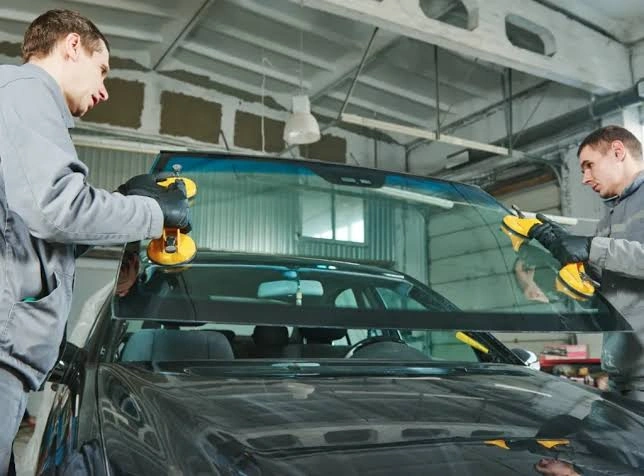
Resealing a windshield involves fixing the perimeter barrier that keeps water, air, and debris out of your cabin. Auto glass relies on high-strength polyurethane adhesive to stay bonded to the metal pinch weld of your vehicle frame.
When this adhesive degrades, gaps form. Resealing does not mean squeezing silicone over top of old glue. True professional resealing requires removing the trim, cutting out the old urethane, treating any rust on the metal pinch weld, applying primer, and laying fresh auto-grade polyurethane sealant.
How Much Does It Cost to Reseal a Windshield?
The average reseal windshield cost ranges from $100 to $250 for most cars and trucks. Basic passenger vehicles fall on the lower end of this range, while larger vehicles or those with complex molding run higher.
Here is a quick overview of typical pricing:
- Minor perimeter touch-up (without full removal): $80 to $120
- Full remove-and-reseal (R&R service): $120 to $250
- Reseal with rust treatment on the frame: $170 to $300+
If you are wondering how much to reseal a windshield at a dealer versus an independent auto glass shop, dealers usually charge higher hourly labor rates, pulling the cost up toward $300.
Factors That Affect Windshield Resealing Costs
Several key elements influence the total windshield leak repair cost:
1. Labor Complexity
To reseal the glass correctly, technicians must carefully pull off outer moldings and interior trim. Older, brittle trim clips often break during removal and must be replaced, adding $15 to $40 in parts.
2. Rust and Corrosion on the Pinch Weld
Water leaking behind the glass often causes hidden rust on the frame. Technicians must scrape away the rust, sand the metal, and apply an anti-corrosion primer before putting down new urethane. Frame preparation adds labor time and material fees.
3. Glass Risk and Breakage
Removing intact auto glass carries a risk of cracking the pane. If the glass snaps during removal, the job turns into a full replacement. Some shops charge slightly higher labor to cover the specialized removal tools required.
4. Advanced Driver Assistance Systems (ADAS)
Modern cars feature safety cameras mounted behind the rear-view mirror. Removing the glass to reseal it may disrupt camera alignment, requiring sensor recalibration that can add $150 to $400.
Signs Your Windshield Needs Resealing
You do not always need a rainstorm to notice a seal failure. Look for these warning signs:
- Soggy floorboards or damp carpets after rain or a car wash.
- Whistling or rushing wind noise coming from the front glass at high speeds.
- Fog or moisture builds up inside the glass surface regularly.
- Musty smells inside the cabin that will not go away.
- Visual gaps, lifting, or peeling along the outer rubber molding.
Can a Leaking Windshield Be Resealed?
Yes, a leaking windshield can be resealed if the glass itself is completely intact. If there are no cracks or chips spreading through the glass, a technician can fix the seal.
However, if the leak occurs because a crack extends all the way to the edge of the glass, resealing will not fix the issue. In that case, water enters through the crack rather than under the glue line, making glass replacement necessary.
Windshield Resealing vs Windshield Replacement
Understanding whether to repair the seal or replace the unit helps you avoid spending money twice.
Choose Resealing when: The glass is crack-free, original OEM glass, and the leak comes purely from adhesive breakdown or poor past installation.
Choose Replacement when: The glass is pitted, chipped, or cracked, or if the pane shatters during removal.
The total cost to reseal windshield components is noticeably lower than buying new glass. A full glass replacement usually costs between $250 and $1,000 depending on vehicle make and camera options.
How Is a Windshield Resealed?
Professional auto glass technicians follow a structured procedure to ensure a long-lasting, watertight seal:
Inspection: The technician tests the leak using water or air pressure to locate the exact gap.
Trim Removal: Outer molding, wiper arms, and interior pillar covers are detached.
Glass Cut-Out: Using specialized wire or cold-knife tools, the old polyurethane bond is sliced carefully to free the glass.
Pinch Weld Prep: Old adhesive is trimmed down to a thin layer. Any exposed metal is treated for rust and painted with primer.
Urethane Application: A high-viscosity auto glass polyurethane bead is laid along the frame.
Setting and Curing: The glass is placed back into position, pressed down, and held with secure tape while the urethane cures.
How Long Does Windshield Resealing Take?
The physical work to remove, clean, and reset glass takes about 1 to 2 hours. However, you cannot drive the vehicle immediately after the work finishes.
Auto glass urethane requires a specific safe drive-away time to cure enough to hold the glass during an impact or airbag deployment. Curing takes between 1 and 4 hours depending on the adhesive formula, ambient temperature, and humidity. Expect the full service to take around 3 to 5 hours total.
Can You Reseal a Windshield Yourself?
Attempting a DIY fix with household silicone sealant from a hardware store is strongly discouraged. Household silicone does not bond securely to automotive paint or glass and degrades under UV exposure within months.
More importantly, your front glass is a structural safety component. In a rollover accident, the glass supports the roof. In a front-end crash, it acts as a backstop for passenger airbags. Using improper sealant compromises vehicle structural safety.
While DIY sealant kits cost under $20, improper application often leads to trapped moisture, accelerated frame rust, and higher repair bills later.
When Should You Reseal or Replace a Windshield?
Knowing how much does it cost to reseal a windshield helps you make a smart decision when leaks start.
Reseal: If your glass is undamaged, less than 5 years old, and leaking due to a minor factory adhesive void or trim issue, a simple reseal protects your investment.
Replace: If your vehicle is older with heavily pitted glass, or if the glass already has minor chips near the border, replacing the glass entirely is often more cost-effective since the removal labor is identical.
Conclusion
Water leaks around auto glass should be handled quickly to protect your vehicle’s frame and electrical components. When budgeting for repairs, keep in mind that the baseline cost to reseal a windshield typically lands between $100 and $250.
If you are dealing with auto glass issues, leaks, or cracks in Central Texas, trust the certified professionals at Texas Reliable Auto Glass. We provide expert evaluations to determine whether a simple seal repair or a full Windshield Replacement in Austin is the safest option for your vehicle.

FAQs
Will auto insurance cover the cost to reseal a windshield?
If you have comprehensive auto coverage, your insurer may cover glass leak repairs, especially if the leak resulted from vandalism, storm damage, or an accident. Check with your provider regarding your glass deductible.
How do I temporarily stop a windshield leak before my repair appointment?
You can apply painter’s tape or automotive masking tape over the outer molding gap on the exterior roofline. Avoid using duct tape, which leaves adhesive residue that can damage clear-coat paint.
Why did my windshield start leaking without any glass damage
Thermal expansion, extreme temperature swings, body flex from rough roads, or poor workmanship from a past glass replacement can cause the original urethane seal to separate over time.