
A sunroof can make your car feel brighter, more open, and more enjoyable to drive. It lets natural light into the cabin and gives you fresh air without opening a side window. However, it can also add to the purchase price and require extra care over time.
So, is a sunroof worth it? For many drivers, yes, if they enjoy the open feel and can handle the added cost. If you live in a hot climate, rarely open the roof, or want lower repair costs, a car without one may be the better choice.
What Is a Sunroof and How Does It Work?
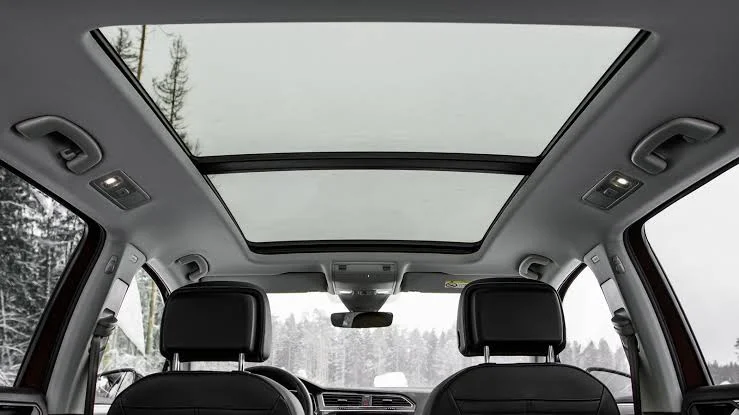
A sunroof is a panel in a car’s roof that lets light into the cabin. Most modern sunroofs use tinted glass. Depending on the design, the panel may tilt, slide open, or remain fixed.
When you open a movable sunroof, fresh air can enter the cabin. Some systems tilt the rear edge upward to release warm air. Others slide back to create a larger opening.
There are several common types:
- Pop-up sunroof: A simple panel that lifts to allow airflow.
- Sliding sunroof: A panel that moves back or into the roof.
- Panoramic sunroof: A large glass roof that covers much of the cabin.
- Fixed glass roof: A glass panel that lets in light but does not open.
A sunroof is not always the same as a moonroof. The terms often overlap, but a moonroof usually refers to a glass panel that lets light in, even when closed. Check the vehicle’s features before buying because designs vary by model.
What Are the Benefits of a Sunroof?
The benefits of having a sunroof go beyond its appearance. It can change how your car feels during daily drives, road trips, and mild-weather days.
1. More Natural Light
A glass roof lets sunlight enter the cabin. This can make the interior feel brighter and less enclosed, especially in cars with dark seats and trim.
Passengers may also enjoy the view of the sky during long trips. A panoramic roof can make the rear seats feel more open.
2. Fresh Air and Better Ventilation
Opening a sunroof can bring fresh air into the cabin. A tilted panel can also help release some warm air when the car is parked in suitable conditions.
However, a sunroof is not a replacement for air conditioning. Its effect depends on the weather, vehicle speed, and how far the panel opens.
3. A More Enjoyable Driving Experience
A sunroof can make scenic drives feel more pleasant. You can enjoy fresh air on a cool morning or let in more light during a cloudy day.
It is especially useful for drivers who enjoy open-air travel but do not want a convertible.
4. Possible Appeal to Future Buyers
Some buyers prefer cars with sunroofs, particularly in higher trim levels. This feature may make a used vehicle more appealing to certain shoppers.
Still, a sunroof does not guarantee a higher resale price. The car’s condition, mileage, model, service history, and local demand matter more.
Does a Sunroof Make a Car Hotter?
Yes, a sunroof can contribute to cabin heat because sunlight passes through the glass. The amount of heat depends on the glass, tint, sunshade, outside temperature, and how long the car sits in direct sunlight.
A closed sunroof does not stop all solar heat. A panoramic roof may expose a larger area of the cabin to sunlight than a small glass panel.
You can reduce heat with a few simple steps:
- Close the sunshade when parking in direct sunlight.
- Use a suitable windshield sunshade to block sunlight from the front.
- Park in a garage or shaded area when possible.
- Use the air conditioner to cool the cabin before driving.
- Check whether the car has heat-reducing glass or a built-in sunshade.
For drivers in hot places such as Texas, these steps can make a real difference. If your car spends most of the day outdoors, test the cabin temperature before choosing a model with a large glass roof.
A sunroof can still be enjoyable in warm weather. You may simply use it less during the hottest hours of the day.
Is a Panoramic Sunroof Worth the Extra Money?
A panoramic sunroof usually covers a larger part of the roof than a standard sunroof. It can brighten both front and rear seating areas, making the cabin feel more spacious.
However, the larger glass area also has trade-offs. It may add weight, increase sun exposure, and cost more to repair if the glass or moving parts fail.
Some panoramic roofs have separate glass sections, while others use one large panel. Some open, and others remain fixed. The design affects how much fresh air you get and how the roof operates.
Before paying extra, consider these points:
- Cabin comfort: Check whether the sunshade blocks enough light.
- Headroom: Sit in the front and rear seats to check available space.
- Maintenance: Ask about cleaning, drainage, and repair needs.
- Warranty: Review coverage for the glass, motor, seals, and moving parts.
- Price difference: Compare the roof option with other features you could buy.
A panoramic roof may be worth it if you value natural light and plan to keep the car for several years. If you mainly want fresh air, a smaller opening roof may be enough.
Does a Sunroof Affect Fuel Economy and Resale Value?
A sunroof can affect fuel economy because its glass, frame, and motor add weight to the vehicle. The exact effect varies by model and roof design. It is usually only one of several factors that influence fuel use.
Roof aerodynamics matter, too. Driving with an open sunroof can increase wind resistance and cabin noise. The effect depends on vehicle speed and design, so there is no single fuel penalty that applies to every car.
If fuel savings are your main goal, compare official fuel economy figures for the exact models and trim levels you are considering.
Resale value is less predictable. A sunroof may attract buyers who want a more premium interior, but it may not add enough value to recover its original cost. A damaged or leaking roof can also make a used car harder to sell.
When comparing two similar cars, look at their asking prices, mileage, service records, and overall condition. Do not assume the sunroof alone makes one car a better deal.
Is a Factory-Installed Sunroof Better Than an Aftermarket Sunroof?
In most cases, a factory-installed sunroof is the safer choice when buying a car. It is designed as part of the vehicle and fitted according to the manufacturer’s specifications.
Factory systems are usually integrated with the roof structure, wiring, drainage paths, and interior trim. The exact level of integration depends on the vehicle.
An aftermarket sunroof may cost less at first, but installation quality matters greatly. Cutting into the roof can affect its structure, create leak risks, or cause problems with wiring and interior trim.
Before choosing an aftermarket system, ask the installer:
- What warranty covers the installation and parts?
- How is the roof sealed against water?
- Will the modification affect the vehicle’s warranty?
- Does the work affect roof strength or airbag components?
- What happens if the motor fails or water enters the cabin?
Never choose an installer based on price alone. Check their experience, reviews, and written warranty terms. If your car already has a factory sunroof, use a qualified repair shop when problems arise.
Who Should Buy a Car With a Sunroof?
A sunroof is a good choice for drivers who value natural light, fresh air, and a more open cabin. It can also suit people who enjoy scenic drives and plan to keep their car in good condition.
It may be worth buying if you:
- Enjoy driving in mild weather.
- Often travel through scenic areas.
- Want more natural light inside the cabin.
- Can afford the added purchase and repair costs.
- Have access to reliable maintenance and repair services.
You may want to skip it if you:
- Park outside in extreme heat every day.
- Rarely open the roof or use the sunshade.
- Prefer the lowest possible ownership costs.
- Need maximum headroom in a small vehicle.
- Plan to buy an older car with an unclear service history.
When deciding is a sunroof worth it for your needs, think about how you actually use your car. A feature you enjoy every week may be worth the cost. One you rarely use may not be.
Sunroof Maintenance Tips to Avoid Expensive Repairs
Regular care can help keep your sunroof working properly. You do not need a complex routine, but small checks can help you spot trouble early.
- Keep the glass clean. Use a suitable glass cleaner and a soft cloth. Avoid harsh tools that may scratch the surface.
- Check the seals. Look for cracks, gaps, or signs of wear around the edges. Damaged seals should be checked by a qualified technician.
- Keep drainage areas clear. Many sunroofs use drain channels and tubes to carry water away. Dirt and leaves can block them, allowing water to enter the cabin. Follow the owner’s manual for cleaning guidance.
- Watch for warning signs. Slow movement, unusual noises, water stains, damp carpets, or musty smells may point to a problem. Have these signs checked before the damage spreads.
- Use the roof as directed. Avoid forcing a stuck panel open or closed. Follow the owner’s manual for operation, cleaning, and care.
If water enters the cabin, do not assume the glass seal is always at fault. A blocked drain, damaged seal, or other issue may be responsible. A proper inspection can identify the cause.
Conclusion
So, is a sunroof worth it? Yes, if you value natural light, fresh air, and a more open cabin. It can make daily drives and road trips more enjoyable, but it also adds cost and requires care.
Before buying, compare the vehicle’s price, roof design, warranty, and expected maintenance. Test the car in warm weather and check the sunshade, headroom, and roof operation.
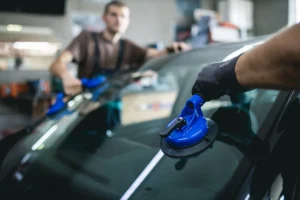
If your sunroof has a leak, cracked glass, or a faulty motor, getting it checked early can help prevent further damage. Texas Reliable Auto Glass offers professional assistance for drivers who need reliable Sunroof Repair in Austin to keep their vehicle’s sunroof in good condition.
The best choice is the one that fits your climate, budget, and driving habits. Do not pay extra for a feature you will rarely use.
Frequently Asked Questions
Are sunroofs worth it?
Yes, for drivers who enjoy natural light and fresh air. They may not be worth the added cost if you rarely use them or want simpler maintenance.
Do sunroofs leak over time?
They can leak if seals wear out, drainage channels become blocked, or parts get damaged. Regular checks and prompt repairs can help prevent water damage.
Does a sunroof make a car hotter?
It can. Sunlight passing through the glass may warm the cabin, especially when the car sits in direct sunlight. A sunshade and shaded parking can help.
Is a panoramic sunroof better than a regular sunroof?
A panoramic roof provides a wider view and more natural light. A regular sunroof may cost less and expose less of the cabin to sunlight. The better option depends on your needs.
Does a sunroof increase resale value?
Not always. Some buyers like the feature, but its effect on resale depends on the vehicle, local demand, condition, and service history.
Is a sunroof worth the extra money?
It is worth the extra money if you will use it often and can afford maintenance. Compare the price difference with other features before making a decision.
Is a factory-installed sunroof better than an aftermarket one?
Usually, yes. A factory system is designed for the vehicle, while an aftermarket installation depends heavily on the installer and the quality of the parts.