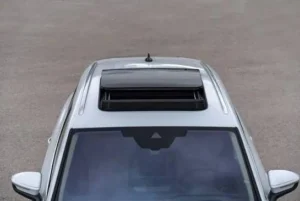

A sunroof makes driving more enjoyable by letting fresh air and sunlight into your car. Many drivers open it to improve airflow or enjoy a pleasant day. However, driving with an open sunroof also raises questions about safety, wind noise, and weather. Knowing when to open or close it helps protect you and your passengers.
Can I open my sunroof while driving? Yes, you can open most sunroofs while driving. However, you should follow your vehicle’s owner’s manual and consider your speed, weather, and road conditions. Keeping it slightly tilted can also provide fresh air without opening the roof fully.
Is It Safe to Open Your Sunroof While Driving?

Yes, opening your sunroof while driving is generally safe when you use it correctly. Most modern cars allow drivers to operate their sunroofs while the vehicle is moving. Still, safe use depends on your car’s design and the conditions around you.
An open sunroof allows fresh air to enter the cabin. It can make a short trip feel more comfortable, especially during pleasant weather. However, strong winds, flying debris, and heavy rain can create problems.
Here are some important safety points to remember:
- Keep your eyes on the road when using sunroof controls.
- Never put your head, hands, or arms through the opening.
- Keep loose items away from the roof opening.
- Close the sunroof during heavy rain or strong winds.
- Follow the speed and operating instructions in your owner’s manual.
For example, imagine driving through a quiet neighborhood on a sunny afternoon. Opening your sunroof slightly can improve airflow without causing much disturbance. However, the same opening may become uncomfortable on a windy highway.
Your vehicle’s safety instructions should always guide your decision. There is no single rule that applies to every car model.
Can You Open a Sunroof at Highway Speeds?
You can operate some sunroofs at highway speeds, but that does not mean fully opening them is always a good idea.
As your car moves faster, airflow around the roof changes. This can create extra noise, pressure changes, and turbulence inside the cabin. Some drivers also notice a strong buffeting sound when several windows or the sunroof are open.
The effect depends on your vehicle’s shape and sunroof design. A small opening may feel comfortable in one car but create loud wind noise in another.
Before opening your sunroof on a highway, consider these factors:
Wind noise: Higher speeds can make air rushing through the opening louder. This may make conversations harder and distract passengers.
Flying debris: Dust, small stones, insects, and other objects can enter through an open roof.
Passenger comfort: Strong airflow may cause discomfort, especially for children and passengers sitting near the opening.
Vehicle instructions: Some manufacturers provide operating warnings or restrictions for certain roof systems.
There is no universal safe speed for every sunroof. Check your owner’s manual instead of relying on a general speed limit found online.
If the airflow becomes uncomfortable or noisy, close the roof. Never adjust the controls in a way that takes your attention away from driving.
What Happens If You Drive With Your Sunroof Open?
Driving with an open sunroof changes the airflow inside your vehicle. This can affect passenger comfort, cabin noise, and the amount of outside material entering your car.
Here are some common effects.
1. Increased Wind Noise
An open sunroof creates an opening where outside air enters. At higher speeds, this airflow can produce loud sounds and pressure changes.
You may notice a repeated thumping or buffeting noise. This often happens when air pressure builds and releases inside the cabin.
2. Dust and Debris Can Enter
Dust, leaves, insects, and small particles can enter through an open roof. This can make your seats and dashboard dirty.
Drivers should be extra careful when traveling on gravel roads or dusty routes.
3. Cabin Temperature Can Change
An open sunroof allows outside air to mix with the air inside your car. This can help remove warm air when the weather is mild.
However, during hot weather, outside air may make the cabin warmer. Your air conditioning system may also need to work harder to maintain a comfortable temperature.
4. Passengers May Feel Uncomfortable
Strong airflow can disturb passengers, especially those sitting near the roof opening. It may also blow hair, papers, and other loose items around the cabin.
Keeping the opening small can help reduce these problems.
5. Fuel Economy May Be Affected
An open sunroof can change your car’s aerodynamics. This may increase air resistance and affect fuel economy, particularly at higher speeds.
The actual effect depends on your vehicle, speed, and driving conditions. It is not the same for every car.
Should You Open Your Sunroof or Use Vent Mode While Driving?
Both options provide fresh air, but they work in different ways.
Opening the sunroof fully creates a larger opening for outside air. Vent mode usually tilts the rear edge of the glass upward. This creates a smaller gap that allows some air to move through the cabin.
Vent mode is often a better choice when you want gentle airflow without exposing the entire roof opening.
Benefits of vent mode include:
- Less direct wind entering the cabin.
- Reduced exposure to outside dust and debris.
- A smaller opening during mild weather.
- Better comfort for passengers who dislike strong airflow.
However, vent mode does not make your sunroof waterproof. Rain can still enter, especially during heavy rainfall or when the car is moving.
If you want fresh air without too much noise, try the vent setting first. If it still feels uncomfortable, keep the roof closed and use your car’s ventilation system.
Can You Open Your Sunroof in Different Weather Conditions?
Weather plays an important role in car sunroof safety. The right choice depends on temperature, wind strength, and the chance of rain.
Driving in Rain
Keep your sunroof closed when rain starts. Even a small opening can allow water to enter your vehicle.
Water can damage interior materials and reach electrical parts. If you forget to close the roof, stop somewhere safe and check the cabin for moisture.
Some cars have rain-sensing features that automatically close the sunroof. However, not every model offers this feature. Never depend on it without checking your owner’s manual.
Driving in Hot Weather
Opening your sunroof can help release hot air trapped inside your car. This may make the cabin feel more comfortable when you first start driving.
However, direct sunlight can also heat the seats and dashboard. Use your air conditioning when needed and avoid leaving the roof open while parked in direct sunlight.
Driving in Cold Weather
You can use a sunroof during mild cold weather if your vehicle allows it. However, cold air can quickly make the cabin uncomfortable.
A tilted opening may provide some ventilation without letting in too much cold air. Close it if passengers start feeling uncomfortable.
Driving in Windy Conditions
Avoid opening your sunroof during strong winds. Dust, leaves, and other objects may enter the cabin.
Strong crosswinds can also make the airflow around the roof unpredictable. Keeping the glass closed is the safer option.
Do Different Types of Sunroofs Have Different Driving Restrictions?
Not every sunroof works in the same way. Understanding your roof type helps you use it correctly.
Standard Sunroof
A standard sunroof usually has a glass panel that slides open or tilts upward. Some models have manual controls, while others use electric switches.
These systems generally allow normal operation while driving, subject to the manufacturer’s instructions.
Panoramic Sunroof
A panoramic sunroof covers a larger part of the vehicle’s roof. Some models have one fixed glass panel, while others include movable sections.
A panoramic design does not always mean the entire glass roof can open. Check which sections are designed to move before operating the controls.
Because these roofs have different designs, follow your vehicle’s specific instructions.
Moonroof vs Sunroof
People often use the terms moonroof and sunroof interchangeably. However, they can describe different roof designs.
A traditional sunroof may use a solid panel that opens to expose the roof opening. A moonroof usually refers to a glass panel that allows light inside, even when closed.
Modern cars often use glass panels for both designs. Some include sliding covers that block sunlight while keeping the glass in place.
Always check your vehicle’s manual to understand how your particular system works.
Can Opening a Sunroof While Driving Damage Your Car?
Normal sunroof use does not usually damage a properly working system. Most modern sunroofs are designed for regular operation under the conditions described by their manufacturers.
However, incorrect use or an existing fault can cause problems.
Here are some issues to watch for:
Damaged seals: Old or worn seals may allow water and wind to enter the cabin.
Blocked drainage channels: Most sunroofs have drain tubes that carry water away from the roof. Dirt and debris can block these channels, causing leaks.
Mechanical problems: Damaged tracks, worn parts, or faulty motors can prevent the glass from moving correctly.
Broken glass: A damaged or weakened glass panel may need inspection. Avoid using a roof with visible cracks or other signs of damage.
If your sunroof makes unusual sounds, moves unevenly, or fails to close, have it inspected. Do not force the glass into position.
Sunroof Safety Tips Every Driver Should Know
Good driving habits can help you enjoy your sunroof without creating unnecessary risks.
Follow these practical tips:
- Read your owner’s manual: Learn how your specific sunroof works and whether it has operating restrictions.
- Check the weather: Close the roof when rain, strong winds, or storms are expected.
- Keep loose items secure: Remove papers and lightweight objects that could blow around.
- Avoid distractions: Use the sunroof controls only when you can do so safely.
- Check the glass: Look for cracks, chips, or signs of damage before using the roof.
- Clean the drainage areas: Keep the sunroof channels free from dirt and leaves.
- Listen for unusual sounds: Grinding, clicking, or scraping may indicate a mechanical issue.
- Close it before leaving your car: This helps protect the interior from rain, dust, and unwanted entry.
These simple habits can help reduce common problems and keep your sunroof working properly.
Conclusion
An open sunroof can make everyday driving more comfortable, especially during pleasant weather. You can enjoy fresh air while driving, but always consider your speed, weather, and vehicle instructions. Avoid opening it during heavy rain or strong winds, and use vent mode when you prefer gentle airflow.
Regular care also matters. Check the glass, seals, and drainage channels to catch problems early. If your roof leaks, makes unusual noises, or refuses to close, get professional help.
If you notice damage or need expert assistance, Texas Reliable Auto Glass can help you explore your repair options. Visit our Sunroof Repair in Austin, TX service page to learn more about getting your sunroof inspected and repaired.

Frequently Asked Questions
Can I open my sunroof while driving at 70 mph?
Some vehicles allow sunroof operation at highway speeds, but the experience can become noisy and uncomfortable. Check your owner’s manual for any speed-related restrictions. Avoid opening it if strong airflow or road conditions create a distraction.
Is it safe to drive with a panoramic sunroof open?
Yes, if your vehicle allows it and the conditions are suitable. However, not every panoramic roof opens. Some models have fixed glass panels, while others include movable sections.
Does opening a sunroof affect fuel economy?
Yes, it can affect fuel economy because an open roof may increase aerodynamic drag. The effect depends on your vehicle’s design and driving speed.
Is it better to open windows or the sunroof while driving?
It depends on your comfort and vehicle design. Windows may provide more direct airflow, while a sunroof can let air enter from above. Try either option at a comfortable speed and avoid excessive wind noise.
Can a sunroof shatter while driving?
Sunroof glass can break due to impact, existing damage, or other factors. If you notice cracks or chips, have the glass inspected. Avoid using a damaged sunroof until it has been checked.
Can I leave my sunroof tilted while driving?
Many vehicles allow drivers to use the tilt setting while moving. It provides ventilation through a smaller opening. However, check your owner’s manual and close it during rain or strong winds.
Can rain get inside a tilted sunroof?
Yes, rain can enter through a tilted opening. Some vehicles have designs that help reduce water entry, but they do not guarantee protection during heavy rain. Close the sunroof when wet weather begins.
Does an open sunroof increase wind noise?
Yes, opening the sunroof can increase wind noise, especially at higher speeds. The amount of noise depends on your car’s shape, roof design, and opening size. Closing the roof or using vent mode can help reduce it.