
Why is my sunroof making a clicking noise? | Simple DIY Fix
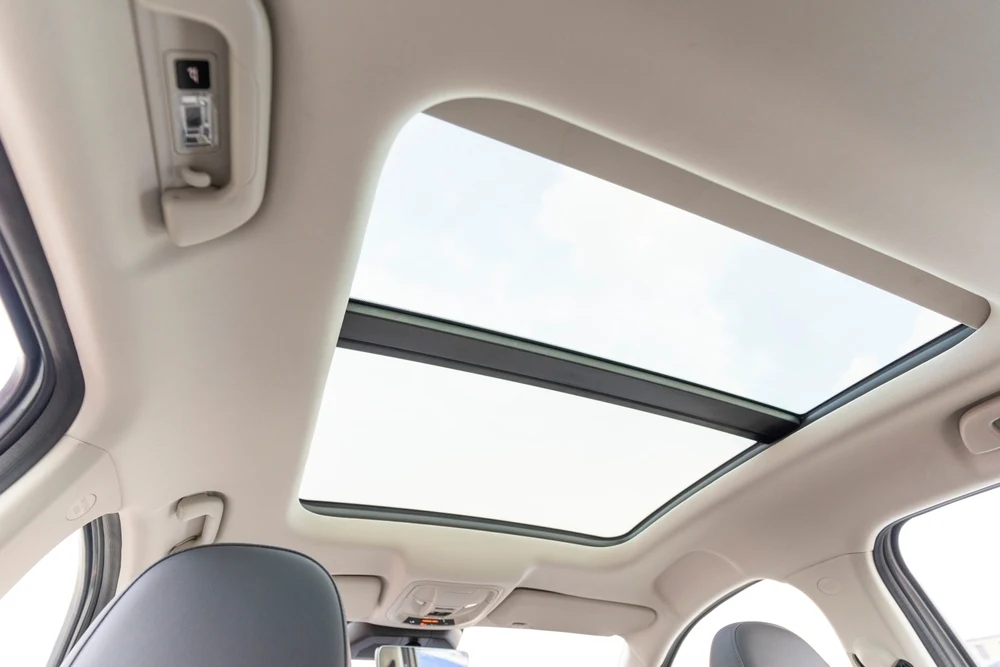
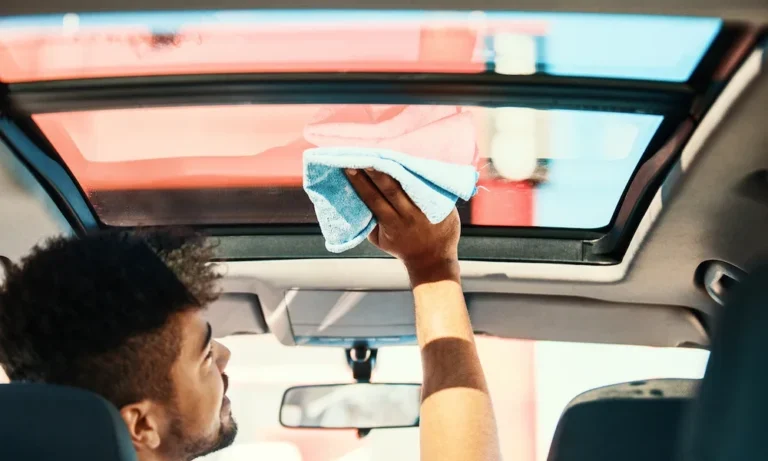
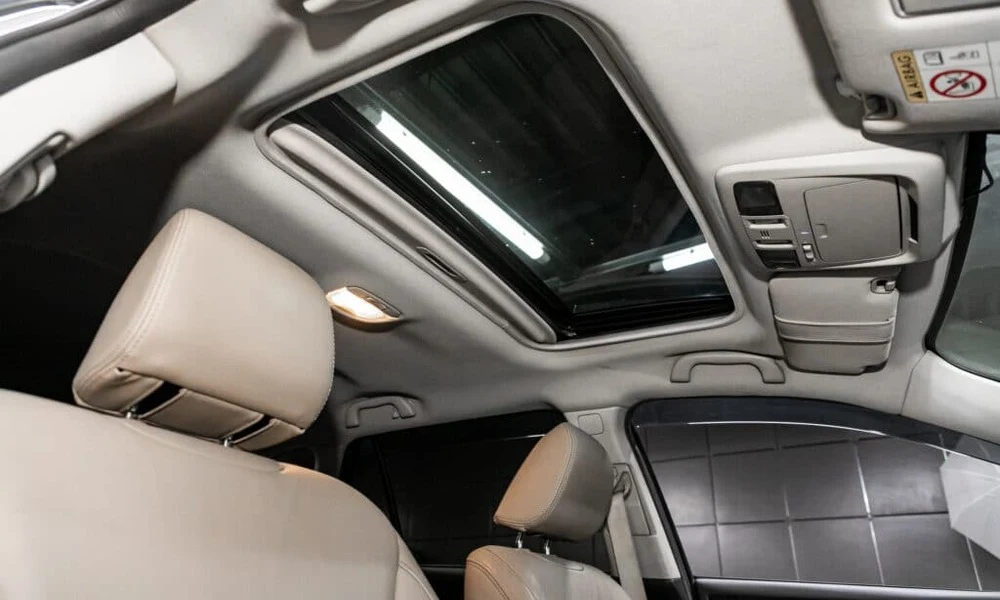
A clicking sunroof usually means stripped plastic gears in the motor, dry track cables, or loose mounting hardware. While it is annoying, you can often fix it by greasing the tracks, tightening loose bolts, or swapping out the motor assembly. If your overhead glass stutters or pops, finding the source early prevents total mechanical failure. Here is everything you need to know about why is my sunroof making a clicking noise, how to diagnose it, and the best ways to fix it. What Does a Clicking Noise from a Sunroof Mean? A clicking noise is the clear sign of mechanical resistance or component slip. When you press the open or close switch, the electric motor turns the drive gear. That gear meshes with helical cables that push or pull the glass alongside tracks. If those cables bind or the gear teeth wear down, the motor keeps spinning while skipping across the cable ridges. That rapid skipping sound is the clicking you hear. It means the motor is receiving power, but the mechanical linkage cannot move the weight of the glass panel. Why Is My Sunroof Making a Clicking Noise? Understanding why your sunroof makes a clicking noise comes down to how force transfers through the assembly. Auto manufacturers use lightweight materials inside roof assemblies to save weight and reduce overhead clearance. Over time, heat exposure, friction, and lack of grease break down these parts. When you activate the switch, power hits the drive gear. If the gear teeth are stripped or the track binds, force transfer fails. The gear skips over the cable, creating a rapid popping or clicking sound instead of smooth glass movement. Most Common Causes of a Clicking Sunroof Four main issues trigger a sunroof clicking noise in most vehicles: 1. Stripped Sunroof Motor Gears Most modern sunroof motors use nylon or plastic drive gears to minimize weight and reduce cabin noise. Over years of use, these plastic teeth wear flat. When the motor spins under load, the rounded gear teeth jump over the cable ridges rather than grabbing them, causing a sharp clicking sound. 2. Dry or Jammed Track Cables The helical cables running inside the side tracks rely on synthetic grease to slide without high friction. Dirt, pine needles, and dust enter the tracks and turn that grease into a sticky sludge. As friction grows, the cable binds. The motor attempts to pull the bound cable, resulting in the drive gear jumping teeth. 3. Loose Frame Mounting Bolts Vehicle vibrations and body flex can loosen the Torx bolts securing the sunroof motor frame to the roof bracket. When the frame shifts even a few millimeters, the motor drive gear pulls away from the drive cables. This gap allows the gear teeth to barely touch the cable, slipping continuously whenever under load. 4. Broken Lift Arms or Guide Shoes The glass panel attaches to plastic guide shoes and metal lift arms. If one guide shoe snaps or jumps its guide track, the glass tilts sideways. The motor then tries to force an uneven panel down the channel, binding the cables and forcing the drive gear to skip. Is It Safe to Keep Using a Sunroof That Clicks? It is safe to drive your vehicle with a clicking sunroof, but you should stop pressing the open/close button immediately. Continuing to run a sunroof motor clicking against bound cables turns a minor fix into an expensive overhaul. If you keep forcing the switch: You will completely strip the drive gear, leaving the glass stuck open in heavy rain. You risk burning out the electric motor windings, increasing replacement costs. You can snap the internal drive cables, which requires dropping the entire headliner to fix. If your glass is stuck slightly open, try gently pushing up or pulling back on the glass panel by hand while a helper presses the switch. Once it seals closed, leave it alone until you can inspect the assembly. How to Diagnose the Source of the Clicking Noise Locating the exact cause takes minimal tools and about 20 minutes. Step 1: Isolate the Sound Location Sit inside the vehicle with the engine off and key in the accessory position. Tap the sunroof switch briefly. Noise near the overhead console/dome light: The sunroof motor or drive gear is slipping. Noise along the side rails or rear roof panel: The track guides, lift arms, or cables are bound. Step 2: Visual Track Inspection Fully open the sunshade and inspect the side tracks with a flashlight. Look for broken plastic pieces, dried black grease, leaves, or bent metal guides. Step 3: Check Motor Mounting Tightness On many vehicles, you can remove the overhead console lens or map light assembly to access the sunroof motor. Wiggle the motor frame with your fingers. If it moves, loose mounting bolts are causing the gear gap. How to Fix a Sunroof Making a Clicking Noise Fixing a clicking glass roof ranges from simple maintenance to replacing worn drive hardware. 1. Clean and Relubricate the Tracks Remove old, contaminated grease from the tracks using rubbing alcohol and a microfiber cloth. Apply a fresh layer of lithium grease or silicone track lubricant along the entire guide channel. Run the glass back and forth manually to spread the grease evenly. 2. Tighten Motor Mounting Bolts If the motor frame shifted, loosen the mounting screws, push the motor housing firmly toward the cable housing so the gear teeth interlock fully, and torque the screws securely. 3. Replace the Motor or Drive Gear If the plastic gear teeth are rounded down, replace either the internal gear wheel or the complete motor assembly. Motor replacement typically involves removing three electrical connectors and three Torx fasteners. 4. Recalibrate the Sunroof Module Many modern panoramic systems lose track of their home positions after a battery drain or track slip. Resetting the module forces the system to relearn its stop limits. DIY Fixes You Can Try Before Visiting a Repair Shop Before paying for professional labor, try these straightforward
Why is my sunroof making a clicking noise? | Simple DIY Fix Read More »