
Water dripping from your headliner after a rainstorm is never a good sign. It usually means your sunroof drains are clogged or the seal has worn out. The good news is most leaks come from a handful of common causes, and many of them you can check yourself before calling a shop.
So, how to repair a leaking sunroof? Start by checking the drain tubes for clogs, since that’s the cause in most cases. From there, inspect the rubber seal and track for damage. This guide walks through every step, from diagnosis to a full fix.
Understanding Common Causes of Sunroof Leaks
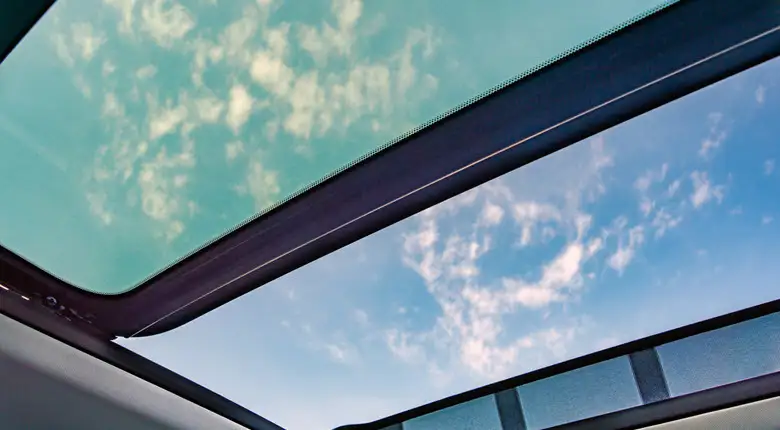
Before grabbing any tools, you need to know what’s actually causing the leak. Guessing wastes time and sometimes makes things worse.
Clogged drain tubes. Every sunroof has four small drain tubes, one in each corner, that carry water away from the roof and down through the door pillars. Leaves, dirt, and pollen build up inside these tubes over time. Once clogged, water has nowhere to go but inside your car.
Worn or cracked seals. The rubber gasket around the sunroof keeps water out when it’s closed. UV exposure and age cause this rubber to crack, shrink, or lose its shape. Once that happens, water seeps straight through during rain.s
Misaligned sunroof. If the sunroof doesn’t sit flush in its track, even a tiny gap lets water in. This often happens after a sunroof has been removed for repair and reinstalled slightly off.
Damaged drain tube connections. Sometimes the tubes themselves are fine, but they’ve disconnected from the fitting at the corner of the sunroof frame. Water exits the tube before it reaches the bottom of the car.
Cracked sunroof glass or frame. Less common, but a hairline crack in the glass or a warped frame lets water through no matter how clean your drains are.
Knowing which of these applies to your car determines your entire approach to fixing a leaky sunroof.
You can read about: Common Sunroof Problems
How to Identify Where the Leak Is Coming From
Before fixing a leaky sunroof, you must find the exact source. Start by opening the glass fully on a sunny day. Look closely at the thick rubber seal around the main glass. Check for dry rot, deep cracks, or missing chunks of rubber.
If the seal looks healthy, check the front drains next. Park your car on a completely flat surface. Get a small cup of clean water. Pour a little water directly into the front corners of the track. Watch closely to see where the water goes.
It should drain away very fast. Look under the car right behind the front tires. You should see a small puddle form on the ground. If the water pools inside the track, you have a heavy clog. If it drains very slowly, it is partially blocked.
You should also check the soft headliner inside the car. Water stains near the front map lights usually mean front drains are clogged. Stains near the rear window mean back drains are blocked. This simple water test saves you a lot of guessing time.
Tools and Materials Needed
You don’t need a garage full of equipment for most of these fixes. Here’s what to gather before you start.
- Compressed air can or a small air compressor with a nozzle attachment
- Plumber’s wire or a weed trimmer line (for clearing clogged tubes)
- Flashlight
- Microfiber cloths
- Isopropyl alcohol for cleaning seals
- Silicone-based seal conditioner or sunroof seal lubricant
- Replacement rubber seal (only if yours is cracked or worn)
- Small mirror to check awkward angles under the dash
- Painter’s tape (to mark drain tube locations before cleaning)
Most of these items cost under $30 total if you don’t already have them. The replacement seal is the priciest piece, usually running $40 to $90 depending on your vehicle.
Step-by-Step Guide to Fixing a Leaky Sunroof
Now we will cover how to repair a leaking sunroof in detail. Follow these simple steps carefully. Take your time to avoid causing any extra damage to the car parts.
Step 1: Clean the Sunroof Track
Open the glass all the way back. Look at the plastic track around the large opening. You will likely see dirt, dead bugs, and old dry leaves. Use a damp rag to wipe all this messy dirt away. A clean track stops new debris from entering the drain tubes.
Step 2: Locate the Drain Holes
Look closely at the very front corners of the open track. You will see small holes cut into the plastic. These are the main drain tubes. Some cars also have rear drains hidden in the back. Rear drains are much harder to see from the outside. You might need to park on a downhill slope to test them properly.
Step 3: Clear the Clogged Tubes
This is a vital step in leaking sunroof repair. Take your flexible weed trimmer line. Push the end into the drain hole very gently. Feed the plastic line down the tube slowly.
Stop right away if you feel hard resistance. Do not force the line. You might puncture the soft rubber hose inside the car pillar. Twist the line slightly to break up the tough dirt clog. Pull the line out and wipe the dirt off with a rag.
Step 4: Use Compressed Air
If the wire does not clear the clog, use compressed air. Keep the air pressure very low. High pressure can easily blow the tube off the plastic track fitting. Hold the air nozzle near the hole. Give it a short, quick burst of air. This often pushes the remaining dirt out the bottom of the car.
Step 5: Test the Drains Again
Pour another small cup of water into the front corner. The water should vanish quickly down the hole. Check under the car for a new puddle. If the water flows out fast, you successfully clear the bad clog. Repeat this exact process on the other side of the car. Learning how to repair a leaking sunroof gets easier with practice.
Replacing a Damaged Sunroof Seal
Sometimes clearing the dirty drains is not enough to stop water. If your drains are clear but you still get wet, check the glass seal. Learning how to fix leaking sunroof seals is very important to complete the job.
Start by removing the old rubber seal. Most seals just pull away from the sharp glass edge. Grab one loose end and gently peel it off. Take your time with this step. Some older cars have the seal glued to the metal body instead. Look at your auto repair guide if you feel unsure about removal.
Next, clean the surface thoroughly. Use rubbing alcohol and a clean dry rag. Wipe the exact edge of the glass where the old seal sat. Remove all old sticky glue and hard dirt. The glass must be totally clean and smooth. A clean edge helps the new rubber stick firmly.
Now, install the new fresh seal. Start at the back center of the glass piece. Press the new rubber seal onto the edge tightly. Work your way around the corners very slowly.
Do not stretch the rubber as you press it on. Stretching causes it to shrink later and create new leaks. Cut any extra rubber at the end so the two sides meet tightly. This tight fit stops major sunroof repair leaks from happening again.
Once the seal is on, wipe a light coat of silicone spray on it. This stops the rubber from sticking to the hot metal roof. It also keeps the rubber very soft for a longer time. Close the glass and test it with a garden hose.
Sealing Cracks in the Drain Pan
There is another trick for how to repair a leaking sunroof when parts break. The plastic drain pan under the glass can crack from old age. Water drips through the small crack directly onto your interior headliner.
First, find the hidden crack. Pour a little water into the track and watch closely. Look for water seeping through the flat plastic floor of the tray. A bright flashlight helps you see tiny hairline cracks easily.
You cannot seal a wet crack properly. Use a dry rag to soak up all the standing water. Let the open track sit in the warm sun for an hour. The plastic must be completely dry before you fix it.
Take a tube of clear RTV silicone. Squeeze a small thin bead over the crack. Use your bare finger to smooth it out flat. Make sure the silicone goes slightly past the edges of the tiny crack. Let the glue cure for twenty-four hours before testing it with water.
When DIY Repair Isn’t Enough
Some leaks go beyond what a home repair kit can solve. You’re dealing with a bigger issue if:
- The drain tubes are cracked or disconnected somewhere inside the door pillar, not just clogged
- The sunroof glass itself has a crack or chip
- The track mechanism is bent or the motor struggles to open and close smoothly
- Water is leaking even after seal replacement and drain cleaning
- You hear grinding or clicking sounds when the sunroof opens or closes
In these cases, a proper sunroof repair leaks diagnosis requires specialized tools and experience with your specific vehicle’s sunroof assembly. Pushing forward with DIY fixes on these issues often causes more damage, especially around the motor and track components.
Preventative Maintenance Tips
A little upkeep goes a long way toward avoiding leaks in the first place.
Clean your drain tubes twice a year. Spring and fall are good times, since that’s when pollen and leaves build up most.
Keep your sunroof track free of debris. Wipe down the track every few months with a soft brush to prevent dirt from working its way into the seal.
Condition the rubber seal seasonally. Just like windshield wipers, sunroof seals dry out from sun exposure. A quick conditioning every three to four months keeps the rubber from cracking.
Park in shade when possible. UV exposure is one of the biggest factors that breaks down rubber seals over time. Less direct sun means a longer-lasting seal.
Address small leaks immediately. A minor drip ignored for months can lead to mold growth, electrical issues, or rusted floor pans. Catching it early always costs less than catching it late.
Get an annual inspection. Even if you haven’t noticed a leak, having a shop check your drains and seals once a year catches problems before they show up as water in your car.
The True Cost of Ignoring a Leak
Water damage inside a car causes major problems quickly. Ignoring a small drip leads to very expensive garage bills. Water completely ruins the soft cloth headliner. It leaves ugly brown water stains that are very hard to clean.
Water also damages the heavy carpet on the floor. Wet carpet grows mold and starts to smell terrible in a few days. This bad smell is almost impossible to remove without replacing the entire carpet.
The biggest danger is electrical damage. Cars have many wires running under the carpet and headliner. Water causes these important wires to short out. You might lose your stereo, power windows, or interior lights. Learning how to repair a leaking sunroof early prevents these huge headaches.
Conclusion
Water damage inside a car smells bad and ruins the nice upholstery. Knowing how to repair a leaking sunroof saves you from costly auto repair bills. Most interior leaks happen because of simple dirt clogs in the tiny drain tubes. You can fix this issue easily with a thin wire and some water.
Always keep the tracks clean and the rubber seals very soft. If you follow these clear steps, your car will stay completely dry during heavy rain. If the problem looks too complex, it might be time to call a true expert. For the best professional help, consider reaching out for Sunroof Repair in Austin. The skilled team at Texas Reliable Auto Glass is always ready to fix your auto glass problems safely and quickly.

FAQs
How much does it cost to fix a leaking sunroof?
Doing it yourself costs less than ten dollars for simple tools. A professional shop might charge between one hundred and three hundred dollars to clear drains.
Can a leaky sunroof permanently damage my car?
Yes. Standing water ruins the cloth headliner and floor carpet. It can also short out electrical parts and cause hidden rust inside the car body.
How do you unblock a sunroof drain safely?
Use a long flexible weed trimmer line. Push it gently down the small drain hole to push the dirt out. You can also use low pressure compressed air.
Can I tape my sunroof shut to stop a leak?
Tape is only a very short term fix. It leaves sticky strong glue on your car paint. It will not hold up to heavy rain or hot sun.
Why does my sunroof leak inside the car wash?
Car washes use very high pressure water jets. These strong jets can force water past older rubber seals faster than the drains can clear it.