
Reliable Auto Glass

Sun Roof Repair

Can You Add a Sunroof to a Car? | Full Guide

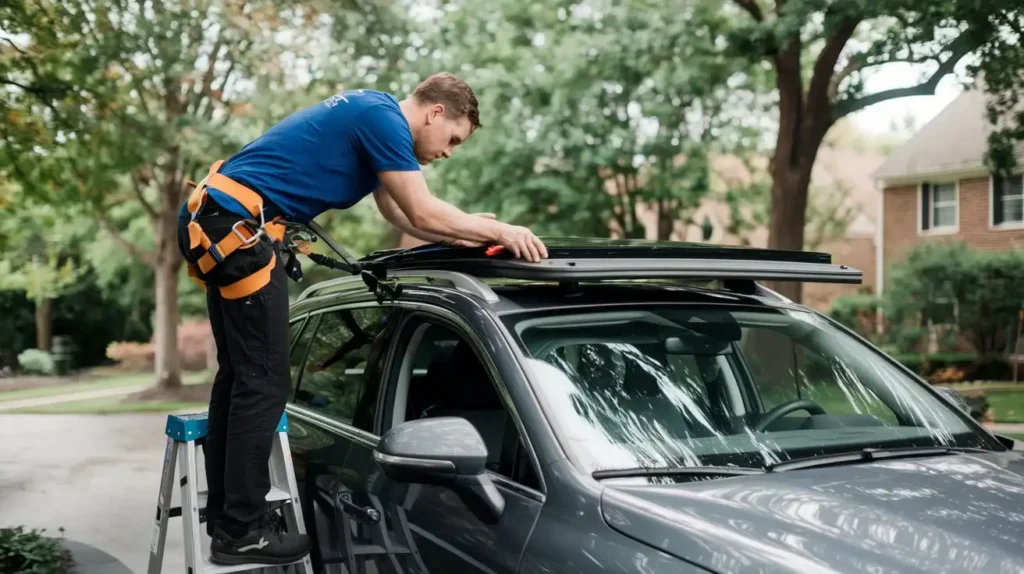
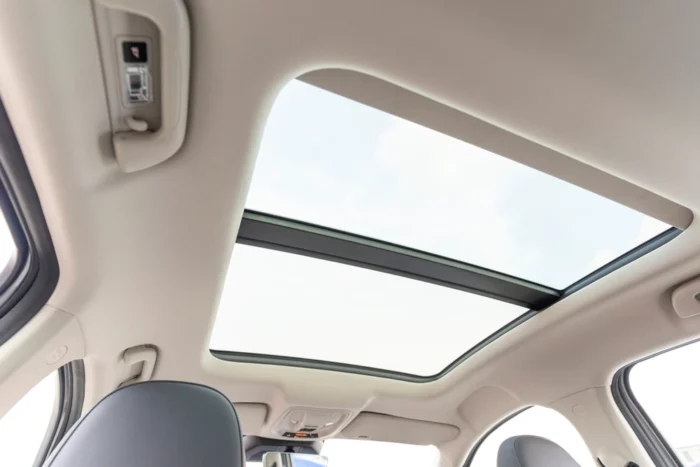
You bought a car without a sunroof and now you’re wondering if you made a mistake. Maybe you test-drove a friend’s car with one and loved it. Maybe you just want more light and fresh air on your commute. Either way, the question is fair and the answer might surprise you. Yes, can you add a sunroof to a car and in most cases, the answer is yes. It’s called an aftermarket sunroof installation. It’s a real service offered by auto glass shops and specialty installers across the country. It works. But there are important things to know before you book an appointment. Quick Answer: Can You Add a Sunroof to Any Car? Most cars can have an aftermarket sunroof installed. Not every single vehicle qualifies, but the majority of standard sedans, SUVs, and hatchbacks do. The key factors are roof structure, headroom, and the type of sunroof you want. A flat metal roof with enough interior clearance is typically all you need. A shop will inspect your vehicle before committing to the job. So if you’ve been asking yourself, can I add a sunroof to my car the answer for most people is yes, with the right installer and the right sunroof type. What Does It Mean to Add a Sunroof to a Car? Adding a sunroof means cutting an opening into your car’s roof and fitting a glass or panel unit into that space. The installer reinforces the surrounding metal, installs a frame, fits the glass, and seals everything to prevent leaks. It’s not a simple job. It requires precision cutting, structural reinforcement, and weatherproofing. When done correctly by a qualified shop, the result looks factory-fitted and functions reliably. When done poorly, it leaks, rattles, and causes rust damage. That’s why the installer you choose matters as much as the sunroof itself. How Does an Aftermarket Sunroof Work? An aftermarket sunroof functions the same way a factory sunroof does. Glass sits in a frame mounted on the roof. It either tilts open, slides back on a track, or pops up depending on the type. Most aftermarket units come with: A tempered or laminated glass panel A metal or aluminum frame A rubber seal around the perimeter A drain system to channel water away from the cabin A manual crank or electric motor for operation The drain system is the most critical part. It routes rainwater down through tubes that exit near the door sills or under the car. If those drains get blocked, water leaks inside. Types of Sunroofs You Can Add to a Car Not all sunroofs work the same way. Here are the main types available for aftermarket installation: Pop-Up Sunroof The most affordable option. The glass panel tilts upward at the rear to let air in. It doesn’t slide open. Simple, lightweight, and easy to install. Great for budget-conscious buyers. Inbuilt Sliding Sunroof The panel slides back under the roof, not over it. This preserves headroom better than a spoiler type. More complex to install but the most popular choice for a factory-like feel. Spoiler Sunroof The glass tilts and slides back, sitting on top of the roof when open. Easier to install than an inbuilt style. Slightly reduces headroom when open. Common in older installations. Folding Sunroof (Cabrio Style) A soft fabric panel that folds back like a convertible. Less common in modern installs. Works well on older or smaller vehicles. Provides a fully open-air experience. Panoramic Sunroof Covers a large portion of the roof with glass. Can span front and rear seating. The most complex and expensive aftermarket option. Not all vehicles can support it structurally. Sunroof vs Moonroof: What’s the Difference? People use these terms interchangeably, but they’re not the same thing. A sunroof is typically an opaque panel metal or glass that opens to let in air and light. Older sunroofs were often solid panels you could remove completely. A moonroof is a tinted glass panel that lets light through even when closed. It usually tilts or slides. Most modern “sunroofs” are technically moonroofs. For aftermarket installation, the distinction matters less. Most installers offer tinted glass panels that function as moonroofs. When people ask can a sunroof be installed in a car, they’re usually referring to this glass panel style. Can Every Car Have a Sunroof Installed? Most cars can. But not all. Here’s what can prevent a sunroof installation: Structural roof design. Some vehicles have internal roof bracing that leaves no clear space for a sunroof cutout. Convertibles and some sports cars fall into this category. Headroom clearance. If your interior headroom is already tight, a sunroof frame eats into that space. Most installers require at least 3 to 4 inches of clearance. Roof curvature. Highly curved roofs make it harder to fit a flat glass panel with a proper seal. Not impossible, but it limits your options. Existing sunroof infrastructure. Some base model cars are wired and braced for a factory sunroof that was never fitted. Those are ideal candidates for aftermarket installation. Vehicle age and condition. Rusty or structurally compromised roofs are not good candidates. Cutting into weakened metal creates safety and leak risks. A good installer will inspect your car first and tell you honestly what’s possible. Factors to Consider Before Adding a Sunroof to a Car Before you commit, think through these points: Your climate. If you live somewhere with heavy rain or snow, a well-sealed sunroof is critical. Drainage systems need to be maintained regularly in wet climates. How you use your car. If you park outside constantly, UV exposure through the glass can fade your interior faster. A UV-rated tinted panel helps. Your roof liner. The headliner inside your car will be cut and modified. In some vehicles, this is straightforward. In others, it’s complex and adds cost. Warranty implications. If your car is under a factory warranty, cutting the roof can void portions of it. Check with your dealer before proceeding. Installer experience. This is non-negotiable. Aftermarket sunroof installation requires precision. Ask

Can You Add a Sunroof to a Car? | Full Guide Read More »

What Sports Cars Have Sunroof? A Complete Guide

What Sports Cars Have Sunroof? | Top Models in 2026

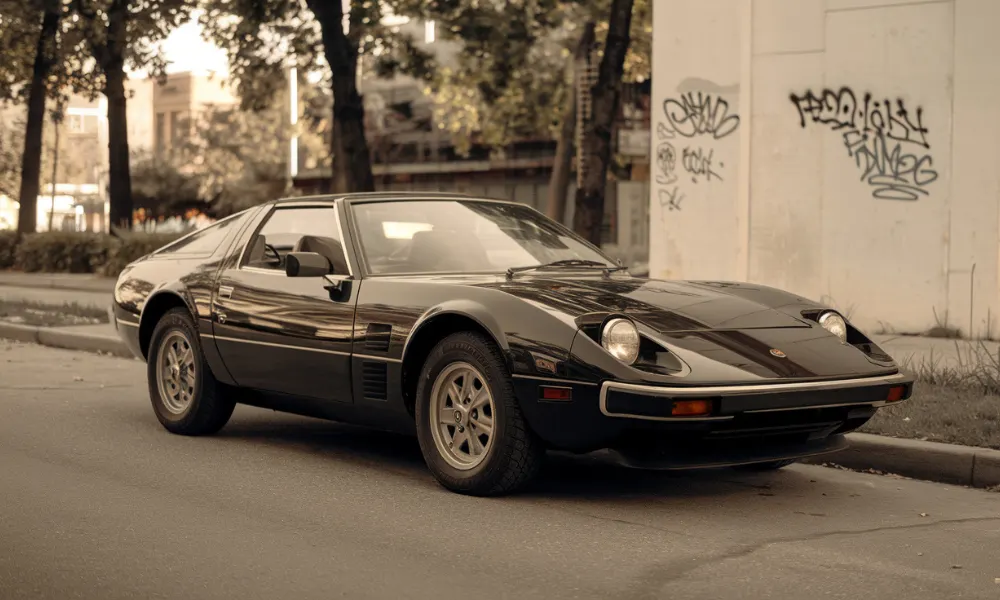
A lot of people, when they think about sports cars, think they have to go fast, they have to be tight in the corners, and have a low and aggressive stance. But a lot of drivers are simply left wondering: “What Sports Cars Have Sunroof options? Without losing that performance feel? In actual driving life, this is not such a ridiculous question, because comfort matters. Light, airflow, and a sense of luxury: that’s what a sports car sunroof provides, and it’s this daily pleasure that keeps so many drivers perky on the regular.  At Texas Reliable Auto Glass, we get calls from owners who are shocked to find that even some of the more hardcore performance models still have sunroof options, without losing too much of that style or driving dynamic. Do Sports Cars Really Come with Sunroofs?  Yes, there are sunroof options for sports cars these days, although they are rarer than for standard luxury cars. Sports car makers know how to make these systems work in the performance/weight/comfort matrix.  Why Are Sunroofs So Rare In Sports Cars?  A sports car is a sports car because of its performance. Every component of the car is tuned for speed, handling, and efficiency. A sunroof may add extra weight and have a slight effect on the center of gravity of the vehicle.  Among the reasons sunroofs are prohibited by vehicle manufacturers are:  Extra weight (that can affect performance)  Weaker roof (compared to a solid roof)Unequal distribution of heat leading to thermal stress cracks Faster snow/ice accumulation. Extreme weather can affect visibility and check defrost/defog after opening the sunroof   Installation of sunroof impact functioning of airbags.  Modifications to the aerodynamics  Added complexity to manufacturing  But with changing customer demands, there are more brands in 2016 offering sunroof sports car models that have a balance of performance and luxury.  Types of Sunroofs Available in Sports Cars  Not all sunroof systems work the same. Knowing about the different types may help you to select the right car.  1:Cast pop-up traditional sunroof.  Among the most basic of sunroof designs, the pop-up sunroof is also slanted on one side and can be opened for ventilation. This lets the glass panel tilt open for ventilation purposes.  Pros include:  Familiar controls  Lighter  Less maintenance required  This version was popular on earlier performance cars, more so in the past.  2:Power Sliding Glass Sunroof/Hatch  The power slide-open sunroof is opened and closed by the electric motor in the sunroof assembly. There is a consensus among the purchasers of modern sports cars that it is a must-have item. Benefits include:  Easy operation  Better airflow  More comfortable daily driving  3:Panoramic Glass Roof   Panoramic Glass Roof is available for the 2024 Ford Mustang.  Panoramic roofs have become a staple in luxury-performance cars of late. Choose from the best sports cars with panoramic sunroof options. Black Panoramic Sunroof Frame Black Sunroof Frame Sunroof Panoramic Sunroof Sunroof Screen Cover Was In Stock  The Advantages are:   More natural light,   premium appearance,   better passenger experience. Targa Roof vs Sunroof: What Is the Difference?  A targa roof is not like a regular sunroof. A targa roof section is removable and offers a much more potent open-air experience. A sunroof has a glass panel that slides or tilts open, while a targa roof is more about a convertible-style driving experience. However, panoramic systems tend to be heavier and may need more servicing.  Top Sports Cars That Come with Sunroof Options  A number of performance cars have sunroof or glass roof options. These cars show that comfort and speed can be combined.  Luxury Sport Coupe Options with Sunroof Choices  Luxury marques tend to offer the best balance of performance and comfort.  Popular examples include:  BMW 4 Series Coupe – Overview  Mercedes-Benz C-Class Coupe AMG  Audi A5 Coupe and S5 Coupe  Those are just a few of the best sports cars with sunroof that have made rounds in the world.  Sports Cars With  Glass Roof (Sunroof) Option  Some premium sports cars have modern glass roof solutions instead of a conventional sunroof.  Examples are:  Porsche 911 models with your choice of roofs  McLaren GT glass roof features  Aston Martin Vantage:   selected choices of roof options  In this respect, a sports car with a sunroof is normally intended to allow for more luxurious driving enjoyment rather than maximum ventilation.  Budget Sports Cars That Offer Sunroof Options  Speed enthusiasts need not break the bank for performance, as they too have options.  Examples include:  Ford Mustang with available sunroof options  Chevrolet Camaro with sunroof option  Toyota GR Supra in certain markets  These cars are very popular choices for people who want a cheap sunroof sports car.  Why Some Sports Cars Are Without Sunroofs  Sunroofs are comfortable, yet many high-performance cars still shun them.  1:Weight Cutting  Performance engineers are concerned with getting rid of unnecessary weight. Even minor weight gains can impact acceleration, braking, and cornering ability.  2:Structural Strength  A solid roof offers better body stiffness. This contributes to better handling, particularly while driving.  3:Aerodynamic Performance  Sports cars are made to travel swiftly through air. The smoother shape of the roof also improves airflow and reduces drag.  4:Engineering of track-focused  Performance is often prioritized over comfort in many track-oriented cars. Those vehicles aren’t designed with luxury in mind; they’re designed for maximum speed and handling.  Advantage of having a sunroof in a sports car  A sunroof is more than just a look enhancement. It makes for a better ride.  1:Greater air circulation  When road conditions aren’t too windy, opening the sunroof can also provide fresh air for the cabin and add to the pleasure of driving.  2:High-quality interior ambiance  A sunroof makes the interior of your vehicle brighter and airier.  3:Natural Light  Extra sunshine may cause the interior of a room to feel larger and cozier.  4:Better Resale Appeal  Most sports car buyers also like their cars to have some comfort features and a resaleable advantage in the second-hand market.  Cons of Sports Cars with Sunroof  Sunroofs have their benefits, but are not without their

What Sports Cars Have Sunroof? | Top Models in 2026 Read More »

Car Sunroof Installation | Professional Services in Austin

Car Sunroof Installation | Professional Services for Every Vehicle

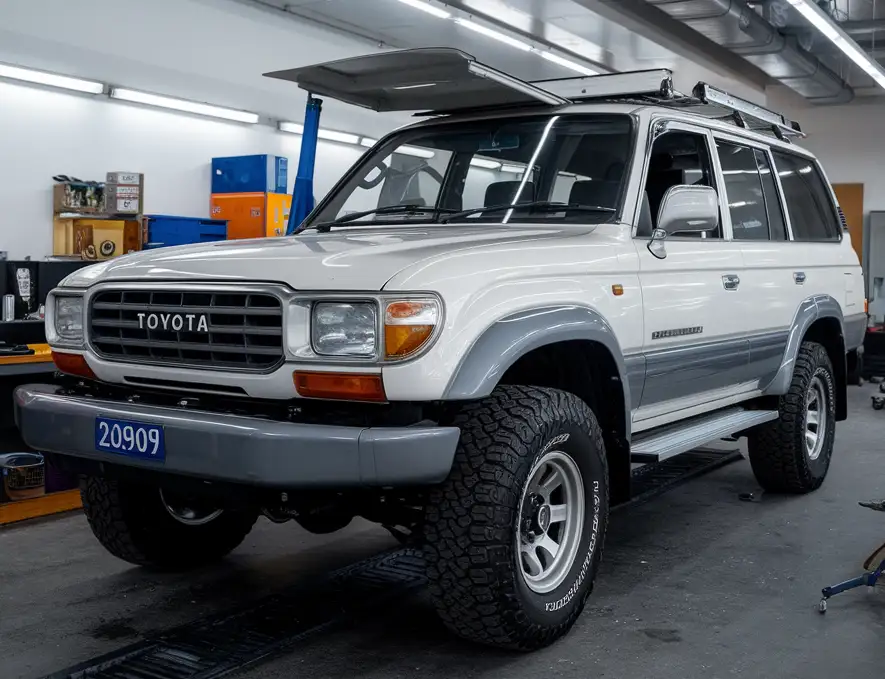
A sunroof can make driving more enjoyable by adding fresh air, sunlight, and a more open cabin feel. That is why many drivers are interested in Car Sunroof Installation as an affordable way to upgrade their vehicle. However, proper installation is important because poor work can lead to leaks, wind noise, and electrical problems.  At Texas Reliable Auto Glass, many customers ask about the safety, cost, and benefits of aftermarket sunroof installation. The right system can last for years with proper care. Whether you need sunroof installation or are searching for sunroof replacement near me, understanding the process helps you make a smarter decision. What Is Car Sunroof Installation? Car sunroof installation is the process of adding a movable or fixed glass panel to a vehicle roof. Some vehicles come with factory-installed sunroofs, while others can be upgraded later through aftermarket installation. Modern sunroof systems are designed to improve airflow, natural light, and driving comfort. Depending on the design, the glass may tilt, slide, or fully retract. How A Car Sunroof Works Most sunroof systems include: Tempered or laminated glass Metal frame assembly Electric motor Drainage tubes Rubber weather seals Sliding track mechanism When opened, the system allows airflow into the cabin while maintaining structural support around the roof opening. Factory Sunroof vs Aftermarket Sunroof Factory sunroofs are installed during vehicle manufacturing. They are built directly into the roof structure and electrical system. Aftermarket sunroof installation is completed after the vehicle is purchased. Professional installers modify the roof carefully to fit a compatible sunroof system. Factory systems usually offer better integration, but high-quality aftermarket installations can still perform very well when installed correctly. Is Aftermarket Sunroof Installation Safe? Yes, aftermarket installation can be safe when performed by experienced professionals. Proper sealing, structural reinforcement, and drainage management are critical. Low-quality installations may lead to: Roof leaks Weak roof support Wind vibration Electrical issues Premature glass failure This is why many drivers choose experienced specialists like Texas Reliable Auto Glass for professional sunroof work. Can You Install A Sunroof In Any Car? Many sedans, SUVs, trucks, and crossover vehicles can support a sunroof upgrade. However, not every vehicle is ideal for aftermarket installation. Vehicles Compatible With Sunroof Installation Cars with larger flat roof surfaces usually work best. Common compatible vehicles include: Sedans SUVs Pickup trucks Crossovers Luxury vehicles Cars That May Not Support A Sunroof Some vehicles have roof structures that limit installation options: Cars with curtain airbags near the roof edge Vehicles with limited roof space Older vehicles with roof rust Convertibles Certain sports cars Roof Structure & Space Requirements Before any Car Sunroof Installation, technicians inspect: Roof thickness Structural support Wiring locations Headliner space Drainage routing This inspection helps prevent future damage and ensures proper fitment. Important Safety Factors Before Installation Drivers should always ask: Will the roof need reinforcement? Is the installer experienced with my vehicle model? Will the installation affect airbags? Is the glass weather resistant? Is there warranty coverage? Different Types Of Car Sunroofs Choosing the right style matters because each system offers different features, costs, and maintenance requirements. Fixed Sunroof A fixed sunroof does not open. It mainly provides natural light and an upscale appearance. Pros Of Fixed Sunroofs Lower maintenance Fewer moving parts Lower installation cost Cons Of Fixed Sunroofs No ventilation Limited functionality Pop-Up Sunroof This older design tilts open manually for ventilation. Pros Of Pop-Up Sunroofs Budget-friendly Simple installation Lightweight design Cons Of Pop-Up Sunroofs Manual operation Limited opening range Sliding Sunroof Sliding systems move backward along tracks and are common in modern vehicles. Pros Of Sliding Sunroofs Better airflow Modern appearance Electric operation available Cons Of Sliding Sunroofs More maintenance Higher installation cost Spoiler Sunroof Spoiler sunroofs tilt and slide outward above the roof panel. Pros Of Spoiler Sunroofs Sporty appearance Good ventilation Cons Of Spoiler Sunroofs Increased wind noise External roof profile Panoramic Sunroof Panoramic systems use large glass panels covering much of the roof. Pros Of Panoramic Sunroofs Premium appearance More natural light Better passenger experience Cons Of Panoramic Sunroofs Expensive installation Higher repair costs Increased vehicle weight Folding Or Ragtop Sunroof These systems use folding fabric material instead of glass. Pros Of Folding Sunroofs Large opening Unique styling Cons Of Folding Sunroofs More weather exposure Fabric wear over time Car Sunroof Installation Process Step By Step Professional installation requires precision and experience. Vehicle Roof Inspection Technicians inspect the roof for: Structural integrity Wiring pathways Roof curvature Headliner clearance Measuring & Marking The Roof The roof opening must match the exact sunroof dimensions. Incorrect measurements can damage the vehicle permanently. Cutting The Roof Panel Specialized tools are used to cut the roof carefully while protecting nearby components. Installing The Sunroof Frame The frame supports the glass and ensures proper alignment. Wiring & Electrical Connections Electric systems are connected to: Sunroof controls Motors Safety switches Drainage Tube Installation Drain tubes direct water away from the roof opening. Proper drainage is essential for preventing leaks. Glass Fitting & Weather Sealing Technicians install weather-resistant seals around the glass edges to reduce water intrusion and wind noise. Water Leak & Function Testing After installation, the system is tested multiple times for: Smooth operation Leak prevention Motor function Proper drainage Custom Car Sunroof Installation Some drivers want more than a basic roof upgrade. Custom systems offer advanced styling and features. Benefits Of Custom Sunroof Installation Custom installations may provide: Larger glass panels Unique designs Better ventilation Enhanced appearance Popular Customization Options Drivers often choose: Tinted glass One-touch controls Rain sensors UV-protected glass Panoramic systems Things To Consider Before Custom Installation Custom work may increase: Installation time Electrical complexity Maintenance needs Overall cost Best Vehicles For Custom Sunroof Upgrades SUVs and larger sedans usually support custom designs more easily because of additional roof space. How Much Does Car Sunroof Installation Cost? The cost of Car Sunroof Installation depends on the sunroof type, labor complexity, and vehicle design. Average Car Sunroof Installation Cost Basic systems may start around several hundred dollars, while premium panoramic systems can

Car Sunroof Installation | Professional Services for Every Vehicle Read More »

Cars with Panoramic Sunroof | Best Affordable Picks

Cars With Panoramic Sunroof | Best Picks Ranked

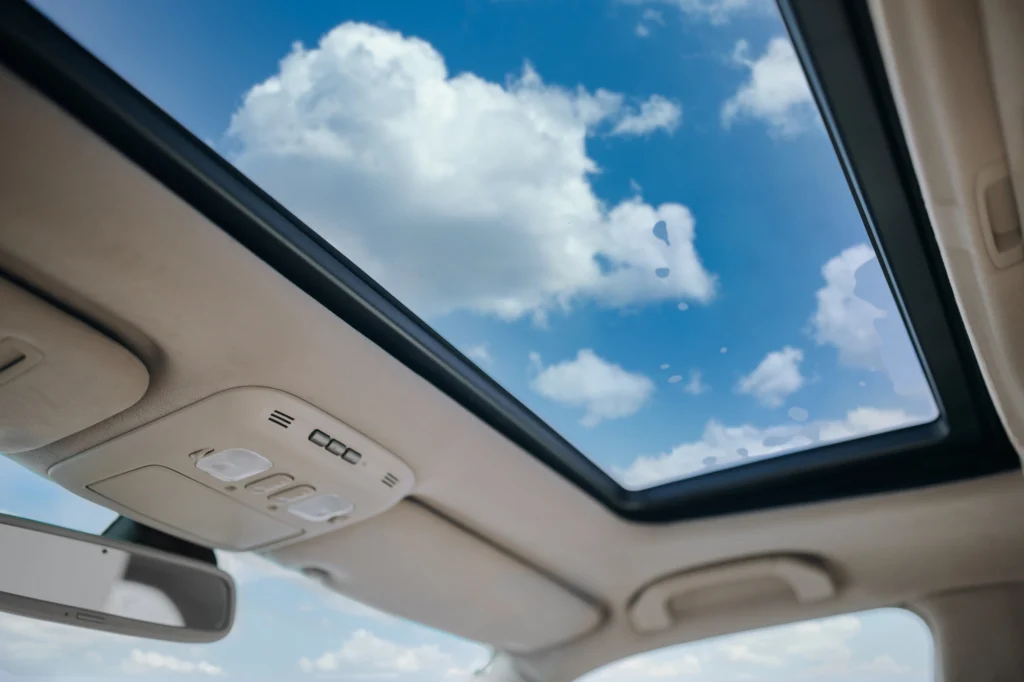
A panoramic sunroof turns an ordinary drive into something you actually look forward to. More light, more space, more sky. And the good news is you no longer need a luxury budget to get one. Cars with panoramic sunroof options now span every price range, from well-equipped SUVs to affordable sedans under 30,000 dollars. This guide covers the best picks right now, what to watch for before buying, and which models give you the most for your money. Why Choose a Car with a Panoramic Sunroof? A panoramic sunroof is larger than a standard sunroof. It typically stretches across most of the roof, covering both front and rear passengers. This creates a much more open, airy feel inside the cabin. Here are a few real reasons buyers prioritize it: Rear passengers get natural light, which most standard sunroofs never provide The cabin feels noticeably larger, even in smaller vehicles Fresh air on open days without full convertible exposure It adds resale value since buyers actively search for this feature That said, it is not perfect for everyone. We cover the trade-offs below. Things to Consider Before Buying a Car with a Panoramic Sunroof Before you commit, here are the practical things worth knowing. Weight: A glass panoramic roof adds around 200 pounds to the vehicle. This can slightly affect fuel economy and handling, so factor it in if efficiency is a priority. Heat buildup: Large glass panels absorb more heat. Most cars now include UV-blocking glass and a sunshade, but summer interiors can still get warm in direct sunlight. Noise: At highway speeds, some panoramic roofs produce a low-frequency wind noise. This varies a lot by model. Always check owner reviews for the specific vehicle you are considering. Repair costs: If the glass cracks or the mechanism fails, panoramic sunroof repairs cost more than standard sunroofs. Parts are larger and more complex. Headroom: In some vehicles, the roof glass panel slightly reduces headroom for taller occupants. Always check actual headroom specs before buying, not just marketing photos. Best Cars with a Panoramic Sunroof Right Now These models currently earn the highest marks for panoramic sunroof quality, reliability, and overall value based on the latest iSeeCars scoring data. Toyota Camry The Camry earns an 8.1 out of 10 reliability and value score from iSeeCars, making it the top-ranked midsize sedan with a panoramic sunroof. The XLE and XSE trims include the panoramic moonroof. Toyota’s long-term dependability record makes it a low-risk pick for any buyer. Volkswagen Golf The Golf tops iSeeCars’ small car rankings with a score of 8.4 out of 10, the highest of any compact car with a panoramic sunroof currently available. It pairs excellent driving dynamics with a clean interior and strong resale value. Volkswagen Golf GTI Just behind the Golf, the GTI earns a 7.9 iSeeCars score. It adds sportier performance while keeping the same panoramic roof option. A great pick if you want the driving feel to match the open sky above. Toyota Prius For hybrid buyers, the Prius earns 8.8 out of 10 from iSeeCars, ranking first among all hybrid cars with panoramic sunroofs. That is an exceptional score and reflects Toyota’s reputation for long-term reliability. Best SUVs with Panoramic Sunroof The SUV segment is where panoramic roofs really shine. More roof area means more visual impact inside the cabin. Here are the top-ranked SUVs with panoramic sunroof options, based on current iSeeCars data. Subaru Forester — Top Compact SUV Pick The Forester earns 8.4 out of 10 from iSeeCars, making it the highest-rated compact SUV with a panoramic sunroof right now. Most Forester trims include a panoramic glass sunroof as standard, which is rare at this price point. The latest model also got a redesigned center console and wireless charging. Starting price sits around 30,000 dollars. Toyota RAV4 — Best Hybrid SUV Option The RAV4 Hybrid earns 8.3 from iSeeCars, ranking first in the hybrid SUV category with a panoramic roof. The panoramic moonroof is available on the Limited trim. The RAV4 also holds its resale value better than most rivals in this segment. Hyundai Tucson — Best Value Compact SUV The Tucson starts just under 31,000 dollars per Kelley Blue Book. The panoramic sunroof comes standard on the Limited trim and is available on select SEL Premium packages. It recently earned an IIHS Top Safety Pick+ award and gained a towing upgrade to 2,750 pounds. A very well-rounded package for the money. Kia Sportage Hybrid — Cheapest SUV with Panoramic Sunroof If you are looking for the cheapest SUV with panoramic sunroof that still feels premium, the Kia Sportage Hybrid SX Prestige is the answer. According to Edmunds, this top trim undercuts most rivals while offering a panoramic sunroof, heated rear seats, and a Blind-Spot View Monitor. The Sportage Hybrid LX starts at around 30,490 dollars, with the panoramic roof coming on the SX Prestige trim. Kia backs it with a 10-year/100,000-mile powertrain warranty. Toyota Highlander — Best Midsize SUV The Highlander earns 8.3 from iSeeCars for midsize SUVs with panoramic sunroofs. Three rows, plenty of passenger space, and a panoramic roof that covers both front and second-row passengers. Reliability and resale value are both strong. Hyundai Santa Fe The Santa Fe earns 8.2 from iSeeCars in the midsize class. The recent redesign brought a larger cabin, better technology, and a more refined interior overall. Panoramic sunroof is available on upper trims and adds real impact given the cabin size. Affordable Cars with Panoramic Sunroof Under $30K You do not need to stretch the budget. These affordable cars with panoramic sunroof setups hit the sweet spot between price and feature set. Nissan Sentra SR The Sentra SR is one of the cheapest cars with panoramic sunroof from a major manufacturer, with a glass roof available around 24,000 dollars. The interior uses soft-touch materials that feel more expensive than the sticker price suggests. Zero Gravity seats also add comfort on longer drives. Mazda CX-5 Currently priced from 31,485 dollars per TrueCar, the Mazda

Cars With Panoramic Sunroof | Best Picks Ranked Read More »

Scroll to Top