
Installing a sunroof in a car can cost around $300 to $2,500 or more, depending on the type, vehicle, and installation work. A basic aftermarket sunroof usually costs less than a large panoramic roof. The final price also depends on the roof design, parts, labor, and any changes needed to fit your car safely.
If you’re asking How Much To Install A Sunroof, start by checking whether your car can support an aftermarket unit. This guide covers sunroof types, installation prices, added costs, and key points to consider before choosing an installer.
How Much To Install A Sunroof: Cost Breakdown
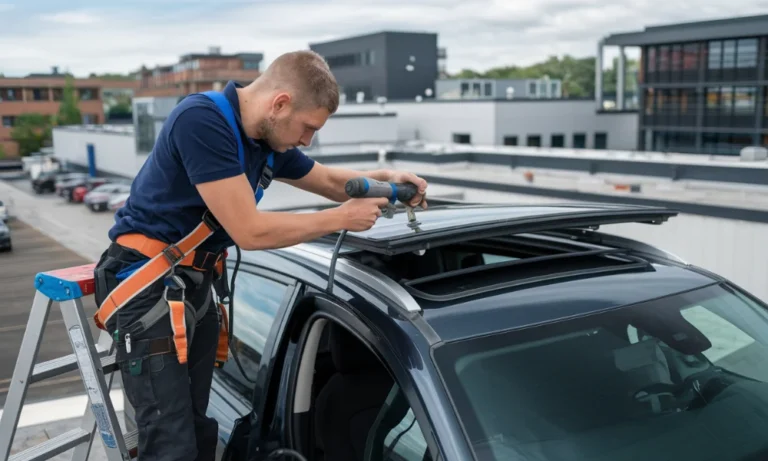
The cost of installing an aftermarket sunroof usually ranges from $400 to $3,500 or more, including parts and labor. A basic pop-up model costs less, while an electric sliding or panoramic roof needs more work. Your car’s design and the installer’s experience also affect the final bill.
Here is a general price guide for common aftermarket sunroof types.
| Sunroof Type | Estimated Installed Cost |
| Manual pop-up sunroof | $300 to $900 |
| Spoiler-style sunroof | $700 to $1,500 |
| Electric sliding sunroof | $1,000 to $2,500 |
| Panoramic sunroof retrofit | $1,500 to $3,500+ |
These are broad US estimates for planning, not guaranteed quotes. Some vehicles may not be suitable for aftermarket installation.
Parts and Labor Costs
The sunroof kit is only one part of the total cost. Professional installation may require cutting the roof panel, fitting a frame, routing drain tubes, connecting electrical parts, and adjusting the headliner.
A manual unit usually needs less wiring and fewer moving parts. An electric model may require a motor, switch, wiring, and extra testing. Larger units also need more time to fit and seal correctly.
Ask the shop for a written estimate that separates parts, labor, and any extra work. This makes it easier to compare quotes from different installers.
Other Costs to Consider
Some projects need extra work beyond the basic installation. The installer may need to adjust the headliner, protect nearby wiring, or address roof supports and drainage.
You should also ask about the warranty. Find out whether it covers leaks, wind noise, motor failure, and installation errors. A low quote may not include the same coverage as a higher one.
You can read about: How Much Does It Cost To Tint A Sunroof
Types of Sunroof
Sunroofs come in different styles, and each offers its own mix of price, comfort, and function. Choosing the right one depends on how you want to use it and how much you plan to spend.
1. Pop-Up Sunroof
A pop-up sunroof is a simple, budget-friendly option. The glass panel tilts open by hand to let fresh air into the cabin.
It usually costs less because it has fewer moving parts and does not need an electric motor. However, it may offer fewer features than modern factory sunroofs.
2. Spoiler-Style Sunroof
A spoiler-style sunroof tilts and slides above the roof instead of moving fully inside it. Many versions use an electric motor for easy operation.
This design offers a balance between ventilation and convenience. It may cost more than a manual pop-up unit because of its motor and controls.
3. Inbuilt Sliding Sunroof
An inbuilt sunroof slides into a space between the roof panel and the headliner. It gives the car a factory-style look when installed correctly.
This design needs enough space above the headliner for the glass and tracks. Not every car has the room or roof structure required for this type of retrofit.
4. Panoramic Sunroof
A panoramic sunroof covers a much larger part of the roof. Some designs use one large glass panel, while others have separate front and rear panels.
The larger size can make the cabin feel brighter and more open. However, the panoramic sunroof installation price is often higher because the system is larger and more complex.
Before choosing one, ask a specialist whether your car can safely support the required opening. A panoramic roof is not a simple upgrade for every vehicle.
Sunroof Vs Moonroof: What’s the Difference?
The main difference is the roof panel’s design and how it works. A traditional sunroof may use a solid panel that opens or tilts. A moonroof usually has a glass panel that lets light into the cabin, even when closed.
Today, car makers and repair shops often use the two terms to describe similar glass roof systems. The names alone do not tell you whether the panel slides, tilts, or stays fixed.
Here are the main points to compare:
- Sunroof: May be solid or glass, depending on the design.
- Moonroof: Usually has a glass panel, often with a sliding or tilting feature.
- Panoramic roof: Covers a larger section of the roof and may include several glass panels.
- Fixed glass roof: Lets light in but does not open for fresh air.
If you are choosing an aftermarket system, focus on the panel type, opening method, fit, drainage, and warranty. These details matter more than the name used in the product listing.
How Much To Install An Aftermarket Sunroof?
Adding an aftermarket sunroof can cost around $400 to $3,500 or more, depending on the unit and your vehicle. Basic models sit near the lower end, while electric sliding and panoramic systems can cost much more.
Before deciding How Much To Install A Sunroof, check whether your vehicle is a good candidate for the upgrade. Some roofs lack the space, shape, or support needed for a safe installation.
Can Any Car Have an Aftermarket Sunroof?
No. A specialist should inspect the roof structure and interior before recommending a kit. Roof supports, airbags, wiring, and headliner space can affect whether the work is possible.
Cutting into the roof without proper planning can weaken parts of the body or damage hidden components. A professional should confirm the correct installation method for your specific make and model.
What Happens During Installation?
A professional installation usually involves several steps:
- Checking the roof and confirming that the kit fits.
- Protecting the vehicle’s interior and removing the needed trim.
- Measuring and cutting the roof opening according to the kit instructions.
- Fitting the frame, glass, seals, and any motor or controls.
- Connecting drain tubes and electrical parts where needed.
- Testing the opening, closing, drainage, and seals for leaks.
The work may take several hours, and complex installations can take longer. Ask the shop how long it expects to keep your car and whether the price includes leak testing.
Is an Aftermarket Sunroof Worth It?
An aftermarket sunroof can add light and fresh air to a car that did not come with one. Still, the benefits should be weighed against the cost and changes to the original roof.
Consider these points before booking the work:
- Leak risk: Poor fitting or blocked drain tubes can allow water into the cabin.
- Wind noise: A poorly sealed panel may create noise at higher speeds.
- Roof structure: Cutting the roof can affect its strength if the work is not properly planned.
- Warranty: Modifications may affect certain vehicle warranties. Check the terms with your car maker or dealer.
- Resale value: An aftermarket sunroof does not guarantee a higher selling price. Some buyers may prefer the original roof.
For many drivers, a well-fitted sunroof is a comfort upgrade rather than a way to increase resale value. Choose a qualified installer and ask about the risks before approving any cuts to the roof.
How Can You Save Money on Sunroof Installation?
You can control your sunroof installation cost by choosing the right design and comparing qualified installers. The cheapest option is not always the best if it lacks proper seals or warranty coverage.
Choose a Suitable Design
A manual pop-up sunroof may cost less than an electric sliding model. Pick features you will use rather than paying for extras you do not need.
Get More Than One Quote
Ask two or three experienced shops for written estimates. Make sure each quote covers the kit, labor, trim work, wiring, drainage, and leak testing.
Check the Warranty
Ask who covers the parts and installation. A clear warranty can help you understand your options if the panel leaks or the motor stops working.
Confirm Vehicle Compatibility
Have the shop inspect your car before buying a kit. This can help you avoid paying for parts that will not fit.
Avoid DIY Roof Cutting
Cutting the roof without the right tools and knowledge can damage the vehicle. Professional installation is the safer choice for a major roof modification.
Conclusion
The cost of installing a sunroof depends on the type, your car’s design, and the work needed to fit it. A basic pop-up model may cost a few hundred dollars, while electric and panoramic systems can cost several thousand.
Before deciding How Much To Install A Sunroof, compare written quotes, check your vehicle’s compatibility, and ask about warranties and leak testing. If your existing sunroof has leaks, damaged glass, or operating problems, repair may be a better option than adding a new system.
Texas Reliable Auto Glass helps drivers explore their auto glass needs. If you need help with an existing roof issue, visit our service page for Sunroof Repair in Austin to learn more about available repair options.

Frequently Asked Questions
How Much To Install A Sunroof in a Car?
Aftermarket installation can cost around $400 to $3,500 or more. The final price depends on the sunroof type, vehicle design, labor, and extra work. Get a quote for your exact car before choosing a kit.
How Much Is It to Add a Sunroof to a Car?
Adding a sunroof may cost $400 to $2,500 for many basic and mid-range installations. Large panoramic systems can cost more. Some vehicles are not suitable for aftermarket roof modifications.
Is It Safe to Install an Aftermarket Sunroof?
It can be safe when the vehicle is suitable and a qualified specialist follows the correct installation process. Poor cutting, weak fitting, or faulty drainage can cause leaks and other problems.
How Long Does Sunroof Installation Take?
Many installations take several hours, but complex jobs can take longer. The time depends on the sunroof design, roof structure, electrical work, and interior trim that needs removal.
Does Installing a Sunroof Increase Car Value?
Not always. Some buyers like a sunroof, but an aftermarket modification does not guarantee a higher resale price. Poor installation or leaks may make the vehicle less appealing to future buyers.
Is a Panoramic Sunroof More Expensive to Install?
Yes, a panoramic system usually costs more than a basic pop-up sunroof. It covers a larger roof area and may need more complex parts, fitting, and testing. Some cars cannot safely support a panoramic retrofit.