
Water leaking into your vehicle cabin through the glass panel during heavy rain is a clear warning sign. A worn sunroof seal lets water overflow the internal drain channels, soaking your headliner, staining carpet, and risking electrical failures in your 100 Series Land Cruiser.
Replacing the factory weatherstrip yourself takes under an hour with simple hand tools. Executing a 2000 Land Cruiser Sunroof Seal Replacement correctly stops water leaks, eliminates high-speed wind noise, and protects your interior electrical systems.
What Type of Sunroof Seal Fits a 2000 Land Cruiser?
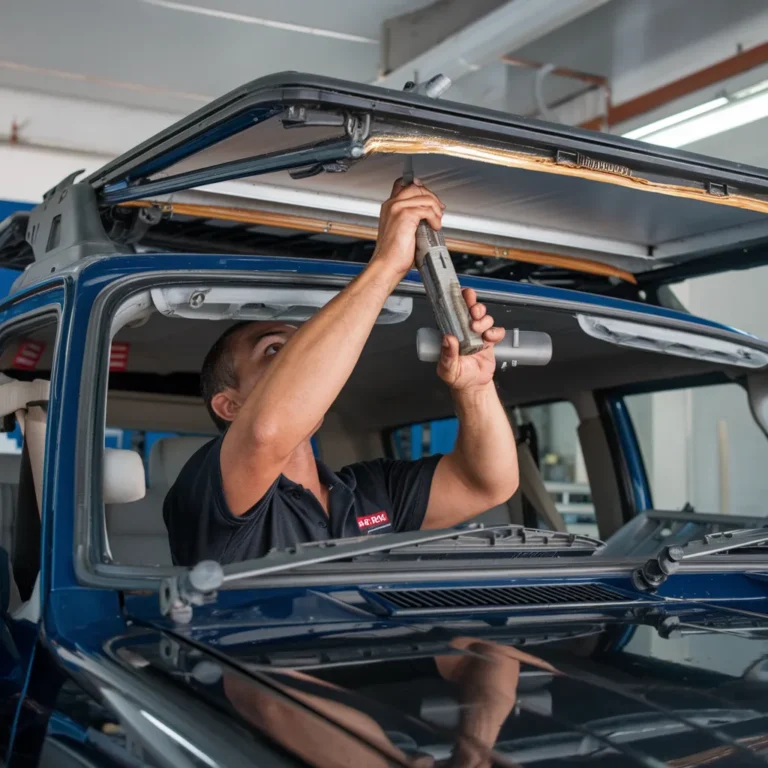
The 2000 model year Toyota Land Cruiser (J100 platform) features a factory glass sliding moonroof. The weatherstrip mounted around the glass perimeter is a flexible rubber gasket engineered to block raw water and buffer wind noise.
Here are the key technical specifications for the factory weatherstrip:
- Part Type: Perimeter Glass Weatherstrip Gasket
- Material: EPDM Synthetic Rubber with Internal Steel Core Pins
- Toyota OEM Part Number: 63251-60062 (Supersedes older part 63251-60061)
- Fitment Compatibility: 1998-2007 Toyota Land Cruiser and Lexus LX470
- Primary Function: Water Shedding and High-Speed Acoustic Reduction
When sourcing parts, verify the gasket matches the frame channel geometry. The official factory component is designated as part 63251-60062. This specific 2000 Land Cruiser sunroof seal fits all 100 Series models produced between 1998 and 2007, along with the equivalent Lexus LX470.
OEM vs. Aftermarket Sunroof Seal Replacement Options
Choosing between Original Equipment Manufacturer (OEM) parts and aftermarket alternatives affects seal longevity and installation fit.
OEM Toyota Seals (Part # 63251-60062)
Toyota engineers designed this rubber blend specifically for long-term UV resistance.
- Fits Perfectly: Molded to exact factory tolerances without stretching.
- Long Shelf Life: Resists drying, cracking, and shrinkage for 10+ years.
- Cost: Expect to pay between $100 and $150 from online dealership portals.
Aftermarket Seals
Third-party rubber gaskets are widely available on consumer e-commerce platforms.
- Lower Upfront Price: Costs range from $25 to $50.
- Fitment Inconsistencies: Universal profile extrusions are often slightly thick or overly soft.
- Durability Risks: Cheaper rubber compounds tend to shrink or stiffen after a few seasonal temperature cycles.
For long-term reliability and leak protection, original Toyota components are recommended.
Why Your Land Cruiser Sunroof Seal May Need Replacement
Rubber weatherstripping degrades naturally due to exposure, thermal expansion, and mechanical friction over time.
UV Exposure and Rubber Shrinkage
Over two decades, sunlight bakes the original rubber. The material loses pliability, shrinks, and pulls away at the corner turns of the roof opening. This gap lets excess water pass through.
High-Speed Cabin Wind Noise
A hardened seal no longer presses tightly against the metal roof line. Air rushes into the gap at high speeds, producing a loud whistling or humming noise above your head.
Overwhelmed Internal Drains
Land Cruiser sunroof assemblies feature four interior drain tubes inside the roof pillars to route small amounts of water down to the ground. When the outer seal deteriorates completely, heavy rain overpowers these channels, spilling water onto carpet and headliners.
How to Replace the Sunroof Seal on a 2000 Land Cruiser
Performing a 2000 Land Cruiser sunroof seal replacement requires care, basic tools, and patience.
Tools and Supplies Required
- Torx T25 driver bit
- Plastic trim removal tools
- Isopropyl alcohol (90% concentration) or adhesive remover
- Microfiber towels
- Silicone spray lubricant or dielectric grease
- Replacement 2000 Land Cruiser sunroof seal (OEM 63251-60062 recommended)
Steps to Remove and Install a New Sunroof Seal
Follow these precise steps to handle your 2000 Land Cruiser seal replacement project safely.
Step 1: Set Up and Remove Side Covers
- Turn your ignition on and tilt the sunroof open to the raised position.
- Unplug your battery cable to prevent short circuits while working around interior electrical components.
- Locate the thin accordion-style plastic trim pieces running along the left and right inside edges of the glass panel.
- Gently unclip these trim covers using a plastic removal tool to reveal the mounting hardware beneath.
Step 2: Remove the Glass Assembly
- Locate the four T25 Torx screws holding the glass frame to the side lift mechanisms (two on each side).
- Mark the original screw positions with a paint pen to aid alignment during reassembly.
- Support the glass from below while removing the four screws.
- Carefully lift the glass panel straight up and off the vehicle. Place it flat on a soft workbench towel.
Step 3: Strip the Old Weatherstrip and Clean the Channel
- Find the seam where the old Land Cruiser sunroof gasket ends, usually along the center rear edge.
- Grip the seal firmly and peel it entirely off the metal edge of the glass panel.
- Apply isopropyl alcohol to a microfiber cloth. Thoroughly scrub away old adhesive residue, dirt, and oxide build-up along the mounting rim.
- Allow the clean metal edge to dry completely.
Step 4: Mount the New Rubber Seal
- Unbox your new 2000 Toyota sunroof seal.
- Begin fitting the inner groove of the rubber gasket onto the pinch-weld edge of the glass panel, starting in the middle of the back edge.
- Work your way around the glass frame, pressing the seal firmly into place with your thumbs.
- Important: Do not stretch the rubber as you press it down. Stretching creates thin spots that snap back, forming leaks at the corners later on.
- Join the two ends together cleanly at the rear center point.
Step 5: Reinstall and Align the Glass
- Carefully set the glass back down into the roof frame.
- Thread all four T25 Torx screws in by hand, lining them up with your previous paint marks.
- Do not tighten the fasteners completely yet.
How to Properly Fit a New Sunroof Seal for Leak Prevention
Getting a complete watertight fit requires aligning the glass panel flush with the outer roof sheet metal.
- Close the sunroof panel fully using the manual mechanism or temporary battery power.
- Inspect the exterior glass position from outside the vehicle.
- Adjust the glass height until the top edge sits flush with the outer roof line (within 1 millimeter).
- Torque the four side screws once the height and alignment are set.
- Apply a light layer of silicone lubricant along the exterior contact lip of the new Land Cruiser sunroof seal. This prevents binding against the body paint during operation.
How to Test Your Land Cruiser Sunroof After Seal Replacement
Never consider the project finished without checking for water penetration and smooth mechanical operation.
1. The Low-Pressure Hose Test
Close the sunroof completely. Use a bucket or hose with no spray nozzle attached to pour water over the top of the roof. Allow water to cascade gently across the glass perimeter.
2. Inspect Interior Drain Function
Open the vehicle doors and check the interior cabin area. Examine the headliner corners near the front A-pillars and rear quarters for signs of wetness. Check beneath the dashboard to verify the primary drain tubes are channeling stray water out of the vehicle chassis properly.
3. Check Cycle Function
Reconnect the battery. Cycle the sunroof through full slide open, slide closed, and tilt operations three times. Listen for any binding or uneven movement caused by misaligned side brackets.
How Much Does a 2000 Land Cruiser Sunroof Seal Replacement Cost?
Performing this repair yourself saves significantly on shop labor fees.
- OEM Rubber Seal Part: $100 – $150 (DIY) vs. $150 – $200 (Auto Glass Shop)
- Labor Cost: $0 (DIY) vs. $150 – $250 (Auto Glass Shop for 1.5 to 2 hours)
- Consumables (Cleaner/Grease): $10 – $15 (DIY) vs. Included (Auto Glass Shop)
- Total Expected Cost: $110 – $165 (DIY Total) vs. $300 – $450 (Professional Shop Total)
How to Prevent Future Sunroof Seal Problems
Taking care of your rubber seals extends their usable service life and keeps your 100 Series dry for years to come.
Clean the Rubber Twice Yearly: Wash away dirt, tree sap, and road grit using mild soapy water and a soft rag.
Condition the Material: Apply a pure silicone fluid or aerospace protectant every six months to keep the synthetic rubber soft and prevent cracking.
Keep Drain Holes Clear: Open the sunroof fully and inspect the front corner drain holes in the tray assembly. Flush out leaves or debris using a weed-trimmer line or low-pressure air.
Park Under Cover: Minimize exposure to intense sunlight whenever possible to reduce heat damage.
Conclusion
Completing a 2000 Land Cruiser Sunroof Seal Replacement is a simple and rewarding maintenance project that protects your vehicle cabin from costly water damage. By choosing quality components, thoroughly cleaning the mounting surfaces, and aligning the glass frame carefully, you keep your interior protected against harsh weather.
If you suspect glass cracks or structural seal issues that go beyond basic rubber replacement, consult local auto glass specialists. For professional support and comprehensive Sunroof Repair in Austin, TX, reach out to our team at Texas Reliable Auto Glass to ensure your vehicle stays dry and safe on every drive.
Frequently Asked Questions
Can I replace the sunroof seal without removing the glass panel?
Technically, yes, but it is difficult to seat the lower retention channel properly without taking the glass out. Removing the glass requires only four screws and ensures a clean, leak-free installation.
Do I need to use liquid adhesive to install a new seal?
No. Factory Toyota sunroof seals use an internal steel retention clip inside the rubber channel that grips the glass pinch-weld securely. Liquid adhesives can mess up the gasket channel and lead to fitment issues.
Why is my headliner still wet after replacing the outer seal?
If water continues to leak into your vehicle after installing a new weatherstrip, your internal roof drain tubes may be clogged or disconnected inside the roof pillars. Clear the drain holes in the tray using a flexible nylon cable.
Is the 2000 Land Cruiser sunroof seal identical to the Lexus LX470?
Yes. The 1998–2007 Toyota Land Cruiser and Lexus LX470 share the same roof structure and glass assembly. They use the same OEM part number (63251-60062).