
You can install a sunroof in almost any car, but success depends on your roof’s shape and structural support beams. If your vehicle has a flat roof and lacks specific crossmembers in the way, a professional can complete the installation safely.
Adding a sunroof requires cutting through sheet metal and adjusting your headliner. This guide walks you through the types of panels, the setup process, and how to choose a reliable technician for a Car Sunroof Installation.
Quick Answer: Can You Install a Sunroof in Any Car?
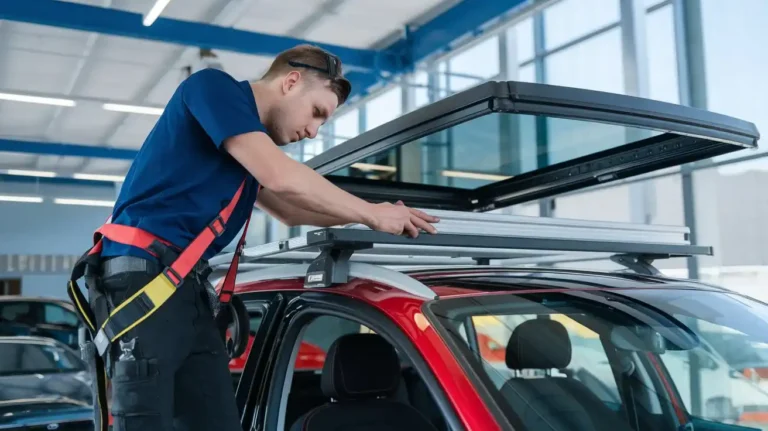
Not every car is a good candidate. Roof shape, interior headliner space, and structural support all affect whether a sunroof will fit properly. A shop can inspect your specific make and model to confirm before any cutting begins.
What Is Car Sunroof Installation?
This service adds an opening panel to a vehicle roof that did not have one from the factory. The process involves measuring the cabin ceiling, cutting a precise hole through the outer metal layer, and modifying the interior fabric. A sealing ring goes around the cut edge to keep water out.
Installers run electrical wiring through the side pillars if you choose a powered glass option. The main goal is to introduce natural light and fresh air into the vehicle without weakening the vehicle framework.
Can You Install a Sunroof in Any Car?
While the short answer is yes, some vehicles make the job incredibly difficult. Modern cars use specific high-strength steel frames to protect passengers during a crash. If a structural brace sits directly above the front seats, cutting it apart can compromise your safety.
Vehicles with highly curved rooflines or ribbed sheet metal also present major challenges. The glass panel needs a flat surface to seal properly against rain. If your car has roof-mounted entertainment screens, rear climate controls, or safety airbags built into the upper frame, relocating those parts adds extra labor.
Signs Your Car Is Suitable For Sunroof Installation
Before booking an appointment for an auto sunroof installation, look for these positive indicators on your vehicle:
A Flat Roof Surface: Minimal ridges or steep slopes across the top metal panel.
Clear Headliner Space: No overhead consoles, DVD players, or thick wiring bundles in the target zone.
No Side-Curtain Airbag Interference: Housing modules that stay clear of the roof outer edges.
Ample Clearance: Room between the outer metal sheet and the interior ceiling fabric to place the frame mechanisms.
Different Types Of Car Sunroofs
Selecting the right panel changes how your car looks and how the unit operates. Here are the five main choices available for a sunroof installation for cars.
Pop-Up Sunroofs
These are the simplest and most affordable options. They feature a manual latch that lifts the rear edge of the glass upward for ventilation. Many models allow you to remove the glass completely on clear days. Because they have very few moving components, they rarely suffer from mechanical failure.
Spoiler Sunroofs
A spoiler panel tilts up and slides backward over the outside of the roof. This design saves interior headroom because the glass never enters the cabin space. They use electric motors and work well on short roofs or highly compact vehicles.
Inbuilt Sunroofs
An inbuilt system slides entirely out of sight between the metal roof skin and the fabric headliner. They look identical to factory setups but require a fair amount of interior space to house the sliding glass. They automatically include water drainage channels inside the pillars.
Top-Slider Sunroofs
These panels slide back on tracks mounted to the exterior of the vehicle. They offer a very wide opening without stealing your interior ceiling space. They are great for small cars where an interior pocket cannot fit.
Panoramic Sunroofs
These massive systems use multiple large glass sheets to cover nearly the entire top surface of the vehicle. Front sections usually tilt and slide while the rear glass stays fixed. They let in maximum sunlight but require extensive structural evaluations before setup.
Factory Sunroof vs Aftermarket Sunroof Installation
A factory unit is built directly into the vehicle on the assembly line. The manufacturer stamps the roof panel with built-in recessed edges and runs drainage tubes down the frame pillars during basic construction. The dashboard switches match the rest of the interior trim perfectly.
An aftermarket car roof installation happens later using specialized laser cutting tools. Quality aftermarket kits come with robust seals and independent wiring harnesses designed to match your existing battery output. While factory units are limited to specific trim packages, aftermarket setups let you pick the exact glass style you prefer for your base model vehicle.
Car Sunroof Installation Process Step By Step
A professional setup follows a strict technical order to preserve the strength of your cabin.
1. Planning and Measurement
The technician marks the exact centerline of the vehicle roof. They use a physical cardboard template provided by the kit manufacturer to trace the cut lines on the exterior paint.
2. Interior Disassembly
Workers remove front seats, sun visors, overhead lights, and the entire fabric headliner. This exposes the bare metal underneath and protects your interior fabrics from stray metal shavings.
3. Cutting the Roof Skin
The installer applies protective tape over the paint. Using a specialized nibbler tool or a high-speed reciprocating saw, they cut along the traced template lines.
4. Framing and Reinforcement
The bare metal edge is filed smooth and coated with a specialized rust-inhibiting primer. The inner structural support ring is bolted or bonded to the underside of the roof panel to restore chassis rigidity.
5. Wiring and Drainage Installation
For powered units, power cables run down the passenger side pillar to the main fuse box. Internal drainage tubes are routed down the corner pillars to allow rain runoff to exit near the wheel wells.
6. Sealing and Mounting the Unit
The glass module and rubber gaskets are set into place. Heavy-duty fasteners compress the silicone weatherstripping tightly against the exterior sheet metal.
7. Reassembling the Cabin
The headliner fabric is carefully cut to match the new opening, wrapped tightly around the inner frame trim, and reinstalled along with the seats and overhead consoles.
You can also read about: how to stop windshield crack from spreading.
How Long Does Sunroof Installation Take?
A standard pop-up glass setup takes roughly three to five hours to complete. Complex electric models like an inbuilt or a panoramic system require two full business days. The technician needs extra time to route electrical wires, run drainage hoses, and allow the heavy-duty adhesive seals to cure completely before road testing.
How Much Does Car Sunroof Installation Cost?
Pricing shifts based on the complexity of the mechanism and the layout of your car frame.
| Sunroof Type | Average Price Range | Best For |
| Manual Pop-Up | $400 – $900 | Budget upgrades, older cars |
| Electric Spoiler | $800 – $1,500 | Compact cars, tight headliners |
| Electric Inbuilt | $1,500 – $2,800 | Luxury looks, large sedans |
| Panoramic System | $2,500 – $4,500 | SUVs, maximum natural light |
The overall sunroof installation cost includes both the hardware kit and specialized shop labor, which usually runs between $100 and $180 per hour.
DIY vs Professional Installation
Attempting a custom sunroof installation by yourself in your home garage carries extreme risks. If you cut an inch wide of the line, you cannot patch the metal panel easily. Home tools often leave jagged edges that invite corrosion, and improper seal positioning causes immediate water issues.
A licensed auto glass shop uses specialized cutting machines that do not generate high heat, preventing your exterior paint from bubbling. Professional shops hold commercial liability insurance and offer multi-year warranties on their leak prevention systems, giving you long-term financial protection.
Pros And Cons Of Installing A Sunroof
Weigh these clear advantages and disadvantages before altering your vehicle.
Pros
- Better Ventilation: Draws hot air out through the roof quickly without the loud wind buffeting caused by open side windows.
- Higher Vehicle Value: Makes your car more appealing to future buyers who want premium features.
- Open Atmosphere: Brightens dark interiors and makes small cabins feel significantly larger.
Cons
- Potential for Leaks: Gaskets naturally age and require regular cleaning to block water.
- Reduced Headroom: Sliding track housings lower your interior ceiling space by one to three inches.
- Added Weight: Placing 30 to 70 pounds of glass and motors at the highest point of the vehicle slightly alters the center of gravity.
Common Sunroof Installation Problems and How to Avoid Them
The most widespread problem is water leaking into the passenger cabin. This happens when technicians use cheap silicone sealants instead of vehicle-grade butyl rubber, or when they bend the internal drainage lines during reassembly. Make sure your installer tests the system with a high-pressure water hose before you leave the shop.
Mechanical binding is another common issue. If the outer metal frame is torqued down unevenly, the tracks warp slightly. This extra friction causes the electric motor to burn out early. Choosing a shop that uses laser levels during framing prevents this distortion completely.
How To Maintain A Car Sunroof Properly
Keep your system working smoothly with basic quarterly cleaning habits:
Clear the Drains: Open the glass and pour a cup of water into the front trough. If it stays pools up, gently clear out the dirt tubes using a flexible nylon line.
Condition the Rubber: Wipe down the outer perimeter seal using a lint-free cloth and apply a thin layer of silicone lubricant to prevent drying or cracking.
Clean the Tracks: Wipe away old, gritty grease from the metal sliding tracks and apply fresh lithium grease to keep the motor sliding smoothly.
How to Choose the Right Car Sunroof Installer
Look for a facility where technicians hold certifications from recognized industry bodies like the National Glass Association (NGA). Ask potential shops to show you physical photos of completed projects involving your specific vehicle make and model.
Avoid businesses that offer vague verbal quotes or refuse to provide a written warranty against water leaks. A reliable repair facility will always inspect your car on a lift to check frame compatibility before accepting a down payment.
Is Car Sunroof Installation Worth It?
If you plan to keep your car for several years and enjoy a bright, airy drive, adding an aftermarket unit provides excellent daily value. The upgrade transforms the look of your vehicle and makes long road trips much more comfortable. By choosing a high-grade kit and an expert installer, you avoid the common pitfalls and enjoy fresh air for the life of your vehicle.
Final Thoughts
Car sunroof installation can transform how a vehicle feels to drive, adding light, air, and a more open cabin. Whether you’re considering a simple pop-up model or a full panoramic sunroof, choosing the right installer makes all the difference in how the final result holds up over time.
If you’re in the Austin area and considering this upgrade, Texas Reliable Auto Glass offers Sunroof Repair in Austin with experienced technicians who handle the cutting, sealing, and wiring with the precision this kind of project demands.

Frequently Asked Questions
Can you install a sunroof in any car regardless of make or model?
Not every vehicle qualifies. Roof shape, headliner space, and structural support all need to be checked out before a shop moves forward with the cutout.
How much does car sunroof installation cost compared to a factory option?
Aftermarket installation typically costs more than a factory sunroof would have added at the time of purchase, since it involves cutting and reinforcing an existing roof.
Is auto sunroof installation reversible if I change my mind later?
Technically a sunroof can be removed and the roof patched, but this rarely restores the roof to its original condition and isn’t a common request.
Does car roof installation affect my vehicle’s warranty?
It can, particularly for any warranty coverage tied to the roof structure. Check with your manufacturer or dealer before moving forward with an aftermarket install.
What’s the most popular type of custom sunroof installation?
Pop-up and spoiler sunroofs remain popular for their simpler installation, while panoramic sunroofs are increasingly requested for their larger open-air feel.