
What Is Windshield Calibration? | A Simple Guide
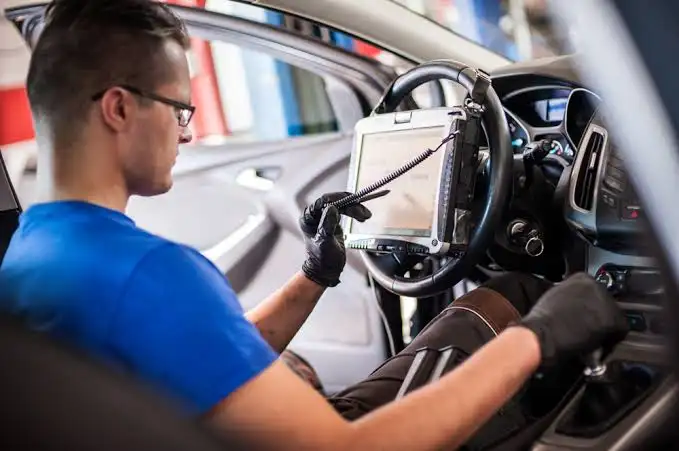
A windshield does more than protect you from wind, rain, and road debris. Many newer vehicles also use a camera near the windshield to support important safety features. These systems help drivers stay in their lanes, spot hazards, and respond to possible crashes. When the windshield is replaced, the camera may need to be checked and adjusted. This process helps the vehicle read the road correctly. Understanding when calibration is needed can help you protect your safety and avoid problems with your car’s driver assistance systems after glass repairs. What Is Windshield Calibration? It is the process of aligning a vehicle’s windshield-mounted camera with the manufacturer’s required settings. Proper calibration helps safety systems work as designed after windshield replacement or related repairs. What Is Windshield Calibration? Windshield calibration adjusts a camera or related sensor so it can read the road accurately. The camera is often mounted behind the rearview mirror and looks through the windshield. It sends visual information to the vehicle’s safety systems. These systems are part of Advanced Driver Assistance Systems, commonly called ADAS. Depending on your vehicle, they may include: Lane departure warning: Alerts you when the vehicle drifts out of its lane. Lane keeping assist: Helps guide the vehicle back toward the correct lane. Automatic emergency braking: May apply the brakes when a possible crash is detected. Forward collision warning: Warns you when a front collision may be near. Traffic sign recognition: Reads certain road signs and displays information to the driver. A camera that points in the wrong direction may send incorrect information to these systems. Calibration helps restore the camera’s proper aim according to the vehicle maker’s instructions. The exact process depends on the vehicle’s make, model, year, and installed features. Some vehicles require camera calibration after windshield replacement, while others may have different procedures. A qualified technician should check the manufacturer’s requirements before completing the job. Why Is Windshield Calibration Important? Calibration matters because driver assistance systems depend on accurate information. Even a small change in camera position can affect what the camera detects. A system might fail to recognize lane markings or identify another vehicle as expected. Correct calibration helps your vehicle’s safety features work according to their design. It also helps reduce the risk of relying on a camera that has not been properly aligned. Here are the main reasons calibration is important: Supports safety features: Helps the camera provide accurate information to systems such as lane keeping assist. Follows repair requirements: Many vehicles require calibration after windshield replacement or camera-related work. Helps identify system issues: Diagnostic checks can reveal faults that need attention before the vehicle is returned. Protects repair quality: Calibration confirms that the camera has been checked after work that may affect its position. Calibration does not make a vehicle crash-proof. Drivers must still pay attention, follow traffic laws, and remain ready to take control. These systems provide assistance, not a replacement for safe driving. When Is Windshield Calibration Needed? Calibration may be required whenever work affects a windshield-mounted camera or its position. The exact requirement depends on the vehicle manufacturer’s repair instructions. Common situations include: 1. After Windshield Replacement Replacing the windshield can change the camera’s position or the view through the glass. The new windshield must also meet the vehicle’s requirements for the camera system. Many vehicles require calibration after replacement. A technician should confirm the correct procedure before returning the vehicle to you. 2. After Camera Removal or Replacement A camera may need to be removed to replace the glass or repair nearby parts. If the camera is replaced or repositioned, calibration may be necessary. 3. After Collision Repairs A crash can affect the camera bracket, windshield frame, or nearby parts. Even when the glass looks fine, related damage may affect camera alignment. The repair shop should inspect the affected components and follow the vehicle maker’s instructions. 4. After Certain Repairs or Adjustments Some vehicles require calibration after work involving suspension, wheel alignment, or other parts that affect vehicle position. This does not apply to every car or every repair. Always check the service requirements for your specific vehicle instead of assuming calibration is needed or unnecessary. What Are the Types of Windshield Calibration? There are two common methods for windshield camera calibration: static and dynamic. Some vehicles require both methods to complete the process. Static Calibration Static calibration takes place in a workshop while the vehicle remains stationary. A technician positions special targets at set distances and heights around the vehicle. The technician then uses a compatible scan tool to start the calibration process. The camera reads the targets, and the system is adjusted according to the manufacturer’s instructions. This method requires careful setup. The floor, target position, lighting, tire condition, and vehicle placement may affect the results. The technician must meet the conditions listed for that vehicle. Dynamic Calibration Dynamic calibration requires driving the vehicle under specific conditions. A technician uses a scan tool while driving on suitable roads, often with clear lane markings. The system gathers information from the road and adjusts the camera as required. The process may depend on speed, distance, weather, and road conditions. Heavy traffic, poor visibility, or faded lane markings can delay this procedure. The technician must follow the required driving instructions and never attempt calibration in unsafe conditions. Combined Calibration Some vehicles require both static and dynamic calibration. The order and steps depend on the manufacturer’s instructions. A shop should not choose a method based only on convenience. The correct procedure comes from the vehicle’s service information. How Does Windshield Calibration Work? The exact steps vary by vehicle, but a professional calibration usually follows a clear process. Step 1: Check the vehicle. The technician identifies the make, model, year, and installed driver assistance features. This helps determine which calibration procedure applies. Step 2: Inspect the camera and windshield. The technician checks the camera, its bracket, the glass, and related parts. Any damage or incorrect installation must be addressed before calibration. Step 3: Review diagnostic information.
What Is Windshield Calibration? | A Simple Guide Read More »