

Reliable Auto Glass

Windshield Replacement

How Much Is It to Repair a Windshield Crack Cost Guide

How Much Is It To Repair A Windshield Crack (Complete Cost Guide)

A cracked windshield often starts as something small, almost easy to ignore. Many drivers continue driving for days without realizing how quickly that small damage can grow into a costly repair. Understanding the real How Much Is It To Repair A Windshield Crack situation helps you avoid unnecessary replacement costs and keeps your vehicle safe on the road. At Texas Reliable Auto Glass, we see this every day small cracks turning into full windshield replacements simply because they were delayed. In this guide, we’ll break down real costs, repair options, insurance coverage, and what actually affects pricing in simple terms. The goal here is not just to explain numbers, but to help you make the right decision at the right time. Quick Answer | Average Windshield Crack Repair Cost On average, how much to repair a cracked windshield depends on the size and severity of the damage: Small crack repair: $60 – $120 Medium crack repair: $100 – $180 Long crack repair: $150 – $300+ The windshield crack repair cost in 2026 is influenced by labor rates, resin quality, and whether you choose mobile service or in-shop repair. The cost to fix cracked windshield increases when: The crack spreads across driver’s view The damage reaches the edge of glass Advanced vehicles require calibration Most drivers searching for windshield chip repair cost or cost to fix windshield chip are usually dealing with early damage that is cheaper to fix quickly. What Is Windshield Crack Repair? Windshield crack repair is a process where a special resin is injected into the damaged area to restore strength and stop the crack from spreading. A simple way to understand it: A chip is a small point of impact A crack is a line that spreads from that point When people search for windshield chip repair price, they are usually referring to early-stage damage that can often be fixed without full replacement. At Texas Reliable Auto Glass, we always inspect whether repair is safe before starting work, because not every crack should be repaired. Average Cost of Windshield Crack Repair The windshield crack repair cost depends mainly on size and complexity. Small Crack Cost Small cracks or chips usually cost less because they require minimal resin and time. Medium Crack Cost Medium cracks may require deeper resin filling and more curing time. Long Crack Cost Long cracks are more expensive because they take longer to stabilize and may not always be repairable. Mobile vs Shop Repair Cost Mobile service may cost slightly more due to convenience Shop repair is usually more budget-friendly If you are comparing the cost to fix windshield chip, mobile repair is often the most convenient option for minor damage. Key Factors That Affect Repair Cost Several real-world factors affect pricing beyond just crack size: Crack length and depth Location on windshield (driver’s side is more sensitive) Vehicle type (SUVs and luxury cars cost more) Glass quality and OEM standards Emergency or mobile service charges This is why windshield chip repair cost is never the same for every vehicle. When Can a Windshield Crack Be Repaired Instead of Replaced? Not every crack should be repaired. A proper inspection is always needed. Repairable Cracks Small cracks (usually under a few inches) Chips that have not spread Damage away from windshield edges Non-Repairable Cracks Long cracks spreading across glass Damage in driver’s direct vision Edge cracks affecting structure In such cases, cost to fix cracked windshield becomes irrelevant because full replacement is safer. If damage is beyond repair, full replacement may be needed. You can learn more about complete replacement options here: Windshield Replacement Austin TX Repair vs Replacement Cost Comparison Understanding the difference helps avoid unnecessary spending. Repair cost: $60 – $300 Replacement cost: $250 – $900+ If damage is small, repair is the smart option. But if the crack is structural, replacement is required. We often guide customers at Texas Reliable Auto Glass to avoid replacement when a safe repair is possible. You can also read about Can A 12 Inch Crack In Windshield Be Repaired.  DIY vs Professional Windshield Repair DIY kits are available, but they come with risks. DIY Resin Kit Cost Usually $15 – $40 Risks of DIY Repair Improper resin filling Visibility distortion Crack spreading later Why Professionals Are Safer Correct pressure injection UV curing technology Long-term durability For accurate windshield chip repair price, professional service gives better results and prevents repeat damage. Does Insurance Cover Windshield Crack Repair? In many cases, yes. Comprehensive Coverage Most comprehensive policies cover repair costs fully or partially. Deductible Explanation Small repairs often have zero deductible Full replacements may require payment Filing a Claim vs Paying Cash If your windshield crack repair cost is low, paying out of pocket may be faster. Insurance is better for larger damage. Step-by-Step Windshield Crack Repair Process Here is how professionals handle repair: 1. Inspection We check crack depth and safety level. 2. Cleaning Dust and debris are removed for better bonding. 3. Resin Injection Special resin is injected into the crack. 4. UV Curing UV light hardens the resin. 5. Finishing Surface is polished for clarity. This process ensures the cost to fix windshield chip delivers long-lasting results. How Long Does Windshield Crack Repair Take? Most repairs take 15 to 60 minutes depending on severity. Mobile repairs may take slightly longer due to setup time, but they save travel effort. You should know about: How Big Of A Crack In Windshield Can Be Repaired.  Tips to Prevent Windshield Cracks Prevention is always cheaper than repair. Keep safe distance from trucks Avoid sudden temperature changes (hot water on cold glass) Park in shaded areas when possible Fix chips early before they spread Early action reduces windshield chip repair cost significantly. Final Thoughts Understanding How Much Is It To Repair A Windshield Crack helps you make a smart financial and safety decision. Small cracks are usually affordable to fix, but delaying repair can turn a minor issue into a full windshield replacement. At Texas Reliable Auto Glass,

How Much Is It To Repair A Windshield Crack (Complete Cost Guide) Read More »

Can a 12 Inch Crack in Windshield Be Repaired? What to Know

Can A 12 Inch Crack In Windshield Be Repaired? | Size Limits

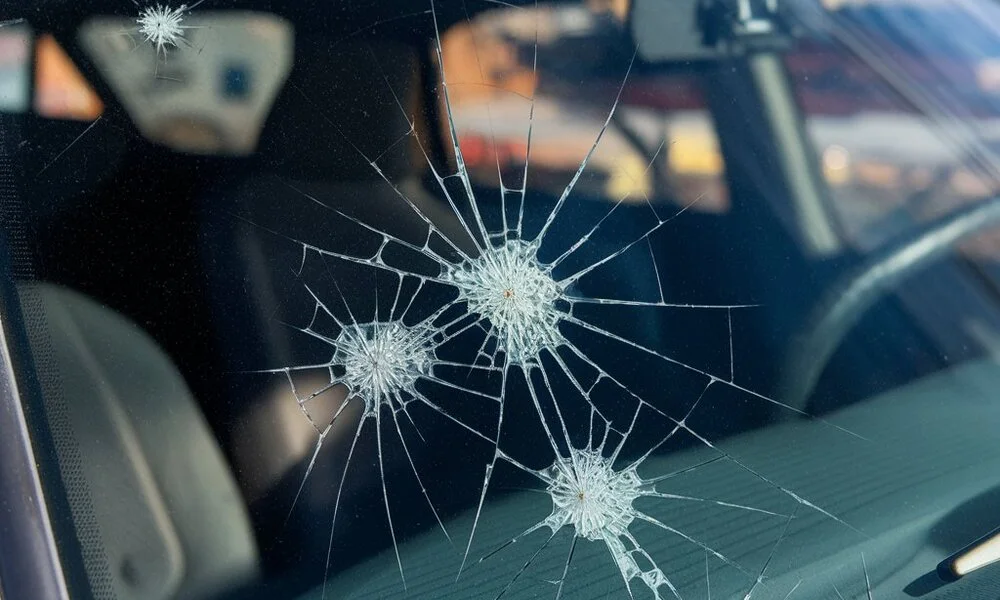
A small rock hits your glass, and suddenly a tiny chip shoots out into a massive line. If you are staring at a long line across your glass, you want an honest, direct answer.No, a 12-inch crack cannot be safely repaired by standard auto glass shops, and it almost always requires a complete windshield replacement. When you want to know Can A 12 Inch Crack In Windshield Be Repaired, the reality is that major damage compromises the safety of your vehicle.  While national standards like ROLAGS allow specialized long-crack repairs up to 14 inches under highly specific conditions, the vast majority of local shops will decline the job because the structural strength of the glass is gone. What Size Windshield Crack Can Be Repaired? For standard everyday drivers, auto glass shops use a simple rule of thumb for repairs. If a rock chip is smaller than a quarter, it is an easy fix. When it comes to single lines, the general limit for a reliable repair is 6 inches. A good way to measure this is by using a dollar bill from your wallet. If the damage is shorter than the bill, a technician can usually inject resin to fix it. When asking how big of a crack can be repaired on a windshield, you have to look at how the glass is constructed. Your windshield is a glass sandwich made of two layers of glass with a clear plastic layer pressed in the middle. A typical windshield crack repair only works if the damage stays on the outer layer of glass. Once the line stretches past 6 inches, the two sides of the glass begin to shift independently, making it very hard to seal properly Can A 12 Inch Crack In Windshield Be Repaired? When you notice a massive line stretching across your view, the question becomes urgent. Can A 12 Inch Crack In Windshield Be Repaired? The short answer for 95% of drivers is no. While technical associations state that a crack up to 14 inches can technically hold resin if treated by a specialized long-crack master technician, average shops do not offer this service. The reason comes down to everyday safety. A 12-inch line means the outer layer of glass has split completely open across a massive area. The structural strength that protects you during a rollover accident is gone. If you ask how big of a windshield crack can be repaired, most technicians will draw the line far below 12 inches. Trying to patch a line this long usually results in the glass cracking further during the repair process itself because the structural tension is too high. Factors That Affect Windshield Crack Repairability Length alone doesn’t decide whether a crack can be fixed. A few other factors carry real weight: Location on the glass. Cracks near the edge weaken the frame connection and rarely qualify for repair. Depth of the crack. One that goes through both layers of glass is harder to repair than a surface-only crack. Number of cracks. Multiple cracks branching from one impact point reduce the odds of a clean repair. Age and contamination. Dirt or moisture worked into the crack over time weakens the resin bond. Driver’s line of sight. Even a repairable crack here often gets replaced instead, since resin leaves some visible distortion. Can Different Types Of Windshield Cracks Be Repaired? Not all cracks behave the same way, and the type matters as much as the length. Bullseye cracks (circular, from a direct impact) repair well if caught early. Star breaks with small legs radiating out are trickier but often fixable under three inches. Combination breaks mixing a chip with a spreading crack are harder to repair cleanly. Edge cracks are rarely repairable, no matter the length, since the edge is a structural stress point. Long linear cracks, like a 12 inch crack, fall into the category shops typically decline. Can Resin Repair Fix A 12 Inch Crack? Standard repair kits use a thin liquid acrylic resin. The technician injects this fluid into the break under pressure, then uses a ultraviolet light to harden the liquid into solid plastic. This process works great for small chips because it seals the air pocket. However, resin cannot perform miracles on a 12-inch line. For a tiny chip, the resin fills a small, contained hole. For a foot-long line, the glass pieces are constantly moving against each other as your car drives over bumps or handles highway winds. Standard thin resin does not possess the sheer mechanical strength to hold two huge, moving pieces of glass together permanently. Even if a cheap kit seals the surface initially, the bond will likely snap within a few weeks of daily driving. What Makes A Windshield Crack Spread Faster? Small cracks rarely stay small for long. Several everyday factors speed up the spread: Temperature swings, like blasting the defroster on a cold morning Potholes and rough roads that flex the windshield with every jolt Direct sunlight heating one section of glass faster than shaded areas Hot car washes on a cold windshield, which create similar stress Slamming doors, which send a shockwave through the frame A crack that starts at two inches can reach 12 inches within days if the car sits in direct sun and hits a few rough roads in the meantime. Signs You Need Windshield Replacement Instead Of Repair Replacement is the right call when you notice any of these: The crack is longer than six inches It reaches the edge of the windshield It sits directly in the driver’s line of sight There are multiple cracks branching from different points The glass has visible layers separating or bubbling The crack has been there for weeks and collected dirt or moisture If you’re still wondering how big of a windshield crack can be repaired versus one that needs full replacement, these signs are the clearest way to tell without a shop visit. Is It Safe To Drive With A 12 Inch Windshield

Can A 12 Inch Crack In Windshield Be Repaired? | Size Limits Read More »

How Big of a Crack in Windshield Can Be Repaired Guide 2025

How Big Of A Crack In Windshield Can Be Repaired?

A small windshield crack may look harmless, but it can spread quickly from heat, road vibration, rain, and sudden temperature changes. Many drivers ask how big of a crack in windshield can be repaired before replacement becomes necessary. In most cases, cracks up to 6 inches can usually be repaired if the damage is not too deep or near the windshield edge. Some advanced repair systems may handle longer cracks depending on the condition of the glass.  At Texas Reliable Auto Glass, technicians carefully inspect the crack size, depth, and location to recommend the safest and most cost-effective repair solution for your vehicle. Understanding how big of a windshield crack can be repaired helps you make the right decision before the damage becomes worse. What Size Windshield Crack Can Be Repaired? Most auto glass professionals follow a common industry guideline: Chips smaller than a quarter are usually repairable Cracks up to 6 inches often qualify for repair Some advanced repair systems can handle cracks up to 12 inches Edge cracks and deep cracks are harder to repair safely The answer to how big of a crack can be repaired depends on more than length alone. A short crack directly in the driver’s line of sight may require replacement, while a slightly longer crack away from the edges may still be repairable. Modern windshield repair technology has improved a lot over the years. In some situations, technicians can repair longer cracks without replacing the entire windshield. Still, the final decision depends on the condition of the glass and overall safety. Types of Windshield Cracks That Can Be Repaired Not every crack means you need a new windshield. Some types of damage respond very well to professional repair methods. Bullseye Crack A bullseye crack usually forms when a small rock hits the windshield directly. It creates a circular pattern that is often repairable if treated early. Star Break Crack This type of damage spreads outward from the center like a star. Small star breaks can often be repaired successfully before dirt enters the crack. Combination Crack A combination crack includes multiple damage patterns together. Repair is possible if the damage is still limited in size. Half-Moon Crack Half-moon cracks look similar to bullseye damage but have a partial circular shape. These are commonly repaired when caught quickly. Small Surface Crack Surface-level cracks that only affect the outer layer of the windshield are easier to repair than deeper damage. Crack Chip A crack chip combines a chip with a short crack line. These are common after highway driving and often qualify for repair. Types of Windshield Cracks That Usually Cannot Be Repaired Some windshield damage creates too much structural weakness for safe repair. Long Edge Cracks Cracks that reach the outer edge of the windshield spread very easily. These usually require replacement because the edge supports windshield strength. Stress Cracks Stress cracks form from temperature changes instead of direct impact. They often continue spreading even after repair attempts. Deep Multi-Layer Cracks Windshields contain laminated layers. If the inner layer becomes damaged, repair may no longer be safe. Multiple Connected Cracks Several cracks connected together weaken the entire windshield structure. Cracks in Driver’s Line of Sight Even after repair, some distortion may remain visible. For safety reasons, cracks directly in front of the driver often require replacement. Can a 6-Inch Windshield Crack Be Repaired? A 6 inch windshield crack repair is possible in many cases. In fact, this length is often considered the standard repair limit across the auto glass industry. Repair may still work if: The crack is not near the edge The damage is recent Dirt and moisture have not entered the crack The inner glass layer remains intact However, replacement may be safer if the crack spreads in multiple directions or affects visibility. Professional inspection matters because every windshield crack behaves differently. Can a 12-Inch Crack in Windshield Be Repaired? Drivers often wonder how long of a windshield crack can be repaired using modern equipment. Some advanced systems can repair cracks close to 12 inches, but this depends heavily on the situation. When It Might Be Possible A longer crack may still qualify for repair when: The crack is straight The damage stays away from the edge The windshield remains structurally stable The crack is fresh and clean When You Need Windshield Replacement Replacement becomes necessary when: The crack reaches the windshield edge Visibility becomes affected Multiple cracks exist together The damage penetrates deeper layers Risks of Repairing Large Cracks Repairing large cracks carries some limitations. Even when repair works, minor marks may remain visible. Larger cracks also have a lower windshield crack repair success rate compared to smaller chips. Windshield Crack Location Matters More Than Size Many drivers focus only on crack length, but location is often even more important. Crack Near Windshield Edge Edge cracks weaken windshield stability very quickly. These cracks spread faster during normal driving. Crack in Driver’s Vision Area Safety laws in many states limit windshield damage in the driver’s viewing area because repairs can leave small distortions. Crack Near ADAS Sensors or Cameras Modern vehicles use cameras and sensors mounted near the windshield. Damage in these areas can interfere with lane assist and collision warning systems. Passenger Side Cracks Passenger side cracks may have a higher chance of successful repair because they affect visibility less directly. How Deep Can a Windshield Crack Be for Repair? Windshields are made from laminated safety glass with multiple layers. Most repairs work best when the outer layer is damaged while the inner layer remains intact. Signs of deeper windshield damage include: White haze inside the crack Visible separation between layers Water entering the glass Cracks visible from both sides Deeper cracks reduce the windshield crack repair success rate and often require full replacement. How Texas Heat Makes Windshield Cracks Worse Texas drivers deal with extreme temperature swings, especially during summer. A windshield sitting under direct sunlight expands from heat. Then cold air from the AC creates sudden stress

How Big Of A Crack In Windshield Can Be Repaired? Read More »

Are Windshield Distortions Common in New Cars Explained

Are Windshield Distortions Common In New Cars? | Car Safety

Yes, minor windshield distortion occurs in many new vehicles due to curved glass design and modern high-volume production methods. Most slight optical waves appear near the outer edges where glass bends to fit the frame. However, severe waves or bending in your direct line of sight indicate a clear factory defect or improper installation.Many drivers ask if Are Windshield Distortions Common In New Cars after noticing a wavy road view through fresh glass. Mild edge bending is completely normal, but clear optics across the main driving area remain essential for your daily road safety. What Is Windshield Distortion? Windshield distortion is an optical flaw where objects viewed through auto glass look bent, stretched, or wavy. The glass itself stays physically intact without cracks or surface chips. The optical defect happens because light rays bend unevenly as they pass through laminated glass layers. Modern vehicle windshields consist of two glass sheets bonded around a plastic inner layer. If any glass layer varies in thickness, light bends at shifting angles. This uneven light movement creates a distracting lensing effect for drivers. When you look through a distorted windshield, straight objects outside appear curved. Telephone poles, road lane lines, and building edges may look rippled. The effect feels similar to wearing someone else’s reading glasses. While subtle distortion near bottom corners is harmless, optical flaws in front of your eyes cause major visual distraction. Types of Windshield Distortion Not all glass optical flaws look the same on the road. Identifying the exact type helps you know if your front glass has a minor quirk or a major safety hazard. Here are the main types you may spot. Edge Distortion: This effect appears along curved outer borders. Light bends slightly where glass curves sharply to meet the vehicle frame. This type is very common and rarely affects driving safety. Wave or Ripple Distortion: This flaw shows up as waves across the glass center. When you move your head, objects outside appear to ripple like water. Reflective Distortion: Bright headlights or direct sunlight create severe halos or double images. This flaw makes night driving uncomfortable and dangerous. Installation Pressure Distortion: Uneven mounting pressure squeezes glass edges. This mechanical stress warps optical clarity across the glass center. If your new windshield looks distorted with central waves, you face a manufacturing flaw rather than simple edge curvature. Are Windshield Distortions Common in New Cars? Auto industry reports show that mild windshield distortion exists in many new production vehicles. Auto glass factories build millions of windshields each year. Minor optical variations fall within standard factory tolerance levels. Modern vehicle designs feature steep glass angles and deep side curves for aerodynamics. Sweeping glass curves require complex heating and cooling steps during manufacturing. These aggressive shapes make uniform glass thickness harder to maintain across the surface. So, Are Windshield Distortions Common In New Cars? Yes, slight waviness along extreme outer edges is fairly common in new automobiles. Most vehicle owners never notice these minor peripheral flaws during daily drives. However, noticeable waviness in your central line of sight is not normal. New cars should never leave the dealership lot with optical flaws that distort straight road lines. If your new vehicle creates a funhouse mirror effect, the glass fails basic automotive quality standards. What Causes Windshield Distortion? Understanding what creates a distorted windshield helps you take proper action with your car dealer or glass technician. Several production and installation factors lead to optical issues. Uneven Glass Thickness: Small thickness variations can occur during glass production. When light passes through uneven sections, it bends at different speeds, creating visible ripples. Plastic Interlayer Flaws: Laminated glass relies on a clear plastic sheet pressed between glass panes. If the plastic layer has wrinkles, the glass distorts your view. Rapid Cooling Cycles: Bending glass requires intense heat followed by controlled cooling. If cooling happens unevenly, internal glass stress creates optical waves. Steep Installation Angles: Modern car windshields sit at sharp angles to cut wind resistance. High rake angles lengthen the path light travels through glass, magnifying flaws. Improper Mounting Pressure: Pressing glass unevenly into the frame during installation creates mechanical tension that warps visual clarity. Identifying these root causes makes it easier to request a warranty replacement. 5 Common Signs of a Defective Windshield Recognizing glass defect signs early keeps you safe on the highway. Here are five clear indicators that your front glass suffers from a severe manufacturing defect. Wavy Road Markings: Straight yellow lane lines, curb edges, or painted crosswalks look curved or broken as you drive past them. Eye Strain and Headaches: You experience sudden eye fatigue or forehead pressure after short daytime drives as eyes struggle to focus. Distorted Objects During Motion: Passing road signs, trees, or parked cars seem to stretch, wobble, or jump as they enter your view. Severe Nighttime Glare: Oncoming vehicle headlights produce exaggerated halos or duplicate images that blind your vision in low light. Failed Visual Grid Test: When you view a straight brick wall through the glass, vertical and horizontal lines look bent or warped. If you observe these warning signs, your front glass needs immediate professional inspection. How to Perform a Windshield Distortion Test You do not need special tools to test your front auto glass for optical defects. Performing a simple windshield distortion test at home gives you clear proof to show your car dealership or repair shop. Park your vehicle on a flat surface facing a building with clear straight lines. A brick wall or garage door works best. Sit in the driver seat at your normal driving position. Look straight ahead through the glass at horizontal building lines. Slowly shift your head from side to side while keeping your eyes focused on a single line. Watch closely to see if the straight line bends or ripples. Next, lean slowly toward the center console while looking through the passenger side. Repeat the test in sunlight and at dusk. If lines warp during head movement, your glass has optical distortion. Why

Are Windshield Distortions Common In New Cars? | Car Safety Read More »

How To Replace Windshield Washer Nozzle For 21013 Jeep Patriot

How To Replace Windshield Washer Nozzle For 21013 Jeep Patriot

A weak or clogged windshield washer nozzle may look like a minor issue, but it can quickly affect driving safety by reducing visibility during rain, dust, or road debris conditions. Many Jeep Patriot owners experience uneven spray patterns or complete washer failure, especially in harsh weather. Learning How To Replace Windshield Washer Nozzle For 21013 Jeep Patriot is a simple process that usually takes under 30 minutes.  At Texas Reliable Auto Glass, we often help drivers fix these visibility issues before they lead to bigger problems. This guide explains replacement steps, troubleshooting tips, spray adjustment, and when professional help may be needed.  Quick Answer Replacing the windshield washer nozzle on a 2013 Jeep Patriot usually takes about 15 to 30 minutes. Most drivers only need a flathead screwdriver, replacement nozzle, gloves, and a small pin for spray adjustment. The process involves: Opening the hood Disconnecting the washer hose Removing the old nozzle Installing the new nozzle Testing the spray pattern Many Jeep owners can complete this repair at home without professional tools. Signs Your Jeep Patriot Washer Nozzle Needs Replacement Washer nozzles slowly wear out due to dirt buildup, weather exposure, hard water minerals, and pressure damage. Before starting a repair, it helps to confirm the nozzle is actually the problem. Here are the most common warning signs. Weak Spray Pattern If washer fluid barely reaches the windshield, the nozzle may be partially clogged or cracked internally. Uneven Spray Direction A damaged nozzle may spray too high, too low, or only toward one side of the windshield. No Washer Fluid Spraying Sometimes the washer pump works normally, but no fluid exits the nozzle because of severe blockage. Cracked Washer Nozzle Plastic nozzles can crack from age, heat, or freezing temperatures. Fluid Leaking Near The Hood Fluid leaking around the hood area often points to loose hose connections or nozzle damage. Many drivers dealing with jeep patriot windshield washer nozzle replacement issues first notice these symptoms during rainstorms or highway driving. Tools Needed To Replace A Windshield Washer Nozzle Before beginning the repair, gather all tools and replacement parts. You will typically need: Flathead screwdriver Trim removal tool Replacement washer nozzle Needle or safety pin Safety gloves Small towel or rag If you are performing a replace 2014 jeep washer nozzle repair, the tools are nearly identical because the washer system design is very similar. It is also smart to purchase a quality OEM-style replacement nozzle for better spray consistency and durability. How To Replace Windshield Washer Nozzle On A 2013 Jeep Patriot Replacing the nozzle is a beginner-friendly DIY repair when done carefully. Step 1: Open The Hood Safely Park the Jeep Patriot on a flat surface and turn off the engine. Pull the hood release lever inside the vehicle and secure the hood using the support rod. Make sure the hood is stable before working near the washer system. Locate the washer nozzles attached near the rear edge of the hood. Step 2: Locate The Washer Nozzle The windshield washer nozzles are mounted directly on the hood panel near the windshield. Most Jeep Patriots use two separate spray nozzles connected by small rubber fluid hoses underneath the hood liner. Inspect both nozzles carefully for: Cracks Mineral buildup Loose fittings Broken clips Drivers performing a 2014 jeep patriot windshield washer nozzle repair will usually find the same nozzle placement. Step 3: Disconnect The Washer Fluid Hose Carefully pull the rubber washer hose from the bottom of the nozzle. Use gentle pressure to avoid tearing or stretching the hose. If the hose feels stuck, slightly twist it while pulling. Place a towel underneath because some washer fluid may leak out. This step is important during any replacing windshield washer nozzle process because damaged hoses can create pressure problems later. Step 4: Remove The Old Nozzle Most Jeep Patriot nozzles use small retaining clips that hold the nozzle in place. Press the retaining tabs carefully while pushing the nozzle upward through the hood opening. A trim tool or flathead screwdriver may help loosen stubborn clips, but avoid using excessive force because the hood paint can scratch easily. Step 5: Install The New Washer Nozzle Insert the new washer nozzle into the hood opening. Push gently until the retaining clips snap securely into place. Check that the nozzle sits evenly and does not move loosely. Many aftermarket nozzles fit both the Jeep Patriot and Jeep Compass models, which is why some owners researching replace 2013 Jeep compass washer nozzle repairs may notice compatible replacement parts. Step 6: Reconnect The Washer Hose Reconnect the washer fluid hose firmly to the new nozzle fitting. Double-check the connection because even a slightly loose hose can reduce spray pressure or cause fluid leakage under the hood. Inspect the hose for: Cracks Kinks Dry rot Loose sections If the hose is damaged, replacing it now can prevent future washer system failures. Step 7: Test The Spray Pattern Turn the ignition on and activate the windshield washer system. Watch the spray pattern carefully. A properly installed nozzle should: Spray evenly Reach the center windshield area Provide consistent fluid pressure Work together with the wiper blades If the spray direction looks incorrect, you may only need a small adjustment instead of another repair. How To Adjust Washer Nozzle Spray Direction After completing the replacement process, small spray adjustments are often necessary. Using A Needle Or Pin Insert a small needle or pin into the nozzle opening carefully. Move the nozzle slightly upward, downward, or sideways until the spray reaches the correct windshield area. Correct Spray Angle The spray should hit around the middle portion of the windshield while the vehicle is stationary. If the spray shoots too high, wind pressure while driving may push fluid over the roof instead of the windshield. A proper spray pattern improves visibility and reduces unnecessary washer fluid use. Common Problems After Replacing Washer Nozzle Even after successful installation, some issues can still appear. No Fluid Spraying If no fluid comes out: Check the

How To Replace Windshield Washer Nozzle For 21013 Jeep Patriot Read More »

How to Get Sap Off Windshield | Easy Step-by-Step Guide

How to Get Sap Off Windshield Fast | 5 Easy Steps

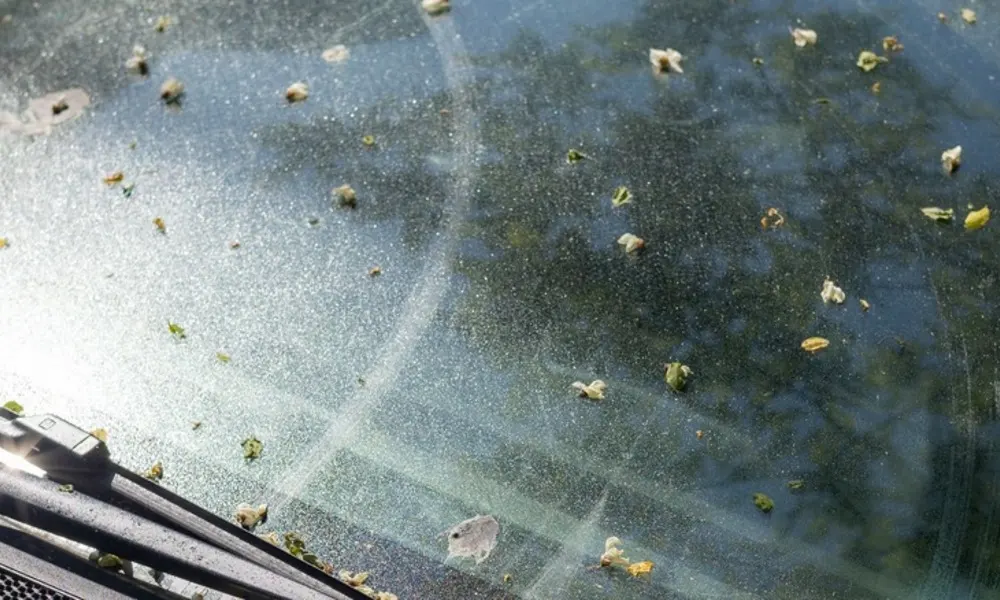
Tree sap may look harmless, but once it sticks to your windshield, it can become difficult to remove. Over time, sap creates sticky spots, cloudy marks, and streaks that reduce driving visibility and affect windshield wiper performance. If ignored, hardened sap may even leave permanent stains on the glass. Learning How to Get Sap Off Windshield safely helps protect your auto glass and keeps your view clear while driving.  At Texas Reliable Auto Glass, we help drivers handle windshield sap removal using safe methods that prevent scratches, protect visibility, and keep windshield surfaces clean and damage-free for long-term driving safety. Why Tree Sap Is Hard to Remove From Windshields Tree sap is thick, sticky, and designed by nature to harden quickly. Once it lands on auto glass, sunlight and heat bake it onto the surface. How Sap Bonds to Auto Glass Fresh sap starts as a soft liquid, but within hours it becomes sticky and firm. As temperatures rise, sap bonds tightly to windshield glass and becomes difficult to wipe away using regular washer fluid. This is why many drivers searching for how to remove tree sap from windshields struggle with smearing instead of complete removal. Why Heat and Sunlight Make Sap Worse Direct sunlight speeds up the hardening process. During hot weather, tree sap on windshield surfaces can dry into a rough layer that sticks firmly to the glass. Heat also causes: Streaking during wiper use Reduced visibility at night Dirt buildup around sap spots Extra stress on windshield wipers Can Tree Sap Damage Windshield Glass or Wipers? Yes. Hardened sap may not crack the windshield directly, but it can: Scratch glass if scrubbed incorrectly Damage rubber wiper blades Cause streaking during rain Leave long-term stains or etching That is why quick windshield sap removal is important. Signs Your Windshield Has Hardened Tree Sap Sometimes sap is easy to spot. Other times it looks like haze or water stains. Sticky or Cloudy Spots on Glass Small sticky dots are usually the first sign of sap buildup. Over time, they become cloudy and harder to clean. Smearing During Wiper Use If your wipers spread a sticky film across the windshield, tree sap may already be hardened on the surface. Reduced Driving Visibility Sun glare becomes worse when sap creates uneven spots on the glass. This is especially noticeable during sunrise or nighttime driving. Rough Texture on the Windshield Run a microfiber cloth gently across the glass. If it feels rough or uneven, you likely need to remove tree sap from windshield surfaces before the buildup worsens. What Not to Use to Remove Tree Sap From Windshield Many online tips can damage your auto glass more than the sap itself. Avoid Metal Razor Blades Metal blades can scratch windshield glass permanently. Plastic razor blades are much safer for stubborn buildup. Why Harsh Chemicals Can Damage Auto Glass Strong chemicals like paint thinner or industrial cleaners may damage: Windshield coatings Tint film Rubber seals Wiper blades Always test products carefully before full use. Products That Can Harm Window Tint or Wipers Avoid: Ammonia-heavy cleaners Rough scrubbing pads Steel wool Sharp scraping tools These methods often create more expensive problems later. Does Windex, WD-40, or Dish Soap Remove Tree Sap? Drivers often ask if common household products can help with windshield sap removal. Is WD-40 Safe for Windshields? WD-40 can help loosen sticky sap. However, it should only be used in small amounts and cleaned off completely afterward to avoid residue. Can Windex Break Down Tree Sap? Regular Windex may clean light residue, but it usually cannot dissolve hardened sap effectively. Does Dawn Dish Soap Work on Sticky Sap? Dish soap helps remove surface dirt and fresh sap, especially when combined with warm water. Best Product for Hardened Tree Sap Rubbing alcohol remains one of the safest and most effective solutions for how to get sap off a windshield quickly without damaging the glass. How to Get Sap Off Windshield Fast (5 Easy Steps) These steps work well for most vehicles and help remove tree sap from windshield glass safely. Step 1: Wash the Windshield First Start by removing dirt and debris. Use: Warm water Automotive glass cleaner Microfiber cloth Cleaning the surface first prevents scratches during sap removal. Step 2: Soften the Tree Sap Place a warm damp towel over the sap for several minutes. This softens hardened buildup and makes removal easier. Softening is important because dry scraping often scratches glass. Step 3: Apply Rubbing Alcohol or Sap Remover Soak a microfiber cloth with rubbing alcohol and gently press it onto the sap. Let it sit for: 30 seconds for fresh sap 2–3 minutes for hardened sap This breaks down the sticky material safely. Many drivers researching how to get tree sap off car windshield surfaces find rubbing alcohol works faster than basic cleaners. Step 4: Gently Remove the Sap Wipe slowly using circular motions. For stubborn spots: Use a plastic razor blade carefully Never press too hard Keep the surface wet while cleaning Avoid aggressive scraping because it can leave permanent marks. Step 5: Clean and Polish the Windshield Once the sap is gone: Clean the entire windshield Remove any oily residue Polish the glass for clear visibility Applying a glass protection coating can also help future sap wash off more easily. Best Homemade Remedies for Removing Tree Sap Some household products work surprisingly well for windshield sap removal. White Vinegar and Warm Water Vinegar helps soften sticky residue and works best on fresh sap. Rubbing Alcohol Method This remains one of the safest solutions for how to remove tree sap from windshield surfaces without damaging auto glass. Hand Sanitizer for Sticky Sap Since many sanitizers contain alcohol, they can loosen small sap spots quickly. Peanut Butter Trick The natural oils in peanut butter may soften sap buildup, though this method works better for smaller spots. Is Nail Polish Remover Safe on Windshields? Acetone-based removers can damage tint and surrounding materials. Use them cautiously and only as a last

How to Get Sap Off Windshield Fast | 5 Easy Steps Read More »

What Is the Windshield Trim Called? Understanding Its Role

What Is the Windshield Trim Called?

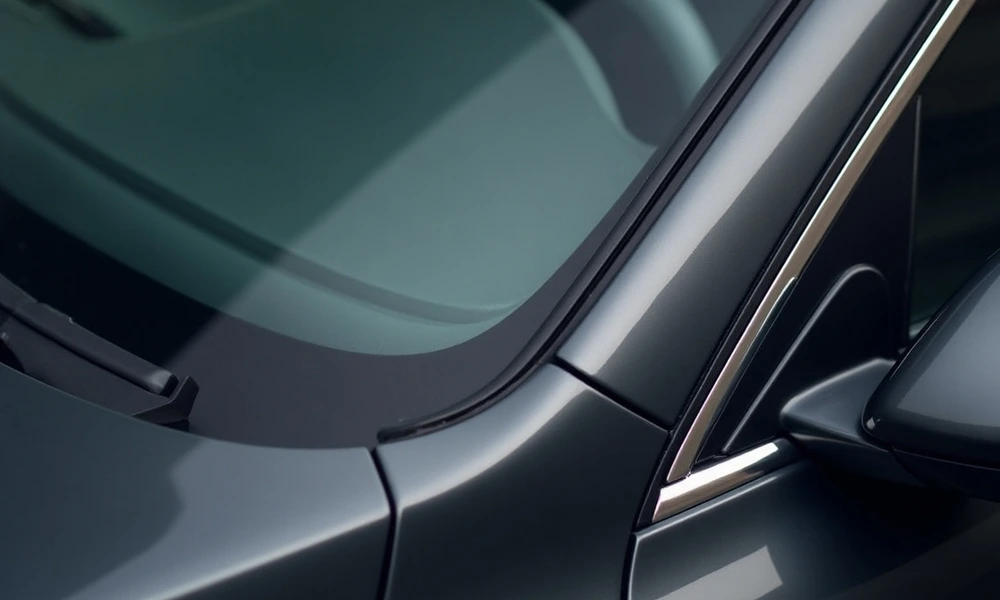
What is the windshield trim called? In most vehicles, the piece around the edge of the windshield is called windshield molding or windshield trim. However, automakers may use different names for specific pieces, including windshield garnish molding, reveal molding, weatherstrip, or a windshield seal. This terminology can become confusing when you’re trying to order a replacement part or explain a problem to an auto glass professional. A loose piece around the windshield may look like a simple rubber strip, but it can be a specific molding or trim component designed for that vehicle. Understanding the terminology can help you identify the right part and determine whether the issue involves the trim itself, the glass, or the windshield installation. Quick Answer The trim around a windshield is commonly called windshield molding or windshield trim. Depending on the vehicle, it may also be called a windshield garnish, reveal molding, weatherstrip, or seal. The exact name varies by design, but these components generally finish the edge of the glass and help protect the windshield area. What Is Windshield Molding? Windshield molding is a trim component installed around the perimeter of the windshield. It helps create a finished edge between the glass and the vehicle body and, depending on the design, can help protect the perimeter from environmental exposure and support the sealing system. Automakers and parts manufacturers commonly use the term “windshield molding” for these components. For example, OEM parts catalogs from Mopar, Toyota, and GM identify specific windshield perimeter pieces as windshield moldings. The exact construction varies by vehicle. Some moldings are flexible rubber-like pieces, while others are designed as rigid or semi-rigid exterior trim. What Does Windshield Molding Do? Windshield molding can serve several purposes depending on the vehicle design: Provides a finished appearance around the glass Covers or protects the edge between the windshield and body Helps manage water and debris around the windshield perimeter Works with other components of the windshield sealing system Helps reduce exposure of the windshield installation to the elements Completes the transition between the glass and surrounding body panels Some OEM descriptions specifically note that windshield molding helps protect the windshield area and can help with moisture intrusion and wind noise. You can also read about: What Is Windshield Calibration.  What Is the Rubber Around the Windshield Called? The rubber around a windshield may be called windshield molding, weatherstrip, windshield seal, or dam rubber, depending on the vehicle and the specific component. This is where terminology becomes especially important. Not every rubber-looking piece around a windshield serves exactly the same purpose. For example, some vehicles use a molding around the glass, while another design may have separate sealing or weatherstripping components. Manufacturer service documentation can use terms such as “dam rubber” and “molding” for different parts of the windshield assembly. If you’re ordering a replacement, it’s better to identify the vehicle’s year, make, model, and the exact location of the damaged piece rather than ordering a generic “rubber windshield trim.” Is Windshield Trim the Same as Windshield Molding? Usually, the terms are used interchangeably in everyday conversation, but they can refer to different components on some vehicles. “Windshield trim” is a broad description for exterior pieces surrounding the windshield. “Windshield molding” is a more specific automotive parts term that manufacturers commonly use. For example, an OEM parts catalog may list a component specifically as a windshield molding, while a service document may refer to a similar area as a garnish or reveal molding. The safest approach is to use the terminology listed for your particular vehicle rather than assuming every windshield uses the same type of trim. What Is the Trim Around a Car Window Called? The trim around a car window is generally called window trim, window molding, weatherstrip, or a window seal, depending on its location and function. Windshield trim is a specific type of automotive glass trim. Side windows and rear windows can use different components and terminology. Common terms include: Term What it generally refers to Windshield molding Trim around the windshield perimeter Windshield trim General term for exterior windshield edging Weatherstrip Material designed to seal or protect against weather Windshield seal A sealing component around the glass Reveal molding Exterior molding around the edge of glass Garnish molding Trim used around the windshield or glass area on some vehicles Dam rubber A specific rubber component used in some windshield assemblies The exact terminology can vary by manufacturer and vehicle design. GM service documentation, for example, uses terms such as “windshield reveal molding,” while Kia documentation refers to “windshield garnish molding” and weatherstrip trim. Where Is the Windshield Molding Located? Windshield molding can be positioned around different sections of the windshield. Depending on the vehicle, you may see: Upper molding: Runs along the top edge of the windshield. Side molding: Runs along the left or right edge near the A-pillars. Lower molding: May be located along the bottom edge near the cowl. Full-perimeter molding: Extends around multiple sides of the windshield. Not every vehicle uses separate pieces in all of these locations. Some designs use a single molding or integrated trim system. Toyota, for example, lists windshield molding as an exterior trim component specifically designed for the outer edge of the windshield. Why Does Windshield Trim Matter? Windshield trim is not just there to make the vehicle look finished. Depending on the vehicle’s design, the molding can help protect the windshield perimeter and work with the overall sealing arrangement. A damaged or incorrectly installed piece can also affect the appearance of the windshield area. Some OEM documentation identifies loose, misaligned, or worn windshield molding as a condition that may require inspection or replacement. GM, for example, lists loose or misaligned molding and a faded or worn finish among signs of molding wear. However, a damaged molding does not automatically mean the windshield itself needs replacement. The condition of the glass, adhesive, surrounding body area, and other components should be evaluated separately. What Are the Signs of Damaged Windshield Molding? Common

What Is the Windshield Trim Called? Read More »

Cost To Fix Windshield Chip | Complete Guide

A small windshield chip usually costs far less to repair than a full windshield replacement. In many cases, professional chip repair falls around $50 to $150, depending on the damage, vehicle, location, and repair method. The Cost To Fix Windshield Chip can rise when the chip is large, deep, near the windshield edge, or inside the driver’s viewing area. Repairing it early is usually the better choice because a small chip can grow into a crack and turn a simple repair into a larger glass replacement. How Much Does Windshield Chip Repair Cost? The typical windshield chip repair cost is around $50 to $150 for a small chip. AAA lists small chip repair around $60 to $100, while other minor windshield repairs can reach about $150. Your actual price may be lower or higher. A professional auto glass shop will usually look at the size, type, location, and depth of the damage before giving a final price. For example, a small bullseye chip in the center of the windshield may be simple to repair. A large impact with several cracks spreading from it may require replacement. How Much Does Windshield Chip Repair Cost in Austin, TX? The windshield chip repair costs in Austin can vary from one vehicle and repair shop to another. A small chip may fall within the common $50 to $150 repair range. However, Austin drivers should not assume that every chip will receive the same price. Local pricing can change because of labor, vehicle type, glass availability, mobile service, and the repair shop’s equipment. A luxury SUV, electric vehicle, or newer vehicle may have a more complex windshield. The glass may contain sensors, cameras, heating elements, or other features. The safest way to know the price is to have the damage inspected. Why Austin Weather Can Matter Texas weather can be hard on auto glass. Strong heat can raise the temperature difference across damaged glass. A chip already has a weak point. Changes in temperature can make existing damage spread. A chip that looks harmless today may become a crack after another hot day, cold air from the vehicle, or a sudden temperature change. This is one reason drivers should avoid waiting weeks before getting a chip checked. What Factors Affect Windshield Chip Repair Cost? Several factors determine the final repair price. 1. Size of the Chip Small chips are generally easier to repair. A larger impact can require more resin, more preparation, and more repair time. If the damage has already developed into a long crack, replacement may be the better option. AAA notes that chips smaller than about a quarter are often repairable, although size alone does not determine whether repair is safe. 2. Type of Damage Not every chip has the same shape. Common types include: Bullseye chips Star breaks Combination breaks Half-moon chips Small pits A simple bullseye may be easier to repair than a combination break with several spreading lines. 3. Location of the Chip Where the chip sits matters. Damage close to the windshield edge can be harder to repair because that area is important to the glass structure. Damage directly in the driver’s main viewing area can also raise concerns about optical distortion after repair. If the repair could affect clear visibility, replacement may be recommended. 4. Number of Chips One small chip usually costs less than repairing several separate impacts. Some shops may offer a lower price per chip when multiple chips are repaired during the same visit. Ask for the total price before work begins. 5. Vehicle Make and Model The basic resin repair may be similar across vehicles, but the windshield itself can differ. Some newer vehicles have cameras and sensors mounted near the windshield. These systems can affect replacement work and may require calibration. AAA lists ADAS recalibration as one factor that can affect windshield replacement pricing. 6. Mobile Service Mobile windshield repair can save you a trip to the shop. However, mobile service may have different pricing based on travel distance, location, and scheduling. Ask whether mobile service changes the repair price before booking. What Is the Windshield Chip Repair Cost Compared With Replacement? The repair windshield chip cost is usually much lower than replacing the entire windshield. AAA places typical small chip repair around $60 to $100, while full replacement can range from about $250 to $1,500 or more. The exact difference depends on your vehicle. For example, an older vehicle with a basic windshield may have a relatively simple replacement. A newer vehicle with cameras or other glass-mounted technology can cost much more. This is why early inspection matters. Does Windshield Chip Repair Prevent the Crack From Spreading? A proper repair can help stabilize the damaged area and reduce the chance of further spreading. It does not make the glass look exactly like new in every case. A repaired chip may leave a small mark or visible point. The goal is to restore the damaged area as much as possible and prevent further cracking. Repair results depend on the age, size, location, and condition of the damage. Technician skill and repair materials also matter. If a chip has been exposed to dirt, moisture, or repeated temperature changes, the final appearance may be less predictable. What Is Windshield Seal Repair Cost? Windshield seal repair cost is different from chip repair cost. A windshield chip is damaged by an impact. A seal problem involves the area where the windshield meets the vehicle body. A damaged or poorly sealed windshield can cause: Water leaks Wind noise Loose trim Moisture around the windshield Problems after poor installation A seal repair may require inspection and partial removal of the glass. The price depends on the cause and whether the windshield needs to be removed and reinstalled. Do not assume a chip repair will fix a seal problem. They are separate issues. Does Insurance Cover Windshield Chip Repair? Insurance coverage depends on your policy. In Texas, comprehensive coverage generally protects against certain non-collision damage, but your exact

Cost To Fix Windshield Chip | Complete Guide Read More »

What If It Rains After Windshield Replacement? Find Out Now

What If It Rains After Windshield Replacement? | Safety Tips

You just got a new windshield installed, and now clouds are rolling in. That timing feels like bad luck, but it usually isn’t a real problem. So what if it rains after windshield replacement? In most cases, light rain won’t hurt the glass or the seal, as long as the adhesive has had a bit of time to set. The real risk comes from driving too soon or letting water pool where the urethane hasn’t cured yet. What If It Rains After Windshield Replacement? A little rain right after installation is common, and it rarely causes damage. The urethane adhesive used to bond the glass starts setting within the first hour, and a light shower won’t wash it away or weaken the bond once that initial set has begun. What matters more than the rain itself is timing. If your installer used a fast-cure adhesive, you’re likely fine to drive within an hour. If they used a standard-cure product, waiting longer protects the seal. Either way, water sitting on the glass edges before the adhesive skins over is the actual concern, not a passing drizzle. That’s the short version of what if it rains after windshield replacement happens to you today. Will Rain Affect a New Windshield? Rain on new windshield surfaces doesn’t damage the glass itself. Glass is waterproof by nature, and the urethane bead is designed to handle moisture as part of normal driving conditions. What rain can affect is an installation that wasn’t done correctly in the first place. If the technician left gaps in the adhesive bead, skipped a primer step, or rushed the seal, rainwater can find its way into those weak spots. That’s an installation quality issue, not a rain issue. A properly installed windshield holds up fine in wet weather from day one. How Long Does Windshield Adhesive Take to Cure? Windshield adhesive cures in two stages: a safe drive-away time and a full cure time. The safe drive-away time is how long you need to wait before driving, and it typically ranges from 30 minutes to an hour with modern urethane products. Full cure, when the adhesive reaches its maximum strength, takes much longer, often 24 hours. During that longer window, the seal is already strong enough for normal driving and light rain, but it’s still smart to avoid pressure washing the glass or slamming doors hard enough to flex the frame. Temperature and humidity affect cure time too. Cold, damp weather slows the chemical reaction, so your installer may recommend a longer wait if it’s raining during installation itself. How Long Should You Wait Before Driving in the Rain? Ask your installer for the exact safe drive-away time for the adhesive they used. This isn’t a guess you should make on your own, since products vary by brand and formula. As a general rule: Fast-cure urethane: 30 minutes to 1 hour before driving Standard urethane: 1 to 4 hours before driving Cold or humid conditions: add extra time beyond the stated minimum Once that window has passed, driving in the rain is no different from driving in the rain with any other windshield. The seal is set, and moisture won’t compromise it. What to Do If It Rains After New Windshield Installation If rain starts shortly after your windshield goes in, here’s what actually helps: Avoid touching the trim or molding around the glass, since pressing on it can disturb an unset bead. Don’t run the car through a wash for at least 24 hours, even an automatic one. Keep windows cracked slightly if the car is parked in a garage, to prevent condensation buildup inside. Check for water inside the cabin after the first heavy rain. A few drops near the dash or headliner can signal a seal issue worth a follow-up call. Avoid slamming doors for the first day, since the pressure change can stress a fresh seal. Skip the freeway if you can, since high speeds put more pressure on the glass than city driving does during the early cure window. None of this requires panic. It’s routine care, similar to letting fresh paint dry before you touch it. Most drivers who ask what if it rains after windshield replacement are relieved to learn the answer is usually “not much,” as long as these basic steps are followed. You can also read about:  ford windshield replacement. Potential Risks of Rain Exposure If Not Properly Installed The real danger isn’t rain after windshield replacement in general. It’s rain hitting a windshield that was installed poorly. A few signs of a bad seal include: Water leaking into the cabin during or after rain Wind noise at highway speed that wasn’t there before Visible gaps or uneven adhesive along the edge of the glass Fogging between the glass and frame A musty smell in the cabin days after a storm, which can point to trapped moisture Does rain affect windshield replacement outcomes when installation is rushed? Yes, indirectly. A tech working too fast under time pressure is more likely to skip prep steps like cleaning the pinch weld or applying primer correctly. Rain then exposes that shortcut instead of causing it. This is why the question “what if it rains after windshield replacement” really comes down to who did the work and how carefully. A rushed job on a dry day can fail just as easily as one that happened to get rained on, since the weak point was already there before the first drop fell. How Weather Conditions Affect the Curing Process Beyond rain itself, several weather factors change how fast urethane adhesive sets. Understanding these helps you plan around a storm instead of worrying unnecessarily. Humidity actually speeds up curing for most modern urethane products, since they cure through a moisture-triggered chemical reaction. Some rain exposure can technically help the bond set, though installers still recommend avoiding direct water contact during the earliest minutes. Cold temperatures slow curing significantly. A windshield installed in near-freezing weather may need double

What If It Rains After Windshield Replacement? | Safety Tips Read More »

How to Get Your Windshield Replaced for Free | Complete Guide

If you have a cracked windshield, you want a fast solution that will not break your bank account. Driving with a broken windshield is dangerous, and buying a new one out of pocket can cost hundreds or even thousands of dollars. The good news is that you can often fix this problem without spending a single penny. This guide will show you exactly how to Get Your Windshield Replaced for Free by using your insurance options, knowing your local state laws, and avoiding common traps. Is Windshield Replacement Free in Texas? (Quick Answer) No, windshield replacement is not automatically free for every driver in Texas. Texas state law does not force insurance companies to waive your deductible for a new windshield. However, you can still get it done for zero out-of-pocket dollars if you have the right type of insurance coverage or a specific glass add-on policy. If you only carry basic liability insurance, you will have to pay for the new glass yourself. States Where You Can Get a Free Windshield Replacement Three states mandate zero-deductible windshield replacement for drivers with comprehensive coverage: Florida: Under Florida Statute 627.7288, any driver with comprehensive coverage is entitled to windshield repair or replacement at no cost. No deductible, no rate increase. Kentucky: Kentucky law requires insurers to waive the deductible for auto glass claims under comprehensive coverage. South Carolina: Same as Florida and Kentucky, zero deductible for glass claims is required by law. If you live in one of these states, how to get your windshield replaced for free is as simple as calling your insurer, filing a claim, and scheduling the replacement. You pay nothing. In all other states including Texas the deductible applies unless your specific policy waives it for glass. Texas Windshield Replacement Laws Explained The Texas windshield replacement law is different from the rules in states like Florida or Kentucky. Texas operates under a standard comprehensive insurance system. This means your standard policy deductible applies to auto glass claims unless you bought extra coverage ahead of time. Texas law also protects your right to choose your repair shop. Your insurance company might suggest a specific national glass chain, but they cannot force you to use them. You can legally pick a trusted local business to handle your vehicle. Does Insurance Cover Windshield Replacement in Texas? Yes if you carry comprehensive coverage. Liability-only coverage does not cover your own windshield. Comprehensive insurance covers damage from events outside of collisions: hail, rocks, vandalism, fallen objects, and weather. A rock hitting your windshield on I-35 is a comprehensive claim, not a collision claim. The key variable is the deductible. Standard comprehensive deductibles run $250, $500, or $1,000. If your deductible is $500 and the windshield costs $350 to replace, there’s nothing to claim you’d pay the full cost yourself. If your deductible is $0 or if your insurer specifically waives the glass deductible, the replacement is free to you. What Type of Insurance Covers Windshield Replacement? To get a free windshield replacement, you must have comprehensive coverage or a full glass rider on your auto policy. Comprehensive Insurance Comprehensive insurance covers damage caused by things out of your control. This includes flying gravel on the highway, fallen tree branches, deer collisions, hail storms, or vandalism. If a rock chips your glass while driving down the highway, comprehensive insurance is what handles the bill. Full Glass Coverage Endorsement This is an extra add-on you can buy for a few dollars a month. It modifies your comprehensive policy so that any glass-only claim has a $0 deductible. It is the easiest way to ensure you never pay for a rock chip or a long crack again. Free Windshield Replacement vs Zero-Deductible Coverage People often confuse these two terms, but they work exactly the same way for your wallet. When a shop offers a free replacement, it usually means they are working with your insurance company to waive your costs, or your state laws cover it completely. Zero-deductible coverage is the actual legal mechanism inside your policy that makes it happen. With zero-deductible coverage, your insurance carrier pays 100% of the glass invoice directly to the shop, leaving you with a $0 balance. Windshield Replacement Coverage: Factors That Affect Your Claim Your deductible amount. The most important factor. A $0 glass deductible means free replacement. A $500 deductible on a $400 replacement means you pay the full cost yourself. How the damage occurred. Rocks and road debris on the highway are covered under comprehensive. A crack caused by improper installation of a previous windshield is not. Vehicle type and glass features. A standard windshield on a 2018 Honda Civic costs significantly less than a windshield on a 2024 vehicle with ADAS cameras, heated glass, or a HUD display. Your insurer covers the actual replacement cost, but the type of glass affects the total claim amount. ADAS recalibration. Most modern vehicles require camera and sensor recalibration after windshield replacement. Most comprehensive policies cover this as part of the claim. Confirm with your insurer before authorizing the work. OEM vs. aftermarket glass. Some policies specify OEM (Original Equipment Manufacturer) glass. Others allow aftermarket equivalents. If you have ADAS features, OEM glass is strongly recommended aftermarket glass may have slight dimensional variations that affect camera alignment. How to Get Your Windshield Replaced for Free in Texas Follow these steps to maximize the chance of a free or low-cost replacement: Step 1: Check your policy deductible for glass claims. Log into your insurer’s app or call the claims line. Ask specifically: “What is my deductible for a windshield replacement claim under comprehensive?” If the answer is $0, you’re set. Step 2: Confirm the damage qualifies. Damage from road debris, hail, vandalism, or weather qualifies under comprehensive. Document the damage with photos before contacting the shop or insurer. Step 3: File the claim. Most major insurers allow online or app-based claim filing. It takes 5 to 10 minutes. You’ll receive a claim number and next steps. Step 4:

How to Get Your Windshield Replaced for Free | Complete Guide Read More »

Scroll to Top