
Accidentally putting windshield washer fluid into the radiator or coolant reservoir can be worrying, especially if you are unsure whether it can damage the cooling system or engine. The good news is that a small accidental amount does not automatically mean your radiator is ruined. However, windshield washer fluid is not designed to work as engine coolant and should not be left in the cooling system.
If you have accidentally added windshield washer fluid to your cooling system, the amount added, where it was added, and whether the vehicle has already been driven all matter. Understanding these factors can help you decide what to do next and whether the system needs to be drained or flushed.
Will Windshield Wiper Fluid Hurt a Radiator?
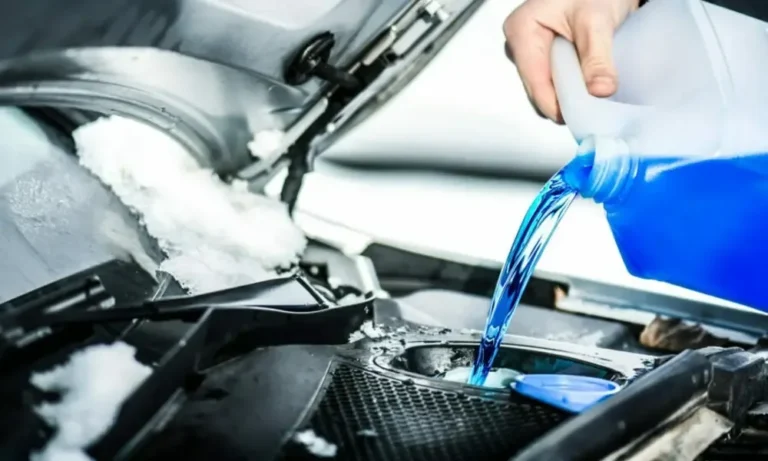
Windshield washer fluid can negatively affect a vehicle’s cooling system because it is formulated for cleaning the windshield, not for controlling engine temperature. It does not have the same properties as automotive coolant.
A properly formulated coolant helps transfer heat away from the engine while also providing protection against freezing, boiling, corrosion, and deposits. Windshield washer fluid is not designed to provide these functions.
If only a small amount of washer fluid accidentally enters a cooling system that already contains the correct coolant, it may not immediately cause serious damage. However, if a large amount is added, the coolant mixture can become significantly diluted or contaminated.
For that reason, windshield washer fluid should be removed from the cooling system rather than treated as an alternative to coolant.
What Happens If You Put Washer Fluid in the Coolant?
The washer fluid mixes with the coolant already inside the system. The result is a mixture that was not designed or recommended for engine cooling.
The consequences depend on the amount added.
A small amount mixed into a full cooling system may have a limited effect because the washer fluid becomes highly diluted. A larger amount can change the properties of the coolant more significantly.
The cooling system may then have less effective protection against the conditions it normally handles, including high engine temperatures and corrosion.
This does not mean the engine will immediately fail after a small accidental spill. However, it does mean the incorrect fluid should be corrected rather than left in the system unnecessarily.
Why Is Windshield Washer Fluid Different From Coolant?
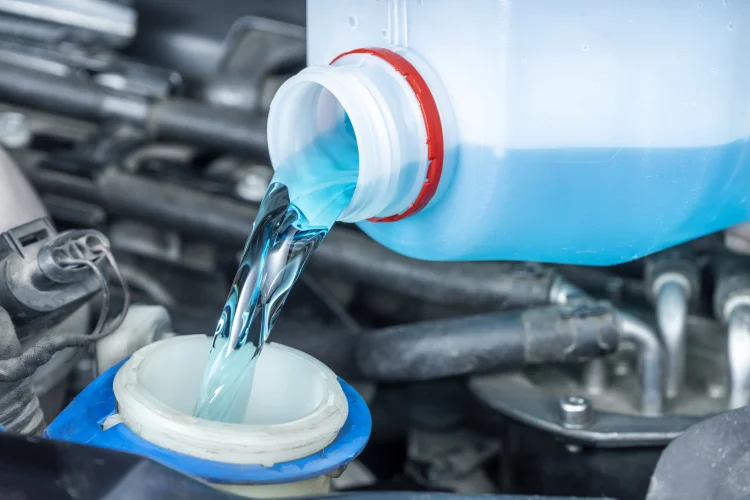
Windshield washer fluid and engine coolant serve completely different purposes.
Washer fluid is designed to:
- Clean dirt and road debris from the windshield
- Remove insects and other windshield contamination
- Flow through washer hoses and spray nozzles
- Provide freeze protection in certain formulations
Engine coolant, on the other hand, circulates through the engine and radiator to help control operating temperature. It also contains additives intended to protect cooling-system components.
The radiator is only one part of this system. Coolant also travels through components such as the water pump, thermostat, hoses, engine passages, and coolant reservoir.
Because of these different requirements, putting windshield washer fluid in radiator components is not an appropriate substitute for the manufacturer’s recommended coolant.
Does the Amount of Washer Fluid Matter?
Yes. The amount of washer fluid accidentally added is one of the most important factors.
For example, adding a small splash to a full coolant reservoir is very different from adding several liters to a cooling system that was already low.
Small Amount
If you accidentally add a small amount while the cooling system already contains the correct coolant, the washer fluid will be diluted by the existing coolant.
This does not necessarily mean immediate radiator damage, but correcting the fluid mixture is still recommended.
Large Amount
If a substantial quantity of washer fluid enters the cooling system, the situation deserves more attention. The coolant may become too diluted or otherwise unsuitable for the vehicle’s cooling requirements.
A drain and refill or a cooling-system flush may be appropriate depending on the vehicle and how much was added.
Added to an Empty or Very Low System
If washer fluid was added when the cooling system was empty or very low, the concentration could be much higher.
In this situation, it is better not to start driving the vehicle simply to see what happens. The incorrect fluid should be removed and the cooling system restored with the proper coolant.
What Should You Do If You Put Washer Fluid in the Radiator?
If you realize that you have accidentally added washer fluid to the cooling system, don’t panic. Follow a few basic steps.
1. Determine Where the Fluid Was Added
First, identify the reservoir or opening you used.
If you accidentally put washer fluid into the windshield-washer reservoir, there is normally no problem because that is where washer fluid belongs.
If it went into the coolant reservoir or radiator, the situation is different and the cooling system needs attention.
2. Estimate How Much Was Added
Try to estimate the amount of washer fluid that entered the system.
You don’t need an exact measurement. Knowing whether it was a small splash, a cup, or a substantial amount can help determine the appropriate response.
3. Do Not Open a Hot Radiator
Never remove a radiator cap from a hot, pressurized cooling system.
Hot coolant can spray out under pressure and cause serious burns. Allow the vehicle to cool completely before inspecting or servicing the cooling system.
4. Avoid Unnecessary Driving
If a significant amount of washer fluid was added, avoid driving the vehicle until the situation has been corrected.
Driving for a short distance may not automatically cause damage, but there is little benefit in intentionally operating a vehicle with an incorrect cooling-system fluid mixture.
5. Drain and Restore the Cooling System
Depending on the amount added and the vehicle’s cooling-system requirements, the system may need to be drained, flushed, and refilled with the correct coolant.
Always use the coolant type and mixture recommended for the vehicle.
How Long Will Windshield Washer Fluid Hurt Your Radiator?
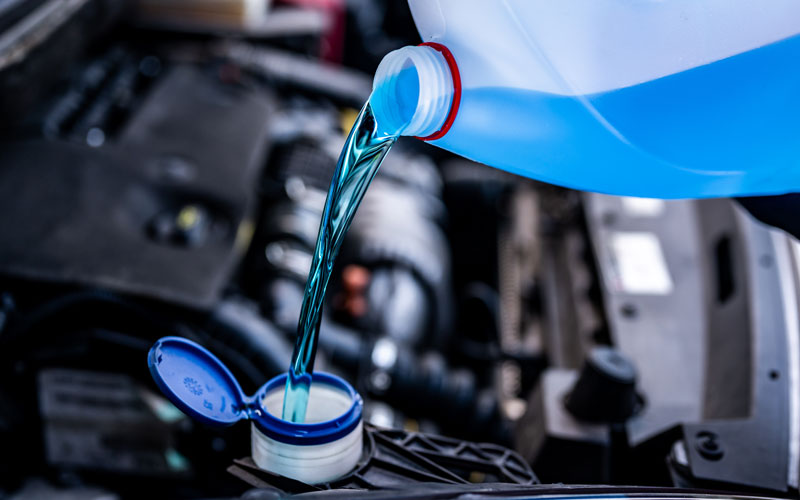
There is no specific number of hours or miles that determines how long washer fluid will hurt a radiator.
The question “how long will windshield washer fluid hurt your radiator” depends on several factors, including:
- How much washer fluid entered the system
- How much correct coolant was already present
- The type of washer fluid
- The vehicle’s cooling-system design
- Whether the vehicle was driven afterward
- Whether the engine experienced overheating
A small amount mixed into a large quantity of coolant may not cause immediate problems. However, that does not mean it should remain in the system indefinitely.
If a significant amount of washer fluid was added, correcting the problem as soon as practical is the safer approach.
Will Washer Fluid Damage Radiator or Engine Components?
The answer is not simply yes or no.
Accidentally adding washer fluid does not automatically mean that permanent radiator or engine damage has occurred. The potential problem is that the cooling system is now operating with a fluid that was not formulated for engine cooling.
If the vehicle continues operating normally and does not overheat, the mistake may be corrected without major damage. However, if the contaminated mixture contributes to overheating, continuing to drive can create a much more serious problem.
The engine temperature is therefore important to monitor.
What If You Already Drove the Vehicle?
If you have already driven the vehicle after adding washer fluid, don’t automatically assume the engine has been damaged.
Think about what happened while driving.
Did the temperature gauge remain normal? Did you notice steam, coolant leaking, warning lights, or unusual temperature changes?
If everything appeared normal, the vehicle may not have suffered immediate damage. However, the cooling-system fluid should still be corrected.
If the engine temperature increased significantly or the vehicle began overheating, stop driving and have the cooling system inspected.
An incorrect fluid mixture is one problem, but an overheating engine can cause much more expensive damage.
Signs of a Cooling-System Problem
After accidentally adding washer fluid, pay attention to signs that could indicate a cooling-system issue.
These may include:
- Engine temperature rising above normal
- Overheating warning appearing
- Steam coming from under the hood
- Coolant leaking beneath the vehicle
- Repeated coolant loss
- Unusual temperature fluctuations
- Strong coolant smell
- Engine performance changing while the temperature rises
If the vehicle starts overheating, do not continue driving simply because you want to reach your destination. Pull over safely and allow the vehicle to cool before arranging professional assistance.
Can a Coolant Flush Fix the Problem?
In many situations, removing the contaminated fluid and restoring the cooling system with the correct coolant is the appropriate solution.
However, the exact procedure varies between vehicles.
Some cooling systems require specific coolant types, mixture ratios, or bleeding procedures. A simple drain and refill may be enough in one situation, while another may require a more thorough flush.
A professional can also inspect the system for existing leaks or cooling problems that may not be related to the washer-fluid mistake.
The goal is to return the cooling system to the correct fluid condition and make sure it can properly regulate engine temperature.
When Should You Get Professional Help?
Professional assistance is recommended if:
- You added a large amount of washer fluid
- You are unsure how much entered the cooling system
- The washer fluid replaced a significant amount of coolant
- You added it directly to the radiator
- The vehicle has already been driven for an extended period
- The temperature gauge is running higher than normal
- The vehicle is overheating
- You are unsure which coolant your vehicle requires
A technician can determine what fluid is in the system, remove the incorrect mixture, refill it properly, and check for signs of overheating or other cooling-system problems.
Windshield Problems Require a Different Type of Service
Washer fluid and engine coolant are completely separate vehicle systems. If you are dealing with a damaged windshield rather than a cooling-system problem, the solution will also be different.
Texas Reliable Auto Glass can help vehicle owners who need professional auto-glass service. If your windshield has cracks, chips, or other damage that requires attention, you can learn more about Windshield Replacement in Austin, TX through the relevant service page.
Keeping your vehicle’s fluids in their correct reservoirs is one of the simplest ways to avoid unnecessary problems.

Conclusion
So, will windshield wiper fluid hurt a radiator? A small accidental amount does not necessarily mean that your radiator or engine has been permanently damaged. However, windshield washer fluid is not designed to function as engine coolant and should not be left in the cooling system.
The most important factors are how much fluid was added, where it was added, and whether the vehicle was driven afterward. A small amount mixed into a properly filled cooling system may have a limited effect, while a large amount requires more prompt attention.
If washer fluid has entered the cooling system, the safest solution is to correct the fluid mixture and use the coolant specified for your vehicle. If the engine begins overheating, shows warning signs, or loses coolant, stop driving and have the vehicle inspected.
Frequently Asked Questions
Can windshield washer fluid damage a radiator?
A small accidental amount does not automatically mean the radiator is damaged. However, washer fluid is not formulated for engine cooling, so it should be removed from the cooling system.
What happens if you put washer fluid in the coolant?
It mixes with the existing coolant and can change the fluid mixture. The effect depends on how much washer fluid was added and how much coolant was already in the system.
Will washer fluid damage radiator components?
It can create an unsuitable cooling-system mixture, but accidental exposure does not automatically mean permanent damage. A significant amount should be removed and replaced with the correct coolant.
How long will windshield washer fluid hurt your radiator?
There is no universal time period. The potential effect depends on the amount added, the coolant concentration, and whether the vehicle is driven while the incorrect mixture remains in the system.
Should I flush the radiator after adding washer fluid?
A drain, refill, or complete cooling-system flush may be appropriate depending on the amount added and the vehicle’s requirements. If you are unsure, having the system inspected is the safest option.