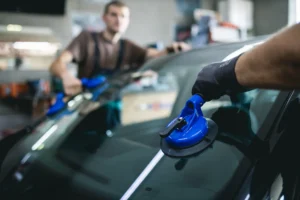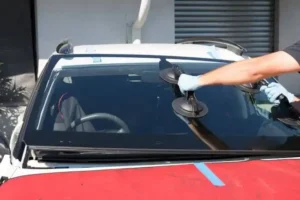

Yes, minor windshield distortion occurs in many new vehicles due to curved glass design and modern high-volume production methods. Most slight optical waves appear near the outer edges where glass bends to fit the frame. However, severe waves or bending in your direct line of sight indicate a clear factory defect or improper installation.
Many drivers ask if Are Windshield Distortions Common In New Cars after noticing a wavy road view through fresh glass. Mild edge bending is completely normal, but clear optics across the main driving area remain essential for your daily road safety.
What Is Windshield Distortion?
Windshield distortion is an optical flaw where objects viewed through auto glass look bent, stretched, or wavy. The glass itself stays physically intact without cracks or surface chips. The optical defect happens because light rays bend unevenly as they pass through laminated glass layers.
Modern vehicle windshields consist of two glass sheets bonded around a plastic inner layer. If any glass layer varies in thickness, light bends at shifting angles. This uneven light movement creates a distracting lensing effect for drivers.
When you look through a distorted windshield, straight objects outside appear curved. Telephone poles, road lane lines, and building edges may look rippled. The effect feels similar to wearing someone else’s reading glasses. While subtle distortion near bottom corners is harmless, optical flaws in front of your eyes cause major visual distraction.
Types of Windshield Distortion
Not all glass optical flaws look the same on the road. Identifying the exact type helps you know if your front glass has a minor quirk or a major safety hazard. Here are the main types you may spot.
Edge Distortion: This effect appears along curved outer borders. Light bends slightly where glass curves sharply to meet the vehicle frame. This type is very common and rarely affects driving safety.
Wave or Ripple Distortion: This flaw shows up as waves across the glass center. When you move your head, objects outside appear to ripple like water.
Reflective Distortion: Bright headlights or direct sunlight create severe halos or double images. This flaw makes night driving uncomfortable and dangerous.
Installation Pressure Distortion: Uneven mounting pressure squeezes glass edges. This mechanical stress warps optical clarity across the glass center.
If your new windshield looks distorted with central waves, you face a manufacturing flaw rather than simple edge curvature.
Are Windshield Distortions Common in New Cars?
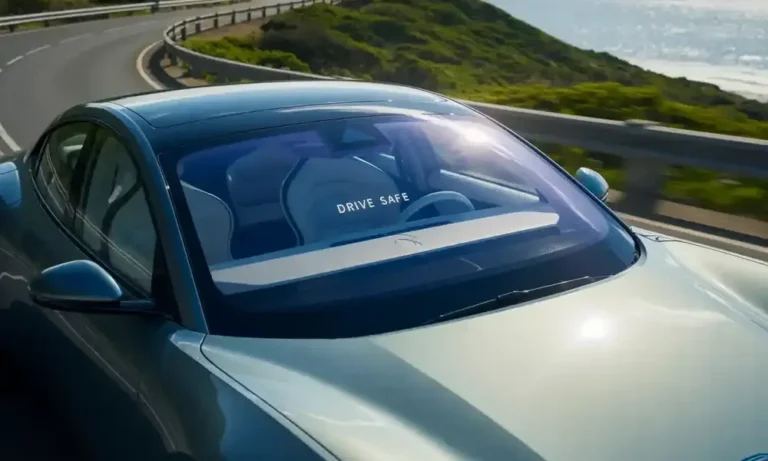
Auto industry reports show that mild windshield distortion exists in many new production vehicles. Auto glass factories build millions of windshields each year. Minor optical variations fall within standard factory tolerance levels.
Modern vehicle designs feature steep glass angles and deep side curves for aerodynamics. Sweeping glass curves require complex heating and cooling steps during manufacturing. These aggressive shapes make uniform glass thickness harder to maintain across the surface.
So, Are Windshield Distortions Common In New Cars? Yes, slight waviness along extreme outer edges is fairly common in new automobiles. Most vehicle owners never notice these minor peripheral flaws during daily drives.
However, noticeable waviness in your central line of sight is not normal. New cars should never leave the dealership lot with optical flaws that distort straight road lines. If your new vehicle creates a funhouse mirror effect, the glass fails basic automotive quality standards.
What Causes Windshield Distortion?
Understanding what creates a distorted windshield helps you take proper action with your car dealer or glass technician. Several production and installation factors lead to optical issues.
Uneven Glass Thickness: Small thickness variations can occur during glass production. When light passes through uneven sections, it bends at different speeds, creating visible ripples.
Plastic Interlayer Flaws: Laminated glass relies on a clear plastic sheet pressed between glass panes. If the plastic layer has wrinkles, the glass distorts your view.
Rapid Cooling Cycles: Bending glass requires intense heat followed by controlled cooling. If cooling happens unevenly, internal glass stress creates optical waves.
Steep Installation Angles: Modern car windshields sit at sharp angles to cut wind resistance. High rake angles lengthen the path light travels through glass, magnifying flaws.
Improper Mounting Pressure: Pressing glass unevenly into the frame during installation creates mechanical tension that warps visual clarity.
Identifying these root causes makes it easier to request a warranty replacement.
5 Common Signs of a Defective Windshield
Recognizing glass defect signs early keeps you safe on the highway. Here are five clear indicators that your front glass suffers from a severe manufacturing defect.
Wavy Road Markings: Straight yellow lane lines, curb edges, or painted crosswalks look curved or broken as you drive past them.
Eye Strain and Headaches: You experience sudden eye fatigue or forehead pressure after short daytime drives as eyes struggle to focus.
Distorted Objects During Motion: Passing road signs, trees, or parked cars seem to stretch, wobble, or jump as they enter your view.
Severe Nighttime Glare: Oncoming vehicle headlights produce exaggerated halos or duplicate images that blind your vision in low light.
Failed Visual Grid Test: When you view a straight brick wall through the glass, vertical and horizontal lines look bent or warped.
If you observe these warning signs, your front glass needs immediate professional inspection.
How to Perform a Windshield Distortion Test
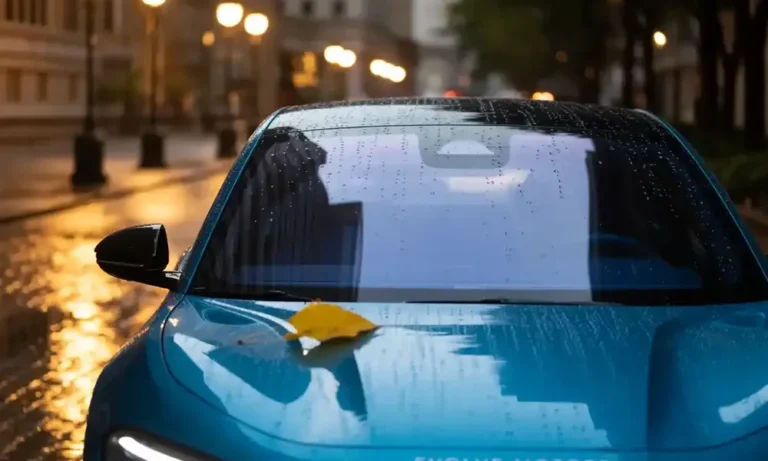
You do not need special tools to test your front auto glass for optical defects. Performing a simple windshield distortion test at home gives you clear proof to show your car dealership or repair shop.
Park your vehicle on a flat surface facing a building with clear straight lines. A brick wall or garage door works best. Sit in the driver seat at your normal driving position.
Look straight ahead through the glass at horizontal building lines. Slowly shift your head from side to side while keeping your eyes focused on a single line. Watch closely to see if the straight line bends or ripples.
Next, lean slowly toward the center console while looking through the passenger side. Repeat the test in sunlight and at dusk. If lines warp during head movement, your glass has optical distortion.
Why You Should Never Ignore Windshield Distortion
Ignoring glass optical flaws can compromise your safety behind the wheel. Clear visibility is your first defense against road hazards, sudden stops, and changing traffic conditions.
Driving with optical flaws distorts your depth perception. You may misjudge the distance to the vehicle ahead or miscalculate parking spaces. At highway speeds, a split second delay in distance judgment increases crash risks significantly.
Driving through distorted glass causes severe physical fatigue. Your brain constantly tries to correct the warped image sent from your eyes. This mental effort leads to eye strain, tension headaches, and slower reaction times.
Night driving becomes especially hazardous with a flawed glass surface. Amplified headlight glare from oncoming traffic can temporarily blind your vision on dark roads.
Asking Are Windshield Distortions Common In New Cars reminds buyers that while minor edge flaws occur, central defects require immediate correction.
You can read about: Is Windshield Wiper Fluid Flammable
When Should You Seek Professional Windshield Repair?
Knowing when to seek professional help saves time and prevents safety hazards. While minor edge waves require no action, central viewing flaws demand professional attention.
Contact an auto glass expert if the optical defect falls directly in your primary driving view. If you must adjust seat height to see the road clearly, schedule an inspection immediately.
Seek service if night driving causes severe glare or double images. These symptoms indicate significant lamination or glass thickness flaws that will not improve over time.
You might wonder how to fix distorted windshield problems without buying new glass. Optical flaws exist inside the glass structure itself. Polishing or chemical treatments cannot correct uneven glass thickness or plastic layer waves.
The only effective solution for severe optical distortion is full glass replacement with high quality OEM parts.
How to Prevent Windshield Distortion Problems
While you cannot control factory manufacturing, you can take smart steps to prevent optical distortion issues on your vehicle.
When buying a new car, conduct a thorough visual inspection before signing final paperwork. Sit in the driver seat and check the glass against straight building lines around the dealership lot. If you spot central waves, request glass replacement before taking delivery.
If you ever need glass replacement, choose Original Equipment Manufacturer (OEM) glass over cheap aftermarket options. OEM glass matches your vehicle original factory specifications for thickness, optical clarity, and curvature.
Select a certified auto glass installation facility with experienced technicians. Proper installation prevents uneven mounting pressure that warps glass surfaces during application.
Avoid exposing your vehicle glass to sudden extreme temperature changes, which can stress minor optical flaws over time.
Conclusion
Understanding whether Are Windshield Distortions Common In New Cars helps every car owner make informed decisions about vehicle safety. While minor edge waviness is a normal result of curved glass design, severe optical flaws in your main driving field are unacceptable manufacturing defects. Never settle for warped road vision, nighttime glare, or driving fatigue on a fresh automobile.
If your vehicle glass shows signs of optical waviness, act quickly to protect your driving safety. For reliable inspection and expert service, trust the team at Texas Reliable Auto Glass. If you need top quality Windshield Replacement in Austin, TX, Our certified glass technicians deliver clear installs using premium materials. Clear road vision is essential for safe driving, so get your auto glass inspected today.

FAQs
Is it normal for a new windshield to look distorted?
Slight optical bending near outer curved edges is normal in modern vehicles. Clear vision across the central driving area is required for road safety.
Can a distorted windshield cause eye strain?
Yes. Looking through uneven glass forces your eye muscles to work harder to focus, causing headaches, eye fatigue, and driver tiredness.
How to fix distorted windshield defects safely?
Optical flaws cannot be polished away because they exist inside glass layers. The only permanent fix is replacing defective glass with a quality OEM unit.
Will auto warranty cover a distorted windshield on a new car?
Yes. If your new vehicle glass exhibits severe optical defects within the factory warranty period, dealerships typically replace the glass free of charge.
Does temperature affect windshield distortion?
Extreme heat or cold causes glass materials to expand and contract. Temperature changes can temporarily amplify minor internal glass stress into visible optical waves.