
Wiper blades are the most overlooked safety feature on your car. They sit in the sun, freeze in the winter, and we only think about them when a sudden storm hits and we cannot see the road ahead. Keeping your windshield clean is vital for safe daily driving.
If you are wondering how often to change wiper blades, the quick answer is every six to twelve months. This simple rule keeps your view perfectly clear during heavy rain, snow, and unexpected storms.
How Often Should You Replace Wiper Blades?
While the six to twelve-month window works well, you should not treat it like an exact science. Many car owners ask when to replace wipers because their driving habits are different. Some drivers need a new pair after just a few months. Other drivers can easily stretch their blades to a full year.
The key is to pay attention to how your wipers perform. If they leave behind a hazy film, it is time for a change. Do not wait for a major rainstorm to find out your wipers are bad. It is much safer to replace them early than to get caught in a downpour with zero visibility.
What Is the Average Lifespan of Wiper Blades?
Standard rubber blades are the most common type. They usually last about six months under normal driving conditions. If you choose to upgrade to premium silicone blades, they can last up to a year.
Knowing how often change wipers depends on your climate and parking situation. A car parked in a dark garage will have blades that last much longer. On the other hand, a car parked on the street faces constant sun exposure. This heat breaks down the soft squeegee material very quickly.
Signs It’s Time to Change Your Wiper Blades
Your windshield will tell you when you need to replace your wipers. You just have to know what to look and listen for. Here are the most common warning signs.
Squeaking and Chattering
If your wipers make a scraping sound as they drag across the glass, the rubber has hardened. It can no longer flex to wipe smoothly. This chattering means the blade is jumping across the glass instead of sliding.
Streaking Water
Thick bands of water left behind mean the wiping edge is split or worn down. This often happens when dirt gets trapped under the blade.
Smearing Dirt
If the blade simply pushes water and mud around instead of clearing it, the rubber has lost its structural shape. It cannot create a tight seal with the glass.
Skipping Sections
Wipers that bounce across your windshield leave large spots of water. This happens when the frame gets bent out of shape from strong winds or heat.
Physical Damage
If you look closely at the blade, you might see torn rubber. You might also notice a cracked frame or a rusted metal arm. If the rubber strip is peeling away from the frame, replace it immediately.
What Affects Wiper Blade Lifespan?
Several daily factors speed up the wear and tear on your car. Understanding these will help you figure out how often change car wiper blades in your area.
Ultraviolet Light and Heat
Sunlight is the biggest enemy of rubber. Strong UV rays bake the rubber squeegee. This makes the material dry, stiff, and brittle. Once the rubber loses its flexibility, it cracks and tears under pressure.
Cold and Ice
Freezing temperatures make rubber stiff. If you turn on your wipers when they are frozen to the glass, you can rip the rubber right off the frame. Ice on the windshield also acts like sandpaper, destroying the clean edge of the blade.
Dirt, Debris, and Sap
Dust, sand, and tree sap act as abrasives. Running your wipers over a dirty windshield grinds down the delicate edge of the squeegee. Acid rain and road salt also chemically break down the rubber over time.
What Happens If You Don’t Replace Worn Wiper Blades?
Postponing this simple maintenance task can lead to bigger, more expensive problems.
Poor Visibility
This is the most dangerous result. Drivers with worn wipers have slower reaction times during heavy rain. If you cannot see road hazards clearly, you are at a much higher risk of an accident.
Windshield Scratches
When the rubber blade tears completely off, the bare metal or plastic arm rubs directly against the glass. This can carve deep, permanent scratches into your windshield. Fixing a scratched windshield is much more expensive than buying new blades.
Damage to the Wiper Motor
Worn out, sticky blades create extra friction on the glass. This forces the electric wiper motor to work twice as hard. Over time, this extra strain can cause the motor to burn out early.
How to Inspect Your Wiper Blades
Checking your blades takes less than two minutes. Try to make this a habit every time you wash your car or fill up your gas tank. This simple check helps you decide when to replace wiper blades before they fail completely.
Lift the wiper arms: Pull the wiper arms up until they lock in a vertical position.
Feel the rubber: Run your fingers along the rubber edge. It should feel smooth and flexible, not rough, hard, or cracked.
Look for tears: Gently wiggle the rubber squeegee to check if it is detaching from the metal or plastic frame.
Inspect the frame: Look for loose joints, rust on metal frames, or cracks in plastic frames.
How to Extend the Life of Your Wiper Blades
You can make your blades last longer with a little bit of regular care. This saves you money and keeps your vision clear.
Clean the Blades
Every month, wipe the rubber edge with a damp paper towel and a little bit of windshield washer fluid. This removes built-up road grime, oil, and sap. You will be surprised by how much black dirt comes off.
Never Run Them Dry
Only turn on your wipers when the glass is wet. Running them on dry glass creates heavy friction that ruins the rubber edge. If you need to clear dust, spray washer fluid first.
Scrape Your Windshield First
In winter, use a plastic ice scraper to clear your windshield before using your wipers. Do not use your wipers to clear heavy snow or ice. The weight of heavy snow can bend the wiper arms.
Park in the Shade
Parking in a garage or under shade protects the rubber from damaging UV rays. If you must park in the sun, you can lift the wiper arms up to keep them off the hot glass.
How to Replace Wiper Blades
Replacing your blades is a simple job that you can do at home. You do not need any special tools.
Measure your blades: Consult your owner’s manual or use the fitment guide at an auto parts store. Many cars use two different sizes for the driver and passenger sides.
Lift the arm: Pull the metal wiper arm away from the glass. Place a folded towel on your windshield. This protects the glass from cracking if the bare metal arm accidentally snaps back down.
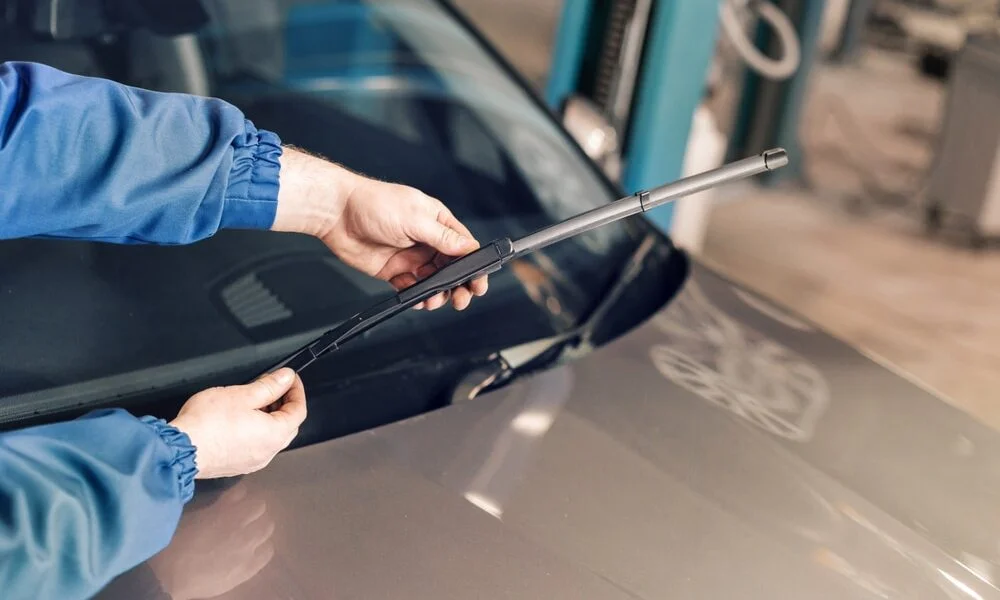
Release the old blade: Most cars use a simple J-hook connector. Press the small plastic tab on the underside of the hook and slide the blade downward to release it.
Attach the new blade: Slide the new blade onto the arm until you hear a click. Gently lower the arm back to the windshield.
If you are unsure how often replace wiper blades, check them after every season change. This is especially important before winter and summer start.
How Much Does It Cost to Replace Wiper Blades?
Replacing your wipers is one of the most affordable ways to maintain your car. A new set of standard blades usually costs between $20 and $40. Premium silicone blades can cost between $50 and $80 for a pair.
If you buy them at an auto parts store, the employees will often install them for you for free. If you go to a mechanic, they might charge a small labor fee. This can bring the total cost to $60 or $100. Doing it yourself saves money and teaches you a valuable skill.
Should You Replace Both Wiper Blades at the Same Time?
Yes, you should always replace your wiper blades in pairs. Both blades are exposed to the exact same sun, rain, and cold. If one blade has failed, the other one is not far behind.
Replacing both at the same time ensures you have balanced, clear vision across your entire windshield. It also saves you an extra trip to the auto parts store later. Do not forget to check your rear wiper blade if you drive an SUV or hatchback.
When Should You Seek Professional Wiper Blade Replacement?
Most drivers can handle this task themselves. However, you might want to visit a professional shop if you have a luxury car with unique wiper arms. Some European cars require special tools or specific adapter clips.
If your wipers still do not clear the glass after you install new blades, the spring inside the wiper arm might be worn out. A professional can quickly test the tension of the arm and replace it if needed.
Conclusion
So, how often to change wiper blades? Plan for a replacement every 6 to 12 months, and check sooner if you notice streaking, squeaking, or cracked rubber. Texas heat and sudden storms make regular inspection even more important for drivers in our area. At Texas Reliable Auto Glass, we know that clear visibility starts with a clean, undamaged windshield too. If your wipers still streak after a fresh blade change, it might be time for a closer look at your glass.
Our team offers trusted Windshield Replacement in Austin TX, so you can drive with confidence no matter the weather. Reach out today to get your windshield and wipers both working the way they should.

FAQs
Can I just replace the rubber insert?
Yes, some older wiper styles allow you to slide out the old rubber strip and slide in a new one. However, complete blade assemblies are now so affordable and easy to install that most drivers replace the entire unit.
Why do my brand-new wiper blades streak?
New blades can streak if there is oil, wax, or road grime on your windshield. Clean your windshield thoroughly with glass cleaner before installing new wipers.
Are silicone wiper blades worth the extra money?
Yes. Silicone blades withstand heat and UV rays much better than natural rubber. They usually last twice as long, making them a smart investment if you live in a hot, sunny area.
How do I know what size wiper blades I need?
You can look up your car’s year, make, and model in the fitment guide at any auto parts store. You can also measure the length of each blade with a tape measure. Remember that the driver and passenger sides are often different lengths.