
When temperatures drop below freezing, your windshield washer system can stop working at the exact time you need it most. If you pull the washer lever and nothing comes out, you may have frozen washer fluid in the reservoir, hoses, or spray nozzles. So, how do you unfreeze windshield wiper fluid safely? The best approach is to let the system thaw gradually rather than forcing the washer pump to operate. If possible, move the vehicle into a warmer garage and allow the frozen fluid to melt naturally.
Once it has thawed, check the reservoir, inspect the system for leaks or damage, and replace unsuitable fluid with a winter-rated windshield washer fluid.Avoid pouring boiling water into the reservoir or adding engine coolant. These shortcuts can create additional problems and don’t address the underlying cause of the freezing.
Quick Answer: How to Unfreeze Windshield Wiper Fluid
If your windshield wiper fluid is frozen, follow these steps:
- Stop repeatedly activating the washer system.
- Park the vehicle somewhere warmer if possible.
- Allow the reservoir, hoses, and nozzles to thaw gradually.
- Use the vehicle’s defroster to warm the windshield before testing the spray.
- Check the reservoir once the fluid becomes liquid.
- Replace unsuitable or diluted fluid with a winter-rated washer fluid.
- Test the washer system carefully.
- If it still doesn’t work, check for a blocked nozzle, damaged hose, fuse problem, or faulty washer pump.
The most important thing is not to force a frozen system to work. A little patience can help prevent a simple frozen-fluid problem from becoming a more expensive repair.
Why Does Windshield Washer Fluid Freeze?
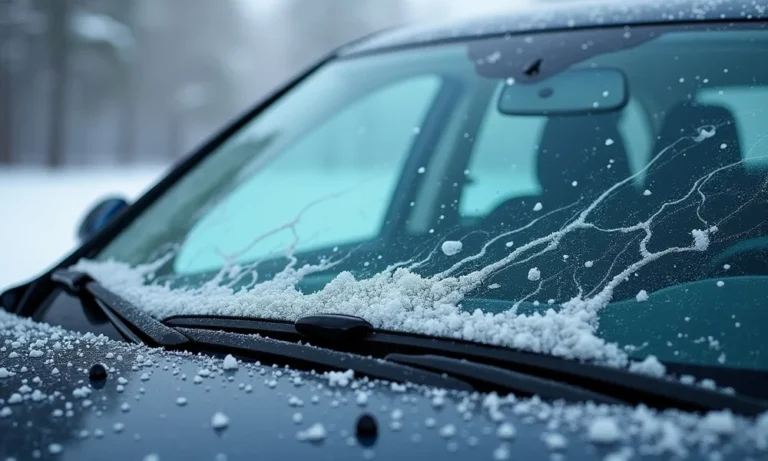
Not all windshield washer fluids have the same level of freeze protection.
Some products are formulated for warmer weather, while winter formulas are designed to remain liquid at lower temperatures. If the wrong type of fluid is used, or if a ready-to-use formula has been diluted too much, the fluid can freeze when temperatures fall.
Common reasons include:
- Using summer washer fluid during freezing weather
- Adding too much water
- Using a washer fluid with insufficient freeze protection
- Leaving an older mixture in the reservoir and lines
- Mixing fluids with different temperature ratings
The concentration of the washer fluid can affect its freezing point. Some vehicle documentation specifically warns that adding water to washer fluid can reduce its freeze protection.
This is why simply adding more water isn’t a good solution when your goal is to prevent frozen wiper fluid.
How to Unfreeze Windshield Wiper Fluid Safely
1. Stop Using the Washer Switch
If you pull the washer lever and nothing happens, don’t keep trying it over and over.
When the system is frozen, the fluid may not be able to move through the pump, hoses, and nozzles properly. Repeatedly activating the washer can place unnecessary stress on the system.
Instead, concentrate on warming the vehicle and allowing the frozen fluid to thaw.
2. Move Your Vehicle Into a Warm Garage
If you have access to a heated garage, this is one of the easiest ways to thaw frozen washer fluid.
Park the vehicle inside and allow the temperature around the car to rise gradually.
The amount of time required depends on:
- How cold the vehicle is
- How much fluid is frozen
- The temperature inside the garage
- Whether the reservoir is frozen
- Whether the hoses and nozzles are also frozen
Don’t assume the system is completely thawed simply because the reservoir looks liquid. Fluid can remain frozen in smaller hoses or spray nozzles.
3. Use the Vehicle’s Defroster
If you can’t move the vehicle into a warm garage, start the vehicle and use the defroster according to the manufacturer’s instructions.
The defroster can help warm the windshield and surrounding areas before you test the washer system.
However, don’t expect the defroster to instantly thaw the entire washer system. Give the vehicle enough time to warm up naturally.
Once the windshield is warm enough and the washer system has had time to thaw, test the spray briefly.
4. Wait for the Nozzles to Thaw
Sometimes the reservoir isn’t completely frozen, but the washer nozzles are blocked by ice.
You may notice:
- The washer pump makes a sound.
- Little or no fluid reaches the windshield.
- One nozzle sprays while another doesn’t.
- The spray is weak or uneven.
In this situation, continue allowing the vehicle to warm rather than trying to force the fluid through the blockage.
The smaller passages around the nozzles can remain frozen even after the larger reservoir begins to thaw.
You can also read about How To Refill Windshield Wiper Fluid.
What If the Windshield Wiper Fluid Is Completely Frozen?
If the entire reservoir appears frozen, don’t try to break up the ice manually or pour extremely hot water into the tank.
Allow it to thaw gradually.
Once the fluid becomes liquid, inspect the reservoir and check for:
- Cracks
- Leaks
- Slush or remaining ice
- An unusually low fluid level
- Contamination
- An inappropriate summer or diluted mixture
If the fluid isn’t suitable for the temperatures you’re experiencing, replace it with an appropriate winter washer fluid.
Can You Pour Hot Water on Frozen Washer Fluid?
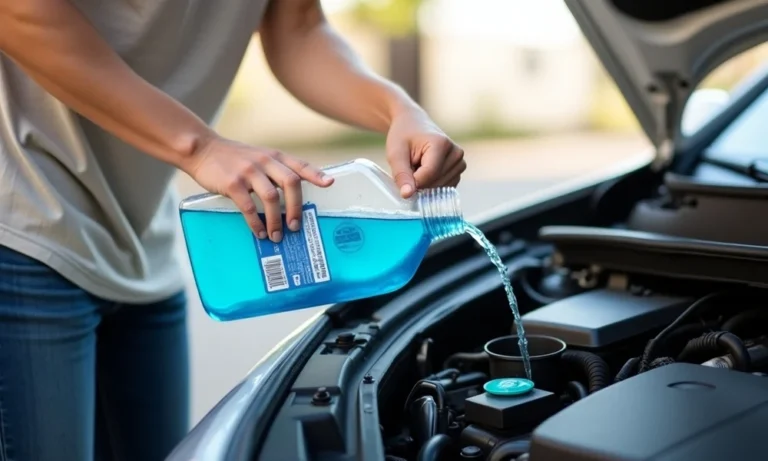
It’s better to avoid using boiling or extremely hot water as a quick fix.
A sudden temperature change isn’t necessary, and adding water can dilute the washer fluid and reduce its freeze protection.
If you need to thaw frozen wiper fluid, gradual warming is the better approach.
The goal isn’t simply to make the ice disappear. You also want the washer system to remain in good working condition afterward.
Can You Add Antifreeze to Frozen Wiper Fluid?
No. Don’t add engine coolant or radiator antifreeze to the windshield washer reservoir.
Engine coolant and windshield washer fluid are designed for completely different purposes.
Using the wrong automotive fluid can damage vehicle components or surrounding surfaces.
If you need better protection against freezing temperatures, use a windshield washer fluid specifically formulated for cold weather.
Can You Add Water to Frozen Washer Fluid?
Adding water isn’t a reliable way to solve a freezing problem.
Water freezes at a higher temperature than properly formulated winter washer fluid. Adding it to a winter mixture can reduce the concentration of the ingredients that provide freeze protection.
If you are using concentrated washer fluid, follow the product’s mixing instructions.
If the product is labeled ready to use, don’t assume that adding water will improve it.
What Should You Do After the Frozen Washer Fluid Thaws?
Getting the fluid to thaw is only the first step.
After the system becomes liquid, inspect it before returning to normal use.
Check the Reservoir
Look inside the reservoir and make sure:
- The fluid is completely liquid.
- The reservoir isn’t cracked.
- There are no visible leaks.
- The fluid level is appropriate.
Check the Washer Nozzles
Try the washer briefly.
The spray should reach the windshield and distribute reasonably evenly.
If nothing comes out, the lines or nozzles may still be frozen or blocked.
Check the Washer Pump
Listen when you activate the washer.
If you hear the pump but no fluid reaches the glass, there could be a blockage or disconnected line.
If there is no pump sound at all, the problem may involve the pump, fuse, wiring, or another electrical component.
How Can You Prevent Windshield Wiper Fluid From Freezing Again?
Preventing the problem is easier than dealing with frozen washer fluid after a cold night.
Use a Winter-Rated Washer Fluid
Check the temperature rating printed on the bottle.
Choose a product that provides adequate freeze protection for the temperatures your vehicle is likely to encounter.
Don’t rely solely on labels such as “winter formula.” Look at the actual temperature rating when possible.
Don’t Dilute Ready-to-Use Fluid
If the bottle says the product is ready to use, don’t automatically add water.
Diluting it can reduce its freeze protection.
For concentrated products, follow the manufacturer’s instructions for the correct water-to-fluid ratio.
Replace Summer Fluid Before Freezing Weather
If you know freezing temperatures are approaching, don’t wait until the washer system has already frozen.
Replace warm-weather fluid with an appropriate cold-weather formula beforehand.
Keep in mind that some older fluid may remain inside the washer lines even after you refill the reservoir.
Check the Fluid Before a Cold Snap
A quick check can help you avoid an inconvenient morning.
If the reservoir contains mostly water or a warm-weather product, replace it before temperatures fall below the fluid’s rated protection level.
What Is the Best Washer Fluid for Freezing Weather?
The best washer fluid for freezing conditions is one that provides sufficient freeze protection for your local temperatures and is compatible with your vehicle.
Look for a product that:
- It is specifically designed for cold weather.
- Has a clearly stated freeze-protection rating.
- Is suitable for your vehicle.
- Is used according to the manufacturer’s instructions.
- Doesn’t require unnecessary dilution.
A more expensive bottle isn’t automatically better. The important thing is whether its specifications match your driving environment.
Can Frozen Wiper Fluid Damage the Washer System?
It can create problems, particularly if the washer system is repeatedly operated while frozen.
Potential issues can include:
- Blocked spray nozzles
- Frozen washer lines
- Washer pump stress
- Electrical or fuse problems
- Leaks
- Reservoir damage in severe circumstances
Not every frozen washer system will suffer damage, but repeatedly trying to force frozen fluid through the system isn’t a good troubleshooting method.
Let the system thaw first.
What If the Washer Still Doesn’t Work After Thawing?
If the fluid is completely liquid and the washer still doesn’t spray, freezing may no longer be the main problem.
Check for:
- An empty reservoir
- A clogged nozzle
- A disconnected hose
- A blown fuse
- A faulty washer pump
- A leak
- Electrical problems
If the washer pump operates but fluid doesn’t reach the windshield, the problem could be somewhere between the reservoir and the nozzles.
If the pump doesn’t operate after the system has thawed, professional diagnosis may be appropriate.
Frozen Washer Fluid vs. Windshield Damage
A washer problem and a windshield problem are two different things.
If the washer system is working but your visibility is still poor, inspect the windshield itself.
Potential issues include:
- Cracks
- Chips
- Deep scratches
- Severe pitting
- Surface damage
- Heavy contamination
A damaged windshield can affect visibility even when your washer fluid and wiper blades are working correctly.
If your windshield has significant damage, replacing the washer fluid won’t solve the underlying problem.
For drivers searching for Windshield Replacement in Austin, TX, professional auto-glass service can help determine whether the glass needs repair or replacement.
Texas Reliable Auto Glass can assist with windshield-related service when the problem goes beyond a frozen washer system.

Common Mistakes to Avoid
Don’t Keep Running the Washer Pump
If the system is frozen, repeatedly activating the pump won’t make the fluid thaw faster.
Don’t Use Boiling Water
Avoid introducing extremely hot water to a frozen washer system.
Don’t Add Engine Coolant
Radiator antifreeze is not a substitute for windshield washer fluid.
Don’t Randomly Mix Chemicals
Use products specifically designed for windshield washer systems and follow their instructions.
Don’t Assume Every Winter Fluid Is the Same
Check the actual freeze-protection rating before choosing a product.
Don’t Forget the Washer Lines
The reservoir may thaw while fluid inside the smaller lines and nozzles remains frozen.
Final Thoughts
If your windshield wiper fluid is frozen, don’t try to force the washer system to work or pour boiling water into the reservoir.
Instead, let the system thaw gradually, preferably in a warmer location. Once the fluid becomes liquid, check the reservoir, washer lines, and nozzles, then replace unsuitable fluid with a winter-rated formula designed for the temperatures you expect.
The best way to prevent frozen washer fluid is to prepare before freezing weather arrives. Use the correct winter washer fluid, avoid unnecessary dilution, and pay attention to the product’s freeze-protection rating.
If your washer system works normally but your windshield has cracks, chips, or significant glass damage, the problem may require professional auto-glass service.
Frequently Asked Questions
How do you unfreeze windshield wiper fluid quickly?
The safest method is gradual warming. If possible, move the vehicle into a warmer garage and allow the reservoir, hoses, and nozzles to thaw before operating the washer system.
How do you unfreeze windshield wiper fluid without a garage?
Allow the vehicle to warm naturally and use the defroster to warm the windshield. Give the washer system enough time to thaw before testing it.
Why is my windshield wiper fluid frozen?
Your washer fluid may not have enough freeze protection for the current temperature. Dilution, added water, or using a warm-weather formula can also contribute to freezing.
Can I use rubbing alcohol to unfreeze windshield washer fluid?
Don’t add household chemicals to the washer reservoir as a DIY thawing method. Use a properly formulated windshield washer fluid designed for the temperatures you experience.
Can frozen wiper fluid damage the pump?
Operating the washer system while the fluid is frozen can cause problems. It’s better to allow the system to thaw before testing the pump.
Can I add winter washer fluid to frozen fluid?
If the existing fluid is still frozen, adding more fluid may not immediately clear the blockage. Allow the system to thaw first, then inspect the reservoir and follow the new product’s instructions.
Why does my washer fluid freeze again overnight?
The existing fluid may not have adequate freeze protection, or diluted/older fluid may remain in the reservoir and lines. Replace it with an appropriately rated winter formula.
Can I drive with frozen windshield washer fluid?
The main concern is visibility. If road spray, dirt, salt, or snow is covering the windshield and you cannot clean it effectively, driving can become unsafe.