 Skip to content

Sunroof Seal Replacement | Say Goodbye to Water Leaks
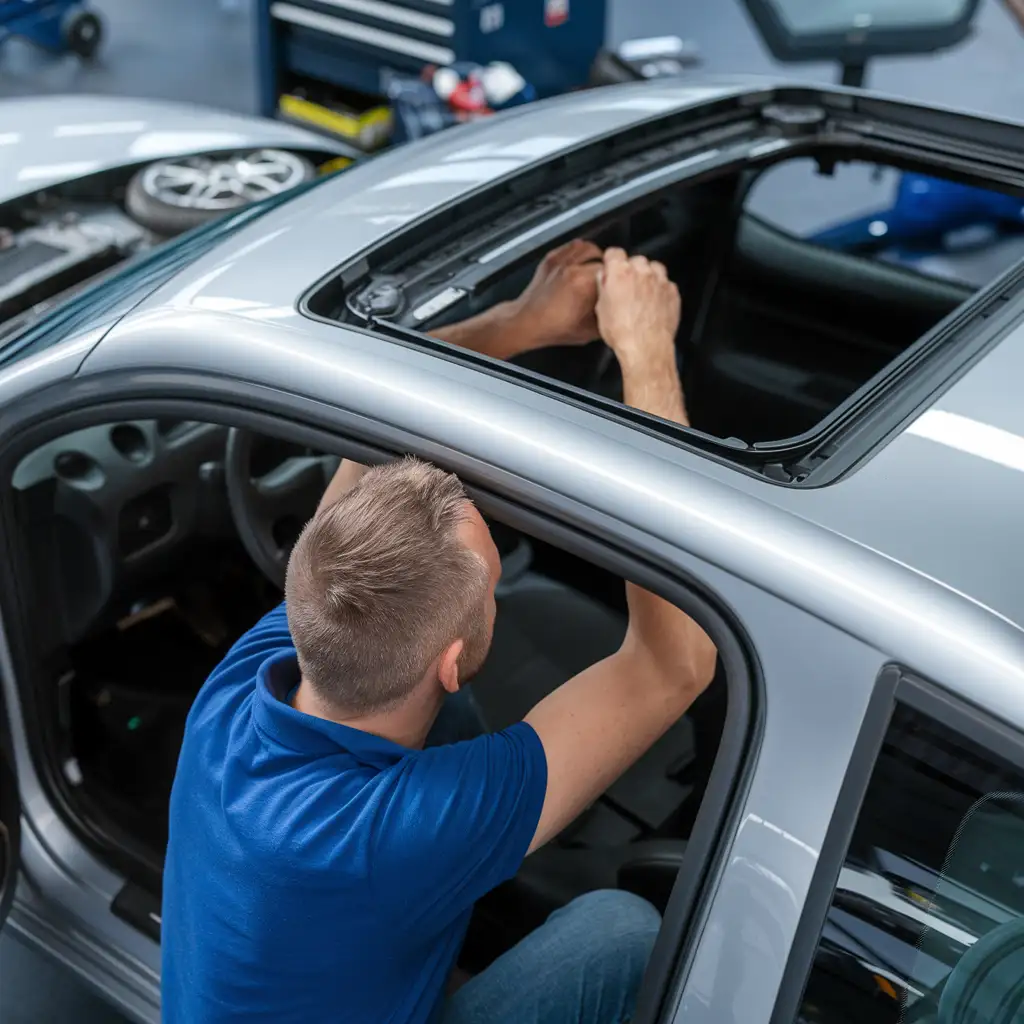
Sunroof seal replacement is essential for maintaining the integrity of your vehicle’s sunroof system. Sunroofs and sunroof glass enhance the driving experience by allowing natural light and fresh air into the cabin, making journeys more enjoyable. However, the benefits of having a sunroof can quickly diminish if the sunroof seals are compromised. Damaged sunroof seals can lead to leaky sunroofs, which not only affect comfort but can also cause water damage to the interior of the vehicle. Regular maintenance and timely replacement of sunroof seals are crucial for protecting your car and ensuring a pleasant driving experience. Sunroof Seals Sunroof seals are rubber or polymer components that are designed to create a watertight and airtight barrier around the sunroof opening in a vehicle. They are essential for preventing leaks and ensuring that no water or air enters the vehicle’s interior when the sunroof is closed. Function: The primary functions of sunroof seals include: Waterproofing: Preventing rainwater and moisture from entering the cabin. Noise Reduction: Reducing wind noise and vibrations when driving with the sunroof open. Thermal Insulation: Helping to maintain the cabin temperature by minimizing air leaks. Protection Against Debris: Keeping out dust, dirt, and other particles that might enter through the sunroof opening. Common Materials Used in Sunroof Seals EPDM (Ethylene Propylene Diene Monomer): A popular choice for its durability, flexibility, and resistance to UV radiation, ozone, and weathering. TPV (Thermoplastic Vulcanizate): Combines the advantages of rubber and plastic, offering excellent weather resistance and flexibility. Neoprene: Known for its good resistance to oils, chemicals, and weather, but typically less flexible than EPDM. Silicone: Provides excellent temperature resistance and flexibility but is generally more expensive and may not be as durable in all conditions. PVC (Polyvinyl Chloride): Often used for budget-friendly options; it can be less durable and more prone to wear compared to other materials. These materials are chosen based on factors such as durability, environmental resistance, and cost, ensuring effective performance of the sunroof seals over time. Types of Sunroof Seal Damages Cracks and Tears Causes: Extreme Temperature Changes: Rapid heating and cooling can cause materials to expand and contract, leading to cracks. Physical Impact: Objects hitting the sunroof or heavy snow accumulation can result in tears. Improper Installation: Poor fitting during manufacturing or sunroof replacement can predispose seals to damage. Effects on Performance: Water Leaks: Cracks and tears can create pathways for water to enter the cabin, leading to potential interior damage and mold growth. Increased Noise: Damaged seals can allow wind noise and vibrations to enter the vehicle, reducing comfort. Air Leakage: Reduced thermal insulation can cause climate control issues, making it harder to maintain desired cabin temperatures. Wear and Tear Over Time Exposure to UV Rays: Prolonged sunlight can weaken seals, making them brittle and more prone to damage. Chemical Exposure: Road salts, oils, and other chemicals can break down the material, leading to premature wear. Frequent Use: Regular opening and closing of the sunroof can contribute to mechanical wear and fatigue of the seals. Effects: Decreased Effectiveness: Worn seals may not form a proper barrier, leading to leaks and reduced insulation. Need for Replacement: Over time, constant wear may necessitate replacement to maintain performance. Misalignment Issues Installation Errors: Improperly aligned sunroofs during installation can prevent seals from making complete contact with the frame. Wear on Components: Over time, mechanical components (like tracks and hinges) can wear out, causing misalignment. Effects: Inadequate Sealing: Misalignment can leave gaps, leading to water and air leaks. Increased Strain on Seals: Misaligned sunroofs can create additional stress on seals, increasing the likelihood of cracks and tears. Environmental Damage Rain and Humidity: Consistent exposure to moisture can lead to mold growth and degradation of seal materials. Extreme Temperatures: High heat can cause seals to harden and crack, while extreme cold can make them brittle and less flexible. Pollution and Debris: Dust, dirt, and other environmental pollutants can accumulate and degrade seal integrity over time. Effects: Reduced Lifespan: Environmental factors can significantly shorten the lifespan of sunroof seals, requiring more frequent inspections and replacements. Performance Issues: Environmental damage can lead to leaks, noise, and decreased comfort inside the vehicle. Sunroof Seal Repair in Austin At Reliable Auto Glass, we specialize in sunroof seal repair to keep your vehicle’s interior safe and comfortable. Our experienced technicians understand the importance of maintaining the integrity of your sunroof seals. Here’s what you can expect from our service: Why Choose Reliable Auto Glass? Expert Technicians: Our skilled professionals have extensive experience in sunroof seal repairs, ensuring high-quality workmanship. Quality Materials: We use top-grade materials to replace or repair seals, enhancing durability and performance. Fast Turnaround: We understand that your time is valuable, which is why we strive to provide quick and efficient service. Customer Satisfaction: Our priority is to ensure that you are completely satisfied with our services. We provide thorough inspections and transparent recommendations. Our Repair Process Inspection: We conduct a comprehensive evaluation of your sunroof and seals to identify the extent of the damage. Assessment: Based on the inspection, we determine whether sunroof repair or replacement is needed. Repair/Replacement: Our team performs the necessary repairs or installs new seals, ensuring a perfect fit and proper alignment. Testing: After the work is complete, we test the sunroof for proper sealing and functionality, ensuring there are no leaks. Common Issues We Address Cracks and Tears: Repairing or replacing damaged seals to prevent leaks. Wear and Tear: Evaluating and addressing aging seals for optimal performance. Misalignment Issues: Realigning sunroofs to ensure proper contact with seals. Environmental Damage: Assessing and mitigating the effects of weather exposure on seals. Sunroof Rubber Seal Repair When Rubber Seal Repair Is an Option Rubber seal repair is a practical choice under several circumstances: Minor Damage: Small cracks, tears, or localized wear that do not compromise the seal’s overall integrity can typically be repaired effectively. Material Condition: If the rubber is still flexible and not brittle or extensively degraded, repairs can restore functionality. Limited Area of Damage: If only a specific
Sunroof Seal Replacement | Say Goodbye to Water Leaks Read More »
