

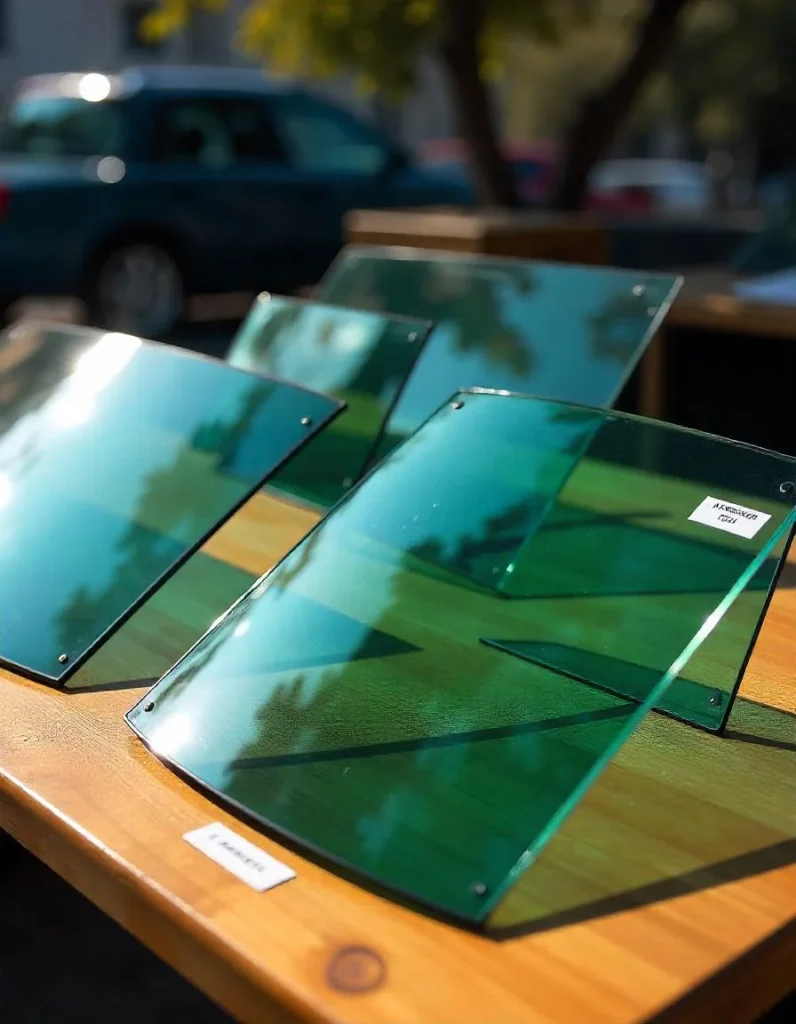
Windshield Replacement Glass Types How to Choose the Right One
Your vehicle’s windshield is an essential part of your car’s safety system. It protects you from debris, weather conditions, and helps maintain the structure of your car during accidents. Choosing the right type of windshield glass is important because it directly affects visibility, comfort, and overall vehicle performance. The right glass can improve driving safety, reduce noise, and even enhance fuel efficiency. There are different windshield replacement glass types available, each with its own set of benefits. Understanding the differences between them is key for car owners who want to make a smart, informed choice when replacing their windshield. Whether you need a basic replacement or something more advanced, knowing your options will help ensure that your new windshield meets both your safety needs and your driving preferences. The Role of Windshields in Vehicle Safety Safety Glass and Impact Resistance Windshields play a critical role in a vehicle’s overall safety. They are an essential part of the car’s structure, helping to absorb the impact during collisions and preventing the roof from collapsing. This structural support is crucial for protecting passengers in an accident. Windshields are made from safety glass, which includes two main types: laminated and tempered. Laminated glass is typically used in windshields, as it is designed to stay intact even if it breaks, reducing the risk of injury from sharp shards. Tempered glass, used for side and rear windows, shatters into small, rounded pieces, making it safer if broken. Clear Visibility and Protection A windshield’s primary function is to provide clear visibility for the driver. It protects against debris like rocks, insects, and other environmental factors while allowing for optimal driving conditions. High-quality windshields also offer protection from UV rays, which can cause skin damage over time, and keep out the elements such as rain and snow, enhancing driving comfort. In addition, some advanced windshield replacement glass types help reduce glare from the sun, improving safety and driving ease during bright or long drives. Advanced Safety Features Modern windshields are integral to a range of advanced driver safety features. Many vehicles today are equipped with Advanced Driver Assistance Systems (ADAS) that rely on cameras and sensors mounted on or near the windshield. These systems can help with features like lane-keeping assist, automatic emergency braking, and collision avoidance, all of which contribute to a safer driving experience. Additionally, the windshield plays an important role in supporting airbags during a crash, ensuring that safety systems function together effectively. Choosing the right windshield replacement glass types can ensure these critical safety technologies work properly, keeping you safe on the road. What are the Different Types of Windshield Glass? Laminated Glass Laminated glass is made by sandwiching a layer of Polyvinyl Butyral (PVB) between two layers of glass. This construction makes laminated glass strong and shatter-resistant. In the event of an impact, the PVB layer holds the glass together, preventing it from breaking into sharp pieces. This improves passenger safety by reducing the risk of injury. Another benefit of laminated glass is its ability to reduce noise. The PVB layer helps block out outside sounds, leading to a quieter ride. For these reasons, laminated glass is the preferred choice for most windshields, ensuring both safety and comfort. When selecting windshield replacement glass types, laminated glass is often the best option for durability and protection. Tempered Glass Tempered glass is created by heating the glass to high temperatures and then rapidly cooling it in a process called quenching. This makes tempered glass around four times stronger than regular glass. It is commonly used for side windows, rear windshields, and safety windows. One key feature of tempered glass is that, when it breaks, it shatters into small, round pieces, rather than sharp shards, which reduces the risk of injury. While tempered glass is not typically used for windshields, it plays an important role in vehicle safety by being used in other windows throughout the vehicle. Solar Glass & Acoustic Glass Solar glass is designed to protect the interior of your car from UV rays and reduce heat buildup. This not only helps improve fuel efficiency by reducing the need for air conditioning, but also protects the vehicle’s interior materials from fading or cracking due to prolonged sun exposure. Acoustic glass, on the other hand, is designed to reduce road and environmental noise. By using multiple layers of glass and sound-dampening materials, it creates a quieter cabin experience. This is especially helpful for long drives or noisy environments where you want to enjoy a more peaceful ride. Both solar and acoustic glass are advanced windshield replacement glass types that offer added comfort and functionality. Tinted and Coated Glass Tinted glass provides several benefits, such as reducing glare from the sun, improving privacy, and offering additional protection from harmful UV rays. It also enhances the vehicle’s overall appearance, giving it a sleek, modern look. Coated glass, on the other hand, is treated with special coatings that provide self-cleaning properties and reduce heat buildup inside the vehicle. The self-cleaning coating helps to break down dirt and debris, making it easier to maintain the windshield. Some coatings also help prevent the glass from fogging up or reduce glare during night driving. Tinted and coated glass are practical choices for those looking for additional comfort, privacy, and convenience in their vehicle. Innovations in Value-Added Windshield Technology Infrared Radiation and Heat Reduction Modern windshields are increasingly designed with special coatings that block infrared radiation, a type of heat that can raise the temperature inside your car. These coatings help reflect infrared rays, reducing the amount of heat that enters through the windshield. As a result, the temperature inside the vehicle stays cooler, which can reduce the need for air conditioning. This not only enhances comfort but also helps improve fuel efficiency, especially during hot weather. When considering windshield replacement glass types, those with infrared blocking coatings are a smart choice for anyone looking to maintain a more comfortable cabin while reducing fuel consumption. Water Repellent and Hydrophobic Coatings Hydrophobic
Windshield Replacement Glass Types How to Choose the Right One Read More »