 Skip to content

Can You Add A Sunroof To A Car? Cost & Guide
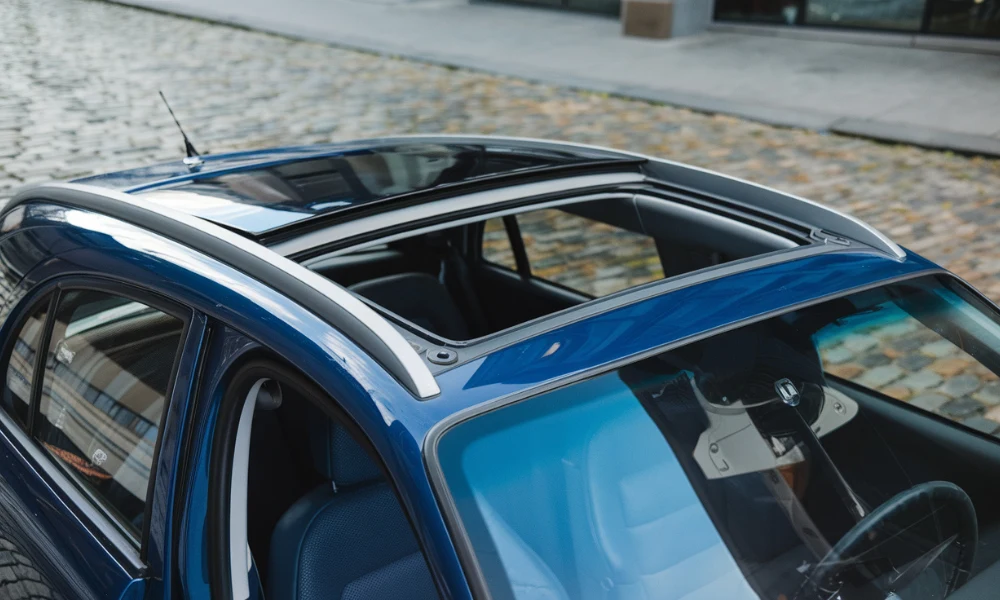
Yes, you can add a sunroof to almost any car, provided the roof is flat enough and lacks structural bracing that cannot be moved. Most installations involve cutting the sheet metal, installing a reinforced frame, and fitting a glass panel with weather-sealed gaskets. While possible for most sedans and SUVs, the process requires professional tools to ensure the car remains leak-free and safe. Adding a sunroof is a major modification that changes your car’s look and feel. Whether you want a simple manual pop-up or a powered aftermarket panoramic sunroof, understanding the technical side is key. At Texas Reliable Auto Glass, we see many drivers wanting that open-air feeling, but it is important to know how it affects your car’s structure and value before you cut it. What Does It Mean to Add a Sunroof to a Car? Adding a sunroof means installing an aftermarket unit into a vehicle that did not come with one from the factory. It is not the same as a factory-fitted sunroof, which is built during manufacturing and is part of the car’s original design. Here is how the process actually works: A technician traces a template on your roof to mark the exact cut zone. Then a power tool cuts through the sheet metal, following that template precisely. The headliner, which is the fabric ceiling inside your car, is trimmed and modified to fit the new opening. A metal frame is dropped into the hole and bonded to your roof. The glass panel is then fitted into that frame and sealed with weatherstripping. Finally, drainage tubes are routed from each corner of the frame down through your door pillars to carry rainwater safely out of the vehicle. That drainage system is the most important part of the whole job. Skipping it or routing it wrong is the number one cause of water damage after aftermarket sunroof installs. A clean installation should leave zero gaps between the seal and the metal. Pro Tip: Always ask your installer how they route the drain tubes before work begins. If they cannot explain it clearly, find another shop. Is It Safe to Add a Sunroof to a Car? This is what most drivers ask first. Your car’s roof is part of its safety cage. It keeps the cabin intact during a rollover. Cutting into it sounds risky, and it can be if done by the wrong hands. Here is the reality though. A professional installation is safe. Certified technicians avoid cutting the main structural beams of your vehicle, called the A-pillar and B-pillar. These are the steel bones that hold your roof together. As long as those stay untouched, your car’s crash protection does not change in any meaningful way. The glass itself is also engineered for safety. Every sunroof uses tempered or laminated glass. This means it breaks into small, blunt pieces rather than sharp shards. It works on the same principle as your windshield. Warning: A cheap or uncertified shop may cut into a support beam to save time. This weakens your roof and puts you at real risk in a crash. Always choose a shop with verifiable experience and documented installs. One more thing worth knowing. Some modern vehicles have sensors, wiring, or rollover protection systems built into the roof structure. Tell your installer this before any cutting starts. Those components need careful handling. Understanding Different Types of Sunroofs Not all sunroofs work the same way. Each type comes with different costs, installation time, and impact on your car’s headroom. Here is a breakdown of every option available. Pop-Up Sunroof This is the simplest and most affordable type. The glass tilts up at the rear to let air in. On some models, you can remove the panel entirely on sunny days. It does not slide back into the roof. This works well for small cars or drivers on a tight budget. Spoiler Sunroof A spoiler sunroof tilts and then slides back over the top of the roof rather than inside it. This design preserves interior headroom. It is one of the most popular choices for aftermarket sunroof installs because it is less invasive than inbuilt models. Inbuilt Sliding Sunroof This is the type that looks factory-installed. The glass slides between the metal roof and the headliner. When fully open, it disappears inside the ceiling. This takes more labor and costs more, but the finished result looks completely clean and professional. Aftermarket Panoramic Sunroof An aftermarket panoramic sunroof covers a large portion of the roof with glass. It makes the cabin feel open and bright. These are complex to install because they require more cutting, more sealing, and often structural reinforcement. They are the most expensive option, but also the most dramatic upgrade you can make to your car’s interior feel. A common question is whether a panoramic sunroof opens. Most aftermarket panoramic units have at least one panel that tilts or slides. Some are fixed glass only. Confirm this detail with your installer before you commit to a unit. Folding Fabric Sunroof Folding sunroofs use canvas or vinyl instead of glass. The material folds back when open. These are lighter and cheaper than glass options and suit classic or vintage cars well. They cost less but do not last as long and offer lower weather resistance than solid glass panels. Sunroof Type Comparison Type Cost Range Install Time Headroom Loss Best For Pop-Up $800–$1,200 4–6 hrs Minimal Budget buyers Spoiler $1,000–$2,000 6–8 hrs Very Low Compact cars Inbuilt Sliding $1,500–$3,000 8–12 hrs 1–2 inches OEM-style look Panoramic $3,000–$5,000 2–4 days 2–3 inches Luxury feel Folding Fabric $700–$1,500 4–6 hrs Minimal Classic/vintage Sunroof vs Moonroof | What’s the Difference? People use these two words like they mean the same thing. They do not. A sunroof is a solid or glass panel that opens, tilts, or can be fully removed. Early sunroofs were often metal panels that you would pop out and store in the trunk. A moonroof is always made of tinted or clear glass.
Can You Add A Sunroof To A Car? Cost & Guide Read More »
