 Skip to content

What If It Rains After Windshield Replacement? | Safe Guide
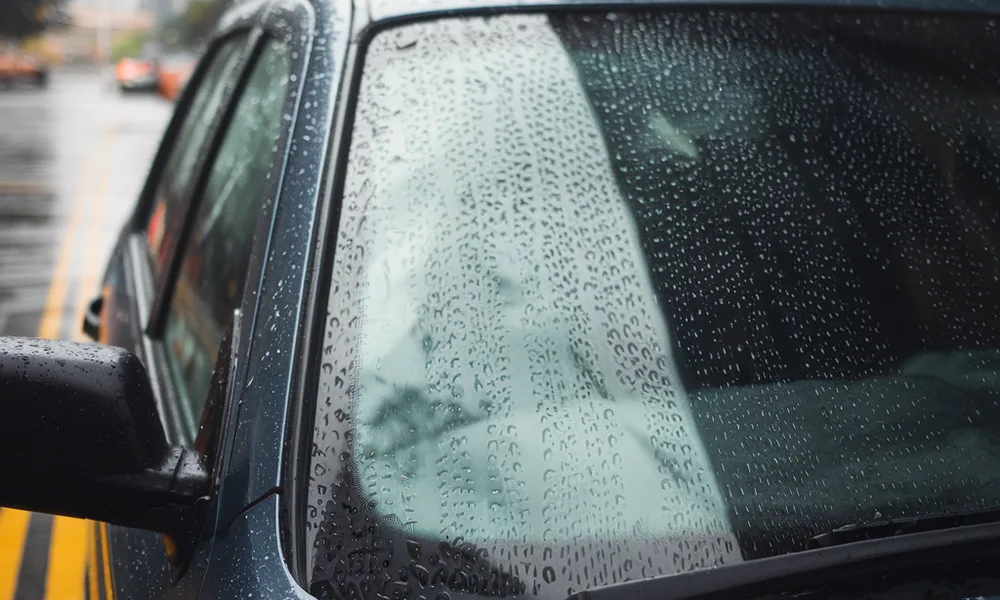
Concerned about what if it rains after windshield replacement, you are not alone. It is one of the top things that drivers worry about after having new auto glass installed. The good news is? Modern auto glass adhesives are moisture-resistant. Actually, most Urethane adhesives cure better in a moist atmosphere.Heavy rain can really mess up the curing process in an hour. The same thing can happen with a storm or if someone uses a pressure washer. So you need to be careful during that hour. Stay out of the really bad weather for the first 24 hours for curing. The curing is critical in the first hour, and it should be protected from extreme weather for 24 hours during the curing.This comprehensive guide will show you everything you need to understand about rain exposure, curing time, and how to shield your new windshield without worrying about the weather report. Why Windshield Replacement Matters Your windshield is really more than a piece of glass. It’s a big part of the structure of your car. In a crash, it can account for up to 60% of the strength of the passenger compartment, act as a brace to prevent the roof from collapsing, and ensure proper airbag deployment. A windshield has to be bonded to the metal frame of your car. That bond is formed with specialized urethane adhesives that take a certain amount of time to cure. Any compromise to the bond whether from rain, vibrations, or errors in installation is endangering your life. loadPlayThis is why it’s as important to know what to do if it rains after a windshield replacement as it is to know how to care for a windshield replacement in general, so that you can protect your investment and your safety. What If It Rains After Windshield Replacement? People often feel anxious when they see dark clouds coming after their appointment. The Build Up Is: Light rain is generally not harmful. The moisture in the air is used by the glue while it’scuring. Heavy rain during the first hour can cause issues. High water pressure can mess with the seal. If water collects where the seal is, it can also disrupt it before it fully sets. You got your car window replaced, and now you see rain, no big deal. The paste hardening commences in a few minutes. Will Rain Affect a New Windshield? One of the largest myths is that water can dissolve the adhesive. It’s not so. Modern urethane adhesives are so thick and strong that they are not water-soluble. But while water won’t dissolve the glue, an excess of that liquid too early in the process might create issues: 1. Water seeping under the seal When it is raining, and the rain is pounding on the glass before the curing process of the adhesive starts, the water from the rain may be able to get into the bonding area of the glass. 2. Creation of air gaps Moisture pressure can make gaps in the urethane. These gaps can cause a whistling sound. They can also lead to water leaks. 3. Interference with initial chemical bonding The glass-to-metal bond is made in the first few minutes. Too much pressure from falling rain can cause that to fail. If you’re asking how long after windshield replacement it can get wet, then the answer is: Light rain after 1 hour. OK for light rain after 1 hour. This will help the adhesive develop maximum bonding strength. Rain and Its Impact on Fresh Windshield Installations You can achieve good whaop(rebound) when raining with water meets urethane adhesives, because now we know what happens when water meets urethane. Urethane adhesives, such as moisture-cured urethane, cure upon exposure to moisture in the air. That is why urethane adhesives are so good for putting in a windshield, even on a humid day (which is probably not something a lot of people consider about urethane adhesives). But there is a point of no return: Light moisture = good for curing Too much water = possibly harmful before initial set-up Installers who are experienced with premium adhesives know how to shield your vehicle during the install. Many also perform their work in temperate climate-controlled environments. It’s when curing starts that rain turns into an all-clear. What to Do If It Rains After Installation If it begins to rain after your appointment, here’s how to handle it: 1. Stay calm Your windshield is probably just fine. Light rain is no big deal. 2. Keep the windows slightly cracked This way, there is no change in cabin pressure to stretch the new seal. 3. Avoid car washes for at least 24 hours High-pressure jets can harm even partially cured adhesive. 4. Be gentle when closing your doors The door slams, air pressure inside goes up, then down, producing a vacuum that would suck the door seal. 5. Leave any protective tape in place When it’s raining cats and dogs for an hour or more, best to move the car to a carport, garage, or under the canopy of a gas station so the adhesive can, at least at first, “set up”. You can also read about: ford windshield replacement. Potential Risks of Rain Exposure (If Not Properly Installed) If it’s pouring down and it’s for an hour, and after that, you have to take your car to the carport, garage, or to a gas station canopy so the glue has a chance to set before you bring it in. The best-known installation mistakes usually make themselves known in the rain, although they were always present. 1. Poor surface preparation If the surfaces to be bonded are not clean and/or the product is not applied as instructed by the technician, the glue will not work. The glue needs a surface to stick to to work. 2. Use of low-quality adhesive Lower quality urethane adhesive may not cure well, as it should, which means the assembly will be exposed to moisture. 3. Not applying enough adhesive A thin layer or missing patches result in natural leak points. 4. Rushed installation Not priming or following the cure time directions also weakens the bond. In these cases, rain is not
What If It Rains After Windshield Replacement? | Safe Guide Read More »
