

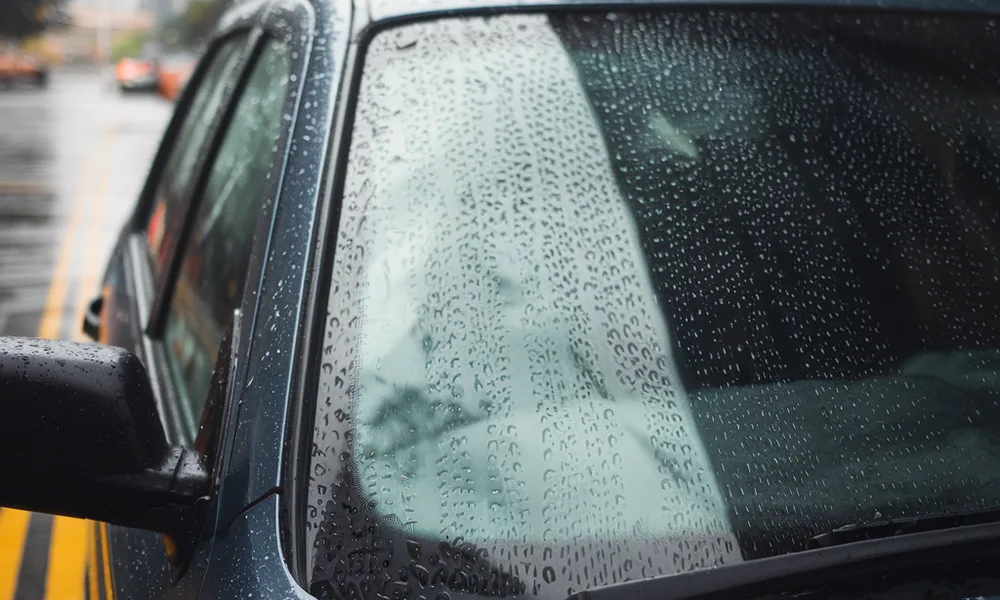
What If It Rains After Windshield Replacement? | Safety Tips
You just got a new windshield installed, and now clouds are rolling in. That timing feels like bad luck, but it usually isn’t a real problem. So what if it rains after windshield replacement? In most cases, light rain won’t hurt the glass or the seal, as long as the adhesive has had a bit of time to set. The real risk comes from driving too soon or letting water pool where the urethane hasn’t cured yet. What If It Rains After Windshield Replacement? A little rain right after installation is common, and it rarely causes damage. The urethane adhesive used to bond the glass starts setting within the first hour, and a light shower won’t wash it away or weaken the bond once that initial set has begun. What matters more than the rain itself is timing. If your installer used a fast-cure adhesive, you’re likely fine to drive within an hour. If they used a standard-cure product, waiting longer protects the seal. Either way, water sitting on the glass edges before the adhesive skins over is the actual concern, not a passing drizzle. That’s the short version of what if it rains after windshield replacement happens to you today. Will Rain Affect a New Windshield? Rain on new windshield surfaces doesn’t damage the glass itself. Glass is waterproof by nature, and the urethane bead is designed to handle moisture as part of normal driving conditions. What rain can affect is an installation that wasn’t done correctly in the first place. If the technician left gaps in the adhesive bead, skipped a primer step, or rushed the seal, rainwater can find its way into those weak spots. That’s an installation quality issue, not a rain issue. A properly installed windshield holds up fine in wet weather from day one. How Long Does Windshield Adhesive Take to Cure? Windshield adhesive cures in two stages: a safe drive-away time and a full cure time. The safe drive-away time is how long you need to wait before driving, and it typically ranges from 30 minutes to an hour with modern urethane products. Full cure, when the adhesive reaches its maximum strength, takes much longer, often 24 hours. During that longer window, the seal is already strong enough for normal driving and light rain, but it’s still smart to avoid pressure washing the glass or slamming doors hard enough to flex the frame. Temperature and humidity affect cure time too. Cold, damp weather slows the chemical reaction, so your installer may recommend a longer wait if it’s raining during installation itself. How Long Should You Wait Before Driving in the Rain? Ask your installer for the exact safe drive-away time for the adhesive they used. This isn’t a guess you should make on your own, since products vary by brand and formula. As a general rule: Fast-cure urethane: 30 minutes to 1 hour before driving Standard urethane: 1 to 4 hours before driving Cold or humid conditions: add extra time beyond the stated minimum Once that window has passed, driving in the rain is no different from driving in the rain with any other windshield. The seal is set, and moisture won’t compromise it. What to Do If It Rains After New Windshield Installation If rain starts shortly after your windshield goes in, here’s what actually helps: Avoid touching the trim or molding around the glass, since pressing on it can disturb an unset bead. Don’t run the car through a wash for at least 24 hours, even an automatic one. Keep windows cracked slightly if the car is parked in a garage, to prevent condensation buildup inside. Check for water inside the cabin after the first heavy rain. A few drops near the dash or headliner can signal a seal issue worth a follow-up call. Avoid slamming doors for the first day, since the pressure change can stress a fresh seal. Skip the freeway if you can, since high speeds put more pressure on the glass than city driving does during the early cure window. None of this requires panic. It’s routine care, similar to letting fresh paint dry before you touch it. Most drivers who ask what if it rains after windshield replacement are relieved to learn the answer is usually “not much,” as long as these basic steps are followed. You can also read about: ford windshield replacement. Potential Risks of Rain Exposure If Not Properly Installed The real danger isn’t rain after windshield replacement in general. It’s rain hitting a windshield that was installed poorly. A few signs of a bad seal include: Water leaking into the cabin during or after rain Wind noise at highway speed that wasn’t there before Visible gaps or uneven adhesive along the edge of the glass Fogging between the glass and frame A musty smell in the cabin days after a storm, which can point to trapped moisture Does rain affect windshield replacement outcomes when installation is rushed? Yes, indirectly. A tech working too fast under time pressure is more likely to skip prep steps like cleaning the pinch weld or applying primer correctly. Rain then exposes that shortcut instead of causing it. This is why the question “what if it rains after windshield replacement” really comes down to who did the work and how carefully. A rushed job on a dry day can fail just as easily as one that happened to get rained on, since the weak point was already there before the first drop fell. How Weather Conditions Affect the Curing Process Beyond rain itself, several weather factors change how fast urethane adhesive sets. Understanding these helps you plan around a storm instead of worrying unnecessarily. Humidity actually speeds up curing for most modern urethane products, since they cure through a moisture-triggered chemical reaction. Some rain exposure can technically help the bond set, though installers still recommend avoiding direct water contact during the earliest minutes. Cold temperatures slow curing significantly. A windshield installed in near-freezing weather may need double
What If It Rains After Windshield Replacement? | Safety Tips Read More »