 Skip to content

How To Replace Car Window Regulator
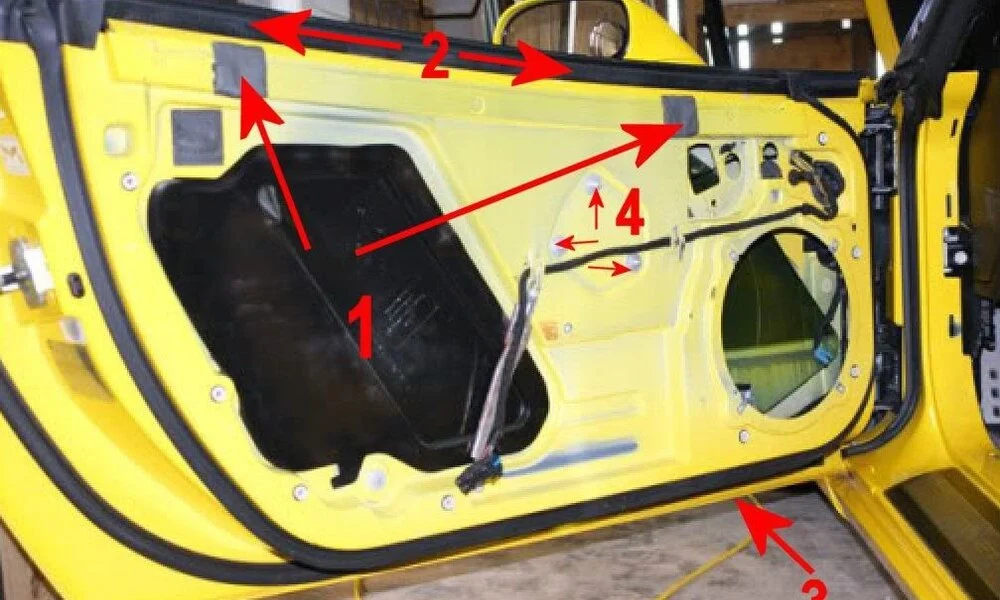
How to replace a car window regulator is an important task for anyone facing issues with their windows. A functioning window regulator is vital for smooth window operation, ensuring safety, comfort, and convenience while driving. A malfunctioning regulator can cause windows to get stuck or move slowly, leaving you with a frustrating or unsafe situation. Common signs of a broken window regulator include slow or stuck windows, or hearing strange grinding or clicking sounds. If you notice these issues, it may be time to replace a window regulator to restore proper function and prevent further damage. How Your Vehicle’s Power Windows Work Power windows in vehicles allow you to raise and lower the windows with the push of a button, offering convenience compared to manual windows. The system consists of several components that work together to make this process possible. Basic Components of Power Windows Window Motor: This is the motor that powers the movement of the window up and down. It’s usually located inside the door panel. Switch: This is the button you press to control the window. When you press the switch, it sends a signal to the motor to move the window. Window Regulator: The window regulator is an important part that physically moves the window up and down. It connects to the window and the motor, allowing the window to move smoothly within the door. Wiring and Relay: These parts connect the motor and the switch, providing electrical power to run the system. How It Works When you press the switch to open or close a window, it sends an electrical signal to the motor. The motor then turns, activating the window regulator. The regulator has a series of gears or a cable system that helps to lift or lower the window. If the window is not moving properly, it could be due to a problem with any of these parts. One common issue is a malfunctioning window regulator. Over time, the regulator can wear out, causing the window to become stuck or move unevenly. In such cases, you may need to replace the window regulator to restore the proper function of the power window. Types of Power Window Regulators There are several types of power window regulators, each with its unique mechanism and uses. Here’s an overview of the most common types: 1. Cable-Driven Regulators Cable-driven regulators use a system of cables, pulleys, and a motor to move the window up and down. The motor turns the cables, which in turn lift or lower the window. How They Function: When the motor runs, it pulls on the cables, causing the window to rise or fall. The cables are typically connected to a set of pulleys that help guide the movement of the window. Common Applications: Cable-driven regulators are often found in vehicles with compact or complex door designs where space inside the door is limited. They are also commonly used in more modern cars due to their compact size and reliability. 2. Scissor-Style Regulators Scissor-style regulators use a series of interconnected arms that operate in a scissor-like motion to move the window. These arms are connected to the window and are driven by the motor. How They Function: The motor moves the arms, which “scissor” to lift or lower the window. As the motor turns, the arms fold or unfold, causing the window to move. This design creates a smooth, even movement as the window is raised or lowered. Typical Applications: Scissor-style regulators are often found in older vehicles or those with larger window openings. They are commonly used in vehicles where the space inside the door allows for the larger, more mechanical design of the scissor arms. 3. Dual-Arm Regulators Dual-arm regulators have two arms that work together to move the window. These arms are typically arranged in parallel and are driven by a motor to raise or lower the window smoothly. How They Function: The motor turns a mechanism that moves the two arms in parallel, causing the window to rise or fall. This design helps distribute the load of the window evenly across both arms. Benefits: The dual-arm design helps with better weight distribution and can handle heavier windows more efficiently. This makes them ideal for larger windows or heavier glass. They are also generally known for providing smoother and quieter operation compared to other types of regulators. 4. Comparison of Types: Which Regulator is Suitable for Different Vehicle Models Cable-Driven Regulators: These are typically used in newer vehicles and are great for vehicles with limited space in the door. They are compact, reliable, and easier to install in modern designs. Scissor-Style Regulators: Often found in older vehicles or those with larger windows. They are good for applications where the window needs to move over a longer range, and there is enough room for the scissor mechanism. Dual-Arm Regulators: Best suited for larger, heavier windows found in vehicles like SUVs, trucks, or luxury cars. They provide smooth operation and are often used in vehicles where durability and weight capacity are important factors. For car window repair in Austin contact no other than Texas Reliable Auto Glass. 5 Easy Steps to Replace a Car Window Regulator If you’re experiencing issues with your power window, fixing a window regulator might be necessary. Here’s a simple guide to help you replace a faulty window regulator. Step 1: Gather Necessary Tools and Materials Before you start replacing the window regulator, make sure you have all the necessary tools. You’ll need: Screwdrivers (Phillips and flathead) Socket set (with various sizes) Replacement window regulator Trim panel removal tool (to remove the door panel without damaging it) Needle nose pliers (for handling clips or small fasteners) Torx drivers (in case your vehicle uses them) Having all these tools ready will make the process smoother and faster. Step 2: Remove the Door Panel The first step to accessing the window regulator is removing the door panel. Here’s how: Locate and remove screws: Start by finding any screws on the
How To Replace Car Window Regulator Read More »
