 Skip to content

How to Fix a Shattered Car Window
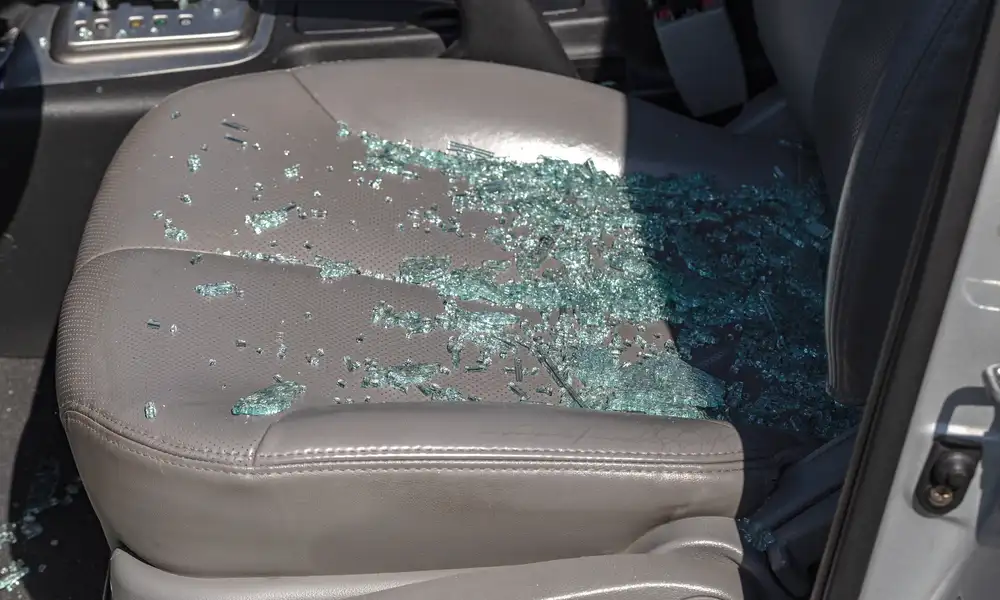
How to fix a shattered car window is an important task to address promptly after an incident. A car window can shatter due to various reasons, such as a sudden impact from debris, weather-related events like extreme temperatures, or even accidents. The impact can cause the glass to crack, break, or shatter into pieces, leaving the vehicle vulnerable to further damage or theft. Addressing a shattered window quickly is crucial not only for safety, as broken glass poses a risk to occupants, but also for security, as a damaged window can make your car an easy target for theft. This guide will walk you through the steps to temporarily secure the window, how to safely remove the glass, and explore options for professional repair or replacement, ensuring your vehicle is protected and safe once again. Understanding a Shattered Car Window A shattered car window can be a concerning experience, but it’s important to understand what causes it, the different types of windows in a car, and the difference between a shattered and cracked window. What Causes a Car Window to Shatter? A car window can shatter due to a variety of reasons, both accidental and intentional. Here are some common causes: Impact: A sudden impact, such as from a rock, debris, or even a collision, can cause a shattered car window. When a heavy object strikes the glass with enough force, it can break or shatter. Temperature Changes: Extreme changes in temperature can put stress on the glass. For example, if a car is parked in the sun and the temperature inside the car is much higher than outside, The glass may break or crack as a result of the abrupt cooling (such as when you roll down a cold window). Manufacturing Defects: Sometimes, defects in the glass itself can lead to breakage. Poorly tempered or incorrectly installed windows might be more susceptible to shattering. Vandalism or Theft: A shattered car window is often the result of criminal activity, such as a break-in attempt or intentional vandalism. Accidents or Collisions: In a crash or sudden stop, the force exerted on the car can cause the windows to shatter. This is more common with side or rear windows. Types of Windows in a Car: Side Windows, Rear Windows, Windshield There are typically three main types of windows in a car, each serving different purposes: Side Windows: These are the windows on the sides of the car. They are usually made of tempered glass, which is designed to break into small, rounded pieces if shattered. This reduces the risk of injury from sharp glass. Rear Windows: Located at the back of the car, rear windows are also usually made from tempered glass. In some cases, they can be made from laminated glass, which is designed to be more resistant to shattering but still flexible in an accident. Windshield: The front windshield is one of the most critical pieces of glass in a car. It’s typically made of laminated glass, meaning it has two layers of glass with a plastic layer in between. This design prevents the windshield from shattering into dangerous shards. Instead, it tends to crack in a spiderweb pattern, which still compromises the visibility and safety of the driver. The Difference Between a Shattered and Cracked Window A shattered car window and a cracked window may look similar but are different in terms of damage severity and appearance: Shattered Car Window: When a window shatters, it usually breaks into many small pieces or fragments. In the case of side windows, the glass may break into numerous small chunks that are not sharp, making it safer than if the glass were to break into larger, jagged shards. Shattering usually occurs due to significant impact or pressure. Cracked Window: A crack in a window is typically a single line or web-like pattern that doesn’t result in pieces of glass falling out. Cracks can form from stress, temperature changes, or minor impacts. Unlike a shattered car window, a crack may not pose an immediate safety hazard, but it can weaken the glass over time, making it more susceptible to shattering. You can also read about Ford F150 Rear Window Replacement. How to Fix a Shattered Car Window Without Replacing Talk To A Car Window Repair Expert If you’ve experienced a shattered car window, it’s not always necessary to replace the glass immediately. There are temporary fixes that can help protect the car and keep it secure until you can arrange for permanent repairs. Here’s how to fix shattered car glass without replacing it right away. Temporary Solutions for a Shattered Window A temporary fix for a shattered car window involves covering the broken glass and protecting your car from further damage. While this won’t restore the window’s original strength, it can help prevent weather damage, theft, or injury until you get the window replaced. Pros and Cons of Fixing Without Replacing Pros: Cost-Effective: Temporary fixes are cheaper than a full window replacement. Quick: If you need to use the car immediately, fixing busted car window temporarily can get you back on the road quickly. Protection: A quick fix can keep out rain, dirt, and debris, preventing further damage to the interior. Cons: Not a Permanent Solution: Temporary fixes aren’t as secure as the original window and can deteriorate over time. Visibility Issues: Some makeshift covers might obstruct your view, especially if it’s a windshield or side window. Vulnerable to Weather: Depending on the materials used, the fix might not hold up well in extreme weather conditions. Materials You’ll Need Heavy-duty tape (preferably duct tape or masking tape) Plastic sheeting (clear plastic or a thick trash bag) Sealant (to secure edges and prevent leaks) Scissors (for cutting the plastic or tape) Gloves (to shield your hands from glass fragments) Steps for Fixing Without Replacing: Step 1: Assess the Damage Before fixing a busted car window, take a moment to assess the extent of the damage. If the window is completely
How to Fix a Shattered Car Window Read More »
