 Skip to content

How To Fix A Car Window Crack
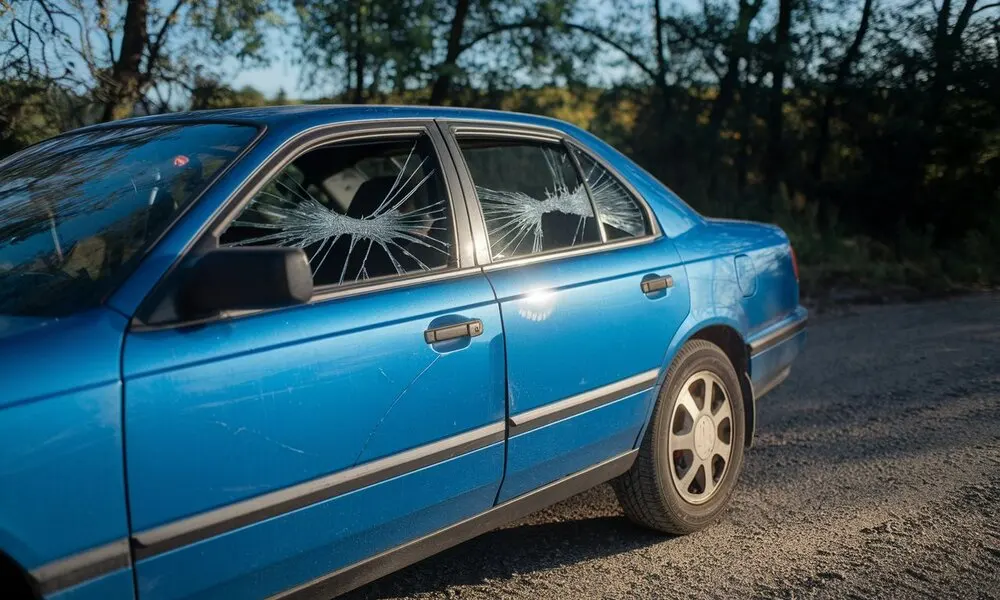
How to fix a car window crack starts with understanding just how common these issues really are. From flying road debris to sudden temperature changes, cracks and chips in car windows can happen to anyone. Ignoring them can lead to larger, more expensive problems, not to mention safety risks. That’s why it’s important to address even small damage like a chip or crack as soon as possible. In this guide, we’ll walk you through various window chip repair techniques, explain different crack types, and help you figure out when to call a pro for the job. Whether you’re a hands-on DIYer or just trying to avoid bigger repair bills, this guide has you covered. Types of Cracks in Car Window Bullseye Crack Looks like: A circular, dark-centered impact mark, usually caused by a rock.Fix Tip: Common and often fixable with a quick chipped window repair if caught early. Star Break Looks like: A central point with short, radial cracks like a starburst.Fix Tip: May spread quickly; seek chipped window repair before it worsens. Hairline Crack Looks like: A thin, single-line crack, often small but can grow with time.Fix Tip: These might seem harmless but can grow early chipped window repair is key. Combination Crack Looks like: A mix of bullseye and star break multiple patterns in one spot.Fix Tip: More complex damage. May need advanced chipped window repair or replacement. Stress Crack Looks like: Cracks starting without a clear impact point often due to temperature changes.Fix Tip: Harder to fix if it spreads too far. Get a chipped window repair assessment ASAP. Edge Crack / Floater Crack Looks like: Edge Crack: Begins within 2 inches of the window edge. Floater Crack: Starts further inside the glass.Fix Tip: Both can expand quickly; don’t delay your chipped window repair. How to Fix a Car Window Crack at Home Car glass chip repair, repair car window chip at home is easier than you might think, especially with the right tools and some patience. Here’s a quick and safe DIY guide you can follow to fix minor cracks or chips in your car window before they spread and become expensive to repair. 4.1 What You’ll Need To get started, gather the following tools: Windshield repair kit (resin-based – available at most auto stores) Razor blade – for finishing touches Safety gloves – always protect your hands Clean cloth – for wiping the surface Tape (optional) – to prep the crack area neatly 4.2 Step-by-Step DIY Instructions 1. Clean the Area Use a clean cloth to wipe away any dirt, dust, or loose glass around the crack. This helps the resin bond better and keeps the finish clear. 2. Prep the Crack and Tape Around It If the crack is in a hard-to-handle area, use tape around it to isolate the damaged spot. This keeps resin from spilling over and gives you better control during application. 3. Apply the Resin Following your repair kit instructions, inject the resin directly into the crack. Be patient and ensure it flows smoothly into every part of the chip. 4. Let It Cure (Sunlight or UV Lamp) Let the resin dry under direct sunlight for about 15–30 minutes. If you’re indoors or it’s cloudy, use a UV lamp. Curing solidifies the resin and seals the crack. 5. Scrape Off Excess Resin Once fully cured, gently use a razor blade to scrape off any extra resin on the surface. Do this slowly to avoid scratching the glass. You can also read about How to Fix a Shattered Car Window. How to Repair a Crack That Is Inside of Windows Repair car window chip, car glass chip repair may seem straightforward when the damage is on the surface but what if the crack is inside the window? Understanding the difference between surface cracks and inner-layer cracks is crucial to know whether you can fix it yourself or need professional help. Surface Cracks vs. Inner-Layer Cracks Surface Cracks:These are on the outermost glass layer. You can feel them when you run your fingers across the surface. Most DIY kits for car glass chip repair are designed to fix these types of chips and cracks using resin. Inner-Layer Cracks (Laminated Glass): Laminated glass, often used in windshields, consists of two layers of glass with a plastic (PVB) layer in between. An inner-layer crack happens within the laminate between the glass sheets. These are not accessible from the outside, making them much harder (and usually impossible) to repair at home. Signs Your Crack Is Inside the Glass You can’t feel the crack on either the inside or outside surface of the glass. The crack looks like it’s floating between the layers of glass. It doesn’t change or spread when you touch the surface. Can You Fix It Yourself? In most cases, no you can’t repair a car window chip that’s inside the laminated layers. These cracks often require complete window or windshield replacement by a professional. DIY kits are made for surface-level repair car window chip scenarios, and using them on inner-layer damage won’t seal the crack properly. Bottom Line: If you suspect the damage is internal, don’t waste time trying to fix it yourself. Instead, contact a trusted local expert like Texas Reliable Auto Glass for a safe and permanent solution. Trying to ignore or delay professional service can lead to spreading cracks and reduced visibility while driving. When to Call Professionals While small chips can often be fixed with a DIY kit, there are certain situations where DIY is not safe or effective. Knowing when to stop and call experts like Texas Reliable Auto Glass can save you time, money, and potential safety risks. Call the Pros If: The crack is larger than a dollar bill Cracks this long are more likely to spread and weaken the structural integrity of your glass. It’s located in the driver’s line of vision Even a small chip here can distort your view and become a serious hazard while driving. DIY repair
How To Fix A Car Window Crack Read More »
