

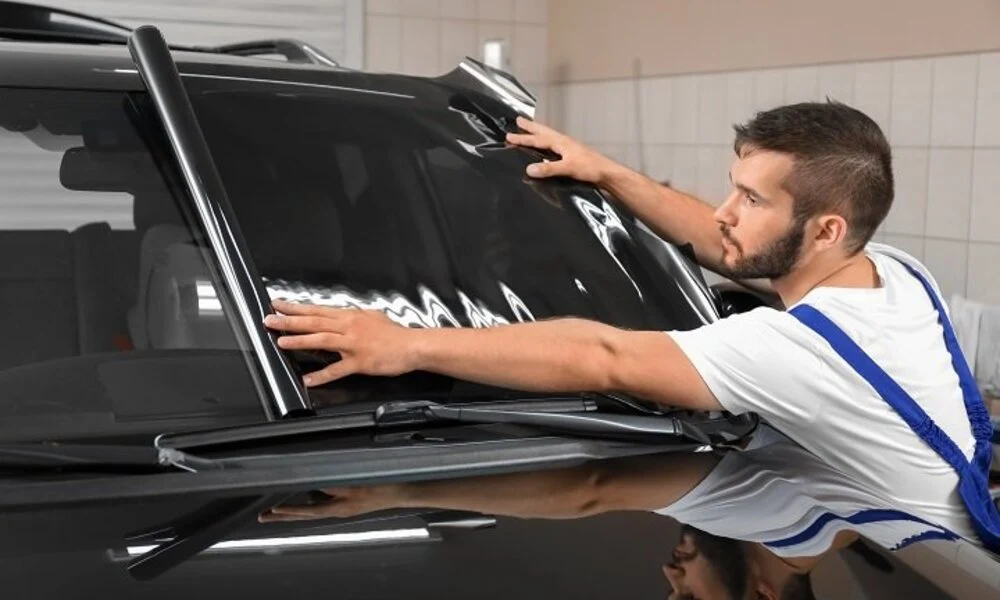
Different Types Of Auto Window Tint
Different types of auto window tint not only enhance the look of your car but also serve important functions like protecting you from UV rays, reducing heat, and improving privacy. Whether you’re considering a subtle tint or something more advanced, it’s important to know the different window tints available and how they perform under real-world conditions. In this guide, you’ll learn about the different types of auto window tint, what makes each one unique, and how to choose the best option based on your needs, budget, and lifestyle. We’ll also touch on key factors like local laws and tinting regulations specific to Austin, Texas, so you stay safe and compliant on the road. What is Car Window Tinting? Applying a thin, translucent substance known as window film to the inside of your automobile’s windows is known as car window tinting. This film can be clear or dark, depending on the types of window tint you choose. It’s a simple upgrade that brings multiple benefits for both your car’s comfort and safety. Why Do People Tint Car Windows? Here’s what car window tinting does: Heat Rejection: Tinted windows help keep your car cooler by blocking out the sun’s heat. This means less need for AC and more comfortable drives, especially in hot climates like Texas. UV Protection: The window film blocks up to 99% of harmful UV rays. This protects your skin and also prevents your car’s interior from fading or cracking over time. Privacy: By making it more difficult for others to see inside your automobile, tinted windows increase your privacy. Some options, like privacy glass, are darker and commonly used on rear windows. Glare Reduction: When driving, sun glare might be harmful. Tinted windows reduce glare, helping you see the road clearly without squinting. Safety: The tint film keeps the shattered glass together in the event of an accident, keeping potentially harmful fragments from flying into the vehicle. Different Types of Tint You Can Choose From There are different types of tint available, each offering a unique level of performance and appearance. Common options include: Dyed Window Film: Good for basic privacy and reasonably priced. Metalized Film: uses metal particles to block heat, but it may disrupt phone and GPS signals. Carbon Tint: Offers excellent heat reduction without signal issues. Ceramic Tint: Premium option that blocks the most heat and UV rays while staying clear and signal-friendly. Different Types of Auto Window Tint When choosing the right tint for your vehicle, it’s important to understand the different types of tint available. Each type offers unique benefits in terms of cost, performance, and appearance. Below, we break down the different types of auto window tint so you can make the best choice for your needs. 4.1 Dyed Window Tint The least expensive of the several tint options is dyed window tint. It is created by sandwiching a layer of dye between a protective top coating and an adhesive layer. Reduces glare and improves driving visibility Adds privacy by darkening the windows Budget-friendly choice Over time, it may fade or discolor with sun exposure Best for: Drivers looking for a low-cost solution with decent privacy and glare reduction. 4.2 Metalized Window Tint This kind blocks heat and reflects sunlight using metallic particles inserted in the film. It’s more durable than dyed tints. Offers excellent heat rejection Adds strength to windows (helps prevent shattering) Strong and long-lasting May cause interference with GPS, phone, and radio signals Best for: Drivers who want long-lasting tint with strong performance—but don’t rely heavily on electronic devices. 4.3 Carbon Window Tint Carbon tint has a non-reflective finish and contains carbon particles that block both infrared light and UV rays. Keeps the car cooler by reducing heat buildup Prevents interior fading due to UV exposure Stylish matte look No signal issues Best for: Those who want better thermal insulation without signal interference. 4.4 Ceramic Window Tint Ceramic is the highest-performing option among all the different types of tint. It contains non-metallic, non-conductive ceramic particles. Blocks 99% of UV rays and most heat and infrared rays Maintains clear visibility, even at night No interference with electronics or signals Superior durability and clarity Best for: Car owners looking for the best protection, comfort, and appearance—worth the premium price. 4.5 Hybrid Tint (Dyed + Metalized) Hybrid tint combines dyed and metalized layers to offer a balanced performance between the two. Moderate heat and UV protection Less fading than dyed-only tints Fewer signal issues than full metalized versions Cost-effective with improved durability Best for: Those who want a mid-range tint with better performance than dyed film but less risk of interference than full metalized options. You can also read about How Much Does It Cost To Tint A Sunroof. Factors to Consider When Choosing Car Window Tint Before picking the right tint for your car, it’s important to consider a few key factors. With so many different window tints available, your choice should depend on your needs, vehicle type, and driving habits. Let’s break down what to keep in mind when comparing different types of auto window tint. Budget: Affordable vs. Premium Films Your budget will play a big role in the tint you choose. Some different window tints, like dyed film, are low-cost and great for basic privacy. On the other hand, premium options like ceramic tint offer top-tier heat rejection and clarity but come at a higher price. Think about what you’re willing to spend based on how long you plan to keep the vehicle and your comfort needs. Privacy Needs: Tint Levels for Visibility All different types of auto window tint offer varying levels of privacy. Darker tints block more visibility from the outside, which is ideal for those who value privacy while driving or parked. However, you’ll need to stay within local tint laws to avoid fines. If privacy is your priority, options like carbon tint or privacy glass offer a good balance. Heat Rejection & UV Protection: Especially in Texas If you’re driving in a hot
Different Types Of Auto Window Tint Read More »