 Skip to content

How Long To Leave Tape On After Windshield Replacement
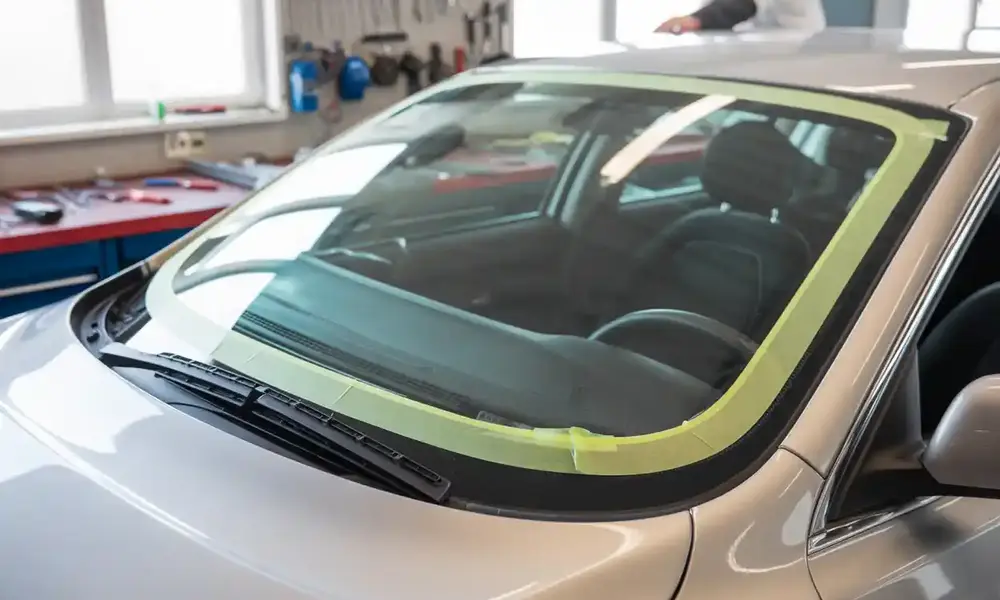
How long to leave tape on after windshield replacement is usually 24 to 48 hours, depending on the adhesive type and weather conditions. Often referred to as windscreen repair tape or windscreen tape, this tape aids in keeping the glass in place while the seal cures. Leaving the tape on ensures that dust, moisture, or air doesn’t interfere with the bonding process. It also prevents the windshield from shifting due to driving or sudden movement. Removing it too early can cause leaks, poor sealing, or even a loose fit. Curing time is crucial for safety and long-term durability. That’s why experts recommend keeping the tape on until the adhesive is fully set. Why Use Tape in Windshield Replacement? Tape plays a critical role in windshield replacement—even if it looks like a small step, it makes a big difference in how well your new windshield performs over time. 1. Role of Tape in Stabilizing the New Windshield After a new windshield is installed, windshield repair tape is used to hold it in place while the adhesive cures. This helps prevent any shifting due to vibrations, driving, or wind pressure. The tape ensures the glass stays aligned with the vehicle’s frame, keeping everything tight and secure. 2. Protection Against Moisture, Dust, and Shifting One major reason professionals apply tape on windshield after replacement is to protect the fresh seal from outside contaminants. The adhesive used for windshield bonding is sensitive during the curing process. Dust, water, and even small debris can weaken the seal. The tape acts as a barrier to keep all that out. 3. Ensures Adhesive Seal Cures Correctly Adhesive curing is what actually “locks in” your windshield for long-term safety. The tape on windshield time after replacement usually ranges from 24 to 48 hours, depending on the type of adhesive used. Leaving the tape in place for the recommended time helps ensure the urethane sets properly—making the bond strong enough to handle weather, speed, and accidents. You can also read about What If It Rains After Windshield Replacement. How Long to Leave Tape on After Windshield Replacement After replacing the tape, you should leave it on your windscreen for 24 to 48 hours. This timeframe allows the adhesive used during installation to properly cure and set, securing your new windshield in place for long-term durability and safety. Standard Time Recommendation: 24 to 48 Hours Professional auto glass installers agree that 24 hours is the bare minimum, while 48 hours offers the safest curing window. This tape isn’t just there to look like the job’s still in progress—it serves a real purpose in protecting the seal as it dries. So, if you’re wondering about the tape on windshield time after replacement, just know that the longer it stays on within that safe window, the better your results. Tips From Auto Glass Professionals Here are a few simple but important reminders: Park indoors if possible, to reduce exposure to rain, sun, or wind. Avoid driving on bumpy roads or slamming your car doors, as sudden shocks can misalign the glass. Don’t touch or adjust the tape for windshield after installation, even if it starts to peel slightly. Some technicians might use masking tape, while others use high-resistance glass tape—both are designed to hold the glass steady while the adhesive cures. What Happens If the Tape Is Removed Too Early? Taking the tape off before the recommended time can cause a variety of problems: Misalignment: The windshield may shift out of place, even slightly, which can lead to wind noise, leaks, or unsafe fitting. Seal failure: Exposure to moisture, dirt, and even pollen before the adhesive fully cures can compromise the seal. Weakened bond: An improperly cured adhesive might not hold up in the event of an accident or rollover. Bottom line: even if the tape looks unnecessary, it’s your windshield’s first line of defense in the curing stage. It supports the glass, seals out debris, and ensures long-term safety. Final Advice from the Pros When you get your windshield replaced, ask your technician how long to leave the tape on—and follow their instructions closely. Most shops, like Texas Reliable Auto Glass, use top-grade adhesives and professional tape for windshield replacements, but even the best materials need time to work. Leaving the tape on for just a bit longer can help avoid rework, leaks, and future repairs. What Can Affect Curing Time? Curing time after a windshield replacement isn’t always the same. Several factors can influence how quickly the adhesive sets and how long you need to leave the windshield replacement tape in place. Understanding these factors can help you avoid issues like leaks, misalignment, or seal failure. Weather Conditions: Temperature, Humidity, and Rain Temperature and humidity play a major role in how fast the adhesive cures. Hot, dry weather usually helps the adhesive set faster. Cold or humid conditions can slow down the curing process, sometimes requiring extra hours or even an extra day. If it rains shortly after installation, moisture can interfere with the bonding process unless the windshield replacement tape is properly applied. In such cases, professionals often recommend extending the tape on windshield time after replacement to ensure a strong seal forms completely. Type of Adhesive Used (Urethane vs. Others) Most auto glass shops use urethane adhesive, which is known for its strength and quick bonding time. However: Fast-cure urethane may dry within 1 hour, but it still benefits from the added security of tape. Standard urethane often requires a full 24–48 hours to completely cure. Different adhesives have different cure windows, and using the right tape on windshield helps protect that bond while it’s stabilizing. Driving Immediately After Installation Driving too soon can disrupt the curing process. Even if your installer says it’s safe after one hour (common with fast-cure adhesives), the windshield replacement tape should remain on the vehicle: It prevents minor shifts caused by vibrations and wind pressure. It supports the adhesive as it sets deeper, even while you’re on the move. If you
How Long To Leave Tape On After Windshield Replacement Read More »
