 Skip to content

Is Windshield Wiper Fluid Flammable? Safety Facts & Tips
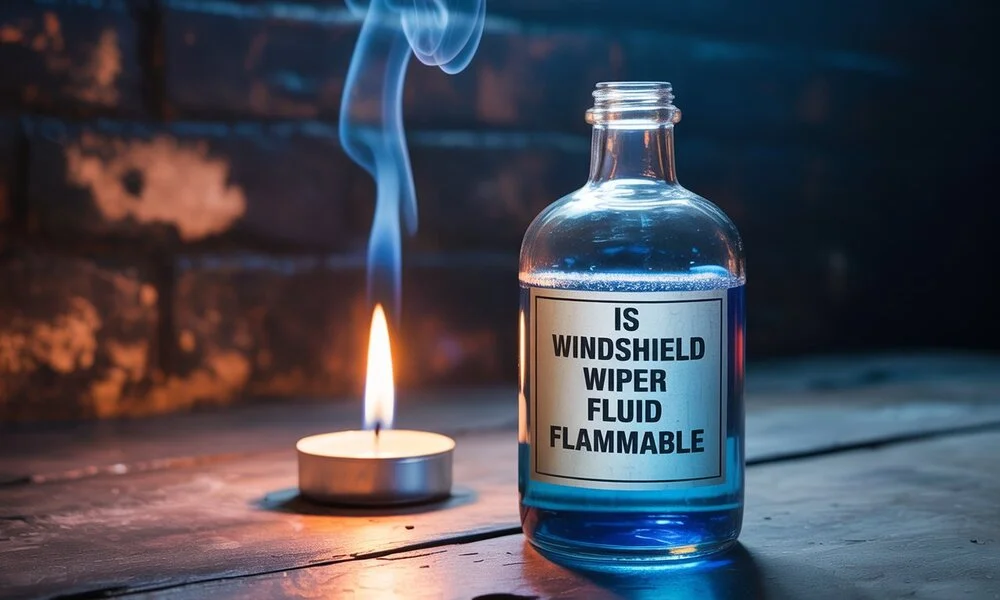
You’re in your garage on a hot day, topping off fluids or tidying up supplies, when a sensible worry occurs to you: Is Windshield Wiper Fluid Flammable? It’s a question most drivers never think to ask, but the answer affects the safety of your home, your vehicle, and your family. Windshield wiper fluid isn’t just colored water it’s a chemical concoction that needs to be able to endure extreme weather, and those same attributes can also make it a hazard when misinterpreted. Knowing how this fluid works, what it’s made of, and how to store and handle it right can help you keep from harm’s way. Chemistry and exposure risks. Let’s dissect the science, the risk, and the savvy safety tips that should be a given for every driver. What Is Windshield Wiper Fluid Made Of? The windshield washer fluid seems simple, but its formula is carefully crafted. Most of these products contain three primary ingredients: water, detergents, and alcohol-based compounds. Each of these ingredients has a function in helping keep your windshield clean under various driving conditions. Water acts as a solvent in the solution; it fills the role of distributing the fluid over the window uniformly. Detergents break down dirt, bugs, road salt, and grease. The key ingredient and source of hazard was alcohol. Alcohol allows for a non-freezing, fast-evaporating, and efficient cleaning solution, particularly in cold or soiled conditions. Methanol is the most frequently used alcohol, but there are brands that use ethanol or isopropyl alcohol. These chemicals are powerful, cheap, and accessible, which is why they are in every supermarket. However, the chemical structure of alcohol is also what makes it flammable. And this is when many drivers once again begin to scratch their heads: Is washer fluid flammable in the first place? That depends on the alcohol content of the formulation and how it is handled. You can also read about: Will Windshield Wiper Fluid Hurt a Radiator? Understanding Flammability and Flash Point Flammability is not just about whether or not something burns immediately when it is lit, but also about vapor pressure and temperature. A liquid is considered flammable if it emits vapors that can catch fire in the presence of heat or an ignition source. This is determined by a characteristic called the flash point. The flash point of methanol is very low, and flammable vapours can be generated at modest temperatures. Methanol-based products can catch fire, even diluted with water, if the right conditions are met. Heat, lack of ventilation, and open containers contribute. In layman’s terms, this means a sealed, properly stored bottle should not cause any trouble, but if you store it carelessly and spill it on the floor of your kitchen near your stove, you might have some worries. You can read about: Windshield Replacement in Austin TX When and Why Fire Risk Increases Not all windshield washer fluids pose the same risk. There are also increasing fire risks associated with the product, the environment, and user habits. Winter formulations are made to resist freezing temperatures, and so they have a higher concentration of alcohol. Summer blends tend to be about bug and grime removal, and tend to have less alcohol in them. All-season) One makes sense between these extremes. Heat is another matter of importance. A summer, closed-garage, a car trunk, or storage near appliances may elevate temperatures enough to accelerate vapor emission. It’s the vapors not the liquid that catch fire most easily. It’s also critical to recognize that leaks, spills, and breached containers substantially increase the risk of ignition. Even tiny bubbles of vapor can catch fire if they happen to float over some spark or take a hike near some open flame. This is why texas reliable auto glass experts are calling windshield washer fluid flammable in certain situations, as it is not nearly as volatile as gasoline. Why Alcohol Is Necessary Despite the Risk Of course, the natural question comes up: why is windshield wiper fluid flammable? Is it for everyday use? The question is one of performance. Without alcohol, the fluid would freeze in washers in cold weather, cracking reservoirs and leaving wipers sealed between sheets of ice. Alcohol also reduces the freezing point of the solution, making it effective even on frozen car windshields. It even breaks down grease, salt, and road film much more effectively than water. Producers moderate the potency of the alcohol in their products to strike a safe yet effective balance. That balance works at least when products are applied as intended, but there are problems when the guidelines for storage and handling are not followed. Toxicity: An Overlooked Danger Flammability is not its only problem. Methanol is poisonous when taken by mouth, breathed in high quantities, or absorbed through the skin in a prolonged manner. Health effects of even small amounts include damage to the eyes and the nervous system. Children and animals are at higher risk because dashes of colored liquid are commonly used and left at floor level. Always store containers tightly closed, labeled, and in a safe place. Get medical help right away if you come in contact with it. The conditions can also produce headaches, dizziness, and vomiting if fumes are inhaled in significant amounts. It’s one of those things that make sense to do in the fresh air or at least with the garage door open. Safe Storage Practices for Home and Garage Risk is significantly lower with proper storage. Always store windshield wiper fluid in its original container with the lid screwed tightly on and keep it in a cool, dry place. Do not store it next to water heaters, furnaces, power tools, or electrical panels. Temperature is important. Heat raises the vapor pressure, making ignition more probable. When you can, keep fluid in a climate-controlled room as opposed to a stifling garage. Don’t ever put washer fluid in drink bottles or any unlabeled container. This results in both poisoning and fire hazards. Inspect older containers occasionally for cracks or leaks, particularly if they have been sitting for a while. Choosing the Safest Product for Your Climate But not every driver needs an extreme cold-weather fluid. If you’re in a warm climate, pick a formula that’s rated for use in higher temperatures rather than for use in sub-zero temperatures. Higher freeze protection is achieved by adding more alcohol,
Is Windshield Wiper Fluid Flammable? Safety Facts & Tips Read More »
