

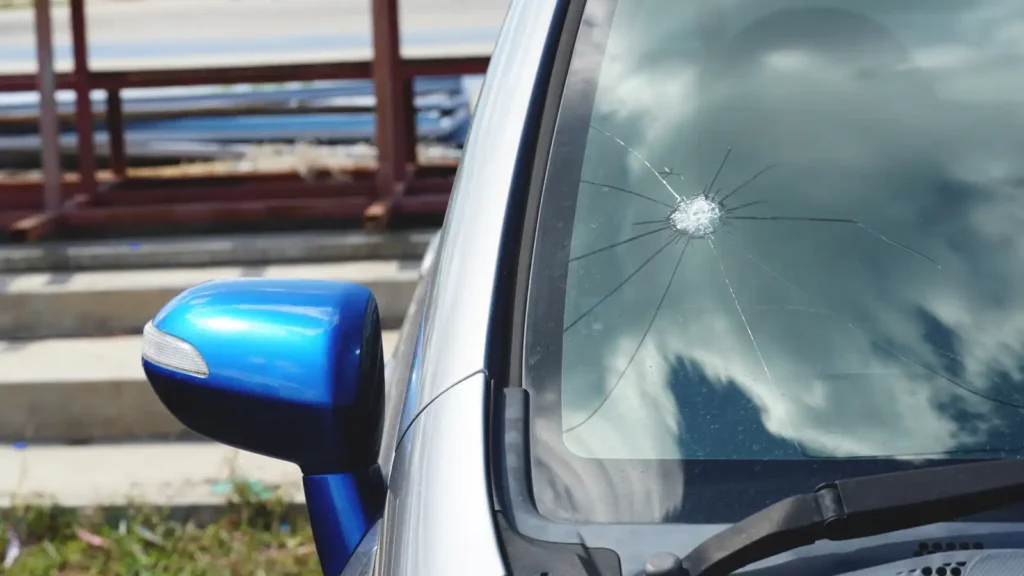
Types of Windshield Cracks | Identification, Causes, and Repair Options
Understanding the patterns and causes of windshield cracks can help drivers make better decisions and prevent small problems from becoming expensive repairs.A small chip in your windshield can appear suddenly. A flying rock on the highway or a quick temperature change can cause damage that seems minor at first. However, many drivers notice that the crack slowly spreads across the glass. Understanding the Types of Windshield Cracks helps you identify the damage and decide what action to take. Your windshield protects passengers and supports vehicle safety systems like airbags. Even small chips should be checked early. Technicians at Texas Reliable Auto Glass often see minor damage turn into large cracks. Many drivers ask whether a cracked windshield can be repaired or how a windshield crack is fixed. Early inspection helps prevent bigger problems. Quick Answer: What Are the Different Types of Windshield Cracks? Windshield cracks appear in different shapes depending on how the damage occurred. The Type of Windshield Cracks include several common patterns that technicians use to identify the severity of the damage and decide whether repair or replacement is needed. Some of the most common crack types include: Bullseye cracks Half-moon cracks Star break cracks Combination cracks Edge cracks Stress cracks Floater cracks Long cracks Some of these damages are considered repairable windshield chips, especially when they are small and located away from the edge of the glass. Others may require replacement because they weaken the structure of the windshield. Technicians at Texas Reliable Auto Glass often evaluate these crack patterns to determine the safest solution. Knowing the difference between these cracks helps drivers understand how to fix a cracked windshield before the damage spreads further. Why Windshield Cracks Happen Windshield damage can occur for several reasons. Even though modern windshields are designed to be strong and durable, they can still crack under certain conditions. Road Debris and Rock Chips One of the most common causes is debris from the road. Small stones kicked up by passing vehicles can strike the windshield at high speed. This often creates small chips that may later become cracks. These small impacts are often the beginning of repairable windshield chips, which can usually be repaired if treated quickly. Sudden Temperature Changes Glass expands and contracts when temperatures change. When the difference between inside and outside temperatures becomes too large, stress can form inside the windshield. Examples include: Turning on a hot defroster during winter Pouring hot water on frozen glass Parking in strong sunlight after a cold night Over time, this pressure may lead to cracks forming across the glass. Structural Stress on the Vehicle Driving on uneven roads, hitting potholes, or experiencing body flex in the car can create pressure on the windshield. This stress may eventually cause cracks to appear. Poor Windshield Installation If a windshield is not installed correctly, pressure may build up along the edges. Over time, this can lead to cracks that appear without any direct impact. Minor Accidents or Impact Even small collisions can weaken the glass structure. In these cases, drivers often ask whether can auto glass repair cracks or if the windshield must be replaced. Most Common Types of Windshield Cracks Different crack patterns help technicians determine whether repair is possible or if replacement is necessary. Below are the most common Type of windshield cracks seen in vehicles. Bullseye Crack A bullseye crack forms a circular shape around the point where the glass was hit. This pattern is often created when a small rock strikes the windshield. Common characteristics include: Round shape with a visible impact point Smooth circular pattern Usually small in size Bullseye cracks are often considered repairable windshield chips if the damage is limited and repaired quickly. Half-Moon Crack A half-moon crack looks similar to a bullseye but forms only part of a circle. This happens when the impact hits the glass at an angle. Features include: Semi-circular shape Partial ring around the impact point May expand over time If addressed early, technicians may still repair this type of damage. Star Break Crack A star break crack looks like several thin cracks spreading outward from the center, similar to the shape of a star. Typical signs include: Multiple small cracks radiating from one point Sharp impact mark in the center Damage spreading outward in lines When drivers ask how do you fix a windshield crack like this, technicians often use resin injection to stabilize the glass. Combination Crack A combination crack occurs when more than one crack pattern appears together. For example, the damage may include a bullseye center along with star-shaped cracks. This type of damage is more complex and requires professional evaluation. Sometimes can auto glass repair cracks like this depend on the size and depth of the fracture. Edge Crack Edge cracks start close to the outer edge of the windshield. Because the edges carry structural stress, these cracks tend to spread quickly. Characteristics include: Starting within a few inches of the windshield edge Rapid spreading across the glass Often caused by stress or impact Edge cracks usually require replacement because the damage weakens the structure of the windshield. Stress Crack Unlike other cracks, stress cracks appear without a visible impact point. They are commonly caused by: Temperature changes Vehicle body pressure Improper installation Drivers are often surprised when these cracks appear overnight. In most cases, repair is not possible, and replacement is recommended. Floater Crack A floater crack forms in the center area of the windshield and does not connect to the edges. Important details include: Located away from the windshield frame Often caused by small impacts May remain stable if repaired quickly Some floater cracks may still qualify as repairable windshield chips if they are small enough. Long Crack A long crack is typically longer than six inches. At this stage, the structural integrity of the windshield becomes compromised. Signs of a long crack include: Visible line extending across the glass Damage spreading toward the edges Reduced visibility for the driver When cracks reach this
Types of Windshield Cracks | Identification, Causes, and Repair Options Read More »