

Windshield Humidity Sensors: How Do They Work?
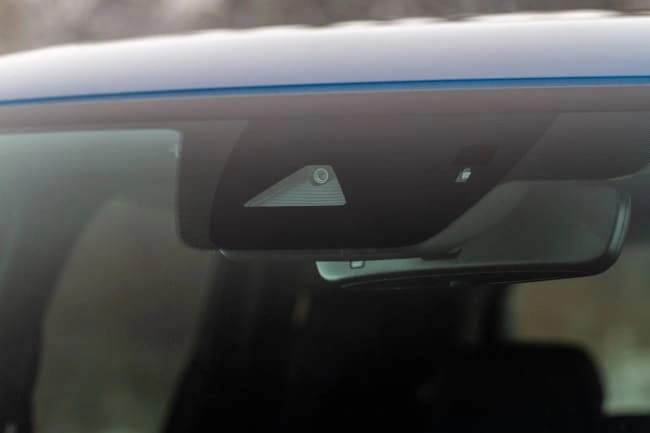
Modern vehicles use smart glass technology to improve safety and comfort, and Windshield Humidity Sensors play an important role in keeping the windshield clear. These sensors detect moisture inside the car and help the defog and climate control system work automatically. Many drivers notice the problem only when the windshield keeps fogging or the defogger stops working. At Texas Reliable Auto Glass, we often see cases where a damaged windshield affects sensor performance. Even a small crack near the humidity sensor on windshield can cause airflow and defog issues. In many situations, drivers need Affordable Windshield Replacement Austin TX to restore proper sensor function and clear visibility. Why Your Windshield Fogs Up and How Humidity Sensors Fix It Fog on the inside of the windshield happens when warm air inside the car meets cold glass. This creates moisture, also called condensation, which blocks the driver’s view. Modern vehicles use a condensation sensor windshield system to detect this moisture before it becomes a problem. Common causes of windshield fog include: Cold weather and high humidity Wet clothes or shoes inside the car Poor airflow from AC or heater Damaged or dirty glass Faulty windscreen sensors The humidity sensor windshield detects moisture in the cabin air and sends a signal to the climate control system. The system then adjusts the airflow, temperature, or defog mode automatically, helping keep the glass clear without the driver needing to change settings. At Texas Reliable Auto Glass, we often see vehicles where sensor issues affect visibility. The sensor works together with the AC and defrost system. When moisture increases, the car may: Turn on the defogger Increase airflow to the windshield Adjust temperature automatically Activate the defrost mode Without working windscreen sensors, fog may stay on the glass longer and reduce visibility. What Is a Windshield Humidity Sensor? A humidity sensor is a small electronic device attached to the inside of the windshield. It measures the amount of moisture in the air inside the car. The humidity sensor on windshield is usually placed near the rear-view mirror because that area gives the most accurate reading. You may not notice the sensor, but it is part of modern windscreen sensors used in many vehicles today. The sensor usually looks like: A small plastic module behind the mirror A clear patch attached to the glass A unit connected with wires to the roof panel Many drivers confuse the humidity sensor with a rain sensor. The difference is simple: Sensor Type Function Humidity sensor Detects moisture inside the car Rain sensor Detects water on outside glass Light sensor Detects sunlight for auto lights The condensation sensor windshield works inside the car, not outside. How Windshield Humidity Sensors Work (Step-by-Step) The system works automatically and does not need driver input. The humidity sensor windshield reads the air conditions and sends data to the vehicle computer. Step-by-step process: The sensor detects moisture in cabin air The signal goes to the climate control module The system adjusts AC or heater Airflow is directed to the windshield Defog system turns on if needed Because the sensor works with electronics, even a small problem in the glass can affect it. If the sensor area is cracked, the windscreen sensors may not read correctly. This is why many drivers need Affordable Windshield Replacement Austin TX after damage near the sensor location. What Systems Work With the Humidity Sensor in a Windshield Modern vehicles use multiple sensors in the windshield, not just one. The humidity sensor on windshield works together with other systems to keep the driver safe. These systems include: Automatic climate control Defrost and defog system Rain sensor system ADAS windshield cameras Smart glass technology All these windscreen sensors are attached to the glass. If the windshield is replaced incorrectly, the system may stop working. This is why professional installation is important, especially when replacing modern glass. Signs Your Windshield Humidity Sensor Is Not Working A faulty sensor usually shows clear signs. Drivers often think the AC is broken, but the real problem is the condensation sensor windshield. Common signs include: Windshield keeps fogging from inside Defog does not turn on automatically Airflow not directed to glass Warning light on dashboard Moisture stays on windshield If you see these signs, the problem may be the humidity sensor windshield or damage near the sensor area. Common Reasons Humidity Sensors Fail Humidity sensors usually last a long time, but they can fail if the windshield is damaged or replaced incorrectly. Common causes: Crack near sensor location Loose wiring connection Water damage inside sensor Faulty climate control module Wrong windshield installed Many vehicles need special glass with sensor support. If the wrong glass is installed, the humidity sensor on windshield may not work. This is why drivers often need Affordable Windshield Replacement Austin TX when the sensor stops working after damage. Can You Replace a Windshield With a Humidity Sensor? Yes, but the replacement must be done correctly. Modern vehicles use windshields designed for sensors, cameras, and climate systems. Important points: The new glass must support sensors Sensor position must match original glass Wiring must be connected correctly Calibration may be required OEM glass is usually recommended because aftermarket glass may not support all windscreen sensors. Professional installation helps avoid future problems. Windshield Calibration After Replacement (Very Important) After replacing a modern windshield, calibration may be needed. Calibration means resetting the sensors so they read correctly. Calibration may be required when: Windshield is replaced Sensor is removed Camera system is disconnected ADAS system is affected If calibration is not done, the condensation sensor windshield may give wrong readings. This can cause fogging, airflow problems, or warning lights. Calibration cost depends on the vehicle, but it is necessary for proper sensor function. Difference Between Humidity Sensor, Rain Sensor, and Light Sensor Many drivers think all sensors are the same, but each one has a different job. Rain sensor Detects water on outside glass Turns on wipers automatically Humidity sensor Detects moisture inside the car Controls defog and
Windshield Humidity Sensors: How Do They Work? Read More »