
A faulty sunroof motor can stop your roof from opening, closing, or tilting. Replacing it may restore normal movement, but first check the fuse, switch, wiring, and tracks. Some problems come from dirt or damaged parts rather than the motor itself. The right repair depends on your vehicle’s make, model, and roof design.
Learning How to Replace a Sunroof Motor starts with finding the fault and checking the repair steps in your vehicle’s service manual. You will need basic tools, safe access to the motor, and the correct replacement part. Some cars also need a reset after installation.
How to Replace a Sunroof Motor
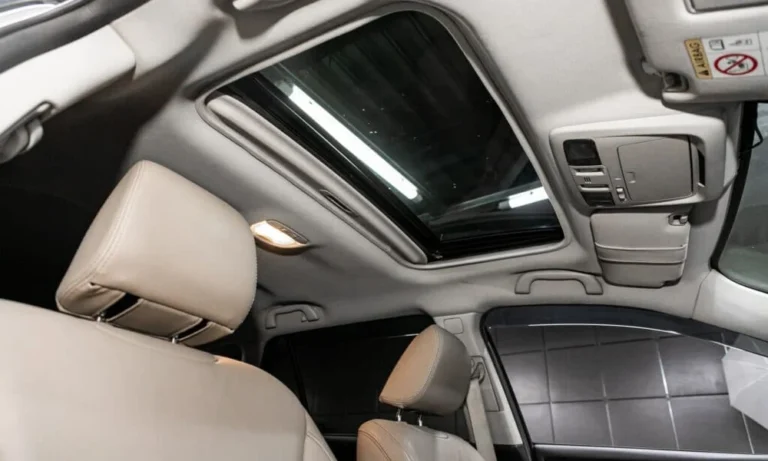
Replacing a sunroof motor involves removing the trim, disconnecting the old unit, fitting the new one, and testing its movement. The exact steps vary by vehicle, so always follow the factory repair guide.
Follow these general steps:
- Park the car on level ground and turn off the ignition.
- Check the owner’s manual for battery and sunroof repair instructions.
- Confirm that the motor is faulty before buying a replacement.
- Gather the tools and the correct motor for your vehicle.
- Remove the trim needed to reach the motor.
- Disconnect the battery if the repair guide requires it.
- Unplug and remove the old motor.
- Fit the new motor and reconnect its wiring.
- Complete the required reset or calibration procedure.
- Test the roof for smooth movement and proper closure.
Never force the glass or drive cables when the motor is removed. Doing so can damage the roof mechanism or cause injury. If the glass is stuck open, protect the cabin from rain while arranging a safe repair.
Signs Your Sunroof Motor Needs Replacement
A faulty motor often causes clear changes in sunroof operation. However, these signs do not prove that the motor is the only problem.
Watch for these warning signs:
- No movement: The sunroof does not respond when you press the switch.
- Clicking sounds: The motor clicks or hums, but the glass stays still.
- Slow movement: The roof moves much slower than usual.
- Uneven travel: One side moves differently from the other.
- Intermittent operation: The sunroof works sometimes but stops at other times.
- Failure to close: The glass will not return to its fully closed position.
Check the fuse, switch, wiring, and tracks before replacing the motor. A blocked drain usually causes water leaks rather than motor failure, but trapped water can damage electrical parts.
For example, a sunroof that clicks without moving may have stripped gears or jammed tracks. A roof that works after cooling down could have an electrical fault or an overheating motor. Testing helps identify the real cause.
Tools Needed to Replace a Sunroof Motor
Prepare the right tools before taking apart the roof trim. This helps prevent damage to the headliner, wiring, and plastic clips.
You may need:
- Screwdrivers in the required sizes
- A socket and ratchet set
- Plastic trim removal tools
- A flashlight or work light
- A small container for screws and clips
- A digital multimeter for electrical checks
- Protective gloves and safety glasses
- The correct replacement motor
- The vehicle’s service manual
Some vehicles need special tools or electronic scan equipment. Others require motor calibration through a specific switch sequence.
Do not assume every sunroof motor uses the same mounting screws or wiring connector. Check the part number and fitment details before starting. A motor that looks similar may not work with your vehicle’s control system.
How to Access the Sunroof Motor
The answer to where is the sunroof motor located depends on the vehicle’s design. Many power sunroof motors sit near the front of the roof opening, above the headliner. Some vehicles use different mounting points or combine the motor with an electronic control module.
Start by checking your owner’s manual or factory service information. Look for the sunroof motor removal procedure and any warnings about the airbag system.
Follow these steps to reach the motor:
- Park the vehicle in a dry, well-lit area.
- Move the sunroof to the position specified in the repair manual, if it still works.
- Turn off the ignition and secure the vehicle.
- Disconnect the battery negative cable when required by the manual.
- Remove the overhead console or trim panels listed in the instructions.
- Lower only the headliner section needed to reach the motor.
- Locate the motor, its electrical connector, and mounting screws.
Some vehicles require partial or full headliner removal. This can involve roof handles, pillars, lights, and other trim pieces. Airbags may sit behind nearby panels, so careless removal can create a serious safety risk.
Do not pull the headliner down by force. Its edges can crease, tear, or break. If access requires major interior removal, professional help is often the safer choice.
How to Remove the Old Sunroof Motor
Once the motor is accessible, inspect its connector and mounting area before removing anything. Look for corrosion, loose wiring, damaged plugs, or signs of water entry.
Use this general removal process:
- Confirm that the vehicle is powered down as required.
- Take a photo of the motor’s position and wiring.
- Release the electrical connector without pulling its wires.
- Support the motor while removing its mounting screws.
- Carefully lower the motor from its mounting point.
- Compare the old unit with the replacement part.
Keep the screws and clips together so they do not get lost. Avoid turning the drive mechanism or moving the glass while the motor is disconnected. Some roof systems can become misaligned if their cables or gears move without the motor in place.
If the motor is stuck, check for hidden fasteners or a locking tab. Never pry against the glass or roof frame. Stop if the motor will not come free with normal hand pressure.
Inspect the surrounding parts for broken gears, worn cables, or damaged tracks. Replacing the motor alone will not fix these problems. Repair any confirmed mechanical fault before fitting the new unit.
How to Install the New Sunroof Motor
Before installation, compare the replacement motor’s connector, mounting points, and part number with the old unit. Make sure it is approved for your exact vehicle and roof system.
Follow these steps:
- Position the replacement motor in its correct mounting location.
- Align its drive connection according to the service manual.
- Install the mounting screws without overtightening them.
- Reconnect the electrical plug until it locks in place.
- Check that no wires are trapped or pinched.
- Reconnect the battery when the manual permits.
- Complete any required programming or initialization.
Do not guess the screw torque or motor alignment. Use the values and settings listed in the factory instructions. Incorrect alignment can cause poor movement, noise, or damage to the drive system.
Keep the headliner and trim loose until the roof passes its initial tests. This makes it easier to inspect the motor if a connector needs attention. Refit all trim only after confirming that the repair works correctly.
How to Reset or Initialize the Sunroof
Many power sunroofs need initialization after motor replacement or a loss of power. During this process, the control system learns the roof’s travel limits and movement positions.
The reset steps are not the same for every vehicle. Some systems require holding a switch, while others need a particular sequence of opening and closing movements. Certain models also require a scan tool.
Check the factory procedure before trying a reset. For example, Honda issued a service bulletin for certain 2024 Prologue models with revised sunroof and sunshade initialization steps. This shows why general instructions cannot replace model-specific guidance.
Keep your hands clear of moving parts during calibration. Do not interrupt the process unless the service guide directs you to stop. If the roof does not respond as expected, follow the manual’s troubleshooting steps before trying again.
How to Test the New Motor
After installation and initialization, test the sunroof before reinstalling all the trim. Make sure the vehicle is in the correct operating mode and the area around the glass is clear.
Check the following:
- Opening: The glass opens without unusual noise or hesitation.
- Closing: The roof returns to its fully closed position.
- Tilt function: The glass tilts if your vehicle has this feature.
- Switch response: Each control works as intended.
- Movement: The glass travels evenly without sticking.
- Auto-reverse: The safety feature works according to the owner’s manual.
Never place your fingers or tools in the sunroof opening to test the anti-pinch feature. Use only the approved test method described by the manufacturer.
Check for loose wiring, rattles, or trim that does not fit correctly. If the roof stops halfway or reverses without an obstacle, do not keep forcing it. The motor may need another calibration, or the tracks and sensors may need inspection.
Common Problems After Motor Replacement
A new motor does not guarantee that every sunroof problem will disappear. The fault may come from another part of the system or from an incomplete installation.
The sunroof still does not move. Check the fuse, electrical connector, switch, and power supply. A faulty control module can also prevent operation.
The motor runs, but the glass stays still. The drive gears or cables may be damaged or disconnected. Stop operating the system until the mechanism is checked.
The roof moves unevenly. The tracks may be blocked, worn, or out of alignment. Do not force the glass to move.
The sunroof stops before closing. The system may need initialization, or an obstruction may be present. Inspect the tracks and follow the vehicle’s reset procedure.
The roof makes grinding noises. Damaged gears, worn cables, or poor alignment may be responsible. Further use could make the damage worse.
Water enters the cabin. Check the glass seal, roof alignment, and drain tubes. A motor replacement does not repair blocked drains or worn seals.
When to Hire a Professional
Replacing a sunroof motor can be a manageable repair on some vehicles. Others require extensive trim removal, careful glass alignment, or electronic programming.
Hire a qualified technician if:
- The headliner must come out completely.
- Airbags or complex electrical parts are near the motor.
- The glass is stuck open or sits unevenly.
- The drive cables or tracks are damaged.
- The motor requires special programming.
- You find water damage or corroded wiring.
- The new motor fails to work after the correct reset.
A technician can test the electrical supply, inspect the drive mechanism, and confirm whether the motor is faulty. This can save money by preventing unnecessary part replacement.
Ask for an estimate that separates parts, labor, and any calibration costs. Confirm that the replacement motor fits your vehicle and ask whether the repair includes an operation test.
Conclusion
Learning How to Replace a Sunroof Motor can help you understand the repair and decide whether it suits your skills. The key steps are diagnosing the fault, accessing the motor safely, installing the correct part, and completing the required calibration.
Do not overlook the switch, wiring, tracks, or drain system. These parts can cause symptoms that look like motor failure. Always use the repair instructions for your exact vehicle, and never force a stuck roof.
If your sunroof needs expert attention, Texas Reliable Auto Glass can help you explore your repair options. Visit our page Sunroof Repair in Austin to learn more about getting your sunroof checked and repaired.

Frequently Asked Questions
How long does sunroof motor replacement take?
The time depends on the vehicle and how easy the motor is to reach. Some repairs take a few hours, while others take longer because the headliner or extra trim must be removed.
Can I replace a sunroof motor myself?
Yes, if your vehicle has a simple motor setup and you have the right tools and repair instructions. Models with complex wiring, airbags nearby, or special calibration needs are better handled by a trained technician.
How do I know if my sunroof motor is bad?
A motor may be faulty if the roof does not move, makes unusual sounds, or operates intermittently. Check the fuse, switch, wiring, and tracks before deciding that the motor needs replacement.
How much does sunroof motor replacement cost?
The cost depends on the vehicle, motor price, labor time, and calibration needs. Ask for a quote based on your make, model, and year rather than relying on a single price for every car.
Does a new sunroof motor need to be reset?
Many vehicles require initialization after motor replacement. The correct process depends on the vehicle, so use its factory service instructions rather than a general reset method.
Can a faulty sunroof motor cause a water leak?
A faulty motor does not usually cause a water leak by itself. Damaged seals, poor glass alignment, blocked drain tubes, or water-damaged electrical parts may be responsible.
What should I do if the sunroof is stuck open?
Avoid forcing the glass or repeatedly pressing the switch. Protect the cabin from rain and arrange an inspection. Use the emergency closing method only if the owner’s manual provides one for your vehicle.