
A damaged windshield can stop a vehicle from making deliveries or reaching job sites. For a fleet, one glass problem can affect drivers, schedules, and service. Replacement should depend on the damage, glass type, safety systems, and vehicle needs. Fleet managers also need a plan that limits downtime and gets vehicles back to work.
Windshield Replacement for Fleet Vehicles is needed when damage is too large to repair, reaches a critical viewing area, or affects the glass structure. The right process includes correct glass, adhesive curing, inspection, and ADAS calibration when the vehicle requires it.
When Does a Fleet Vehicle Need Windshield Replacement?
Windshield Replacement for Fleet Vehicles is often needed when:
- A crack is long, spreading, or reaches the windshield edge.
- Several cracks or chips weaken the same area.
- Damage sits in the driver’s main viewing area.
- The inner glass layer is damaged.
- The windshield has deep impact damage.
- Previous repair work has failed.
- Camera mounts or other windshield-mounted parts are affected.
A small chip does not always need replacement. A technician should inspect it first. Some newer vehicles also use glass with camera brackets, heating elements, or rain sensors.
Fleet managers should also check the vehicle manufacturer’s glass requirements. The correct replacement may need certain brackets, sensors, or other built-in features.
Can a Fleet Windshield Be Repaired Instead of Replaced?
Some windshield damage can be repaired instead of replaced. Repair usually makes sense for small chips and certain short cracks that meet repair limits.
Repair can save time and money when the damage is suitable. It can also keep factory glass features in place.
Replacement is the safer choice when damage is too large, sits in a critical viewing area, reaches an edge, or affects the windshield structure. A fleet should not keep a vehicle in service just to avoid replacement costs.
The decision should be based on the damage and the vehicle’s glass requirements.
What Types of Fleet Vehicles Need Windshield Replacement?
Fleet vehicles come in many sizes. The glass service must match the vehicle type and its daily use.
Common fleet vehicles include:
- Delivery vans
- Service vans
- Company cars
- Pickup trucks
- Box trucks
- Work trucks
- Shuttle vehicles
- Rental vehicles
- Utility vehicles
- Some buses and specialty vehicles
Commercial trucks may use larger glass. Newer service vans may also have camera systems.
For example, a plumbing company may have several vans with similar glass. Replacing damaged windshields becomes easier when the provider confirms each vehicle’s year, make, model, glass features, and location.
How Does Fleet Windshield Replacement Work?
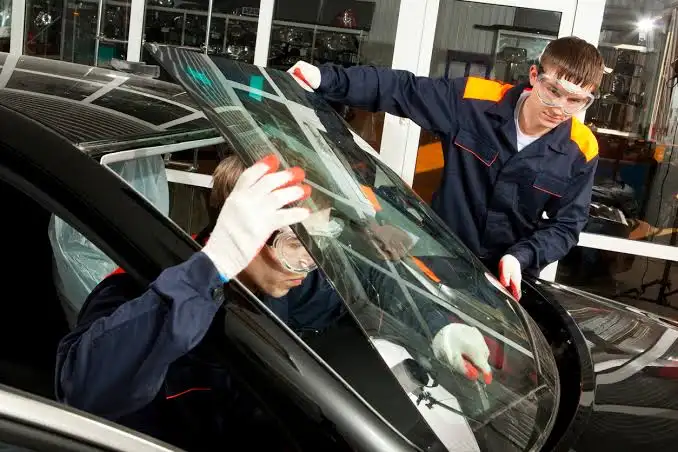
Windshield Replacement for Fleet Vehicles usually follows these steps:
- Inspect the damaged windshield and confirm replacement is needed.
- Identify the correct glass and required vehicle features.
- Remove the damaged glass without harming the body or interior.
- Prepare the bonding surface and install approved adhesive.
- Set the replacement windshield in the correct position.
- Reinstall trim, sensors, brackets, and related parts.
- Complete required calibration and safety checks.
- Follow the adhesive maker’s safe drive-away time.
The adhesive is not just a seal. The windshield is bonded to the vehicle, so proper surface preparation and curing matter. 3M notes that auto glass urethane is designed for windshield bonding and provides product-specific drive-away guidance.
The final check should cover glass position, leaks, trim, visibility, and affected electronic systems.
How Much Does Fleet Windshield Replacement Cost?
Windshield Replacement for Fleet Vehicles has no single fixed price. Cost depends on the vehicle, glass, labor, and required technology.
For many standard vehicles, a windshield replacement may fall around $200 to $600. Commercial trucks, specialty glass, luxury vehicles, heated glass, and vehicles with advanced camera systems can cost more.
A fleet quote can include glass, labor, materials, mobile service, and ADAS calibration when required.
Give the provider each vehicle’s year, make, model, glass features, and location. For several units, share the full vehicle list before booking.
Also compare glass quality, technician training, calibration capability, warranty terms, and expected downtime.
How Long Does Fleet Windshield Replacement Take?
Many standard replacements take about one to two hours, but time varies by vehicle and job.
The work may take longer with ADAS cameras, special sensors, heated glass, complex trim, or large commercial glass.
Adhesive curing also affects when the vehicle can safely return to service. The safe drive-away time depends on the adhesive, temperature, humidity, vehicle design, and other conditions. For example, one 3M technical sheet lists a 90-minute minimum for certain cars without airbags and three hours for certain cars with airbags under stated test conditions.
Fleet managers should ask for expected total downtime, not just installation time.
Can Windshield Replacement Be Done at Your Fleet Location?
Yes. Mobile service can be useful for fleets because vehicles may be parked at a yard, office, job site, or other approved location.
Instead of sending every vehicle to a shop, a technician may service several units at the fleet location. This can reduce driver travel and make scheduling easier.
Start with a vehicle list and clear schedule. Tell the provider where each unit will be parked.
Mobile service still needs proper working conditions. The technician needs safe access, enough space, suitable conditions, and time for adhesive curing. ADAS work may need special equipment.
Does Fleet Windshield Replacement Require ADAS Calibration?
Not every vehicle needs ADAS calibration, but many newer vehicles may. ADAS can include lane departure warning, forward collision warning, automatic emergency braking, and camera-based driver assistance.
If a camera is mounted near the windshield, replacing the glass can affect its position. Vehicle service documents show that some systems require camera inspection and calibration after windshield replacement.
This is why fleet managers should tell the glass provider about warning lights, cameras, and driver-assistance features before the job.
Calibration may be static, dynamic, or both. The required method depends on the vehicle maker and system.
How Can Businesses Reduce Fleet Vehicle Downtime?
Windshield Replacement for Fleet Vehicles works best when businesses reduce downtime by:
- Reporting damage early.
- Grouping similar vehicles.
- Using mobile service when practical.
- Sharing the vehicle list before scheduling.
- Confirming glass features.
- Planning ADAS calibration with replacement.
- Scheduling work during idle periods.
- Keeping service records.
Fleet downtime costs more than the glass itself. A parked van cannot deliver orders, reach customers, or complete a job.
For example, a company can schedule several vans during a planned maintenance period instead of booking each one separately.
Keep records of the unit number, date, glass work, calibration status, and follow-up needs.
How to Choose a Fleet Auto Glass Provider
Fleet service needs more planning than a single vehicle appointment. Ask clear questions before choosing a provider.
Check whether the provider can:
- Service your vehicle types
- Handle commercial glass
- Offer mobile fleet service
- Source correct glass
- Complete or arrange ADAS calibration
- Explain safe drive-away times
- Document completed work
- Offer warranty terms
Experience with your fleet type matters. Passenger-car experience may not cover box trucks or specialty vehicles.
Ask how the provider handles multiple vehicles at one location and manages scheduling, glass, calibration, and final checks.
Fleet Windshield Replacement: Key Things to Know
The goal is to install safe glass. The replacement must restore safe visibility and proper vehicle function.
Before approving the job, confirm these points:
Correct glass: Make sure the replacement matches the vehicle and its required features.
Proper installation: The glass must be bonded and positioned correctly.
Safe curing time: The vehicle should not return to service before the required safe drive-away time.
ADAS needs: Check whether the vehicle requires camera calibration after replacement.
Final inspection: Confirm the glass, trim, sensors, and related systems work as expected.
Fleet records: Keep service details for each unit.
These checks help prevent delays caused by missing vehicle details or unexpected calibration needs.
Conclusion
Windshield Replacement for Fleet Vehicles should be planned around safety, vehicle needs, and business schedules. First confirm whether damage needs repair or replacement. Then verify the glass, adhesive cure time, and ADAS requirements.
For Austin businesses, Windshield Replacement In Austin TX can be a useful internal resource when a fleet vehicle needs local service. Texas Reliable Auto Glass can also be included in a fleet’s vendor research when comparing local auto glass options.
Report damage early, keep vehicle records, group service when possible, and confirm calibration needs before booking.

FAQs
Is fleet windshield replacement different from regular replacement?
Installation follows the vehicle’s glass and safety requirements. Fleet service adds scheduling, records, and downtime planning.
Can a fleet windshield be repaired instead of replaced?
Yes, if the chip or crack meets repair limits and does not affect critical areas. A technician should inspect the damage first.
Does every fleet vehicle need ADAS calibration?
No. It depends on the vehicle and its driver-assistance system. Vehicles with windshield-mounted cameras may require calibration after replacement.
Can a mobile technician replace several fleet windshields?
Yes, when the location and working conditions are suitable. Several vehicles can be scheduled at one site.
How long should a fleet vehicle stay out of service?
The time depends on installation, adhesive curing, calibration, and inspection. Ask for expected downtime before scheduling.
What information should I provide for a fleet windshield quote?
Provide each vehicle’s year, make, model, unit number, glass damage, location, and known camera or sensor features. This helps the provider prepare the right glass and equipment.