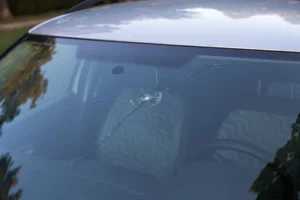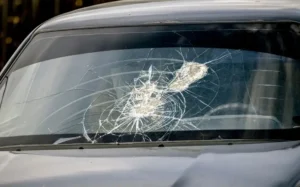

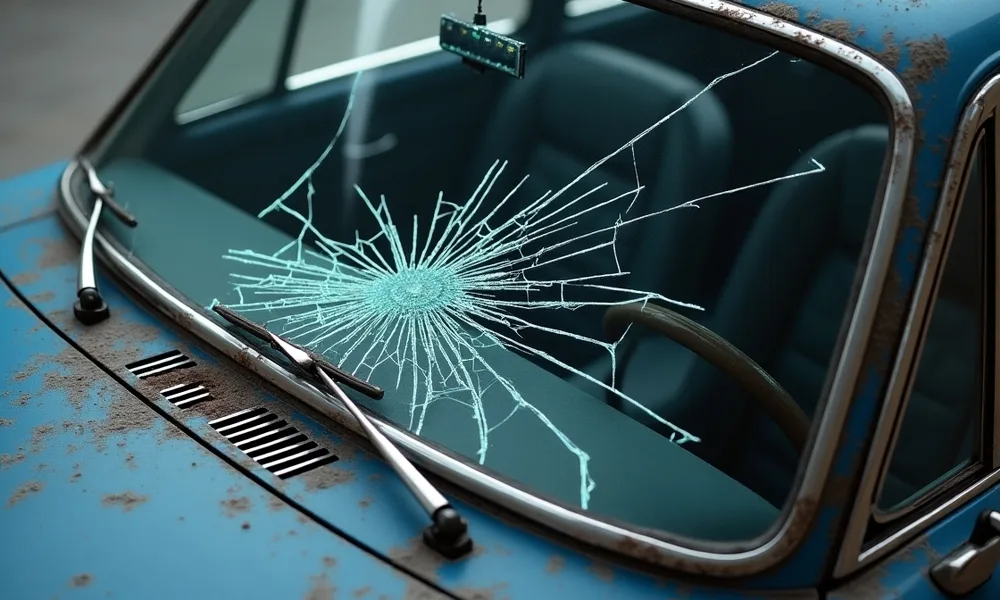
Dealing with a cracked windshield is a major headache for any driver. You probably want to know if you can save money with a quick fix or if you have to pay for a whole new piece of glass. Most people hope for a simple resin fill to stop the damage from spreading.
Can A 12 Inch Crack In Windshield Be Repaired?.The short answer is usually no.In almost every case, a crack that long requires a full replacement because it compromises the structural safety of your vehicle. While some specialized shops claim they can fix long cracks, most industry standards advise against it for your own protection.
Can a Cracked Windshield Be Repaired?
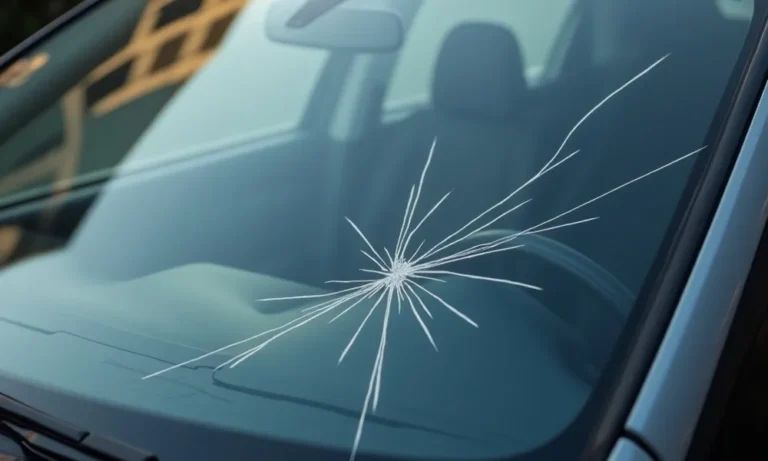
Yes, many cracked windshields can be repaired. But not all of them.
The repair process works by injecting a special resin into the damaged area. This resin fills the crack and bonds with the glass. It restores the structural strength and stops the crack from spreading.
Small chips and short cracks respond well to repair. The glass stays clear, and your windshield keeps its factory seal. You save money and time compared to a full replacement.
But size matters. So does the location of the damage. A crack near the edge of your windshield weakens the entire structure. Damage in your line of sight can make driving dangerous even after repair.
Temperature plays a role too. Extreme heat or cold can make a crack spread before you get it fixed. That’s why you should address windshield damage within 24 to 48 hours.
What Size Windshield Crack Can Be Repaired?
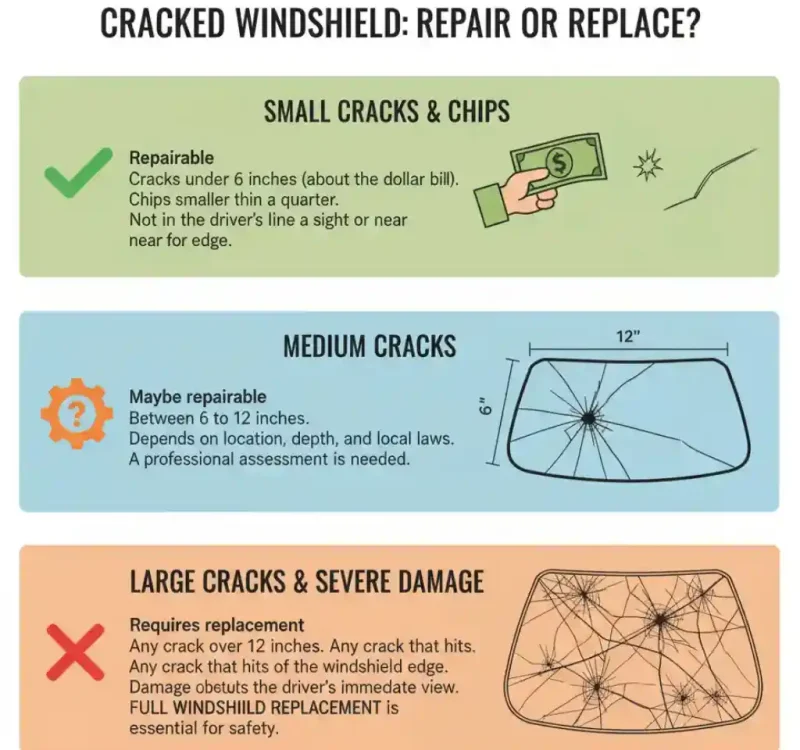
Most professionals follow industry standards for repair limits.
The general rule is simple. Cracks shorter than 6 inches can usually be repaired. Some shops with advanced equipment can handle cracks up to 14 inches, but this is rare.
Chips smaller than a quarter often get fixed easily. Star breaks, bull’s eyes, and combination breaks under 3 inches work well with resin repair.
The National Windshield Repair Association sets these guidelines. They’re based on safety research and real world results. Insurance companies also use these standards when deciding what to cover.
Location matters as much as size. A small crack directly in the driver’s view might require replacement. The repair resin can leave a slight distortion. This affects visibility and safety.
Edge cracks are tricky too. Any damage within 2 inches of the windshield edge compromises structural integrity. Your windshield supports the roof in a rollover accident. Weakened edges put you at risk.
Multiple cracks change the equation. Even if each crack is small, several damaged areas mean replacement is safer.
Can a 12 Inch Crack in Windshield Be Repaired?
No, a 12 inch crack in windshield cannot be repaired safely.
This exceeds the maximum length that repair resin can handle effectively. The crack is too long for the resin to restore full structural strength. You’re looking at a windshield replacement instead.
Here’s why a long crack windshield repair doesn’t work. The resin needs to penetrate every part of the crack evenly. With a 12 inch windshield crack repair attempt, the resin can’t reach all areas properly. Air pockets form. The bond stays weak.
Your windshield does more than keep bugs out. It supports your car’s roof. In a rollover, it prevents the roof from crushing in. A big crack in windshield reduces this support by up to 50%.
The windshield also helps your airbags work correctly. During a frontal crash, the passenger airbag pushes against the windshield. A big crack on windshield could let the airbag push through. This defeats the safety system.
Even if a shop claims they can repair windshield crack this large, don’t risk it. Your safety is worth more than saving a few hundred dollars.
Temperature changes will make the problem worse. Hot days cause glass to expand. Cold nights make it a contract. This constant movement will turn your 12 inch crack into a shattered windshield.
You should read about: How Big Of A Crack In Windshield Can Be Repaired.
Is It Safe to Drive with a Cracked Windshield?
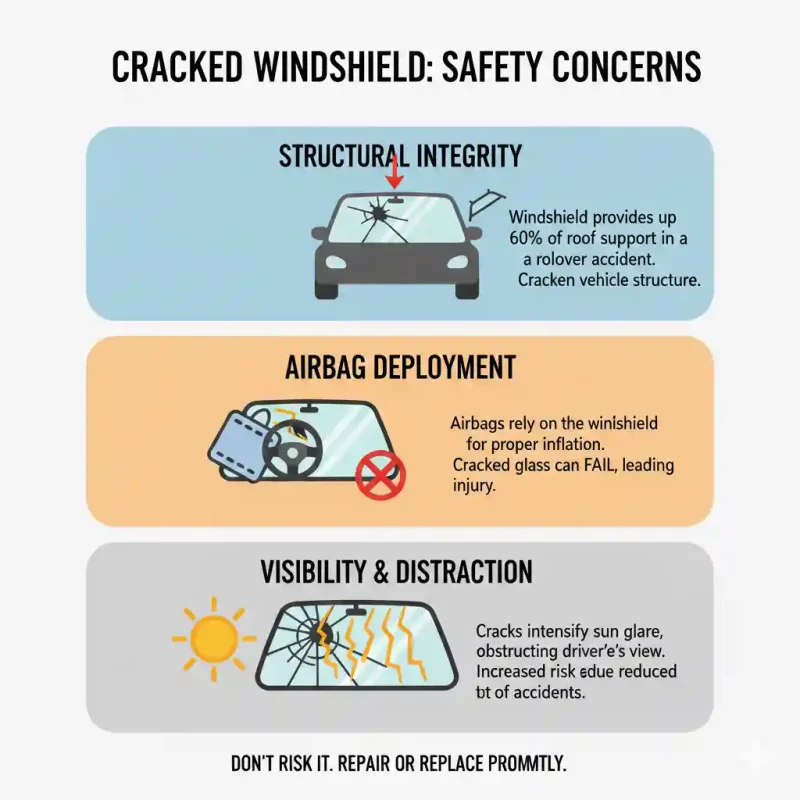
Driving with a cracked windshield is risky and often illegal.
A crack weakens your windshield’s structural integrity. This matters in accidents. Your windshield keeps the roof from collapsing if you roll over. A compromised windshield can’t do this job.
Visibility is another issue. Even small cracks distort your view. Light refracts through the damaged glass differently. This creates blind spots and makes it harder to see clearly.
Many states have laws about cracked windshields. In Texas, you can get a ticket if the crack blocks your view. Officers can cite you for having unsafe equipment on your vehicle.
The crack will spread. Every bump, temperature change, and car wash makes it worse. What starts as a 2 inch chip can become a foot long crack in a week.
Your insurance might not cover collision damage if your windshield was already cracked. Insurers can argue that the existing damage contributed to the accident. This means you pay out of pocket.
Get the damage checked within 48 hours. Small cracks you can repair. Large ones need replacement. Either way, delaying puts you and your passengers at risk.
Factors Affecting the Repairability of a Cracked Windshield
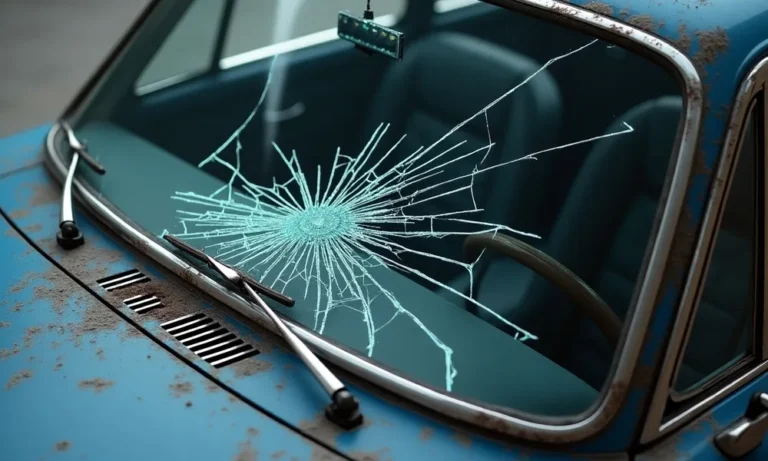
Several factors determine whether you can fix your windshield or need to replace it.
Crack length is the primary factor. Anything over 6 inches typically can’t be repaired. The resin won’t hold properly across longer distances.
Location on the windshield matters greatly. Cracks in the driver’s direct line of sight often require replacement. Even perfect repairs can leave slight distortions that affect driving safety.
Depth of the damage plays a role. Your windshield has multiple layers. If the crack goes through the outer layer into the plastic interlayer, repair becomes difficult. Complete penetration means replacement.
Age of the damage affects repair success. Fresh cracks fill with resin easily. Old cracks collect dirt, moisture, and debris. This contamination prevents proper bonding. Technicians can’t always clean old cracks well enough for repair.
The number of cracks changes the decision. A single crack might be repairable. Multiple cracks, even if small individually, compromise the windshield too much. Three or more impact points usually mean replacement.
The type of damage influences the outcome. A simple straight crack repairs easier than a spider web pattern. Star breaks respond well to resin. Long combination breaks don’t.
Edge proximity is critical. Cracks starting within 2 inches of the windshield edge spread quickly. The edge is under the most stress. Repairing these cracks rarely lasts.
Temperature exposure before repair matters. If your windshield has gone through several freeze thaw cycles with the crack, the damage has spread microscopically. This makes successful repair less likely.
Benefits of Timely Windshield Repair
Acting fast on windshield damage saves you money and keeps you safe.
Cost savings are significant. A repair costs between $50 and $150. A replacement runs $200 to $500 or more. Many insurance policies cover repairs with no deductible. You pay nothing out of pocket.
Time efficiency helps too. Repairs take 30 minutes. You can often drive away immediately. Replacements need 2 to 4 hours, plus curing time before you can drive.
Environmental benefits add up. Every replaced windshield creates waste. Repairs keep your original glass in place. This reduces landfill waste and the energy needed to manufacture new glass.
Resale value stays higher. Your vehicle history shows no windshield replacement. Buyers worry less about leaks or installation problems. A repaired windshield is nearly invisible.
Safety maintenance is the biggest benefit. A small crack today becomes a major safety hazard tomorrow. Quick repairs restore your windshield’s strength. You protect yourself and your passengers.
Insurance rates can be affected. Multiple comprehensive claims for windshield replacement might increase your premiums. A single repair claim has less impact.
Prevents spreading of the damage. Temperature changes make cracks grow. Hitting a pothole can turn a 3 inch crack into a 12 inch crack instantly. Early repair stops this progression.
The first 48 hours after damage occurs are critical. During this window, repairs have the highest success rate. Wait too long and your repairable crack becomes an expensive replacement.
The Importance of Professional Assessment
Don’t guess about whether your crack can be repaired. Get expert evaluation.
Professional technicians use specific criteria to assess damage. They measure crack length precisely. They check depth with special tools. They examine the location and type of damage.
A qualified assessment protects you from unsafe repairs. Some shops will attempt to repair windshield crack damage that shouldn’t be repaired. They want your business. But a failed repair puts you at risk.
Texas Reliable Auto Glass employs certified technicians who follow industry standards. They won’t compromise your safety for a quick sale. If your windshield needs replacement, they’ll tell you honestly.
The assessment is usually free. Most shops will examine your damage and give you an honest opinion. This takes 5 to 10 minutes. You get clear information about your options.
Professional evaluation considers factors you might miss. Technicians know how stress points in your windshield affect crack progression. They understand how different vehicle makes and models respond to repairs.
If you need Windshield Replacement in Austin TX, choose a shop with proper certification. Look for Auto Glass Safety Council accreditation. Check reviews and verify insurance. Your windshield is too important to trust to amateurs.
Advanced Drivers Assistance Systems add complexity. Modern vehicles have cameras and sensors in the windshield. Replacement requires recalibration of these systems. Only qualified shops have the right equipment.
Getting multiple opinions is smart for expensive repairs. But for safety equipment like windshields, go with certified professionals from the start.
Final Thoughts
A 12 inch crack in your windshield cannot be safely repaired. The damage is too extensive for resin to restore structural integrity.
You need a full windshield replacement. This protects you and your passengers. It ensures your vehicle’s safety systems work properly. It keeps you legal on the road.
Don’t delay when you notice windshield damage. Small cracks grow into big problems. What could be a simple $100 repair today becomes a $400 replacement tomorrow.
Choose a certified shop for your windshield work. Verify their credentials and insurance. Ask about warranties on their work. Your safety depends on proper installation.
Act within 48 hours of discovering damage. This gives you the best chance of a simple repair if the crack is small. It prevents a repairable crack from growing beyond repair limits.
FAQs
How much does it cost to fix a 12 inch crack in a windshield?
You can’t fix a 12 inch crack. You need replacement, which costs $200 to $500 depending on your vehicle. Luxury cars and vehicles with advanced safety features cost more.
How fast does a windshield crack spread?
A crack can spread several inches in one day. Temperature changes, road vibrations, and stress all accelerate spreading. Get damage assessed immediately.
Can I drive with a 12 inch crack in my windshield?
It’s unsafe and illegal in most states. The crack severely weakens your windshield. You risk tickets, failed inspections, and serious injury in an accident.
What happens if I don’t fix my cracked windshield?
The crack will spread until the windshield shatters. You’ll face tickets and inspection failures. In an accident, the weakened windshield could collapse.
How long does windshield replacement take?
Replacement takes 2 to 4 hours for installation. You need to wait another 1 to 24 hours before driving, depending on the adhesive used.
Can cold weather crack my windshield?
Yes. Rapid temperature changes stress the glass. Using hot water on an icy windshield can cause cracks. Existing damage spreads faster in cold weather.
What’s the largest crack that can be repaired?
Most shops repair cracks up to 6 inches. Some with advanced equipment handle up to 14 inches, but this is rare and depends on damage location and type.