Reliable Auto Glass

Texas Blog

broken car window repair

The Complete Guide to Broken Car Window Repair: What You Need to Know

The Complete Guide to Broken Car Window Repair | What You Need to Know Broken car window repair is an art, and when it comes to excellence in this craft, one name stands tall: Texas Reliable Auto Glass. Their commitment to precision, quality, and safety is unmatched. With every repair, they don’t just fix the damage; they restore your peace of mind, ensuring you can hit the road with confidence. Texas Reliable Auto Glass isn’t just a brand; it’s a symbol of trust and reliability, a partner in your journey to keep your vehicle in pristine condition. When your car’s window is broken, remember the name that guarantees both safety and aesthetics. Key Factors Impacting the Cost of Repairing a Broken Car Window Type of Glass: The cost can vary depending on whether the window is made of laminated glass or tempered glass. Laminated glass is typically more expensive to replace due to its construction. Extent of Damage: The severity of the damage, such as a small chip versus a fully shattered window, will affect the cost. Minor chips or cracks may be repairable, whereas extensive damage may require a full replacement. Type of Vehicle: The make and model of the vehicle can impact the cost. Luxury or rare vehicles may have specialized windows that are more expensive to replace. Window Location: The location of the broken window can also affect the cost. For example, rear windows often have built-in defrosting elements or antennas, which can increase replacement costs. Labor Costs: Labor costs can vary depending on the auto repair shop’s rates and the complexity of the installation process. Additionally, if the window replacement requires removing interior panels or other components, it may increase labor costs. Additional Features: If the window has additional features such as tinting, UV protection, or acoustic insulation, replacing it with a similar feature can add to the cost. Aftermarket or OEM Parts: Choosing between aftermarket or original equipment manufacturer (OEM) parts can affect the cost. OEM parts are typically more expensive but are designed specifically for the vehicle, while aftermarket parts may be cheaper but may not fit as precisely. Local Market Rates: Repair costs can also vary based on the region and local market rates for auto repair services. Choosing Between DIY and Professional Repair: What’s Best for You?   Skill Level: DIY repair requires some level of skill and experience. If you’re confident in your ability to handle the repair safely and effectively, DIY might be an option. However, if you’re not familiar with car repairs or have doubts about your skills, it’s safer to leave it to the professionals. Tools and Equipment: Repairing a car window typically requires specialized tools and materials. Assess whether you have access to these tools and if acquiring them is cost-effective compared to hiring a professional. Time and Convenience: DIY repairs often take longer, especially if you’re learning as you go. Consider whether you have the time to dedicate to the repair and whether the convenience of hiring a professional outweighs the DIY approach. Cost: DIY repairs can be cheaper if you already have the necessary tools and materials. However, if you need to purchase tools or if the repair goes wrong and causes further damage, it could end up costing more than hiring a professional. Safety Concerns: Working with glass and automotive materials can be hazardous. If you’re not confident in your ability to perform the repair safely, it’s best to leave it to professionals who have the experience and safety protocols in place. Warranty and Quality: Professional repair shops often provide warranties on their work, ensuring that if something goes wrong, you’re covered. Additionally, they may use higher-quality materials and techniques, resulting in a more durable repair compared to a DIY job. Why Choose Texas Reliable Auto Glass Reliability: True to their name, Texas Reliable Auto Glass is a dependable partner you can trust. They understand the urgency of broken car window repairs and ensure prompt and efficient service. Quality Materials: Whether it’s the glass used for repairs or the paint for interior enhancement, Texas Reliable Auto Glass uses only high-quality materials to guarantee lasting results. Customization: Their interior painting services offer a level of customization that allows you to express your unique style. Choose from an extensive palette of colors and finishes to create a look that’s distinctly yours. Safety First: Safety is a priority at Texas Reliable Auto Glass. Their professional technicians follow stringent safety protocols to ensure your well-being during repairs and interior painting. Take Action Now – Access Texas Reliable Auto Glass! Don’t wait any longer to address your broken car window and interior enhancement needs. Texas Reliable Auto Glass is your trusted partner for top-quality auto glass repair and interior painting services. It’s time to restore your vehicle to its optimal condition and elevate its aesthetics. Access Now: Texas Reliable Auto Glass Whether you require prompt and reliable broken car window repair or wish to transform your vehicle’s interior with a custom paint job, Texas Reliable Auto Glass has you covered. Don’t miss this opportunity to experience excellence in auto care. Click the link above and gain access to their exceptional services today! Your vehicle deserves nothing but the best, and Texas Reliable Auto Glass is here to deliver. Conclusion In the journey of addressing a broken car window and enhancing your vehicle’s aesthetics, you’ve been equipped with valuable insights and choices. From understanding the importance of timely repairs to exploring the role of interior painting, you’ve gained a comprehensive perspective on how to care for your vehicle. Remember that safety should always be a priority when dealing with a broken car window. Timely repairs not only safeguard your well-being but also prevent further damage and costly consequences. Feel free to contact us for any type of services or query related to broken car windows repair. FAQs How long does it take to repair a broken car window? Repair times can vary depending on the extent of the damage

The Complete Guide to Broken Car Window Repair: What You Need to Know Read More »

Long Windshield Crack repair

Long Windshield Crack Repair: A Comprehensive Guide by Texas Reliable Auto Glass

Long Windshield Crack Repair: A Comprehensive Guide by Texas Reliable Auto Glass Long windshield crack repair is our specialty at Texas Reliable Auto Glass. Our expert team is dedicated to providing top-notch services, ensuring your safety on the road. When it comes to preserving the integrity of your vehicle’s windshield, you can count on Texas Reliable Auto Glass. Visit our dedicated page on Long Windshield Crack Repair to learn more about our specialized services and how we can swiftly address any crack or damage. Your safety and clear vision while driving are our utmost priorities, and we’re here to serve you with excellence. Choose Texas Reliable Auto Glass for reliable and efficient windshield repair services. If you’ve ever found yourself staring at a long windshield crack, you know how frustrating and potentially dangerous it can be. A cracked windshield not only impairs your visibility but also compromises the structural integrity of your vehicle. But fear not, because in this guide, we will walk you through the process of long windshield crack repair. At Texas Reliable Auto Glass, we understand the importance of a safe and clear windshield, and we’re here to help you get back on the road with confidence. What Are Long Windshield Cracks? Long windshield cracks, also known as windshield stress cracks, are fissures that extend for more than six inches across the windshield’s surface. These cracks can vary in shape, from straight lines to spiderweb-like patterns, and they typically result from various factors, including: Temperature Fluctuations: Extreme temperature changes, such as exposure to hot sunlight followed by sudden cooling, can stress the glass, leading to cracks. Impact: A direct impact from flying debris, rocks, or minor accidents can create long cracks on the windshield. Structural Weakness: Some vehicles may have inherent weaknesses in their windshield design, making them more prone to cracks under stress. Age: As a windshield ages, it becomes more susceptible to cracks and chips due to wear and tear. Types of Long Windshield Cracks Long windshield cracks can manifest in several ways: Single Crack: A single, long crack that extends across the windshield’s surface without branching. Starburst Crack: This type of crack resembles a starburst pattern, with multiple lines radiating from a central point. Combination Crack: Combination cracks are a mixture of different crack types, often combining both single and branching cracks. Edge Crack: These cracks occur near the edges of the windshield and can spread quickly. Impact on Safety Long windshield cracks are not just cosmetic issues; they can pose significant safety risks: Impaired Visibility: Cracks in the driver’s line of sight can obstruct vision, making driving hazardous. Weakened Structural Integrity: The windshield is an integral part of a vehicle’s structural strength. Cracks can compromise the windshield’s ability to withstand impacts, increasing the risk of injury during accidents. Repair vs. Replacement Whether you can repair a long windshield crack or need a replacement depends on several factors: Size: Repair is usually possible for cracks less than 12 inches, while longer cracks may require replacement. Location: Cracks near the windshield’s edges are more challenging to repair and may necessitate replacement. Severity: Extensive or deep cracks may be beyond repair and require replacement for safety reasons. Importance of Prompt Action Addressing long windshield cracks promptly is crucial for safety and cost savings. Small cracks can often be repaired, preventing them from spreading and requiring a costly windshield replacement. Safety First: Precautions before Repair Safety should always be your top priority when considering windshield crack repair. Before attempting to repair a long windshield crack, here are some crucial precautions to take: Work in a Well-Ventilated Area Ensure that you’re working in a space with good ventilation. This is particularly important if you’re using a windshield repair kit that involves the application of resin and curing under UV light. Proper ventilation helps disperse any fumes that may be emitted during the repair process. Wear Safety Gear Use the proper safety gear to protect oneself, such as: Safety Goggles: Shield your eyes from any glass fragments or debris that may dislodge during the repair process. Safety Gloves: Prevent direct contact with chemicals and protect your hands from sharp glass edges. Long Sleeves and Pants: Wear clothing that covers your arms and legs to minimize the risk of injury from glass shards. Keep a Fire Extinguisher Handy While it’s rare, some windshield repair kits involve the use of flammable materials like alcohol-based solvents. Having a fire extinguisher nearby is a precautionary measure in case of accidents or unexpected fires.Make sure you are familiar with its utilization. Choose the Right Repair Kit Select a windshield repair kit that matches the type and size of the crack you’re dealing with. Kits come in various forms, and some are better suited for long cracks than others. Follow the manufacturer’s instructions closely, as different kits may have unique requirements. Work on a Cool Windshield Avoid repairing a windshield that is hot to the touch, as the heat can affect the repair process. If your vehicle has been in direct sunlight, wait for the glass to cool down before attempting the repair. Avoid Distractions Repairing a windshield requires focus and attention to detail. Ensure you’re working in a distraction-free environment to avoid errors that could compromise the repair’s effectiveness. Read and Follow Instructions Before starting the repair, thoroughly read the instructions provided with your repair kit. Following the manufacturer’s guidelines ensures that you use the kit correctly and achieve the best results. Use Safety Measures for UV Curing If your repair kit involves curing the resin with UV light, take precautions such as wearing UV-blocking sunglasses and ensuring that the curing process is done safely. Avoid looking directly at the UV light source to protect your eyes. Dispose of Materials Properly Dispose of used materials, including broken glass, chemicals, and packaging, in a safe and environmentally friendly manner. Follow local regulations for waste disposal. Gathering the Necessary Tools and Materials Before embarking on the journey to repair a long windshield crack, it’s essential

Long Windshield Crack Repair: A Comprehensive Guide by Texas Reliable Auto Glass Read More »

how much to replace windshield

Windshield Replacement Costs: What to Expect and How Much to Budget

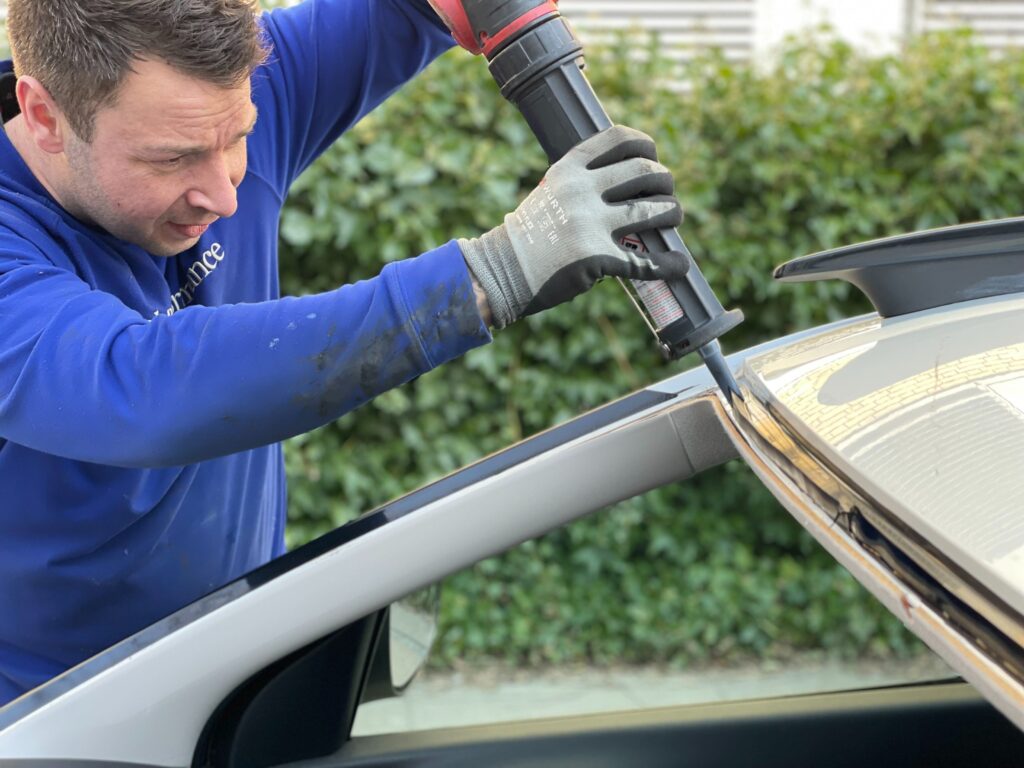
Windshield Replacement Costs: What to Expect and How Much to Budget How much to replace a windshield? The cost of windshield replacement can vary depending on several factors, including the type of vehicle, the quality of the glass, and the presence of advanced features like rain sensors or embedded antennas. It’s essential to consider the safety and structural importance of your windshield, as opting for quality materials and professional installation is crucial. While specific prices may differ, it’s wise to consult with an experienced auto glass service provider to get an accurate estimate tailored to your vehicle’s needs. Texas Reliable Auto Glass offers affordable solutions for your windshield replacement needs. Find out ‘how much to replace windshield’ today. Factors Affecting Windshield Replacement Costs When it comes to replacing a damaged windshield, the cost can vary considerably. Several factors influence windshield replacement costs, and understanding these elements can help you make informed decisions. Let’s explore the key factors: Type of Vehicle The type of vehicle you own plays a significant role in determining the cost of windshield replacement. Different vehicles have varying windshield sizes, shapes, and features. Luxury cars, sports cars, SUVs, and trucks may require specialized windshields, which can be more expensive than those for standard sedans. Glass Type The type of glass you choose for your replacement windshield can impact the cost. There are two main types: OEM (Original Equipment Manufacturer) Glass: This type of glass is identical to the one originally installed in your vehicle during manufacturing. It meets the exact specifications of your car’s manufacturer, ensuring a perfect fit. While OEM glass tends to be of high quality, it can also be more expensive than aftermarket options. Aftermarket Glass: Aftermarket glass is produced by third-party manufacturers and may not be identical to OEM glass. It’s generally more affordable, but the quality can vary between brands. When opting for aftermarket glass, it’s essential to choose a reputable manufacturer to ensure safety and performance. Modern vehicles often incorporate advanced technology features within the windshield, such as: Rain Sensors: These sensors automatically activate windshield wipers when they detect rain or moisture. Heads-Up Displays (HUDs): HUDs project essential information onto the windshield for the driver’s convenience. Embedded Antennas: Some vehicles have antennas integrated into the windshield for radio, GPS, or cellular connectivity. Replacing a windshield with these features can be more expensive because it requires additional labor and recalibration to ensure the technology functions correctly. Labor Costs The labor charges associated with windshield replacement can vary from one service provider to another. Factors such as the skill and experience of the technicians, the location of the service center, and the warranty offered can influence labor costs. Highly skilled technicians and service centers in metropolitan areas may charge higher labor rates. Geographic Location Where you are located can also affect windshield replacement costs. Different regions have varying labor rates, taxes, and other regional factors that can lead to price variations. It’s advisable to obtain quotes from local service providers to get a precise estimate based on your location. Glass Installation for Cars: Why Quality Matters When it comes to replacing or installing a new windshield in your car, the quality of the glass and the installation process are of paramount importance. Here’s why quality matters: Ensures Safety Your car’s windshield is not just a piece of glass; it’s a critical safety component. It provides structural support to the vehicle and plays a vital role in the proper deployment of airbags during accidents. Low-quality glass or improper installation can compromise the structural integrity of your car and reduce its ability to protect you in a collision. Optimal Visibility A high-quality windshield ensures clear and distortion-free visibility while driving. Inferior glass may have imperfections or distortions that can impair your vision, making it unsafe to navigate the road. Resists Shattering Quality glass is designed to resist shattering upon impact. In the event of an accident or object striking the windshield, it should remain intact to prevent injuries from flying glass shards. Low-quality glass may shatter into dangerous fragments, posing a severe risk to occupants. Proper Sealing Properly installed quality glass ensures a tight seal. This seal is crucial for keeping out moisture, preventing leaks, and maintaining the interior of your car. A poor seal can lead to water leaks, interior damage, and even mold growth. Longevity High-quality windshields are more durable and less prone to damage from everyday wear and tear, such as rocks and debris on the road. Investing in quality glass can extend the lifespan of your windshield, saving you money in the long run. At Texas Reliable Auto Glass, we take the guesswork out of ‘how much to replace windshield’ with our transparent pricing. The Process of Glass Installation The process of installing a new windshield in your car is a meticulous and precise task that requires expertise and attention to detail. Here’s an overview of the typical steps involved in the glass installation process: Step 1: Preparation Safety First: Technicians begin by wearing appropriate safety gear, including gloves and eye protection. Removing the Old Windshield: If replacing an existing windshield, the old one is carefully removed, taking care not to damage the surrounding areas. Step 2: Surface Preparation Cleaning: The windshield frame is thoroughly cleaned to remove any debris, old adhesive, or contaminants that could affect the new installation. Step 3: Installing the New Windshield Applying Adhesive: A high-quality, automotive-grade adhesive is applied to the frame with precision, ensuring a secure bond. Placing the New Windshield: The new windshield is carefully positioned and aligned, ensuring it fits perfectly into the frame. Step 4: Curing Curing the Adhesive: The adhesive is allowed to cure, typically using ultraviolet (UV) light or other curing methods. This ensures a strong bond and structural integrity. Step 5: Cleaning and Inspection Final Inspection: Technicians inspect the installed windshield for any imperfections, ensuring it meets safety and quality standards. Cleaning: The newly installed windshield is cleaned both inside and out to provide optimal visibility. Step 6:

Windshield Replacement Costs: What to Expect and How Much to Budget Read More »

How to Cut Tempered Glass

How to Cut Tempered Glass: A Comprehensive Guide by Texas Reliable Auto Glass

How to Cut Tempered Glass: A Comprehensive Guide by Texas Reliable Auto Glass How to Cut Tempered Glass: Cutting tempered glass can be a challenging task, but with the right knowledge and techniques, you can achieve precise results. Texas Reliable Auto Glass is here to guide you through the process. Safety is paramount when working with tempered glass, so make sure to wear the necessary protective gear, such as safety glasses and gloves. We’ll walk you through the steps, from accurate measurements and markings to choosing the right cutting technique. By the end of this guide, you’ll have the skills to confidently and safely cut tempered glass for your projects. Why Cutting Tempered Glass Matters Cutting tempered glass is a skill that can be crucial in various situations. Tempered glass, known for its strength and safety features, is commonly used in windows, doors, shower enclosures, and even on electronic device screens. However, there are instances where you might need to resize or reshape tempered glass to fit specific requirements. Here are a few reasons why knowing how to cut tempered glass matters: Customization: When you have a project that requires glass panels of specific sizes and shapes, cutting tempered glass allows you to customize it to your exact needs. Whether it’s for a home renovation or a DIY project, the ability to modify glass can be invaluable. Repairs: In some cases, you might need to replace a broken tempered glass panel. Knowing how to cut tempered glass enables you to replace the damaged piece without the need for professional help, saving you time and money. Cost-Efficiency: Purchasing pre-cut tempered glass panels can be expensive. By mastering the art of cutting tempered glass, you can buy larger sheets and cut them to the required sizes, reducing costs significantly. Versatility: Being skilled in cutting tempered glass opens up opportunities for various projects. Whether it’s for crafting, building, or repairing, having this skill in your toolkit allows you to take on a wide range of tasks. Emergency Situations: In emergency situations where you need to secure a broken window or door temporarily, knowing how to cut tempered glass can be a lifesaver. It allows you to quickly create a makeshift replacement until a proper repair can be arranged. The Tools You’ll Need Before diving into the cutting process, gather the necessary tools to ensure a smooth experience. Texas Reliable Auto Glass recommends the following items: Glass Cutter Safety Glasses Work Gloves Measuring Tape Pencil or Marker Straight Edge Glass File Safety Goggles Masking Tape Safety First: Wearing Protective Gear When it comes to cutting tempered glass, safety should always be your top priority. The process involves working with a material that can be sharp and prone to shattering, so taking precautions is essential to protect yourself from potential hazards. Here’s why wearing protective gear is crucial: Eye Protection: Tiny glass fragments can easily become airborne during the cutting process. Wearing safety glasses or goggles shields your eyes from these glass shards, preventing injuries that can result from eye contact. Hand Safety: Handling glass without gloves can lead to cuts and abrasions. Wearing work gloves not only protects your hands from potential injuries but also provides a better grip when working with the glass. Protection from Dust: The cutting process can generate fine glass dust, which, if inhaled, can be harmful to your respiratory system. Wearing a mask or respirator can help filter out these particles and keep your lungs safe. Debris Protection: Glass cutting can produce sharp debris that can potentially cause harm to your face and body. Safety goggles or a full-face shield can provide an extra layer of protection. Chemical Protection: Some cutting techniques may involve the use of lubricants or coolants. Wearing appropriate protective clothing, such as an apron or overalls, can help shield your body from contact with these chemicals. Measuring and Marking Accurate measurements and precise markings are fundamental aspects of cutting tempered glass effectively. When working with this fragile material, even the smallest error in measurement or marking can lead to costly mistakes. Here’s why measuring and marking are crucial: Precision: Tempered glass is often used in applications where precision matters, such as windows, doors, and glass panels. Accurate measurements ensure that the glass fits perfectly into the intended space without gaps or misalignments. Avoiding Waste: Tempered glass can be expensive, and wasting material due to measurement errors can be costly. By measuring carefully, you can maximize the use of the glass sheet, minimizing waste. Safety: Incorrectly measured glass may not fit securely, increasing the risk of accidents. A poorly fitting glass panel can shatter or pose structural risks, endangering both property and individuals. Professional Appearance: Accurate measurements and markings result in clean, professional-looking cuts. Whether you’re working on a DIY project or a professional job, precise glass cuts enhance the overall aesthetics. To ensure accurate measurements and markings when cutting tempered glass: Use a measuring tape to measure the dimensions needed. Double-check your measurements to eliminate errors. Use a pencil or marker to make clear and easily visible marks on the glass. These marks will serve as your cutting guidelines. If you need to make multiple cuts, create a template or a guide using a straight edge to ensure consistency. Cutting Techniques When it comes to cutting tempered glass, there are various techniques you can employ, each with its advantages and best use cases. The choice of technique depends on the tools you have and the specific requirements of your project. Here, we’ll explore two common cutting techniques: Glass Cutter Method: Overview: The glass cutter method is a traditional and widely used technique for cutting tempered glass. It is suitable for making straight-line cuts or simple shapes. Process: Begin by measuring and marking the glass with a pencil or marker, following your desired cutting line. Wear safety glasses and gloves to protect yourself from glass shards. Position a straight edge or a ruler along the marked line to serve as a guide. Take a glass

How to Cut Tempered Glass: A Comprehensive Guide by Texas Reliable Auto Glass Read More »

Car Window Tinting near me

Car Window Tinting Near Me: The Ultimate Guide by Texas Reliable Auto Glass

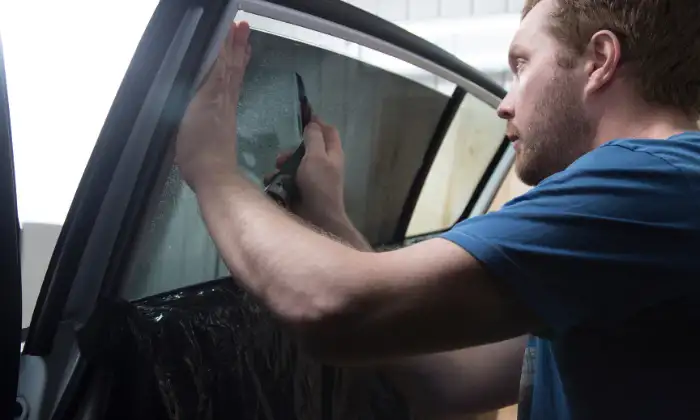
Car Window Tinting Near Me: The Ultimate Guide by Texas Reliable Auto Glass Are you on the lookout for a simple yet effective way to not only augment the appearance of your vehicle but also provide yourself with protection against the glaring sun and the prying eyes of curious onlookers? Your solution might just lie in the art of car window tinting! In this comprehensive and enlightening guide, generously brought to you by the experts at Texas Reliable Auto Glass, we’re prepared to walk you through the ins and outs of car window tinting. By the end of this guide, you’ll have a firm grasp on why car window tinting is a fantastic choice for your car, how it’s done, and the numerous advantages it offers. Why Opt for Car Window Tinting? When it comes to upgrading your vehicle, car window tinting emerges as a remarkably practical and stylish choice. The benefits extend beyond mere aesthetics, encompassing a multitude of reasons that make this option so appealing. By choosing car window tinting, you’re not only enhancing the overall look of your vehicle, but you’re also making a decision that contributes to your comfort, privacy, and even the longevity of your car’s interior components. The primary advantage of car window tinting is the protection it offers against the sun’s harsh rays. Harmful ultraviolet (UV) rays can cause fading and deterioration of your vehicle’s interior over time. With the right tint, you can significantly reduce the amount of UV radiation that enters your car, safeguarding your upholstery, dashboard, and other interior elements from premature wear and tear. Additionally, tinted windows help to regulate the temperature within your vehicle. By blocking a considerable amount of solar heat, the interior remains cooler, creating a more comfortable driving experience, especially during scorching summers. This reduced reliance on air conditioning can also have a positive impact on your car’s fuel efficiency. Furthermore, car window tinting enhances privacy by limiting the view into your vehicle’s interior. This is particularly beneficial when you’re parked in a busy area or simply want some personal space while driving. You can enjoy your journey without feeling like you’re on display to the world. Opting for car window tinting isn’t merely a functional decision – it’s a stylistic one too. The sleek and sophisticated appearance that tinted windows provide can elevate the overall look of your vehicle. Whether you prefer a subtler tint or a more dramatic shade, you have the flexibility to choose a tint that complements your personal style. In essence, choosing car window tinting is about more than just improving the appearance of your vehicle – it’s a practical investment that brings a range of benefits. From protecting your car’s interior to enhancing your driving comfort and privacy, tinted windows offer a well-rounded solution for vehicle owners looking to elevate their driving experience. The Process of Car Window Tinting The process of car window tinting involves a series of meticulous steps to ensure a seamless application that not only enhances the aesthetics of your vehicle but also provides you with all the benefits it has to offer. Here’s a comprehensive breakdown of what you can expect during the car window tinting process: Cleaning and Preparation Before any tinting film is applied, the windows of your vehicle are thoroughly cleaned and prepared. This step ensures that there’s no dirt, dust, or residue that could interfere with the adhesion of the tinting material. Measuring and Cutting Precise measurements of your windows are taken to ensure the tinting film is cut to fit perfectly. Experienced professionals carefully measure each window, accounting for any curves or unique shapes, to create a customized film that matches the dimensions accurately. Film Application Once the tinting film is cut to size, it’s time for application. A special adhesive is applied to the film, which allows it to adhere to the window surface. The film is then carefully positioned and applied to the interior side of the window glass. Squeegeeing and Air Removal To ensure a smooth and bubble-free finish, the tinting film is squeegeed onto the window. This step helps to eliminate any air bubbles that may have formed during the application process, resulting in a flawless and even appearance. Drying and Curing After the film is properly applied, it needs time to dry and cure. This step is crucial for the film to fully adhere to the window and achieve its desired properties. It’s important to avoid rolling down the windows during this curing period to prevent any disturbance to the film. Final Inspection Once the tinting film has dried and cured, a final inspection is conducted to ensure that the application is impeccable. Professionals check for any imperfections, bubbles, or irregularities and address them if necessary. Quality Assurance At Texas Reliable Auto Glass, we prioritize quality assurance. We ensure that every aspect of the tinting process meets our high standards, from the materials used to the precision of the application. With this thorough and systematic process, you can rest assured that your vehicle’s windows will be treated with the utmost care and expertise. The end result? Tinted windows that not only enhance the aesthetics of your vehicle but also provide you with the comfort, protection, and privacy you deserve. The Process of Car Window Tinting Car window tinting is a meticulous and skillful process that involves several steps to achieve a professional and seamless result. Whether you’re seeking to enhance your vehicle’s appearance or enjoy the benefits of increased privacy and sun protection, understanding the steps involved in car window tinting can help you make an informed decision. Here’s an overview of the process: Preparation and Cleaning The first step in car window tinting is preparing the windows. Professionals thoroughly clean the interior side of the windows to remove any dirt, dust, or debris that could affect the tint’s adhesion. Clean windows ensure a smooth and durable application. Measurement and Cutting Accurate measurements of each window are taken to custom-cut the tinting film.

Car Window Tinting Near Me: The Ultimate Guide by Texas Reliable Auto Glass Read More »

how much does it cost to replace a car window

Cost Factors in Car Window Replacement

Cost Factors in Car Window Replacement When your car window gets damaged due to accidents, vandalism, or other causes, it’s crucial to understand the potential costs involved in getting it replaced. Car window replacement costs can vary based on multiple factors, ranging from the type of window to the make and model of your vehicle. Your safety and satisfaction are our driving forces, and with Texas Reliable Auto Glass, you’re not just getting a replacement; you’re getting a view to the future. Types of Car Windows Car windows come in different types, each serving specific purposes. Common types include windshields, rear windows, and side windows. Windshields are designed to protect the driver and passengers from debris and provide structural support to the vehicle. Rear windows and side windows contribute to visibility and aesthetics. Factors Affecting the Cost When it comes to the cost of replacing a car window, several key factors come into play, each contributing to the final price you’ll pay. Understanding these factors can help you anticipate the expenses and make an informed decision about how to proceed with your car window replacement. Let’s delve deeper into each factor: Type of Window The type of window that requires replacement is a significant determinant of the cost. Car windows vary in size, shape, and complexity, which directly impacts the price of the replacement. Windshields, for instance, tend to be more expensive due to their large surface area and the vital role they play in maintaining the structural integrity of the vehicle. Rear windows and side windows, being smaller and less intricate, usually cost less to replace. Vehicle Make and Model The make and model of your car have a considerable influence on the replacement cost. Luxury vehicles and rare models often have specialized windows that are uniquely designed for that specific vehicle. As a result, these specialized windows can be more expensive to produce and replace, leading to a higher overall cost for replacement. On the other hand, common vehicle models may have readily available replacement windows, which can be more affordable. Window Tinting If your car’s window was tinted, replacing it adds an extra layer of complexity and cost. Tinted windows require more meticulous handling during the replacement process to preserve the tint and ensure a seamless finish. The removal and re-application of tint can contribute to both the time and effort needed for replacement, consequently affecting the final cost. Additional Features Modern car windows often come with additional features that enhance comfort and functionality. These features can include defrosting elements, rain sensors, adaptive cruise control sensors, and more. While these features undoubtedly add convenience to your driving experience, they also add to the complexity of the replacement process. Incorporating and calibrating these features in the new window can lead to an increase in the overall cost of replacement. Location and Labor Costs Where you’re located and the auto repair shop you choose can also significantly impact the cost of car window replacement. Labor rates vary from one region to another, with urban areas generally having higher labor costs due to the increased cost of living. Additionally, the reputation and expertise of the repair shop can influence the price. Reputable shops might charge slightly more for their services, but the quality of work and the warranty provided can often justify the cost. In conclusion, the cost of replacing a car window is not a one-size-fits-all scenario. It’s influenced by a combination of factors, each contributing to the final price you’ll pay. By considering the type of window, your vehicle’s make and model, the presence of tint and additional features, as well as your location and the associated labor costs, you can better estimate the expenses involved. Taking the time to understand these factors can empower you to make the right decisions for your car window replacement needs. DIY vs. Professional Replacement While DIY kits for car window replacement are available, they are often recommended only for minor damages. Professional replacement ensures proper installation, minimizing the risk of future problems. Average Cost Breakdown Front Windshield Front windshield replacement can range from $100 to $400 for standard vehicles. High-end cars or those with advanced driver-assistance systems can cost even more. Rear Window Rear window replacement is often in the same price range as the front windshield, depending on the factors mentioned earlier. Side Windows Side window replacement is generally less expensive, starting from $100 per window. The cost can increase if there are additional features or if the damage is extensive. Insurance Coverage Some car insurance policies cover window replacement, but coverage varies. Comprehensive insurance is more likely to include window damage, but it’s essential to check the terms of your policy. Steps to Take After Window Damage Document the Damage: Take photos of the damaged window for insurance purposes. Secure the Area: Cover the broken window with plastic or a tarp to prevent further damage. Contact Your Insurance: Check if your insurance covers window replacement and initiate a claim if needed. Find a Reputable Repair Shop: Research and choose an auto repair shop known for quality window replacements. Finding the Right Window Replacement Service When looking for a window replacement service: Read Reviews: Look for reviews and testimonials from previous customers. Ask for Quotes: Obtain quotes from multiple shops to compare costs. Inquire About Warranty: Ask about warranties on parts and labor. Conclusion In conclusion, Texas Reliable Auto Glass is not just a solution; it’s a testament to our unwavering commitment to your driving experience. With every shattered pane we replace, we’re not merely restoring your car’s aesthetics—we’re restoring your peace of mind. Our dedication to using the finest materials, coupled with expert craftsmanship, ensures that when you choose us, you’re choosing durability, clarity, and a renewed sense of confidence. As you hit the road with the wind in your hair and a clear view through your windows, remember that you’ve chosen the reliability that defines us—Texas Reliable Auto Glass. Your journey is our canvas, and with us,

Cost Factors in Car Window Replacement Read More »

Car sunroof repair

Car Sunroof Repair: A Complete Guide by Texas Reliable Auto Glass

Car Sunroof Repair | A Complete Guide by Texas Reliable Auto Glass Car sunroofs are a delightful addition to any vehicle, offering a unique blend of the open sky’s freedom and the comfort of your car’s interior. However, like any automotive component, sunroofs can encounter issues over time. This comprehensive guide will delve into the realm of car sunroof repair, covering a range of topics from prevalent problems to effective repair techniques. Whether you’re a car enthusiast or simply looking to maintain your vehicle’s optimal condition, this guide will provide valuable insights into the world of sunroof maintenance and repair. Common Sunroof Issues A sunroof, while a delightful feature, can sometimes be accompanied by a set of common issues that may require attention. Being aware of these issues can help you identify and address problems in a timely manner. Here are some of the frequently encountered sunroof issues: Leaks and Water Damage One of the most prevalent challenges with sunroofs is the occurrence of leaks, which can lead to water penetrating the interior of your vehicle. Leaks can be attributed to various factors, including: Damaged Seals: Over time, the rubber seals around the sunroof may wear out or become brittle, allowing water to seep through gaps. Clogged Drainage Tubes: Sunroofs are equipped with drainage tubes that divert water away from the interior. If these tubes become blocked with debris, water can accumulate and find its way into the car. Misalignment: Improper alignment of the sunroof components can result in gaps through which water can infiltrate. Mechanical Malfunctions Sunroofs are intricate mechanical systems, and like any mechanism, they can experience malfunctions. Some common mechanical issues include: Motor Failure: The motor responsible for opening and closing the sunroof can malfunction, leading to a sunroof that is stuck or unresponsive. Track Misalignment: If the tracks on which the sunroof moves become misaligned, it can impede smooth operation and cause the sunroof to jam. Sunshade Problems If your sunroof is equipped with a sunshade, it too can encounter issues over time: Stuck Sunshade: The sunshade may get stuck in a particular position, obstructing the sunroof’s opening or closing. Sunshade Retraction Issues: In some cases, the sunshade may not retract fully or evenly, affecting the amount of light that enters the vehicle. Addressing these issues promptly is essential to prevent further damage and maintain the functionality of your sunroof. Whether it’s water leaks, mechanical glitches, or sunshade troubles, understanding these common problems empowers you to seek appropriate solutions and enjoy an unobstructed driving experience. Importance of Timely Car Sunroof Repairs Timely repairs for your car’s sunroof are paramount to ensuring the longevity of both the sunroof itself and your vehicle as a whole. Ignoring or delaying necessary repairs can lead to a cascade of issues that not only compromise your driving experience but also result in increased repair costs. Here’s why addressing sunroof problems promptly is so important: Prevent Further Damage Small sunroof issues, if left unattended, can escalate into larger, more complex problems. A minor leak, for instance, might lead to water damage within the interior of your vehicle, potentially affecting electronics, upholstery, and even structural components. By tackling the problem early, you can nip potential damage in the bud. Avoid Secondary Issues Neglecting sunroof problems can give rise to secondary issues. For instance, a malfunctioning sunroof motor could strain other components, leading to additional mechanical failures. Addressing the primary problem swiftly can prevent a chain reaction of related issues. Cost Savings Timely repairs are often more cost-effective than allowing problems to worsen. Small fixes are generally less expensive and less time-consuming than major repairs or replacements. By catching issues early on, you can spare yourself from the financial burden of extensive repairs down the road. Safety Concerns Certain sunroof issues can compromise your safety on the road. Leaks, for instance, can not only damage the interior but also create hazardous conditions by affecting electrical systems or causing slippery surfaces. Addressing these problems promptly helps maintain a safe driving environment. Preserve Resale Value If you plan to sell or trade in your vehicle in the future, a well-maintained sunroof can enhance your car’s resale value. Potential buyers are more likely to be attracted to a vehicle with a functional sunroof that’s free from leaks and operational glitches. Enjoy Your Driving Experience Your sunroof is designed to enhance your driving pleasure, providing fresh air, sunlight, and an open view. Timely repairs ensure that you continue to enjoy these benefits without interruption. Don’t let sunroof issues dampen your driving experience. In conclusion, timely repairs for your car’s sunroof are not just about fixing a specific problem – they are about preserving the integrity of your vehicle and ensuring your safety and satisfaction on the road. Regular maintenance and addressing issues promptly will help you make the most of your sunroof and enjoy a comfortable, worry-free driving experience. DIY vs Professional Repair When faced with sunroof issues, you might wonder whether to attempt a DIY repair or seek professional assistance. While DIY repairs can be tempting for those with some technical know-how, there are situations where entrusting the job to professionals is the wisest choice. Let’s explore the pros and cons of each approach to help you make an informed decision: DIY Repair Pros: Cost Savings: DIY repairs can be more budget-friendly, as you won’t incur labor costs. Immediate Action: If you’re familiar with sunroof mechanics, you can address minor issues promptly without waiting for an appointment. Personal Satisfaction: Successfully fixing your sunroof can be personally rewarding, especially if you enjoy working on your vehicle. Cons: Limited Expertise: DIY repairs are suitable only for minor issues; complex problems may be beyond your skill level. Risk of Mistakes: A wrong move during repair could worsen the issue, leading to more extensive damage. Time-Consuming: Repairing the sunroof yourself can take time, especially if it’s your first time attempting such repairs. Professional Repair Pros: Expertise: Professional technicians have the training and experience to diagnose and fix various sunroof issues

Car Sunroof Repair: A Complete Guide by Texas Reliable Auto Glass Read More »

Cracked Mirror Repair

Cracked Mirror Repair Guide by Texas Reliable Auto Glass

Cracked Mirror Repair Guide by Texas Reliable Auto Glass The allure of a well-maintained vehicle extends beyond its performance; it’s a reflection of your personal style and attention to detail. However, the journey of owning a car isn’t always smooth, and occasional mishaps can leave you with unsightly cracks on your car’s mirrors. These cracks not only mar the aesthetics but also compromise your safety on the road. In this comprehensive guide, brought to you by Texas Reliable Auto Glass, we delve into the world of cracked mirror repair. Whether it’s a minor hairline crack or a more severe spiderweb pattern, we have you covered with expert insights and solutions to restore your car’s charm. With our commitment to excellence and years of experience, Texas Reliable Auto Glass is your trusted partner in keeping your vehicle looking stunning and ensuring your safety while driving. So, if you’re ready to learn the ropes of cracked mirror repair, explore the ins and outs of maintaining your car’s pristine appearance, and uncover the possibilities of interior painting, let’s dive into this guide. Get ready to take the first step towards revitalizing your ride with Texas Reliable Auto Glass by your side. Your journey to a rejuvenated vehicle begins here. Understanding Cracked Mirror Damage Your car’s mirrors serve as more than just reflective surfaces; they play a crucial role in providing you with a clear view of the road and the surrounding environment. Unfortunately, due to a variety of factors, these mirrors can sustain damage, leading to cracks that compromise both aesthetics and functionality. In this section, we’ll explore the different types of mirror cracks, the underlying causes, and the potential risks associated with ignoring such damage. Types of Mirror Cracks: Hairline Cracks: These are thin, superficial cracks that typically occur due to minor impacts or temperature changes. While they may seem inconsequential, they can gradually worsen and compromise the mirror’s integrity. Spiderweb Cracks: These cracks form a pattern resembling a spider’s web, usually resulting from a more significant impact. Spiderweb cracks can obstruct your view and spread over time if left unaddressed. Shattered Mirrors: In severe cases, mirrors can shatter into multiple pieces due to high-impact collisions or extreme weather conditions. Shattered mirrors are a safety hazard and require immediate attention. Causes of Cracked Mirrors: Accidents: Collisions with other vehicles, stationary objects, or even pedestrians can lead to mirror damage. Weather Extremes: Drastic temperature changes, hailstorms, and even exposure to direct sunlight can weaken mirror glass over time. Vandalism: Deliberate acts of vandalism, such as hitting or smashing mirrors, can cause cracks. Road Debris: Flying gravel, rocks, or other debris kicked up by vehicles can impact and crack your mirrors. Risks of Ignoring Cracked Mirrors: Reduced Visibility: Cracks can distort your view, making it harder to assess traffic conditions and surroundings. Safety Concerns: Proper mirror function is crucial for safe lane changes, merging, and parking maneuvers. Cracks compromise your ability to make informed decisions on the road. Legal Consequences: In many jurisdictions, driving with damaged mirrors is against the law and can result in fines or citations. Further Damage: Small cracks can worsen over time due to vibrations, temperature changes, and exposure to the elements. What might start as a minor issue could turn into a costly replacement if not addressed promptly. In the next sections, we’ll explore DIY solutions for minor mirror cracks, as well as the benefits of seeking professional cracked mirror repair services. Whether you’re a hands-on individual or prefer to entrust your vehicle to experts, Texas Reliable Auto Glass has solutions tailored to your needs. By addressing cracked mirror damage proactively, you can ensure both the safety and aesthetics of your vehicle are well-maintained. DIY Solutions for Cracked Mirror Repair If you’re a car enthusiast who enjoys taking matters into your own hands, tackling minor mirror cracks with DIY solutions can be a satisfying endeavor. Depending on the severity of the damage, you might opt for adhesive resin or temporary fixes. Let’s explore these options in detail: Using Adhesive Resin: Adhesive resin is a popular choice for repairing minor cracks in car mirrors. This method involves filling the cracks with a specialized resin that bonds with the glass and restores its integrity. Here’s a step-by-step guide to using adhesive resin for cracked mirror repair: Gather Supplies: Acquire a windshield repair kit containing adhesive resin, a syringe, curing strips, and a UV light. Clean the Area: Thoroughly clean the cracked area and the surrounding glass to ensure proper adhesion. Apply Resin: Attach the syringe to the adhesive resin and inject it into the crack. Fill the crack completely while avoiding overfilling. Place Curing Strips: Cover the resin-filled crack with a curing strip. This strip prevents excess resin from oozing out during the curing process. Cure with UV Light: Use the UV light provided in the kit to cure the resin. Follow the manufacturer’s instructions for the recommended curing time. Polish: Once the resin is cured, remove the curing strip and scrape off any excess resin using a razor blade. Polish the area to restore a smooth surface. Applying Temporary Fixes If you’re seeking a quick fix to keep your mirror functional until you can arrange for professional repair or replacement, consider these temporary solutions: Clear Tape: Cover the crack with a piece of clear tape. While this won’t repair the damage, it can prevent the crack from spreading and keep debris out. Nail Polish: Apply a thin layer of clear nail polish over the crack. This can help seal the crack temporarily and prevent moisture from getting in. Super Glue: In some cases, carefully applying a small amount of clear super glue along the crack can provide a temporary solution. However, use this option with caution, as excessive glue can worsen the damage. It’s important to note that while DIY solutions can be effective for minor cracks, they are temporary fixes and may not provide the same level of durability and safety as professional repairs. Additionally, improper handling during DIY

Cracked Mirror Repair Guide by Texas Reliable Auto Glass Read More »

Scroll to Top