

Few driving situations are more frustrating than getting into your vehicle on a cold morning or during a rainstorm and finding foggy windows. A windshield covered in condensation can reduce visibility quickly and make driving unsafe. Many drivers search for How Do You Stop Car Windows From Fogging Up because it often happens during winter, humid weather, or rainy seasons. Wiping the glass may help for a moment, but it does not fix the root cause.
Fogging usually comes from moisture and temperature differences inside the car. Understanding why your windshield is foggy and controlling interior humidity can keep your view clear. At Texas Reliable Auto Glass, we help identify whether it is simple moisture buildup or an auto glass issue like leaks or damaged seals.
How Do You Stop Car Windows From Fogging Up? (Quick Answer)
If you need a quick solution, the best way to stop car windows from fogging up is to reduce humidity inside the cabin while increasing airflow across the glass.
Turn On the Defroster
Your front and rear defrosters are designed specifically to clear condensation from glass surfaces. They direct warm air onto the windshield and help evaporate moisture quickly.
Use the Air Conditioner
Many people associate air conditioning with hot weather, but it is also one of the most effective tools for removing humidity. Running the A/C with the defroster helps eliminate moisture from the cabin air.
Increase Air Circulation
Good airflow prevents moisture from settling on your windows. Adjust vents toward the windshield and side windows for faster results.
Open the Windows Slightly
When weather conditions permit, opening the windows a small amount can help balance temperature and humidity levels inside and outside the vehicle.
Clean the Inside of the Windshield
A dirty windshield attracts moisture more easily. Dust, oils, fingerprints, and residue create surfaces where condensation can form quickly, making an inside windshield foggy situation even worse.
Why Do Car Windows Fog Up in the First Place?

Understanding the cause of fogging is the first step toward preventing it.
What Causes Condensation on Car Glass?
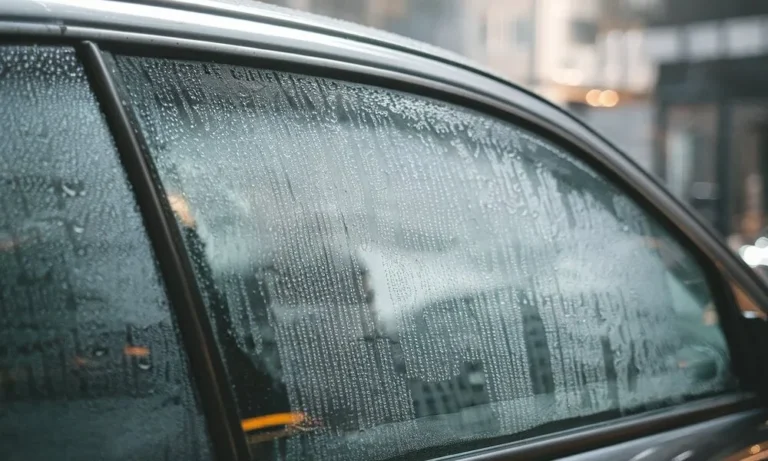
Window fog is caused by condensation. When warm, moist air comes into contact with a cooler glass surface, water vapor turns into tiny droplets of water.
This is the most common reason drivers experience condensation windshield inside issues during colder months.
Warm Air vs. Cold Glass Explained
Imagine taking a cold drink outside on a hot day. Water droplets form on the outside of the glass because warm air touches a cold surface.
The same thing happens inside your vehicle. Warm cabin air meets a cold windshield, causing moisture to collect on the glass.
This is why an inside windshield foggy condition is especially common during winter mornings.
Common Causes of Window Fogging
Excess Moisture Inside the Vehicle
Passengers constantly release moisture into the air through breathing.
Wet Floor Mats and Clothing
Rain-soaked shoes, jackets, umbrellas, and floor mats increase humidity levels inside the vehicle.
Dirty Windows
A dirty windshield provides more surfaces for condensation to cling to.
Poor Ventilation
Restricted airflow allows moisture to accumulate inside the cabin.
Faulty Cabin Air Filter
A clogged cabin air filter limits airflow and reduces the HVAC system’s ability to remove moisture effectively.
8 Effective Ways to Prevent Car Windows From Fogging Up
Preventing fog is easier than constantly removing it.
Keep Your Windshield and Windows Clean
A clean windshield is less likely to collect moisture. Regular cleaning removes oils and residue that contribute to fog buildup.
Use Anti-Fog Sprays or Wipes
An anti fog windshield treatment creates a protective barrier that helps reduce condensation.
Many drivers find these products useful during rainy seasons and winter weather.
Remove Excess Moisture From the Cabin
Inspect your vehicle regularly for wet floor mats, damp carpets, or standing water.
Reducing interior moisture is one of the best ways to learn how to stop car from fogging up effectively.
Replace a Dirty Cabin Air Filter
A clean cabin air filter improves airflow and helps your climate control system remove moisture efficiently.
Avoid Leaving Wet Items Inside
Wet clothing, gym bags, sports equipment, and umbrellas continuously release moisture into the cabin.
Use Moisture Absorbers
Silica gel packs and moisture-absorbing products can help lower humidity levels inside parked vehicles.
Run the Air Conditioner Regularly
Even in winter, running the A/C occasionally removes moisture from cabin air.
Maintain Proper Ventilation
Good ventilation remains one of the most effective ways to prevent foggy car windows throughout the year.
At Texas Reliable Auto Glass, we often recommend combining proper ventilation with routine windshield inspections to ensure drivers maintain maximum visibility.
How to Defog Car Windows Fast While Driving
When your visibility suddenly decreases, acting quickly is important.
Best Climate Control Settings
Turn on the defroster, set the temperature to warm, and activate the air conditioner.
This combination removes moisture while warming the glass.
When to Use Fresh Air Mode
Fresh air mode introduces drier outside air into the cabin.
This can significantly reduce condensation windshield inside problems.
Why Recirculation Mode Can Make Fog Worse
Recirculation mode traps humid air inside the vehicle.
Although it improves heating and cooling efficiency, it can make foggy car windows worse during damp conditions.
Mistakes Drivers Should Avoid
- Wiping the windshield with your hand
- Ignoring wet floor mats
- Running recirculation mode continuously
- Neglecting cabin air filter maintenance
- Using heat without proper airflow
How to Stop Car Windows From Fogging Up in Rain
Rainy weather often creates ideal conditions for window fogging.
Adjust Climate Control Properly
Use the defroster and air conditioner together whenever possible.
Turn Off Recirculation Mode
Fresh outside air helps reduce humidity levels.
Keep the Cabin Dry
Remove standing water and dry wet floor mats regularly.
Improve Airflow and Ventilation
Maintaining consistent airflow reduces moisture accumulation.
Use Anti-Fog Treatments
Applying an anti fog windshield product before rainy weather can help keep your windows clearer for longer periods.
How to Stop Windshield Fogging During Winter
Winter conditions create some of the most challenging visibility issues for drivers.
Preheat the Vehicle Properly
Allow your vehicle to warm up gradually before driving.
Use Front and Rear Defrosters
Defrosters are designed to remove moisture efficiently and should be used whenever visibility decreases.
Remove Snow and Ice Around Air Intakes
Blocked air intakes reduce airflow and can contribute to fogging problems.
Reduce Interior Humidity
Keeping the cabin dry remains one of the best ways to learn how to stop car windows from fogging up during winter.
You should read about How To Repair Window Tint Bubbles.
Why Do My Car Windows Keep Fogging Up?
If fogging happens constantly, there may be an underlying issue.
Cabin Air Filter Problems
A clogged filter restricts airflow and allows humidity to build up.
Water Leaks Around Doors or Windows
Damaged weather stripping can allow moisture to enter the vehicle.
HVAC System Issues
Problems with the heating or ventilation system may prevent proper moisture removal.
Excess Interior Moisture
Persistent moisture often indicates a leak that should be inspected.
DIY Anti-Fog Solutions for Car Windows
Several simple solutions may help reduce fogging.
Anti-Fog Spray
Commercial anti-fog products are specifically designed to prevent condensation.
Silica Gel Packs
These absorb moisture and can help reduce humidity inside parked vehicles.
Shaving Cream Method
Some drivers apply a thin layer of shaving cream and wipe it clean to create a temporary anti-fog barrier.
Moisture Absorption Solutions
Activated charcoal and other moisture absorbers can help keep humidity levels lower.
Common Myths About Car Window Fogging
Fogging Only Happens in Winter
Fogging can occur year-round whenever moisture and temperature differences exist.
More Heat Clears Fog Faster
Heat alone is not always effective. Removing humidity is equally important.
Recirculation Mode Is Always Better
In many situations, recirculation increases humidity and worsens fogging.
Foggy Windows Mean Something Is Broken
Most cases are caused by normal condensation, although recurring problems may indicate underlying issues.
When Foggy Windows Indicate a Bigger Auto Glass Problem
Sometimes recurring fogging is related to auto glass damage rather than simple humidity.
Damaged Windshield Seals
Worn windshield seals can allow moisture to enter the vehicle.
Window Seal Leaks
Leaking seals around side windows often contribute to excess interior humidity.
Persistent Interior Moisture
If carpets remain damp or windows constantly fog, a professional inspection may be necessary.
Visibility Issues Caused by Damaged Auto Glass
Cracks, chips, and deteriorating glass can affect visibility and safety.
If you notice ongoing visibility issues or damaged glass, professional inspection and repair may be needed. Drivers searching for Windshield Replacement Austin TX services should address these issues promptly before they worsen.
Final Thoughts
Knowing How Do You Stop Car Windows From Fogging Up can make driving safer and more comfortable throughout the year. Most fogging problems are caused by excess moisture, poor ventilation, or temperature differences between the cabin and the glass. Simple steps such as using the defroster correctly, maintaining airflow, keeping windows clean, and applying an anti fog windshield treatment can significantly reduce fog buildup.
However, if your windshield is foggy repeatedly despite following these recommendations, the problem may be related to damaged seals, water leaks, or aging auto glass. The team at Texas Reliable Auto Glass can help identify the source of the issue and recommend the right repair or replacement solution. Contact us today for professional auto glass assistance and expert guidance to keep your vehicle safe and visibility clear in all driving conditions.
Frequently Asked Questions
Why do car windows fog up when it rains?
Rain increases humidity levels both inside and outside the vehicle. When moist air contacts cooler glass surfaces, condensation forms quickly.
Does the A/C help stop window fogging?
Yes. Air conditioning removes moisture from the air, making it one of the most effective tools for reducing fog.
What is the fastest way to defog a windshield?
Use the defroster with the air conditioner while allowing fresh outside air into the cabin. This combination removes moisture and warms the glass.
Can a dirty windshield cause fog buildup?
Yes. Dirt, oils, and residue make it easier for moisture to collect on glass surfaces and can worsen an inside windshield foggy condition.
Is window fogging dangerous while driving?
Yes. Reduced visibility can make it harder to see traffic, pedestrians, and road hazards, increasing the risk of accidents.