
Clean car windows help you see the road, traffic signs, and other vehicles more clearly. However, fingerprints, dust, oily film, and water spots can make glass look cloudy. Even after washing your car, the windows may still show streaks when sunlight hits them. The problem often comes from dirty clothes, too much cleaner, or cleaning glass while it is hot.
Learning How To Clean Car Windows Without Streaks starts with three simple things: a suitable glass cleaner, clean microfiber cloths, and the right wiping method. This guide explains how to clean inside and outside glass, protect tinted windows, remove stubborn marks, and keep your car windows clear between washes.
What You Need for Streak-Free Car Windows
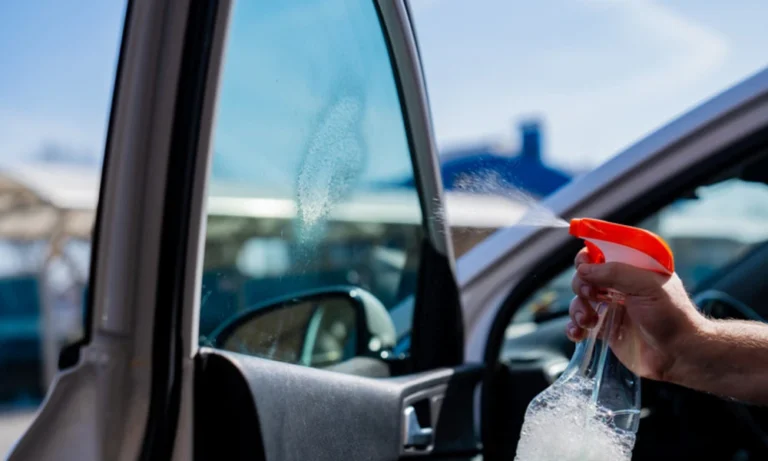
You do not need expensive tools to clean your windows properly. A few basic supplies can remove most dirt, grease, and fingerprints without leaving a cloudy finish.
1. Automotive Glass Cleaner
Choose a cleaner made for automotive glass. It should remove road film, fingerprints, and oily residue without leaving a heavy coating. If your car has tinted windows, check that the cleaner is safe for the installed film.
Avoid using random household products without checking their labels. Some cleaners contain ingredients that may harm window film, rubber seals, or nearby trim.
2. Clean Microfiber Cloths
Microfiber cloths are soft and help lift dirt without leaving much lint. Keep at least two clothes for each cleaning session. Use one to remove dirt and cleaner, then another to dry and buff the glass.
Do not use clothes that have been washed with fabric softener. Softener can leave a film that transfers onto your windows.
3. Distilled Water
Distilled water contains fewer minerals than ordinary tap water. It can help prevent mineral spots when rinsing or mixing a cleaner that allows dilution.
4. Soft Detailing Brush
A small, soft brush helps remove dust from window edges, rubber seals, and tight corners. Removing loose dirt first also reduces the chance of dragging grit across the glass.
5. A Small Towel
Place a towel over the dashboard when cleaning the inside windshield. It catches drips and protects nearby surfaces from cleaner.
How to Clean Car Windows Without Streaks, Step by Step
The secret to clean glass is to remove dirt first, use a small amount of cleaner, and dry the surface properly. Follow these steps for your windshield, side windows, and rear glass.
Step 1: Park in the Shade
Park your car in a garage or shaded area before you start. Hot glass can make the cleaner dry too quickly, leaving streaks and spots behind.
If the car has been sitting in direct sunlight, let the windows cool before cleaning. Avoid pouring cold water onto very hot glass because sudden temperature changes can stress the surface.
Step 2: Remove Loose Dust and Dirt
Use a clean, dry microfiber cloth to remove loose dust from the glass. Pay attention to the corners and edges, where dirt often collects.
If the outside glass has heavy road grime, rinse it with clean water first. Do not press hard when wiping gritty glass because trapped particles can cause fine scratches.
Step 3: Apply the Cleaner
Follow the cleaner’s label directions and use only a light amount. For the inside windshield, spray the product onto your cloth rather than directly onto the glass.
This helps prevent cleaner from dripping onto the dashboard, screens, and nearby trim. Too much product can also leave a cloudy film that takes extra work to remove.
Step 4: Clean One Section at a Time
Work on one window at a time instead of spraying the whole car. Use straight, overlapping strokes to cover the surface evenly.
Turn the cloth to a clean section as it collects dirt. If you keep wiping with a dirty cloth, you may spread grease and dust back across the glass.
Step 5: Remove Stubborn Marks Carefully
Bug marks, bird droppings, and dried water spots may need extra attention. Let an appropriate cleaner loosen the residue before wiping again.
Never use a knife, key, rough sponge, or other sharp object to scrape the glass. These tools can scratch the surface or damage nearby window film.
Step 6: Buff With a Dry Cloth
Take a second, dry microfiber cloth and gently buff the glass. This removes leftover moisture and cleaner residue that can create streaks.
Replace the cloth if it becomes damp or dirty. A wet cloth may spread residue instead of removing it.
Step 7: Clean Both Sides of the Glass
The outside of your windows collects road grime, dust, rain spots, and insect marks. The inside gathers fingerprints, smoke residue, dust, and oily film from materials inside the car.
Clean both sides for the best result. A useful trick is to wipe the outside vertically and the inside horizontally. If a streak remains, the direction can help you identify which side needs another pass.
Step 8: Check the Glass in Natural Light
Look through the windows from different angles after cleaning. Check the windshield from the driver’s seat and inspect the side windows from outside.
If you still see streaks, use a clean, dry cloth to buff the affected area. If the haze remains, clean that section again with fresh supplies. Persistent marks may come from mineral deposits, scratches, or worn glass rather than dirt.
Following these steps makes cleaning car windows streak free easier and helps you avoid repeating the same work.
How to Clean Tinted Car Windows Safely
Tinted windows need gentle care because some films can scratch or become damaged by unsuitable cleaners. Before cleaning, check the care instructions for your tint.
Use these simple precautions:
- Choose a soft microfiber cloth.
- Use a non-abrasive cleaner approved for your window film.
- Avoid rough pads, hard brushes, and sharp tools.
- Do not press too hard while wiping.
- Follow the film maker’s instructions for newly tinted windows.
Some household glass cleaners contain ammonia, which may not be suitable for certain window films. When you are unsure, choose an automotive cleaner labeled safe for tinted glass.
The new tint also needs time to cure. Follow the installer’s instructions before cleaning the film or lowering the windows. The required waiting time depends on the film and installation conditions.
Why Car Windows Still Look Hazy or Streaky
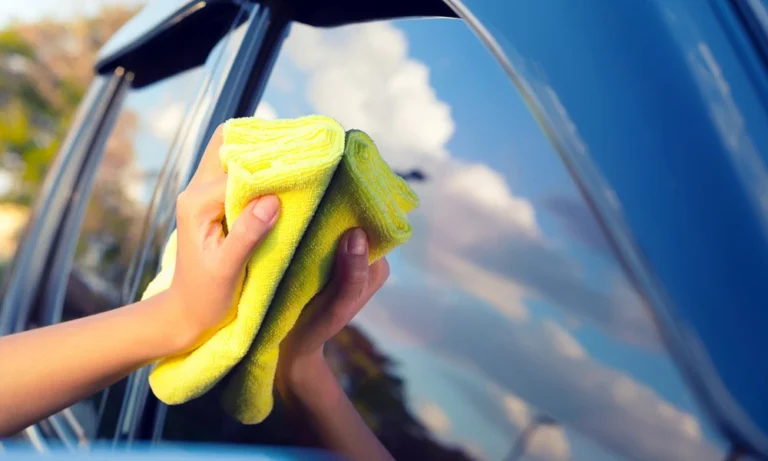
Sometimes, careful wiping is not enough because a film or deposit remains on the glass. Finding the cause helps you choose the right cleaning method.
Too much cleaner: Excess product can dry unevenly and leave cloudy marks. Use a smaller amount and finish with a dry cloth.
Dirty microfiber cloths: Cloths used on tires, paint, or dashboards may contain oil, wax, and dirt. Keep separate clothes for glass.
Hard water spots: Minerals in tap water can remain after water dries. Distilled water may help reduce new spots, but older deposits may need a glass-safe product designed for mineral stains.
Interior residue: Smoke, dust, fingerprints, and oily film can build up on the inside windshield. Clean it with a fresh cloth and an appropriate cleaner.
Wax and polish: Some car care products leave residue near window edges. Use a glass-safe cleaner to remove the film without spreading it.
Scratches or worn glass: Fine scratches and old wiper marks may look like dirt, especially at night. Cleaning cannot repair damaged glass, so arrange an inspection if visibility remains poor.
Car Window Cleaning Mistakes to Avoid
Even good cleaning products can give poor results when used incorrectly. Avoid these common mistakes to get clearer glass with less effort.
- Cleaning in direct sunlight: Heat dries the cleaner too quickly. Work in the shade and let hot glass cool first.
- Using paper towels: Some paper towels leave lint or fibers. Clean microfiber cloths usually give a better finish.
- Using one cloth for every surface: A cloth used on the dashboard may transfer oils onto the glass. Use separate clothes.
- Spraying too much cleaner: Excess product can leave residue. Apply a light amount and wipe it away fully.
- Ignoring the window edges: Dirt collects near rubber seals and corners. Clean these areas gently with a soft brush or cloth.
- Forgetting the rear windshield: Dust and marks can build up around the rear glass. Clean carefully around defroster lines and avoid hard pressure.
- Mixing cleaning products: Different chemicals may react or leave unwanted residue. Use one suitable product at a time and follow its label.
Do not use abrasive pads or metal tools to remove marks. They can scratch glass, damage tint, or harm the surface around the window.
Questions About Streak-Free Car Window Cleaning
Can I use vinegar to clean car windows?
A diluted white vinegar solution may help with some mineral deposits on plain glass. However, it is not suitable for every surface or window film. Use a product approved for automotive glass when you are unsure, and keep homemade solutions away from sensitive trim.
Is newspaper good for cleaning car windows?
Some people use newspapers, but the paper and ink can vary. Newspapers may also leave residue or small fibers. A clean microfiber cloth is a more reliable option for most modern car windows.
Should I clean car windows with hot or cold water?
Use water close to room temperature and let hot glass cool first. Sudden temperature changes can stress glass, especially if it already has a chip or crack.
How often should I clean car windows?
Clean them whenever dust, fingerprints, water spots, or road film begin to affect visibility. Many drivers clean their windows every few weeks, with more frequent cleaning during dusty weather or heavy use.
Keep a Clear View Between Full Car Washes
You can keep streak free car windows for longer by removing dirt before it builds up. Wipe fresh fingerprints and marks with a clean microfiber cloth rather than rubbing them with your hands.
Keep a glass-only cloth in a clean bag inside your car. This gives you a useful option for light dust and fingerprints between washes. Do not use it if it becomes gritty or oily.
Check your windshield washer fluid and wiper blades regularly. Worn blades can leave lines, smear dirt, or fail to clear rain evenly. Replace blades when the rubber cracks, skips, or leaves persistent marks.
Avoid spraying dashboard products near the windshield unless the label says they are safe for that use. These products can spread onto the glass and create a greasy film.
Conclusion
Learning How To Clean Car Windows Without Streaks comes down to using a suitable cleaner, working in the shade, and drying the glass with a clean microfiber cloth. Clean both sides, remove dirt before wiping, and check the result from different angles. These habits help reduce streaks and keep your view clear while driving.
If your windshield or side window has a chip, crack, or damage that affects visibility, cleaning alone will not solve the problem. Texas Reliable Auto Glass can help you understand your options for damaged auto glass. Visit the Car Window Repair in Austin service page to learn more about getting damaged glass checked and repaired.

Frequently Asked Questions
What is the best way to clean car windows without streaks?
Use an automotive glass cleaner and two clean microfiber cloths. Work in the shade, wipe one section at a time, and finish with a second dry cloth.
Why do my car windows streak after cleaning?
Streaks often come from excess cleaner, dirty clothes, direct sunlight, or leftover grease. Use less product and buff the glass with a clean, dry microfiber cloth.
Can I use household glass cleaner on car windows?
Check the product label and your vehicle’s tint instructions before using it. Some household cleaners may not suit certain window films or nearby surfaces. An automotive glass cleaner is a good starting point.
How do I clean the inside of my windshield?
Apply glass cleaner to a microfiber cloth rather than spraying it directly onto the windshield. Wipe in overlapping strokes, then buff with a second dry cloth. This also helps protect the dashboard from cleaner drips.
How can I clean tinted car windows without damage?
Use a soft cloth and a non-abrasive cleaner approved for your tint. Avoid rough tools and follow the film maker’s care instructions, especially during the curing period after installation.
Can dirty wiper blades cause streaks?
Yes. Dirt and worn rubber can leave lines or smears across the windshield. Clean the blades according to your vehicle’s care instructions and replace them if they remain damaged or fail to clear water properly.