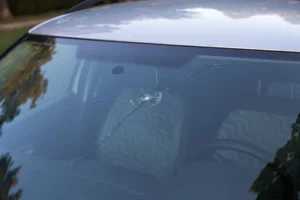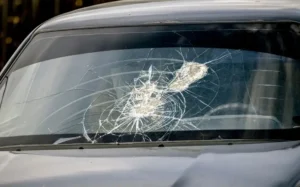

A windshield crack never stays small. Heat, cold, road bumps, and pressure all push it to grow. If ignored, a small crack in windshield glass can turn into a full replacement fast. The good news is that quick action can slow or stop the damage before it spreads across the glass.
How to Stop a Windshield Crack from Growing starts with acting early, keeping stress off the glass, and knowing when repair is no longer safe. In this guide, you will learn clear steps, real examples, and expert-backed advice to protect your windshield and your safety.
Is It Dangerous to Drive with a Cracked Windshield?
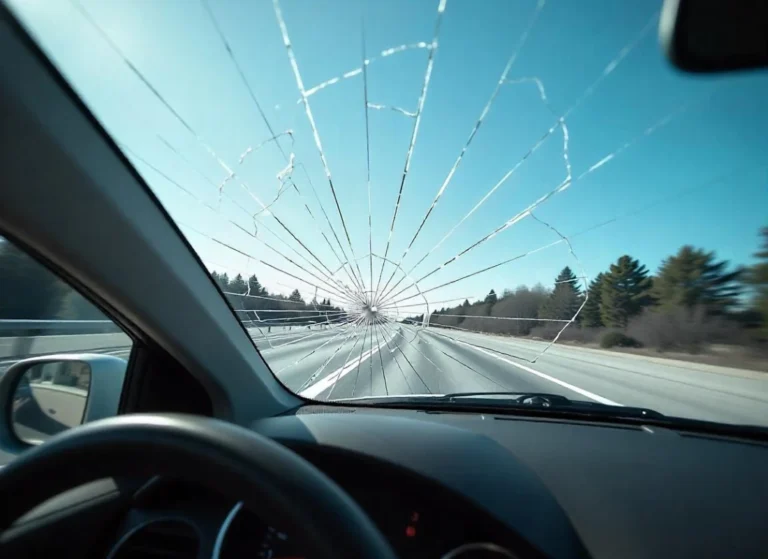
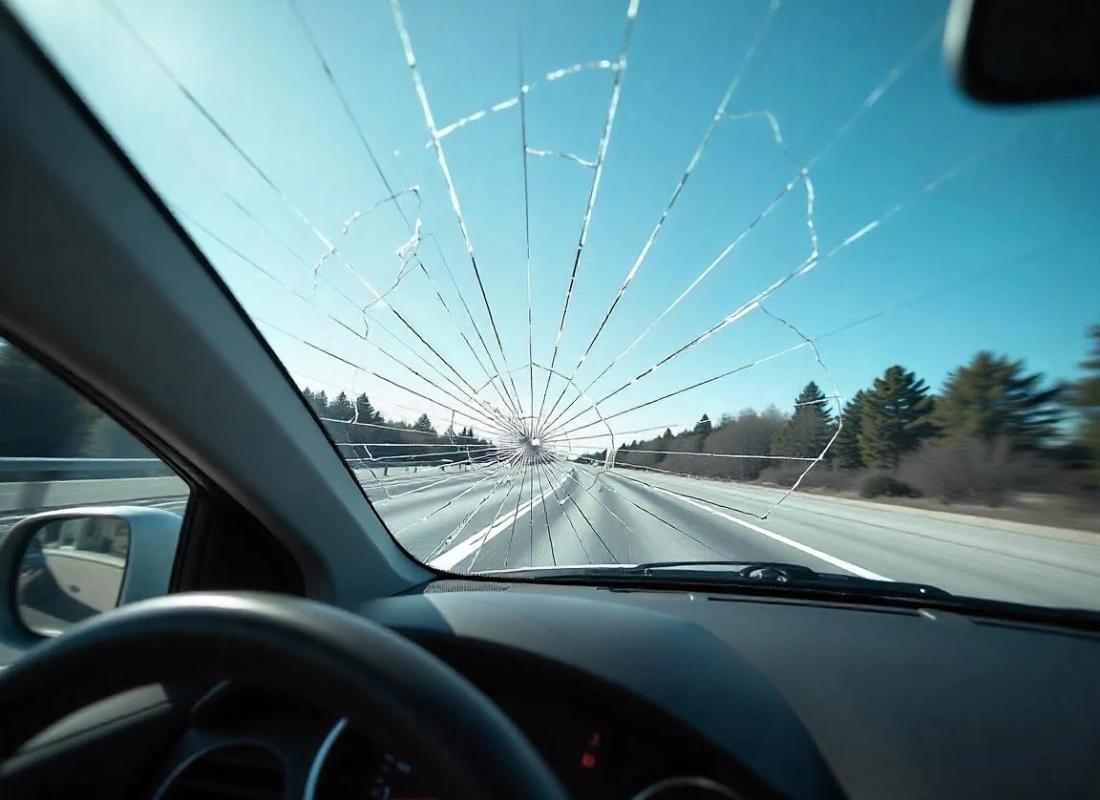
Yes, driving with a cracked windshield puts you at risk. Your windshield isn’t just glass. It’s a safety feature that keeps your car’s structure strong during accidents.
A cracked windshield loses up to 50% of its strength. This means less protection during rollovers. The glass can’t support the roof properly. In a crash, the windshield helps your airbag deploy correctly. When it’s cracked, the airbag might not work right.
Cracks also block your view. A small crack catches light and creates glare. This makes it hard to see at night or when the sun hits it. Police can ticket you for driving with an obstructed view in most states.
Water seeps into cracks and freezes. This makes the crack spread faster. Within days, a small crack can stretch across your whole windshield.
The legal side matters too. Many states have laws about windshield damage. If your crack is in the driver’s direct line of sight, you can get pulled over. The fine varies, but you’ll still need to fix the windshield anyway.
You May Also Read: Tesla Model 3 Windshield Replacement
Why It’s Crucial to Stop Cracked Windshields from Getting Worse
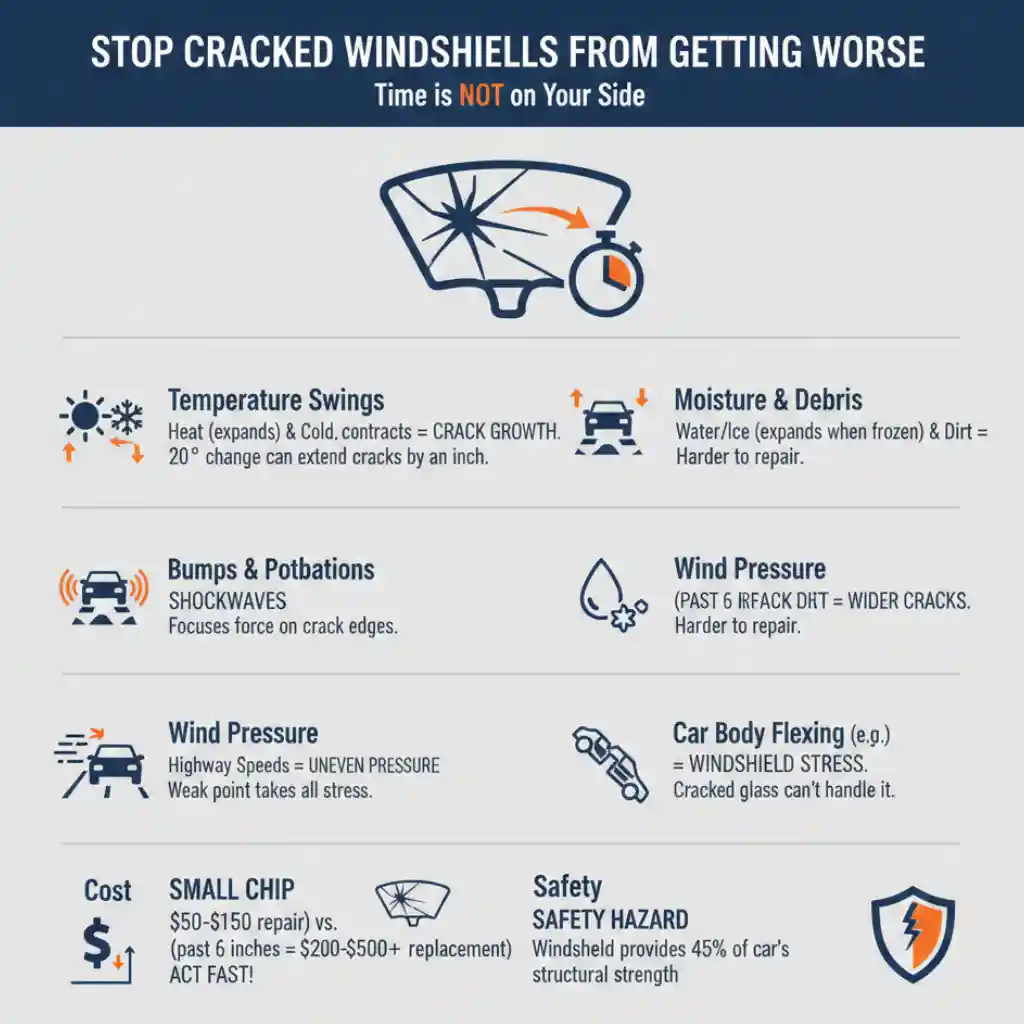
Time is your biggest enemy when dealing with windshield cracks. Every hour you wait, the damage spreads. Understanding why this happens helps you act fast.
Temperature swings stress the glass. When you park in the sun, the glass heats up and expands. At night, it cools and contracts. This constant movement makes cracks grow longer. Even a 20-degree temperature change can extend a crack by an inch.
Road vibrations work against you. Each bump and pothole sends shock waves through your windshield. These vibrations concentrate force at the crack’s edges. The crack acts like a weak point that absorbs all this energy.
Moisture gets into cracks and creates problems. Rain, car washes, or even morning dew seeps into the damage. This water freezes in cold weather and expands. The ice pushes the crack wider. Dirt and debris also fill the crack, making professional repair harder.
Wind pressure builds up while driving. At highway speeds, air pushes against your windshield with serious force. A cracked windshield can’t distribute this pressure evenly. The weak spot takes all the stress and grows.
Your car’s frame flexes as you drive. Going over railroad tracks or hitting potholes twists the car’s body slightly. This flex transfers to the windshield. A healthy windshield handles this movement fine. A cracked one doesn’t.
The cost increases as the crack grows. A small chip costs $50 to $150 to repair. Most insurance covers this with no deductible. But once the crack reaches past 6 inches, you need a full replacement. That runs $200 to $500 or more.
Safety drops as the damage spreads. The windshield provides 45% of your car’s structural strength in a front-end collision. A spreading crack weakens this protection every day.
Can a Windshield Crack Be Stopped from Spreading?
Yes, you can stop a cracked windshield from spreading if you act quickly. The key is understanding what you’re dealing with and taking the right steps immediately.
Small cracks under 6 inches respond well to quick action. These are the ones you can manage before they become major problems. Anything larger needs professional help right away.
The type of crack matters. A single line crack has a better chance of being stopped than a spiderweb pattern. Star cracks spread faster because they have multiple weak points. Bullseye cracks (circular impacts) are often the easiest to contain.
Location determines your success rate. Cracks at the edge of your windshield spread faster than ones in the middle. Edge cracks connect to the frame and can’t expand as freely, but they compromise structural integrity more.
Temperature control is your first defense. Extreme heat or cold accelerates spreading. If you can keep your car in moderate temperatures, you buy yourself time. Park in a garage when possible. Use sunshades in hot weather.
The crack’s age plays a role. Fresh cracks (less than 24 hours old) are easier to stop. Old cracks collect dirt and moisture. This contamination makes them harder to repair later. Fresh damage has clean edges that bond better.
Your driving habits affect the outcome. Gentle driving reduces stress on the windshield. Avoid slamming doors. Take speed bumps slowly. Skip the car wash until the crack is fixed.
Professional repair works best for permanent solutions. DIY methods buy you time but aren’t long-term fixes. A professional injects resin that bonds the glass back together. This restores about 80% of the windshield’s strength.
7 Steps to how to stop a windshield crack from growing
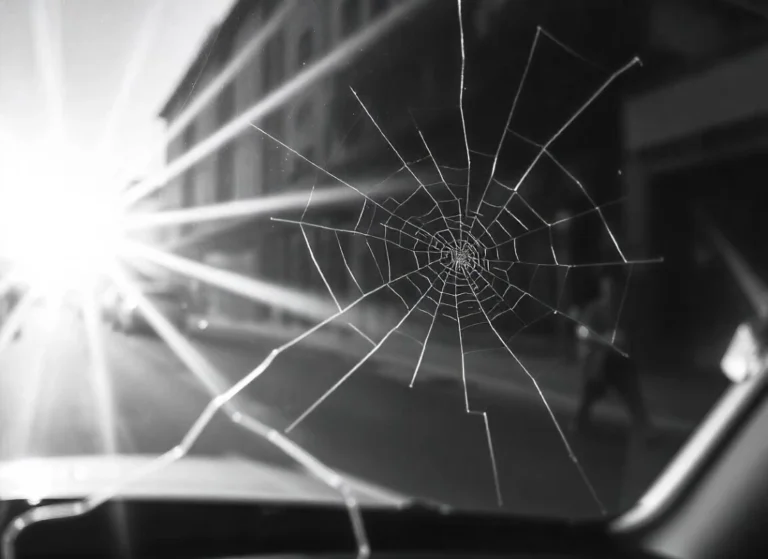
Taking immediate action prevents a small crack from turning into an expensive replacement. Follow these steps in order for the best results.
Step 1: Clean the Damaged Area Immediately
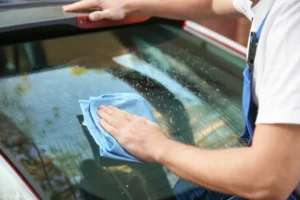
Start by removing all dirt and debris from the crack. Use a dry microfiber cloth to wipe the area gently. Don’t press hard or you might make the crack worse.
For stubborn dirt, use a small amount of glass cleaner. Spray it on the cloth, not directly on the crack. Water can seep into the damage and freeze later. Keep the inside and outside of the windshield clean around the crack.
Let the area dry completely before moving to the next step. Moisture trapped in the crack will prevent any sealant from working properly. Give it at least 15 minutes in dry conditions.
Step 2: Apply Clear Nail Polish or Super Glue
This is your emergency fix to stop windshield crack from spreading. Clear nail polish works as a temporary sealant. Apply a thin layer directly over the crack.
Super glue works even better. It creates a stronger seal. Use a tiny amount or it will run down your windshield.
Apply the sealant to both sides of the windshield if possible. Let it dry for at least 30 minutes before driving. This fix is temporary and buys you a few days to get professional help.
Step 3: Use Clear Packing Tape as a Shield
Clear packing tape adds extra protection. Cut a piece slightly larger than the crack. Press it firmly over the damaged area with no air bubbles.
The tape keeps dirt out and reduces wind pressure. Apply tape to the outside only. Change it every few days if needed.
This method works best combined with nail polish or super glue. The sealant fills the crack while the tape protects it.
Step 4: Avoid Extreme Temperature Changes
Temperature swings are a crack’s worst enemy. Don’t use your defroster on high heat. The sudden warmth makes the glass expand quickly.
In hot weather, don’t blast the air conditioning right after parking in the sun. Let your car cool down gradually. Park in the shade. Use a windshield sunshade.
During winter, avoid pouring hot water on your windshield to melt ice. Use an ice scraper or lukewarm water instead. Keep your car in a garage when possible for stable temperatures.
Step 5: Drive Carefully and Reduce Vibrations
Every bump transfers force to your windshield. Drive slowly over potholes and speed bumps. Avoid slamming your car doors. The pressure change stresses the windshield.
Take it easy on rough roads. Gravel roads and construction zones shake your car more. Drive as slowly as safety allows on these surfaces.
Step 6: Skip the Car Wash
Automatic car washes use high-pressure water and strong chemicals. The pressure can force water into your crack. The brushes and rollers also put stress on your windshield.
Wash your car by hand if you must clean it. Use a gentle stream of water. Avoid spraying directly at the crack. Wait until after the repair to use a car wash.
Step 7: Get Professional Repair Within 48 Hours
DIY fixes are temporary solutions. Schedule a professional repair as soon as possible. Most glass shops can fix a crack the same day you call.
Professional repairs use special resin that fills the crack completely. The repair takes about 30 minutes. It costs much less than replacement. Most insurance companies cover windshield repair with no deductible.
Don’t wait more than 48 hours to get professional help. After two days, dirt and moisture contaminate the crack. You might need a full replacement instead.
What Not to Do When You Have a Cracked Windshield
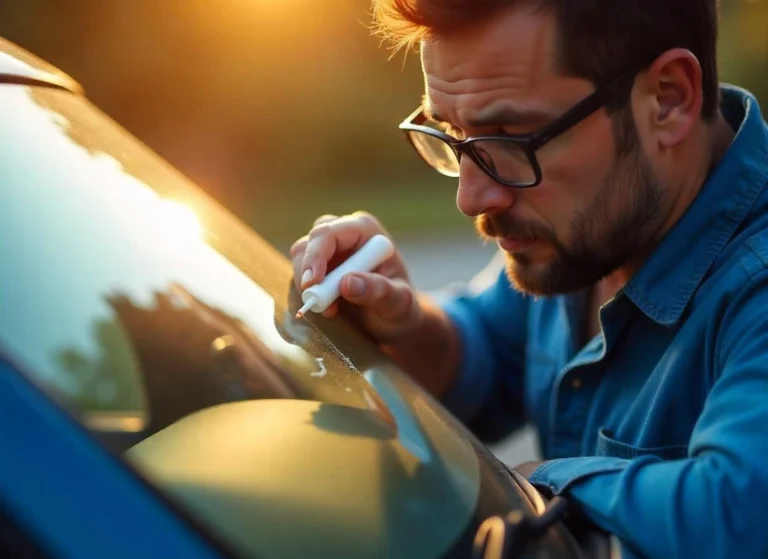
Avoiding these mistakes is just as important as taking the right actions. Many people accidentally make their cracks worse.
Don’t use hot water to defrost your windshield. The temperature shock can turn a small crack into a shattered windshield in seconds. Use your car’s defroster on low heat or scrape ice manually.
Never ignore the crack hoping it will stay small. Cracks don’t stay the same size. They always grow. Every day you wait makes repair harder and more expensive.
Don’t park directly in the sun for long periods. The heat makes the glass expand unevenly. The crack area expands differently than the rest of the windshield.
Avoid using your windshield wipers over the crack if possible. The rubber blade puts pressure on the damaged area. If you must use wipers, go slowly.
Don’t apply dark-colored tape or materials. This blocks your view and can be illegal. Stick with clear tape if you must cover the crack.
Never attempt to drill the ends of a crack to stop it. This old trick doesn’t work on modern windshields. You’ll just make the damage worse.
Don’t drive at high speeds with a cracked windshield. Wind pressure at highway speeds stresses the crack. Stick to slower roads until you get it fixed.
Conclusion
A small crack in your windshield won’t stay small. Temperature changes, road vibrations, and normal driving all work to make it worse. The steps in this guide help you stop the damage temporarily, but professional repair is your best solution.
Clean the crack immediately and seal it with clear nail polish or super glue. Protect it with clear tape and avoid extreme temperatures. Drive carefully and get professional help within 48 hours. These actions save you money and keep you safe on the road.
Don’t wait until the crack spreads across your entire windshield. Take action today and protect your investment. If you need expert help, Texas Reliable Auto Glass offers fast, professional repairs. For complete windshield damage beyond repair, our Windshield Replacement in Austin TX service gets you back on the road safely.
Remember, can you stop a windshield crack from spreading? Yes, but only if you act now. The longer you wait, the harder and more expensive the fix becomes.

FAQs
You can drive with a small crack for a few days if you take precautions. But get it fixed within 48 hours. After that, the crack spreads and becomes harder to repair.
Most comprehensive auto insurance policies cover windshield repairs with no deductible. Full replacements might require you to pay your deductible. Many insurers prefer paying for a repair now rather than a replacement later.
Small cracks cost $50 to $150 to repair. Replacements cost $200 to $500 or more. Repairing a crack early saves you money.
No, super glue is a temporary fix only. Professional repair uses special resin that bonds better and lasts longer.
Driving with a cracked windshield increases the risk of the crack spreading due to vibrations, road impacts, or sudden temperature changes. A growing crack can weaken the structural integrity of the windshield, putting your safety at risk.