 Skip to content

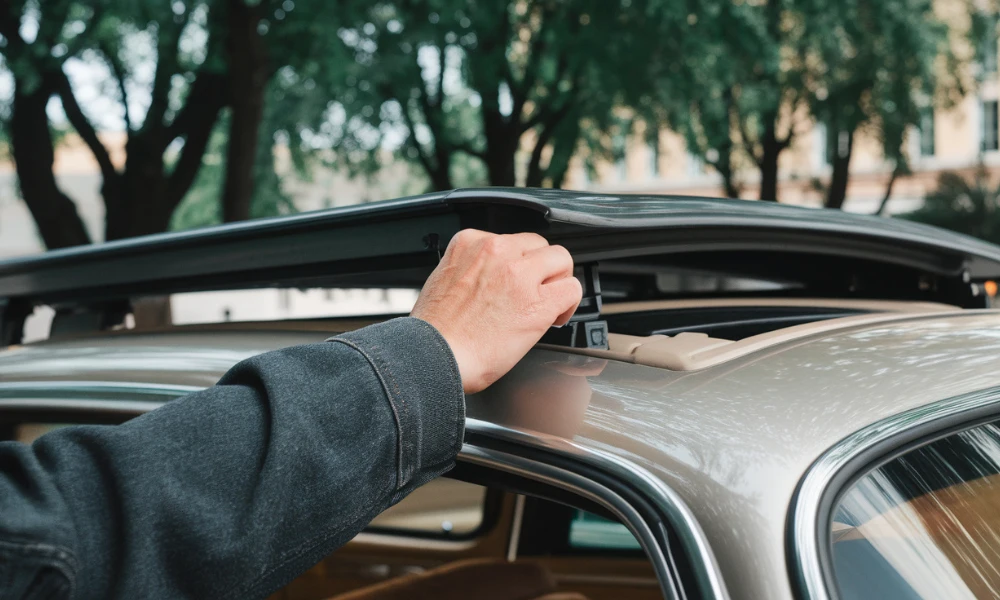
How To Close A Sunroof Manually: Quick Step-by-Step Guide
A sunroof thats stuck open can become a major headache quickly especially if rain is on the way and pressing the button isn’t getting anywhere. If your sunroof is stuck open, and you need to close it for protection against the elements or to avoid having to pay for emergency repairs, you should know how to manually close a sunroof. In fact, most cars come equipped with a manual override. Knowing how to use this feature is something all drivers need to know. It will tell you exactly how to close a sunroof manually, inform you of the various reasons why sunroofs have problems, and alarm when you should seek professional assistance. Why a Sunroof Won’t Close Before going toward the repair, it is good to understand why your sunroof switch isn’t working. These are the most common reasons for failure. Blown Fuse Sunroofs are powered by electricity. However, if the fuse pops, the switch will become non responsive no noise, no motion. Typically this is a simple solution. Locate the sunroof fuse in your fuse box with the help of your owner’s manual. Swap it for a fuse with the same amp rating. Many sunroof problems end right here. Failed Sunroof Motor With use, the glass sliding motor may become damaged. You may hear clicks or nothing at all. Heat also accelerates motor failure, particularly in hot environments. If the switch goes dead, you won’t be able to use it, but you will still be able to close the sunroof manually. Dirty or Jammed Tracks Leaves, dust and other debris can accumulate in sunroof tracks and wear on your sunroof matrix. When it senses resistance, safety sensors stop the Sunroof operation, which really makes it appear as though the Sunroof is faulty or in need of repair. Broken Cables Sunroofs have cables that guide the glass. When a cable breaks, one side can move and the other can’t, making the glass to tilt or get stuck halfway. There’s nothing you can do by pushing the switch when that occurs. You’ll have to close the sunroof by hand and fix the cable later. You may read: 2000 Land Cruiser Sunroof Seal Replacement. How To Close A Sunroof Manually (Step-by-Step) As you look for sunroof switch not working, really do these steps to lock down your vehicle. Step 1: Gather Your Tools Supplies needed: Use a 4mm or 5mm Allen wrench (hex key) A small flathead screwdriver (optional) A cloth or rag The hex wrench is included in Allen wrenches for many models. Step 2: Locate the Manual Override Look up at the ceiling – near the dome light or sunroof controls. There is usually a small plastic cover concealing the sunroof motor. With your fingers or a screwdriver, carefully lift it up. Be patient you dont want to break any plastic clips.. Step 3: Insert the Allen Wrench When the panel has been taken off, you can then locate the hexagonal hole in the motor. Institute the full Allen wrench. take action snugly. What should I do if the card is loose? Use another size if it’s too loose. and it’s the step you need if you’re wondering how to close the sunroof without the switch. Step 4: Turn to Close Turn the wrench clockwise in most vehicles. This action to the sunroof motor is done manually. Expect resistance its firm. You may have to turn 20–50 times. Turn slowly and steadily. If it backwards and stops or feels caught, stop and feel for debris. Step 5: Check the Seal Once you have closed the press door pull the sunroof down from the outside to check the fit of the seal. It should rest flush with the roof, and no air should be able to get under the sunroof glass. If one side is a bit off, put a little downward pressure on it and turn the wrench a few more times. How to Fix a Sunroof That Won’t Close All the Way The sunroof closes just about all the way but there is a small gap at the end sometimes. Here’s what to try next. Clean the Safety Sensors Dirt on the rubber seals can give the system the illusion that the sunroof is blocked. Run a wet rag around the whole hole. Reset the Sunroof System Solar Sunroof System Turn your ignition to the “on” without starting your engine. Wait for 10–15 seconds after pressing the close button. There are clicking sounds and you may see slight movement or not. This will reset the position memory, and it’s fixed the calibration problem for me a couple of times. Lubricate the Tracks Dry tracks result in more resistance. Leave these two on top of your list. Use a silicone spray lubricant not WD-40 or oil. Spray lightly into the tracks and then wipe off any excess. Common Mistakes to Avoid Don’t make it worse. Here’s what not to do. Don’t Force the Glass You’re frustrated—I get it. But don’t push the glass with your hands. Glass is strong. Rails aren’t. Push too hard, you bend them. Then it won’t close right even after fixing the original problem. Use only the crank. Let tools do the work. Don’t Skip the Fuse Check People tear ceiling panels apart without checking fuses first. Blown fuse: 30 seconds to find, one minute to fix. Manual override: ten minutes and trim removal. Check easy stuff first. Owner’s manual has the fuse diagram. Don’t Use Wrong Lubricants Motor oil and petroleum products destroy rubber seals. Those seals keep water out. Only silicone lubricant or white lithium grease. Made for automotive rubber and plastic. Customer used WD-40 once. Three months later, weatherstripping cracked and leaked. Cost way more to replace than proper lubricant. When to Seek Professional Help I’m all for DIY. But sometimes you need help. Manual override won’t move the glass at all? Something’s jammed bad—bent tracks, broken motor assembly. Forcing it risks breaking the glass. Grinding metal sounds? Stripped gears or scraping rails. Needs proper diagnosis. Water leaks around closed sunroof? Seal damage or misalignment. Professionals have alignment tools. Austin area? Texas Reliable Auto Glass handles these daily. Motors, tracks, seals—all makes and models. We offer Sunroof Repair in Austin with same-day service. Mobile service—we come to you. No need to arrange
How To Close A Sunroof Manually: Quick Step-by-Step Guide Read More »
