

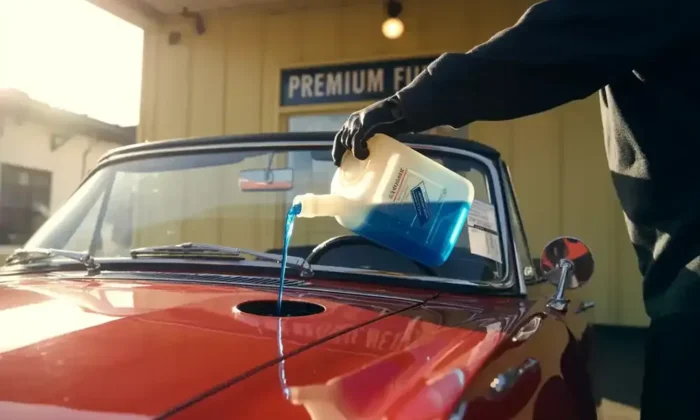
Will Windshield Wiper Fluid Hurt a Radiator? Find Out
Every driver has had that moment when they’re multitasking, distracted, or otherwise not quite focused on the road ahead. Before you know it, you’ve put windshield washer fluid in the gas tank. So an important question is: Will windshield wiper fluid hurt a radiator? Yes, the short answer is yes, it can, and the damage can get out of hand if you let it. Windshield washer fluid is made from methanol, detergents, dyes, and other ingredients that are fantastic for cleaning glass but can cause problems if they get into a vehicle’s cooling system. When contaminants pass through the radiator, they can corrode metals, degrade seals, and impede the flow of coolant . Whether you were researching what happens in this hearing or accidentally said, I put windshield wiper fluid in the coolant this guide will tell you everything you need to know — including how long the damage takes, how to repair it, and how to keep it from causing bigger engine problems. Why Windshield Washer Fluid Doesn’t Belong in a Radiator Windshield washer fluid is meant to clean the glass. Coolant is formulated to control extreme engine heat. These two products are NOT interchangeable in any way. Washer Fluid Chemistry Destroys Radiator Parts Washer fluid has such ingredients as: Methanol – Very corrosive to rubber and metal when heated Detergents – produce foam & scarify that sticky film Water + dye – doesn’t protect against heat These chemicals disrupt the ability of the coolant to regulate temperature when introduced into the cooling system. Heat Alters the Chemistry In a hot engine, methanol starts to vaporise immediately. This leads to: Rapid pressure changes Bubbles in the cooling system Boiling early, because methanol boils at a temperature much lower than that of the coolant These reactions ultimately clog radiator passages and diminish cooling efficiency. Risk of Corrosion and Seal Failure As the washer fluid erodes these parts, it can cause leaks, and overheating is more probable. The short answer is yes — windshield washer fluid can damage a radiator, and the longer it’s left inside the system, the worse the damage gets. You should also read about: Can You Put Water In Windshield Wiper Fluid? What Happens If You Put Windshield Washer Fluid in a Radiator? There are a lot of people who panic and ask, What if I put windshield washer fluid in the radiator by mistake? The result depends on how much fluid was put in and if the engine was running afterward. If Only a Small Amount Was Added A small amount of washer fluid (less than a cup) will likely not cause an immediate emergency. It can still cause: Slight foaming Minor Corrosion Over Time Decreased heat transfer Nevertheless, the radiator should be flushed to avoid long-term damage. If a Single Moderate Amount Was Added One to four cups of washer fluid can cause: Increasing engine temperatures Foamy coolant in the overflow tank Cloudy or off-color coolant Increased system pressure This degree of contamination nearly always calls for a professional coolant flush. If a Large Amount Was Added Adding a quart or more can result in: Overheating Clogging of the radiator Damage to the water pump Coolant is leaking from weakened seals At this point-sized vessel was an unsafe vehicle, maybe undriveable need to drain-and-fill cooling system. This is also when the Drivers begin to ask, How long will windshield washer fluid hurt your radiator? The truth: chemical damage “starts the moment the engine gets hot.” You can also read about: Windshield Wiper Fluid. Signs You Might Have Washer Fluid in the Coolant Even if you’re not definitive, a few signs indicate contamination is present: Sweet but chemical-like smell around the hood Foam or bubbles in the coolant tank Rising temperature gauge Coolant that is milky or viscous Weak or inconsistent heat from cabin vents Occasional steam in the vicinity of the radiator These are to be regarded as warnings to investigate the system prior to having serious engine damage. What to Do Immediately After Adding Washer Fluid to the Radiator Whether or not the engine was running entirely determines your answer. If the Engine Was NOT Running That’s the best-case scenario. From the reservoir, pump, turkey baster, or siphon out all the contaminated fluid. Refill with the proper coolant mix. Keep an eye on engine temps for the next few days. That can stymie most long-term effects. If the Engine Was Running or Being Driven Pollutant is now flowing through the block, radiator, and heater core. You need to: Get a full coolant flush Refill with coolant recommended by the manufacturer Purge the system of any air pockets A flush removes methanol, detergents, foaming agents, and potentially corrosive residues. What To Do If You Poured Washer Fluid Into Coolant Reservoir? So you just realized you dumped washer fluid where it doesn’t belong. First thing—don’t panic. What you need to do next really comes down to one thing: did you start the car or not? If You Haven’t Started the Engine This is actually the best scenario you could hope for. That windshield wiper fluid in radiator reservoir hasn’t gotten pumped through your engine yet. It’s just sitting there in the overflow tank, minding its own business. Grab something like a turkey baster from the kitchen or one of those small hand pumps and just suck it all out. Get as much as you possibly can. Once you’ve emptied that tank, fill it back up with actual coolant—the stuff that’s supposed to be in there. If You Already Drove the Car Okay, this is trickier. Once you’ve run that engine, the fluid’s circulated everywhere—radiator, engine block, heater core, the whole nine yards. You can’t just suck it out anymore. You need to take it to a shop and get a full coolant flush done. The mechanic’s gonna hook up a machine that forces all that contaminated crap out of your system. Then they’ll run clean water through everything to rinse it, and finally refill it with fresh coolant mixed properly. That’s literally the only way to guarantee you got all the soap and alcohol out of there. Don’t skip this step or you’re asking for problems down the road. Can Mixing Washer Fluid and Coolant Cause Permanent Damage? Effects of mixing windshield washer fluid and antifreeze: Premature
Will Windshield Wiper Fluid Hurt a Radiator? Find Out Read More »