 Skip to content

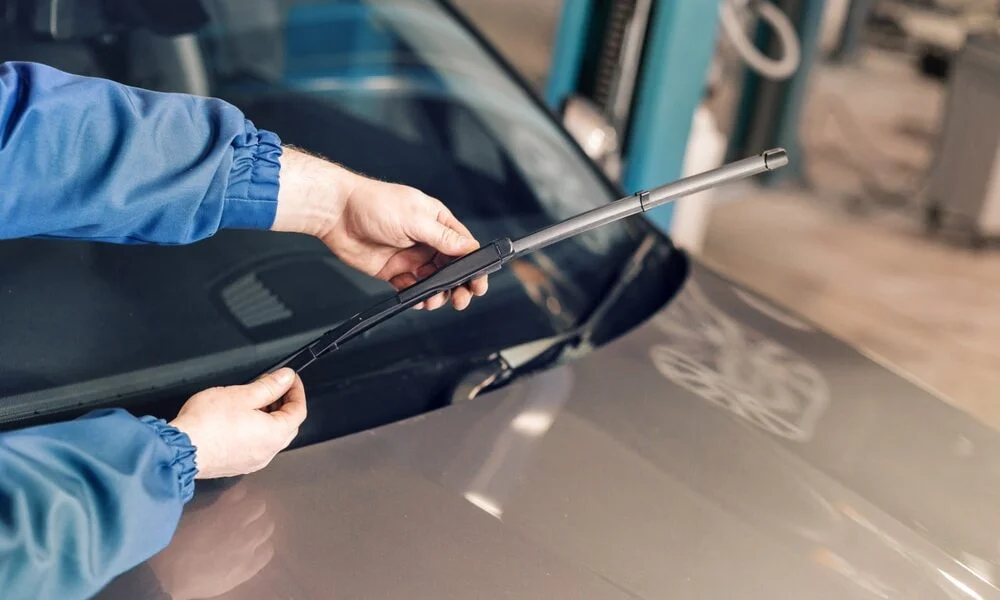
How To Change A Windshield Wiper Arm
How to change a windshield wiper arm is a skill every driver should know, especially when dealing with worn or damaged components. The windshield wiper arm plays a crucial role in maintaining clear visibility during rain, snow, or other adverse weather conditions by holding the wiper blade in place and ensuring it moves effectively across the windscreen. Over time, the windscreen wiper arm can become bent, corroded, or lose tension, making it essential to replace the windshield wiper arm promptly. Driving with a faulty wiper arm can impair your vision, increasing the risk of accidents, particularly in poor weather. In this article, we’ll explain why a functional wiper arm is vital for safety, guide you step-by-step on how to replace a windshield wiper arm, and offer tips to ensure proper installation and maintenance. When Should Windscreen Wiper Arms Be Replaced? The windscreen wipers on your car are crucial for preserving vision in inclement weather, such as rain and snow. While wiper blades are often replaced regularly, the windshield wipers arm replacement is less frequent—but just as important when needed. Signs Your Windshield Wiper Arm Needs Replacement Streaking or Skipping If your wipers are leaving streaks or skipping across the windshield even after installing new blades, the issue might lie with the arm itself. A worn or misaligned arm won’t maintain proper pressure, causing poor contact with the glass. Loose or Broken Arm A broken wiper arm or one that wobbles or fails to move correctly likely needs replacement. A loose connection can prevent the wiper from clearing the windshield effectively or even cause it to stop working entirely. Corrosion or Bending Over time, exposure to the elements can cause the wiper arm to rust or bend. Corrosion can weaken the metal, and a bent arm may not follow the windshield’s contour, leading to inefficient wiping. Wiper Blades vs. Entire Arm: What’s the Difference? Replacing wiper blades involves swapping out just the rubber portion that makes contact with the glass. In contrast, windshield wipers arm replacement is necessary when the metal arm holding the blade fails due to damage, wear, or mechanical issues. If you’re unsure whether it’s the blade or the arm, a quick inspection by a professional can help determine the culprit. Why Timely Replacement Matters Neglecting a broken wiper arm can compromise your visibility and driving safety, especially during bad weather. Replacing the arm promptly ensures consistent pressure, smooth motion, and clear visibility, reducing the risk of accidents. You can read about Windshield Wiper Scratch Repair. What Are the Different Types of Windshield Wiper Arms? When replacing a broken windshield wiper arm, it’s essential to understand the different types of wiper arm designs. Each type connects to the blade in a specific way, affecting compatibility with replacement parts. Common Types of Windshield Wiper Arms Hook-Type This is the most common wiper arm style. It has a curved end that resembles a hook, making it easy to install and secure most standard wiper blades. If you have a broken wiper arm of this type, replacements are typically widely available. Pin-TypeA tiny pin that fits into the blade adapter is used by the pin-type arm. These are often found on older vehicles or European models. Identifying a broken windshield wiper arm with a pin-type connection usually requires checking the pin diameter for proper blade fit. Bayonet-Type Bayonet-style arms have a straight end that slides into the blade and locks in place with a tab. These arms are less common today but still found on some vehicles. Replacing a broken wiper arm of this type may involve a specific blade locking mechanism. Side-LockThe side of the arm that attaches to the blade of a side-lock arm has a locking mechanism. This type is often found on modern vehicles. When dealing with a broken windshield wiper arm, make sure to find a compatible side-lock adapter for the new blade. How to Identify Your Vehicle’s Wiper Arm Type To identify your wiper arm type: Check the owner’s manual. Examine the end of the arm where it attaches to the blade. Search your vehicle’s make, model, and year online for compatibility guides. Recognizing the correct type is crucial—using the wrong blade for your arm type can result in improper installation or performance. Compatibility with Wiper Blades Each arm type is designed to work with specific blade adapters. If you’re replacing a broken wiper arm, ensure the new arm and wiper blades are compatible to maintain optimal windshield cleaning performance. You should also read about Why Does My Windshield Wipers Squeak. How to Change a Windshield Wiper Arm (Step-by-Step Instructions) Replacing a broken wiper arm is a straightforward DIY task that can restore your wipers’ performance and keep your windshield clear. Whether you’re dealing with a damaged unit or upgrading, follow these steps for a successful windshield wipers arm replacement. Step 1: Park and Turn Off the Vehicle Make sure you are parking your car on a level surface. For safety, turn off the ignition and take out the keys. It’s best to perform the replacement in daylight or a well-lit area. The second step is to remove the old wiper arm from the windscreen. Lift the wiper arm up and away from the window with caution. Most arms will stay upright due to spring tension. Be gentle to avoid snapping the spring or scratching the windshield. Step 3: Remove the Retaining Nut or Locking Mechanism Find the mounting location at the wiper arm’s base. You’ll typically find: A retaining nut (commonly hidden under a plastic cap), or A locking clip or button on newer models. Use a socket wrench or screwdriver to loosen the nut or disengage the clip. Step 4: Carefully Detach the Wiper Arm Wiggle the arm gently side-to-side while pulling it away from the pivot. If it’s stuck due to rust or debris, apply a small amount of penetrating oil and wait a few minutes before trying again. This is a common issue with an older or broken wiper arm.
How To Change A Windshield Wiper Arm Read More »
