

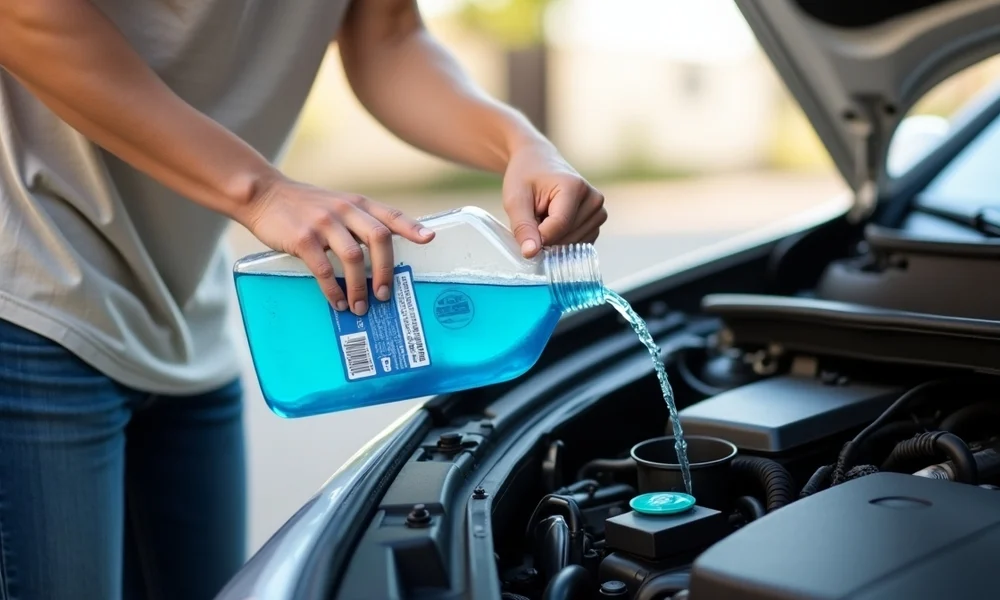
How Do You Unfreeze Windshield Wiper Fluid
How do you unfreeze windshield wiper fluid during the cold winter months? This is a common concern for drivers in colder climates where temperatures often dip below freezing. Freezing windshield wiper fluid can significantly reduce visibility, making driving hazardous. When the fluid freezes, it can block the spray nozzles and damage the washer system, leaving you unable to clean your windshield properly. That’s why it’s essential to unfreeze windshield fluid quickly to restore clear visibility and maintain safe driving conditions. Taking prompt action not only helps with immediate performance but also prevents long-term damage to your vehicle’s windshield wiper system. Does Windshield Wiper Fluid Freeze? Yes, windshield wiper fluid can freeze, especially if it’s not made for cold weather. There are two main types of windshield wiper fluid: summer formulas and winter formulas. Summer vs. Winter Windshield Wiper Fluid Summer windshield fluid is designed to clean dirt, bugs, and road grime, but it doesn’t protect well in cold temperatures. It can freeze easily when the weather drops. Winter windshield wiper fluid has special ingredients (like alcohol) that help it resist freezing. It’s made to work even in very cold weather. Freezing Temperatures Most summer windshield fluids freeze around 32°F (0°C) or a little below. Winter formulas, on the other hand, can stay liquid in much colder conditions—some even down to -20°F (-29°C) or lower. Always check the label to see the temperature range. Why Windshield Wiper Fluid Freezes If your windshield fluid is frozen, it’s usually because of one or more of these reasons: Cheap fluid – Lower-cost fluids often don’t have enough antifreeze in them and are more likely to freeze. Wrong type for the season – Using a summer formula in winter is a common reason for freezing windshield wiper fluid. Cold storage – If your car is parked outside or in an unheated garage, the fluid is more likely to freeze. Mixing fluids – If you mix a little winter fluid with leftover summer fluid, the protection might not be strong enough. What to Do if Windshield Fluid is Frozen If your windshield fluid is frozen, move your vehicle to a warmer place like a garage (if possible) to let it thaw. Don’t use the wipers until the fluid is working again—you could damage the washer pump. To avoid problems, always switch to a winter windshield wiper fluid before cold weather hits. How Do You Unfreeze Windshield Wiper Fluid? If your windshield fluid is frozen, don’t worry—it’s a common issue in cold weather, especially if the wrong type of fluid is used. Here’s how to unfreeze windshield wiper fluid safely and easily. A. Check the Symptoms Before trying to unfreeze windshield fluid, look for these signs: Fluid not spraying when you use the washer The wiper fluid pump sounds abnormal (like it’s straining or buzzing) A warning light for low fluid appears on your dashboard (can be misleading if the fluid is actually frozen, not empty) B. Step-by-Step Process to Unfreeze Follow these simple steps to unfreeze windshield wiper fluid and get your system working again: Move the Vehicle to a Warm Area If possible, park the car in a heated garage or warmer space. This helps speed up the thawing process. Start the Car and Let It Warm Up Turn on the engine and let it run for 10–15 minutes. Warm engine heat can help raise the temperature inside the car. Use the Defroster and Heat Settings Turn on the defroster and aim the heat toward the windshield area. If you know where the wiper fluid reservoir is, try to direct heat that way too. Warm Up Fluid Lines Carefully Use warm towels or a hair dryer on low heat to gently warm the area where the fluid lines run. Do not use boiling water or high heat, as this can crack plastic parts. Inspect the Reservoir and Nozzles Open the hood and check the wiper fluid reservoir for any visible ice or frost. Also, look at the washer nozzles on the hood for ice buildup. You can gently clear ice from them if needed. Important Tips Never try to spray frozen fluid—it could damage the washer pump. Once the fluid is thawed, consider replacing it with winter windshield wiper fluid that won’t freeze in cold temperatures. To prevent the issue in the future, make sure your fluid is rated for the temperatures in your area. You can also read about How To Refill Windshield Wiper Fluid. Preventing Wiper Fluid Freezing Keeping your windshield wiper fluid from freezing is important for safe winter driving. If your windshield fluid is frozen, it usually means the wrong type of fluid was used or cold weather protection steps were skipped. Here’s how to prevent it from happening again: A. Use Winter-Grade Washer Fluid Always choose a winter windshield wiper fluid rated for cold temperatures, ideally -20°F (-29°C) or lower. Do not dilute the fluid with water—even a small amount can raise the freezing point and cause problems. Look for labels that say “de-icer” or “anti-freeze” for added protection. B. Add Washer Fluid Antifreeze Additive For extra protection, especially in extreme cold, you can add a washer fluid antifreeze additive. This helps lower the freezing point even more and reduces the chance of freezing windshield wiper fluid in the reservoir or lines. C. Park in a Garage or Use a Windshield Cover Parking in a garage keeps your car and fluids warmer overnight. If a garage isn’t available, using a windshield cover can help keep snow and ice off the nozzles and wiper area, reducing the risk that your windshield fluid is frozen by morning. D. Run the Washer Fluid Regularly in Cold Weather Using your washer system now and then in cold weather helps keep the fluid moving, preventing it from sitting still and freezing in the lines. Just make sure the fluid is winter-safe before spraying it in below-freezing conditions. You should read about Is Windshield Wiper Fluid Flammable. What to Do if Windshield Wiper Fluid Is
How Do You Unfreeze Windshield Wiper Fluid Read More »