
Learning how to repair chipped windshield damage can help you deal with a small impact before it develops into a larger crack. A windshield chip usually occurs when a rock, road debris, or another object strikes the glass. If the damage is small and limited to the outer layer of the laminated windshield, professional resin repair may be possible.
The important part is determining whether the chip is actually suitable for repair. A chip near the edge, in the driver’s primary line of sight, or with spreading cracks may require a different solution. This guide explains how windshield chip repair works, what you can do immediately after the damage occurs, and when a professional should inspect the glass.
Quick Answer
To repair a chipped windshield, the damaged area is cleaned, air and moisture are removed, and specialized windshield repair resin is injected into the chip. The resin is then cured and polished. Small chips are often repairable, but size, depth, location, and spreading cracks determine whether repair is appropriate.
What Is a Chipped Windshield?
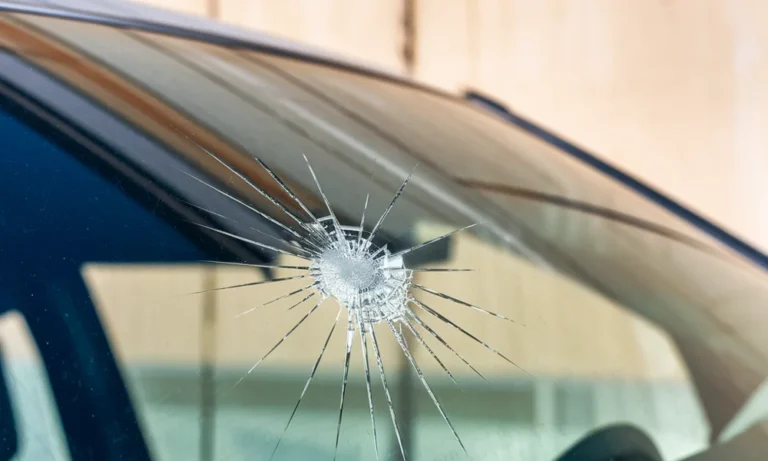
A windshield chip is a localized area of glass damage caused by an impact. It may look like a small circular mark, star-shaped impact, bullseye, or combination of several small cracks radiating from a central point.
Windshields are generally made from laminated glass, meaning two layers of glass are bonded around an inner plastic layer. This construction helps the windshield remain together when damaged and allows certain types of chips and cracks to be repaired with resin.
A chip should not automatically be treated as harmless just because it is small. Changes in temperature, road vibration, moisture, and additional impacts can cause the damaged area to spread.
Can You Repair a Chipped Windshield?
Yes, many small windshield chips can be repaired, but not every chip is a candidate for repair.
A technician normally considers:
- Size of the damaged area
- Depth of the damage
- Location on the windshield
- Whether cracks are spreading from the impact
- Whether the damage reaches the edge
- Whether the damage affects the driver’s view
- Whether cameras or sensors are located near the damaged area
- Number of chips or damaged areas
There is no single size rule that applies to every vehicle and every type of damage. For example, Safelite states that damage under six inches may be repairable, while the impact point itself needs to meet additional conditions related to size, number, and location.
That is why a visual inspection is more useful than judging the damage by size alone.
How to Repair Chipped Windshield Damage
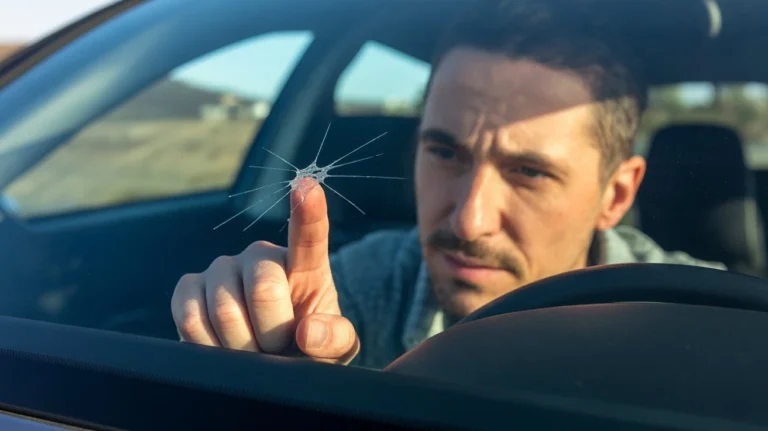
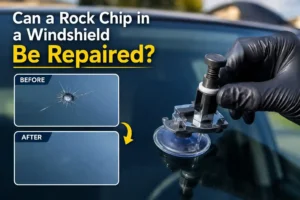
Professional chipped windshield repair generally follows a controlled process. The goal is to remove air and contaminants from the damaged area, fill the damaged channels with specialized resin, and cure the resin so it bonds with the glass.
1. Inspect the Chip
Start by examining the chip carefully.
Look at its:
- Overall size
- Shape
- Location
- Depth
- Radiating cracks
- Distance from the windshield edge
Do not begin a repair simply because the chip looks small. A technician can determine whether the damage is structurally suitable for repair.
2. Clean the Damaged Area
The chip needs to be clean and dry before resin is introduced.
Dirt, moisture, or debris inside the impact area can interfere with the repair process. If the chip has recently occurred, avoid touching the damaged area unnecessarily.
If you are waiting for professional service, keeping the area protected from moisture and contamination can make the eventual repair easier.
3. Position the Repair Equipment
Professional repair equipment is designed to create a controlled connection with the damaged area.
The tool allows the technician to work with the chip while controlling the movement of resin and air inside the damaged section of glass.
This is one reason professional repair is different from simply putting adhesive over the outside of the chip.
4. Remove Air From the Damage
Air trapped inside the chip needs to be displaced so the repair resin can reach the damaged channels.
The repair equipment uses controlled pressure and vacuum to help move air and contaminants out of the impact area.
Properly preparing the damaged area is important because resin needs to penetrate the small spaces created by the impact.
5. Inject Windshield Repair Resin
A specialized resin is introduced into the chip.
The resin flows into the damaged area and bonds with the surrounding glass. The purpose is not simply to make the mark disappear. A successful repair is intended to restore the damaged area’s integrity and reduce the chance of the chip developing into a larger crack.
Professional repair processes commonly use specialized resin followed by curing with UV light.
6. Cure the Resin
Once the resin has filled the damaged area, it is cured according to the repair system being used.
Curing hardens the resin and allows it to bond properly with the glass.
7. Finish and Inspect the Repair
After curing, excess resin can be removed and the repaired area polished.
A good repair may still leave a small visible mark. Windshield repair is not necessarily intended to make the original impact completely invisible. The goal is to repair the damage and restore the glass as effectively as possible.
You can read about: Types of Windshield Cracks
Can You Repair a Windshield Chip Yourself?
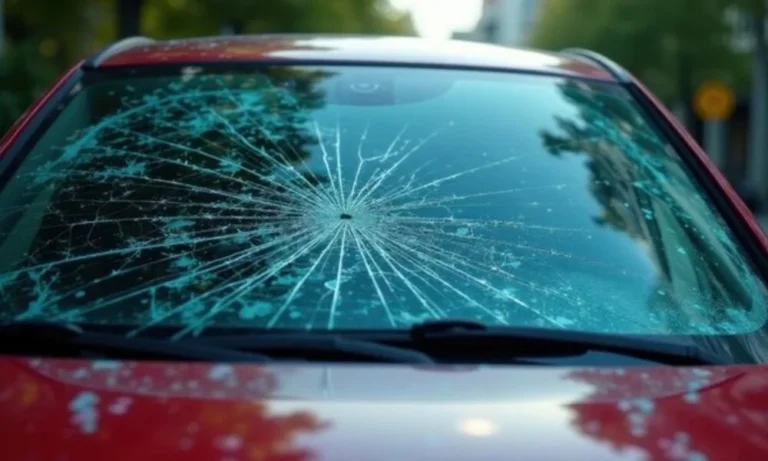
DIY windshield repair kits are available for some small chips, but they are not suitable for every type of damage.
A DIY kit may be considered for a small, straightforward chip when the damage is clearly within the kit manufacturer’s recommended limits. However, improper application can leave resin outside the damaged area, fail to fill the chip completely, or make later professional repair more difficult.
Professional assessment is particularly important when:
- The chip has multiple radiating cracks
- The damage is near the windshield edge
- The chip is in the driver’s primary viewing area
- The damage appears deep
- A crack is already spreading
- The windshield has multiple damaged areas
- A camera or sensor is close to the damaged area
For safety-related glass damage, a professional inspection is the better choice when you are uncertain about the repairability of the chip.
What Should You Do Immediately After Getting a Windshield Chip?

If a rock hits your windshield, the first priority is to avoid creating additional damage.
Once you can safely stop, inspect the damage and take a photo. Avoid directing extreme heat or cold directly at the impact area, since rapid temperature changes can place additional stress on damaged glass. Keeping moisture and debris out of the chip can also help while you arrange an inspection.
A practical response is:
- Pull over somewhere safe when possible.
- Inspect the chip without touching it unnecessarily.
- Take clear photos of the damage.
- Keep water and dirt away from the impact area.
- Avoid sudden temperature changes around the damaged glass.
- Arrange a repair assessment as soon as practical.
When Is a Chipped Windshield Too Damaged to Repair?
A chip may need replacement rather than repair when the damage is too large, too deep, too close to a critical area, or has developed into significant cracking.
Replacement may be considered when:
- The damage extends significantly across the windshield.
- Cracks have reached the edge.
- The damage penetrates too deeply into the laminated glass.
- Multiple damaged areas are present.
- The damage obstructs the driver’s view.
- The damage is located where a camera or sensor cannot safely operate with the existing glass.
- The glass has structural damage that cannot be reliably repaired.
Safelite’s current repair guidance also notes that damage involving the driver’s field of vision, certain camera or sensor locations, multiple damaged areas, or significant size may require replacement.
The final decision should be based on an inspection rather than one measurement alone.
Windshield Chip Repair vs. Windshield Replacement
The basic difference is straightforward.
| Windshield chip repair | Windshield replacement |
| Repairs localized damage | Replaces the entire windshield |
| Uses specialized resin | Uses a new windshield |
| Suitable for certain minor chips and cracks | Used when damage cannot be reliably repaired |
| Does not remove the windshield | Requires removal and installation |
| Usually preserves the existing glass | Installs new glass |
| May take less time than replacement | Requires additional installation procedures |
If your windshield cannot be repaired and replacement becomes necessary, you can review the service of Windshield Replacement In Austin TX option from Texas Reliable Auto Glass.

What Causes a Windshield Chip to Get Worse?
A small chip can change because the windshield is exposed to constant movement and temperature changes.
Common factors include:
Temperature Changes
Glass expands and contracts with temperature changes. A damaged area can be more vulnerable to additional stress during rapid temperature shifts.
Road Vibration
Driving over potholes, rough pavement, or uneven roads can place additional stress on already damaged glass.
Additional Impacts
Another rock or piece of road debris hitting the same area can turn a small chip into a larger crack.
Moisture and Contamination
Water and debris can enter the damaged area and make a later repair more difficult. Keeping the chip clean and dry while waiting for service is a sensible precaution.
Common Mistakes After Getting a Windshield Chip
Several simple mistakes can make a small problem harder to repair.
Ignoring the chip: Waiting gives the damage more time to spread.
Using household glue: Regular adhesives are not designed for laminated automotive glass repair and can create additional cleanup problems.
Pouring hot water on cold glass: Sudden temperature changes can increase stress around the damaged area.
Trying to repair a large crack with a small DIY kit: Repair kits have limitations and are not a substitute for professional evaluation of significant damage.
Assuming every chip can be repaired: Size is only one factor. Location, depth, cracking, and nearby vehicle technology also matter.
How Long Does Windshield Chip Repair Take?
The repair itself can often be completed relatively quickly when the damage is suitable for repair. Safelite states that many windshield repairs can be completed in less than 30 minutes, although actual service time varies with the type and extent of damage.
The important point is not to choose a repair solely because it is quick. The technician still needs to determine whether the glass is suitable for repair.
Will a Windshield Chip Repair Be Completely Invisible?
Not necessarily.
A successful repair can improve the appearance of the damaged area and restore the glass’s integrity, but a small blemish may remain. The final appearance depends on the original damage, its age, contamination, location, and the repair process used.
This is normal and does not automatically mean the repair was unsuccessful.
When Should You Get Professional Windshield Repair?
Professional evaluation makes sense when you notice any chip or crack that could affect the windshield’s condition.
You should arrange an inspection promptly if:
- The chip is spreading.
- A crack extends from the chip.
- The damage is near the edge.
- The damage is in your primary viewing area.
- You cannot determine how deep the damage is.
- Multiple chips are present.
- You are unsure whether repair or replacement is appropriate.
The sooner a suitable chip is evaluated, the more likely it is that repair remains an option rather than the damage progressing into a larger problem.
Key Takeaways
- Small windshield chips can often be repaired with specialized resin.
- Repairability depends on size, depth, location, and the condition of the surrounding glass.
- A chip can develop into a larger crack because of temperature changes, vibration, moisture, or another impact.
- DIY repair kits are intended for limited types of damage and are not appropriate for every chip.
- Damage near the edge, driver’s primary viewing area, or vehicle cameras and sensors may require additional evaluation.
- If you are unsure whether to repair or replace the windshield, have the damage professionally inspected.
Conclusion
Knowing how to repair chipped windshield damage starts with understanding that not every chip should be repaired in the same way. Small, localized damage may be treatable with specialized resin, while larger, deeper, spreading, or poorly located damage may require windshield replacement.
If you have a chip and are unsure whether it can be repaired, having the glass inspected is the safest way to determine the appropriate solution. Texas Reliable Auto Glass can help you understand your available auto glass service options and whether your windshield damage needs repair or replacement.
Frequently Asked Questions
How do you repair a chipped windshield?
A technician cleans the damaged area, removes trapped air, injects specialized repair resin into the chip, cures the resin, and finishes the repaired surface. The exact process depends on the type and location of the damage.
Can a small chip in a windshield be repaired?
Yes, many small chips can be repaired if the damage is limited and located in a suitable area. A technician should evaluate the chip’s size, depth, location, and surrounding cracks before deciding whether repair is appropriate.
Can I repair a chipped windshield myself?
A small chip may be suitable for a DIY repair kit, but these kits have limitations. If the damage is deep, spreading, near the edge, in the driver’s viewing area, or close to cameras or sensors, professional assessment is recommended.
How long can you drive with a chipped windshield?
There is no universal safe time period because damage can spread unpredictably. A chip that appears stable can worsen because of temperature changes, vibration, or another impact. Getting it evaluated promptly helps preserve repair options.
Is windshield chip repair better than replacement?
Repair is appropriate when the damage can be reliably repaired. Replacement is necessary when the damage is too extensive or located in an area where repair would not provide an acceptable result. A technician should make that determination after inspecting the windshield.
Does windshield chip repair remove the mark completely?
Not always. A small blemish may remain after repair because the original glass was physically damaged. The purpose of repair is to restore the damaged area and help prevent further cracking, not necessarily to make every trace of the impact disappear.
Can a windshield chip turn into a crack?
Yes. Temperature changes, road vibration, moisture, and additional impacts can cause a chip to spread. Prompt evaluation and repair can help prevent a small damaged area from becoming a larger crack.
When does a chipped windshield need replacement?
Replacement may be necessary when the damage is too large or deep, reaches the edge, significantly affects the driver’s view, involves multiple damaged areas, or cannot be reliably repaired because of its location or surrounding vehicle technology.