
You’re driving and suddenly a rock flies up and hits your windshield. You pull over and find a small chip. It’s not a crack yet. But you know if you leave it, it will spread. The good news is that most small chips are fixable without replacing the entire windshield. Acting fast is the key.
Knowing how to repair small chip in windshield glass the right way can save you hundreds of dollars. Most tiny chips in windshield glass can be fixed in under an hour with the right kit or by a professional for a reasonable fee. Here’s everything you need to know to handle it correctly.
Can You Repair a Small Chip in a Windshield?
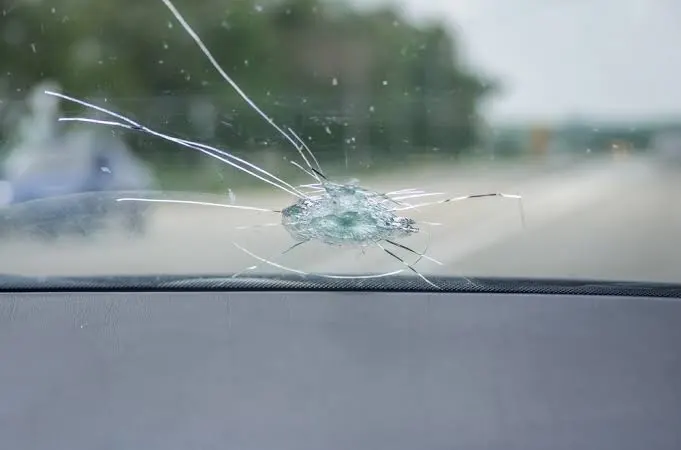
Yes, most small chips are highly repairable. The success of the repair depends on the size, depth, and location of the glass damage. If the damage is smaller than a credit card or a quarter, a fix is usually highly successful.
The glass used in cars has three layers. There are two layers of glass with a clear plastic layer sandwiched right between them. When an object hits the glass, it usually only breaks the outer layer. A quick fix works by filling that empty air pocket with a strong, clear liquid acrylic resin.
What Causes Small Chips in a Windshield?
Windshield chips happen fast and often without warning. The most common causes include:
- Gravel and road debris kicked up by vehicles in front of you
- Truck tires throwing stones at highway speeds
- Construction zones with loose aggregate on the road
- Temperature stress causing existing micro-cracks to fracture suddenly
- Hail during storms, which creates multiple impact points across the glass
- Parking under trees where small branches or acorns fall
Most chips happen on the highway. The combination of vehicle speed and flying debris creates enough force to puncture the outer layer of laminated windshield glass.
Types of Windshield Chips You Can Repair
Not every chip looks the same. Understanding the type helps you assess whether a DIY fix is realistic or whether you need a professional.
Bullseye Chip
A circular impact point with a cone-shaped void underneath. Clean edges, easy to fill. One of the most repair-friendly chip types.
Half-Moon Chip
Similar to a bullseye but not fully circular. Usually caused by an angular impact. Repairable in most cases.
Star Break
Multiple cracks radiating from a central impact point. Looks like a star. Repairable if the legs are short usually under an inch each.
Combination Break
A mix of bullseye and star break characteristics. More complex to fill but still repairable by a professional in many cases.
Pit or Ding
A small surface chip with no visible cracks extending outward. These tiny chips in windshield glass are the easiest to repair and the best candidates for DIY kits.
Edge Crack
Starts within two inches of the windshield border. These are tricky and often not repairable — the edge stress makes crack propagation unpredictable.
What You’ll Need for DIY Repair
If you decide to fix a small chip in windshield glass yourself, you’ll need the right supplies. A basic windshield chip repair kit from an auto parts store contains most of what you need:
- Windshield repair resin (clear, UV-curing)
- Applicator bridge or syringe tool
- UV curing strips or access to sunlight
- Razor blade for leveling excess resin
- Rubbing alcohol and clean cloths
- A pin or thumbtack for clearing debris from the chip
Quality matters here. Budget kits under $10 often produce poor results. Spend $20 to $35 on a reputable kit from brands like Rain-X, Permatex, or 3M. The resin viscosity and the applicator design make a real difference in the final result.
How to Repair a Small Chip in a Windshield: Step-by-Step
This process works best on chips smaller than a quarter, in mild weather, out of direct sunlight. Do not attempt this in rain or freezing temperatures.
Step 1: Clean the Chip Thoroughly
Use rubbing alcohol and a clean cloth to wipe the area around the chip. Let it dry completely. Use a pin or thumbtack to remove any loose glass fragments or debris from inside the chip. Any contamination trapped under the resin will affect the bond.
Step 2: Set Up the Applicator
Most kits use an adhesive mounting bridge that centers over the chip. Attach it to the windshield according to the kit instructions. Make sure it’s centered directly over the impact point.
Step 3: Apply the Resin
Load the resin into the syringe or applicator. Inject it slowly into the chip. Apply gentle pressure to push the resin into the void. Then pull back the plunger to create a vacuum that draws air bubbles out. Repeat this pressure-and-vacuum cycle 3 to 5 times.
Step 4: Cure the Resin
Place the UV curing strip over the filled area or position the car in direct sunlight. Most resins cure in 5 to 10 minutes under UV exposure. Do not rush this step incomplete curing leaves the repair soft and ineffective.
Step 5: Remove Excess Resin
Once cured, remove the applicator and strip. Use the razor blade at a flat angle to scrape away any resin that sits above the glass surface. Work gently, you’re leveling, not scraping aggressively.
Step 6: Final Polish
Buff the area lightly with a clean cloth. The surface should feel smooth and flush with the surrounding glass. The chip will still be visible as a faint mark, but the structural repair is complete.
This is the core process for how to repair small chip in windshield glass at home. Follow each step carefully and don’t rush the curing stage.
You can read about: How Much Does a Rock Chip Repair Cost
Common Mistakes to Avoid During Windshield Chip Repair
Many people fail when fixing small chips in windshield glass because they rush the process.
Critical Warning: Never do this work under direct sunlight. The sun will harden the liquid before it fills the tiny cracks, ruining the job.
Another mistake is leaving moisture inside the pit. Water prevents the resin from sticking to the glass layers. Avoid using standard commercial glass cleaners right before the repair, as they contain oils that ruin the bond.
When a Windshield Chip Cannot Be Repaired
Some damage is beyond repair regardless of the kit or the skill of the person using it. Replacement is necessary when:
- The chip is larger than a quarter (roughly 1 inch in diameter)
- The damage is in the driver’s direct line of sight
- Cracks extend from the chip and are longer than 3 inches
- The chip is within 2 inches of the windshield edge
- The inner layer of the laminated glass is damaged
- The chip has been there for weeks and is filled with dirt or moisture
A chip that reaches the inner layer of laminated glass compromises the windshield’s ability to hold together in a collision. No surface repair fixes that.
How Long Does Windshield Chip Repair Last?
A quality repair whether DIY or professional can last the life of the vehicle if done correctly. The resin bonds permanently with the glass. It doesn’t wear away or degrade under normal conditions.
What can cause a repair to fail:
- Extreme temperature cycling over many years
- A second impact very close to the original repair
- Moisture contamination during the repair process
- Low-quality resin that doesn’t bond fully
Professional repairs carry a higher success rate and often come with a warranty. Most auto glass shops guarantee their chip repairs and will redo the work if the chip spreads within a specified period.
How Much Does Windshield Chip Repair Cost?
The cost difference between DIY and professional repair is real, but so is the quality gap.
DIY kit cost: $15 to $35 at any auto parts store. You do the work. Results vary.
Professional chip repair: $50 to $150 per chip depending on your location and the type of damage. Many shops charge $50 to $75 for a single small windshield chip.
Insurance coverage: If you carry comprehensive auto insurance, windshield chip repair is often covered with no out-of-pocket cost. Many insurers waive the deductible for chip repairs because it’s cheaper than paying for a full replacement later. Always check your policy before paying out of pocket.
For a single small chip, professional repair costs are reasonable and the result is significantly better than most DIY attempts.
Tips to Prevent a Small Chip from Getting Worse
If you cannot fix the spot immediately, protect it. Put a small piece of clear packaging tape over the clean pit. This keeps dirt, dust, and rain out of the crack.
Avoid parking your vehicle in direct heat or freezing cold temperatures. Drive carefully and avoid hitting deep potholes or slamming your car doors, as sudden vibrations can cause the fracture to spread instantly.
Should You Repair a Windshield Chip Yourself?
If you enjoy working on your car and the damage is small, using a kit is a great option. It saves time and money. However, if the spot is large or complicated, an amateur mistake can ruin the glass permanently.
DIY Windshield Chip Repair vs Professional Repair
Retail kits are affordable but use lower-grade resin fluids. Professionals use high-powered vacuum pumps that draw out one hundred percent of the air. They use industrial-strength resins that match the visual clarity of factory glass perfectly.
Final Thoughts
Taking care of your auto glass keeps your family safe on the highway. If you are looking for professional help, get expert Windshield Chip Repair in Austin Texas to ensure the job is done safely. Contact the certified team at Texas Reliable Auto Glass to restore your vehicle back to perfect condition.

Frequently Asked Questions
Can I drive my car immediately after a windshield chip repair?
Yes. Most repairs are drive-ready within 30 minutes of completion. The resin cures quickly under UV light. Avoid car washes and direct high-pressure water for at least 24 hours after the repair.
Will the chip be completely invisible after repair?
No. A repaired chip will still be visible as a faint mark. The goal of the repair is not cosmetic perfection, it’s structural restoration. The crack is stopped, the glass is strengthened, and optical distortion is minimized. The mark itself remains.
What happens if I leave a small windshield chip unrepaired?
Temperature changes, road vibration, and moisture will cause the chip to spread. A small pit can turn into a 6-inch crack within weeks. Once a crack reaches that length, repair is no longer possible and full windshield replacement is required.
Does insurance cover windshield chip repair?
Many comprehensive auto insurance policies cover windshield chip repair with no deductible. Insurers prefer paying for a chip repair over paying for a full windshield replacement. Call your insurer before paying out of pocket you may owe nothing.
How do I know if my windshield chip needs repair or full replacement?
The general rule: if the chip is smaller than a quarter and hasn’t cracked outward significantly, it’s repairable. If it’s larger than a quarter, located at the windshield edge, in the driver’s direct sight line, or has cracks extending more than 3 inches, replacement is likely required. A professional assessment gives you a definitive answer.