
Window tint can change much more than the appearance of your vehicle. The right film can help improve privacy, reduce glare, limit solar heat entering the cabin, and provide UV protection. However, not every tint performs the same way, and choosing one based only on how dark it looks can lead to the wrong decision.
There are several different window tint types available for cars, including dyed, metallic, carbon, ceramic, hybrid, and high-performance clear films. Each has its own combination of benefits, limitations, appearance, and price.
If you are comparing the 6 types of window tint to consider for your car, the best place to start is by understanding what each type is designed to do. Your climate, driving habits, privacy preferences, budget, and expectations for long-term performance should all play a role in your choice.
What Should You Consider When Choosing a Car Window Tint?
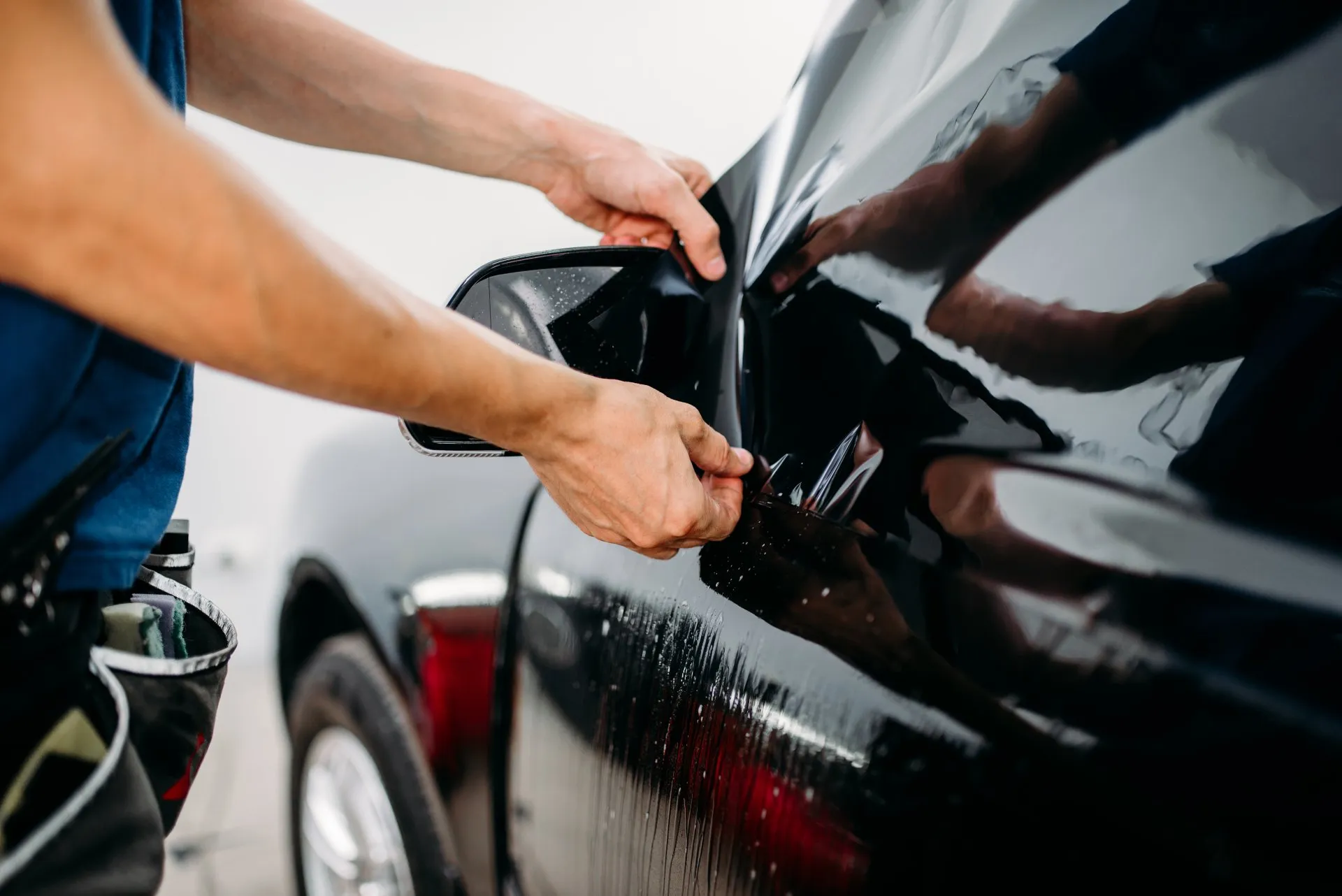
Before choosing a film, think about why you want window tint in the first place. A driver who spends hours driving in direct sunlight may have different priorities from someone who mainly wants a darker appearance and additional privacy.
Heat rejection is an important consideration for vehicles that regularly sit or drive in hot conditions. UV protection is another factor because a quality automotive film can help reduce the amount of ultraviolet radiation passing through the glass.
You should also consider privacy, appearance, durability, and price. These factors do not always improve together. A film that provides excellent solar performance may cost more than a basic film, while a very dark film may provide privacy without necessarily offering the strongest heat rejection.
Understanding these differences makes it easier to compare the main auto window tint types.
1. Dyed Window Tint
Dyed window tint is one of the more traditional options available for vehicles. The film uses dye to create its darker appearance and is commonly considered an affordable choice.
One of the main reasons drivers choose dyed tint is its appearance. It can give a vehicle’s windows a darker look while increasing privacy from people outside. It may also provide some protection from sunlight and glare.
The main consideration is performance. Basic dyed films may not provide the same level of solar heat rejection as some higher-performance films. The quality of the film also matters because different manufacturers can produce products with different characteristics.
Dyed tint can make sense for drivers who mainly want a darker appearance and privacy without paying the price associated with premium films. If you are considering this option, ask about the manufacturer’s specifications and warranty rather than choosing based only on price.
2. Metallic Window Tint
Metallic window tint contains small metallic particles designed to reflect solar energy. This construction can provide useful solar and glare control while giving the windows a more reflective appearance.
The reflective appearance is attractive to some vehicle owners, but it is not preferred by everyone. More importantly, metallic films can potentially interfere with certain electronic signals depending on the specific product and vehicle.
Modern cars can rely on radio, GPS, mobile, and other wireless technologies, so this is something worth discussing with an experienced installer before selecting a metallic film.
Metallic tint may be suitable for drivers who want solar control and do not mind a more reflective appearance. However, always check the specifications of the exact product rather than assuming every metallic film will behave in the same way.
3. Carbon Window Tint
Carbon window tint is another popular option among the different window tint types. It is generally associated with a darker, matte appearance and can provide a balance between appearance, privacy, and solar performance.
Unlike metallic films, carbon tint does not rely on metallic particles for its construction. This can make it an option for drivers who want to avoid potential signal-interference concerns associated with some metallic films.
Carbon tint is often considered a middle-ground choice. It can provide more features than a basic dyed film while remaining an alternative to higher-priced premium options.
However, the term “carbon” alone does not guarantee a specific level of performance. If you are comparing carbon films, look at the actual product specifications for heat rejection, UV protection, visible light transmission, and warranty coverage.
4. Ceramic Window Tint
Ceramic tint is commonly considered a premium option among the best window tint types. It uses ceramic-based materials rather than relying primarily on traditional dye or metallic particles.
One reason ceramic tint attracts attention is its potential for strong solar heat rejection while maintaining a relatively clean, non-reflective appearance. This can be useful for drivers who want a more comfortable interior without necessarily making their windows extremely dark.
Ceramic films may also provide strong UV protection and glare reduction, depending on the specific product.
The main drawback is usually the higher cost compared with basic tint options. Whether that additional expense makes sense depends on how much you value heat control, long-term performance, and other features.
If your vehicle spends a lot of time in direct sunlight, ceramic tint is worth comparing with other options. Ask the installer for documented product specifications instead of assuming that every ceramic film performs identically.
5. Hybrid Window Tint
Hybrid window tint combines characteristics of different film technologies. A common approach is to combine dyed and metallic components to balance appearance, solar control, and price.
This type of film can appeal to drivers who want something between basic dyed tint and premium films. Depending on the product, hybrid tint may offer useful solar performance without the higher price associated with some advanced films.
The exact appearance and performance can vary considerably between products. Some may have a subtle appearance, while others can appear more reflective.
If you are considering hybrid tint, ask what materials are used in the film and request the manufacturer’s performance information. This will give you a more useful comparison than simply relying on the word “hybrid.”
6. High-Performance Clear or Crystalline Tint
Not every driver wants dark windows. Some vehicle owners want protection from solar heat and UV radiation while keeping their windows relatively light.
High-performance clear or crystalline-style films are designed for this type of application. They can provide solar protection without significantly changing the appearance of the vehicle.
This can be useful for drivers who prefer a factory-style appearance or do not want increased privacy from dark glass.
It is important to understand that window darkness and heat rejection are not the same thing. A relatively light film can still be designed for strong solar performance depending on its construction and specifications.
For drivers who care more about comfort and solar protection than a dark appearance, this type of film can be worth considering.
How Do the Different Window Tint Types Compare?
The main difference between these car window tint types is the balance they provide between cost, appearance, privacy, heat rejection, and durability.
Dyed tint is generally associated with affordability and a traditional dark appearance. Metallic tint focuses on reflective solar control but may require additional consideration when it comes to electronic signals. Carbon tint offers a darker matte appearance and balanced performance.
Ceramic tint is positioned as a premium option and is often considered when heat rejection is a major priority. Hybrid films attempt to combine characteristics of different materials, while high-performance clear films provide an option for drivers who want solar protection without significantly darkening their windows.
Instead of choosing a tint simply because it belongs to a particular category, compare the actual film’s specifications and warranty. Products within the same category can still perform differently.
Does Darker Tint Mean Better Heat Rejection?
No. Darker does not automatically mean better heat rejection.
This is one of the most important things to understand when comparing window tint. The darkness of a film is related to visible light transmission, while heat rejection depends on the materials and technology used in the film.
For example, two films can have a similar appearance but provide different levels of solar performance.
If your primary goal is keeping your vehicle cooler, do not simply ask for the darkest tint available. Ask about the film’s documented solar-performance specifications and compare products based on their actual capabilities.
Which Type of Tint Provides the Most Privacy?
Privacy is strongly influenced by the shade of the film. Darker window tint generally makes it more difficult for people outside the vehicle to see the interior during daylight.
However, privacy should not be confused with heat rejection. A dark film may provide excellent privacy without necessarily being a high-performance solar-control film.
If you want both privacy and heat control, look for a film that offers the appropriate visible light transmission while also providing the solar performance you need.
What Type of Tint Is Better for Hot Weather?
Drivers who regularly experience hot and sunny conditions may want to put greater emphasis on solar heat rejection.
Premium ceramic and other high-performance films can be worth comparing when keeping the vehicle’s interior comfortable is a major priority. However, the performance of a film depends on the specific product, the vehicle’s glass, and the installation.
A good approach is to compare documented product specifications rather than choosing solely by film color or darkness.
How Much Does Car Window Tint Cost?
Window tint prices can vary depending on the vehicle, number of windows, type of film, installation difficulty, and quality of the product.
Basic dyed films are generally positioned toward the lower end of the price range, while carbon, hybrid, ceramic, and advanced clear films can cost more.
The cheapest option is not automatically the best fit for every driver. At the same time, paying more does not guarantee that a particular film will meet your needs.
Before comparing quotes, find out exactly which film is included. Ask about the manufacturer, warranty, heat rejection, UV protection, and installation process. This gives you a more meaningful comparison between different prices.
Does the Quality of Installation Matter?
Yes. The film itself is only one part of the result.
Poor installation can lead to visible bubbles, creases, contamination, uneven edges, or other appearance problems. Professional installation can help the film fit the vehicle’s windows properly and maintain a cleaner appearance.
Before choosing an installer, ask whether the work is covered by a warranty and what type of aftercare is recommended.
It is also important to inspect your vehicle’s glass before tint installation. Window film is not designed to repair cracked or damaged glass. If your vehicle has a damaged side window or other glass problem, dealing with the glass first may be necessary.
What Questions Should You Ask Before Getting a Window Tint?
A few simple questions can help you make a more informed choice.
Ask the installer which specific film brand and product will be used. Find out how much UV protection the film provides and what level of solar heat rejection is documented.
You should also ask about the film’s warranty, expected durability, recommended shade, and maintenance requirements.
If you are comparing multiple options, ask for the specifications of each film in writing. This makes it easier to compare products based on performance instead of sales descriptions.
Finally, check the window tint regulations that apply where you drive. Legal requirements can differ depending on the location and window being tinted, so confirm the applicable rules before selecting a shade.
How to Choose the Right Window Tint for Your Car
There is no single tint that will suit every driver. Your priorities should determine which option you investigate further.
If you mainly want an affordable darker appearance and added privacy, dyed tint may be enough. If you prefer a matte appearance and balanced performance, carbon tint can be considered.
Drivers looking for premium solar performance may want to compare ceramic films, while hybrid tint can provide another middle-ground option. If you want solar protection without significantly changing the appearance of your windows, a high-performance clear film may be more appropriate.
The important thing is to compare the actual product specifications rather than choosing based solely on the name of the tint.
Conclusion
The six main types of window tint discussed here dyed, metallic, carbon, ceramic, hybrid, and high-performance clear or crystalline films offer different combinations of appearance, privacy, heat control, UV protection, durability, and price.
The right choice depends on how you use your vehicle and what you expect from the film. Someone who mainly wants privacy may have different priorities from a driver who spends long hours in direct sunlight and wants stronger heat rejection.
Before installation, compare the specific film’s specifications, warranty, shade, and installation requirements. Do not assume that a darker film automatically provides better heat rejection or that every product within a particular category performs the same way.
If your vehicle’s glass is damaged, consider addressing the glass problem before installing a new tint. Texas Reliable Auto Glass can help vehicle owners evaluate their auto-glass needs, including Car Window Repair in Austin, before moving ahead with additional window improvements.

Frequently Asked Questions
What are the six types of window tint for cars?
The six types discussed in this guide are dyed, metallic, carbon, ceramic, hybrid, and high-performance clear or crystalline tint. Each type has different characteristics related to appearance, privacy, solar control, durability, and price.
Which type of window tint is best for heat rejection?
High-performance ceramic and other advanced films are commonly considered when strong heat rejection is a priority. However, performance varies between products, so it is important to compare the manufacturer’s documented specifications.
Is darker window tint better?
Not necessarily. A darker film mainly changes visible light transmission and privacy. It does not automatically mean that the film will provide better heat rejection or UV protection.
Does ceramic tint provide UV protection?
Many ceramic films are designed to provide UV protection, but the exact level depends on the product. Check the manufacturer’s specifications for the specific ceramic film you are considering.
Which window tint is best for privacy?
Darker films generally provide greater privacy during daylight because they make it harder to see into the vehicle. However, the appropriate shade should also comply with applicable local tint regulations.
Is carbon tint better than dyed tint?
Carbon and dyed films have different characteristics, and the better fit depends on your priorities. Carbon may appeal to drivers who want a matte appearance and a different level of performance, while dyed tint is often considered for affordability and appearance.
How long does car window tint last?
The lifespan depends on the film’s quality, installation, exposure to sunlight, maintenance, and manufacturer warranty. Different products can have different expected service lives, so check the warranty and specifications for the exact film.
Can window tint be installed on damaged glass?
Window tint does not repair cracked or damaged automotive glass. If the glass is damaged, have it inspected first to determine whether repair or replacement is needed before installing new film.
Should I choose window tint based on price?
Price is one factor, but it should not be the only one. Compare the actual film, heat rejection, UV protection, durability, warranty, installation quality, and shade before deciding which option fits your needs.
Can clear window tint still reduce heat?
Some high-performance clear or lightly tinted films are specifically designed to provide solar control without making the windows significantly darker. Check the product’s documented specifications to understand its actual performance.