Reliable Auto Glass

Texas Blog

How to Cut Tempered Glass

How to Cut Tempered Glass: A Comprehensive Guide by Texas Reliable Auto Glass

How to Cut Tempered Glass: A Comprehensive Guide by Texas Reliable Auto Glass How to Cut Tempered Glass: Cutting tempered glass can be a challenging task, but with the right knowledge and techniques, you can achieve precise results. Texas Reliable Auto Glass is here to guide you through the process. Safety is paramount when working with tempered glass, so make sure to wear the necessary protective gear, such as safety glasses and gloves. We’ll walk you through the steps, from accurate measurements and markings to choosing the right cutting technique. By the end of this guide, you’ll have the skills to confidently and safely cut tempered glass for your projects. Why Cutting Tempered Glass Matters Cutting tempered glass is a skill that can be crucial in various situations. Tempered glass, known for its strength and safety features, is commonly used in windows, doors, shower enclosures, and even on electronic device screens. However, there are instances where you might need to resize or reshape tempered glass to fit specific requirements. Here are a few reasons why knowing how to cut tempered glass matters: Customization: When you have a project that requires glass panels of specific sizes and shapes, cutting tempered glass allows you to customize it to your exact needs. Whether it’s for a home renovation or a DIY project, the ability to modify glass can be invaluable. Repairs: In some cases, you might need to replace a broken tempered glass panel. Knowing how to cut tempered glass enables you to replace the damaged piece without the need for professional help, saving you time and money. Cost-Efficiency: Purchasing pre-cut tempered glass panels can be expensive. By mastering the art of cutting tempered glass, you can buy larger sheets and cut them to the required sizes, reducing costs significantly. Versatility: Being skilled in cutting tempered glass opens up opportunities for various projects. Whether it’s for crafting, building, or repairing, having this skill in your toolkit allows you to take on a wide range of tasks. Emergency Situations: In emergency situations where you need to secure a broken window or door temporarily, knowing how to cut tempered glass can be a lifesaver. It allows you to quickly create a makeshift replacement until a proper repair can be arranged. The Tools You’ll Need Before diving into the cutting process, gather the necessary tools to ensure a smooth experience. Texas Reliable Auto Glass recommends the following items: Glass Cutter Safety Glasses Work Gloves Measuring Tape Pencil or Marker Straight Edge Glass File Safety Goggles Masking Tape Safety First: Wearing Protective Gear When it comes to cutting tempered glass, safety should always be your top priority. The process involves working with a material that can be sharp and prone to shattering, so taking precautions is essential to protect yourself from potential hazards. Here’s why wearing protective gear is crucial: Eye Protection: Tiny glass fragments can easily become airborne during the cutting process. Wearing safety glasses or goggles shields your eyes from these glass shards, preventing injuries that can result from eye contact. Hand Safety: Handling glass without gloves can lead to cuts and abrasions. Wearing work gloves not only protects your hands from potential injuries but also provides a better grip when working with the glass. Protection from Dust: The cutting process can generate fine glass dust, which, if inhaled, can be harmful to your respiratory system. Wearing a mask or respirator can help filter out these particles and keep your lungs safe. Debris Protection: Glass cutting can produce sharp debris that can potentially cause harm to your face and body. Safety goggles or a full-face shield can provide an extra layer of protection. Chemical Protection: Some cutting techniques may involve the use of lubricants or coolants. Wearing appropriate protective clothing, such as an apron or overalls, can help shield your body from contact with these chemicals. Measuring and Marking Accurate measurements and precise markings are fundamental aspects of cutting tempered glass effectively. When working with this fragile material, even the smallest error in measurement or marking can lead to costly mistakes. Here’s why measuring and marking are crucial: Precision: Tempered glass is often used in applications where precision matters, such as windows, doors, and glass panels. Accurate measurements ensure that the glass fits perfectly into the intended space without gaps or misalignments. Avoiding Waste: Tempered glass can be expensive, and wasting material due to measurement errors can be costly. By measuring carefully, you can maximize the use of the glass sheet, minimizing waste. Safety: Incorrectly measured glass may not fit securely, increasing the risk of accidents. A poorly fitting glass panel can shatter or pose structural risks, endangering both property and individuals. Professional Appearance: Accurate measurements and markings result in clean, professional-looking cuts. Whether you’re working on a DIY project or a professional job, precise glass cuts enhance the overall aesthetics. To ensure accurate measurements and markings when cutting tempered glass: Use a measuring tape to measure the dimensions needed. Double-check your measurements to eliminate errors. Use a pencil or marker to make clear and easily visible marks on the glass. These marks will serve as your cutting guidelines. If you need to make multiple cuts, create a template or a guide using a straight edge to ensure consistency. Cutting Techniques When it comes to cutting tempered glass, there are various techniques you can employ, each with its advantages and best use cases. The choice of technique depends on the tools you have and the specific requirements of your project. Here, we’ll explore two common cutting techniques: Glass Cutter Method: Overview: The glass cutter method is a traditional and widely used technique for cutting tempered glass. It is suitable for making straight-line cuts or simple shapes. Process: Begin by measuring and marking the glass with a pencil or marker, following your desired cutting line. Wear safety glasses and gloves to protect yourself from glass shards. Position a straight edge or a ruler along the marked line to serve as a guide. Take a glass

How to Cut Tempered Glass: A Comprehensive Guide by Texas Reliable Auto Glass Read More »

Car Window Tinting near me

Car Window Tinting Near Me: The Ultimate Guide by Texas Reliable Auto Glass

Car Window Tinting Near Me: The Ultimate Guide by Texas Reliable Auto Glass Are you on the lookout for a simple yet effective way to not only augment the appearance of your vehicle but also provide yourself with protection against the glaring sun and the prying eyes of curious onlookers? Your solution might just lie in the art of car window tinting! In this comprehensive and enlightening guide, generously brought to you by the experts at Texas Reliable Auto Glass, we’re prepared to walk you through the ins and outs of car window tinting. By the end of this guide, you’ll have a firm grasp on why car window tinting is a fantastic choice for your car, how it’s done, and the numerous advantages it offers. Why Opt for Car Window Tinting? When it comes to upgrading your vehicle, car window tinting emerges as a remarkably practical and stylish choice. The benefits extend beyond mere aesthetics, encompassing a multitude of reasons that make this option so appealing. By choosing car window tinting, you’re not only enhancing the overall look of your vehicle, but you’re also making a decision that contributes to your comfort, privacy, and even the longevity of your car’s interior components. The primary advantage of car window tinting is the protection it offers against the sun’s harsh rays. Harmful ultraviolet (UV) rays can cause fading and deterioration of your vehicle’s interior over time. With the right tint, you can significantly reduce the amount of UV radiation that enters your car, safeguarding your upholstery, dashboard, and other interior elements from premature wear and tear. Additionally, tinted windows help to regulate the temperature within your vehicle. By blocking a considerable amount of solar heat, the interior remains cooler, creating a more comfortable driving experience, especially during scorching summers. This reduced reliance on air conditioning can also have a positive impact on your car’s fuel efficiency. Furthermore, car window tinting enhances privacy by limiting the view into your vehicle’s interior. This is particularly beneficial when you’re parked in a busy area or simply want some personal space while driving. You can enjoy your journey without feeling like you’re on display to the world. Opting for car window tinting isn’t merely a functional decision – it’s a stylistic one too. The sleek and sophisticated appearance that tinted windows provide can elevate the overall look of your vehicle. Whether you prefer a subtler tint or a more dramatic shade, you have the flexibility to choose a tint that complements your personal style. In essence, choosing car window tinting is about more than just improving the appearance of your vehicle – it’s a practical investment that brings a range of benefits. From protecting your car’s interior to enhancing your driving comfort and privacy, tinted windows offer a well-rounded solution for vehicle owners looking to elevate their driving experience. The Process of Car Window Tinting The process of car window tinting involves a series of meticulous steps to ensure a seamless application that not only enhances the aesthetics of your vehicle but also provides you with all the benefits it has to offer. Here’s a comprehensive breakdown of what you can expect during the car window tinting process: Cleaning and Preparation Before any tinting film is applied, the windows of your vehicle are thoroughly cleaned and prepared. This step ensures that there’s no dirt, dust, or residue that could interfere with the adhesion of the tinting material. Measuring and Cutting Precise measurements of your windows are taken to ensure the tinting film is cut to fit perfectly. Experienced professionals carefully measure each window, accounting for any curves or unique shapes, to create a customized film that matches the dimensions accurately. Film Application Once the tinting film is cut to size, it’s time for application. A special adhesive is applied to the film, which allows it to adhere to the window surface. The film is then carefully positioned and applied to the interior side of the window glass. Squeegeeing and Air Removal To ensure a smooth and bubble-free finish, the tinting film is squeegeed onto the window. This step helps to eliminate any air bubbles that may have formed during the application process, resulting in a flawless and even appearance. Drying and Curing After the film is properly applied, it needs time to dry and cure. This step is crucial for the film to fully adhere to the window and achieve its desired properties. It’s important to avoid rolling down the windows during this curing period to prevent any disturbance to the film. Final Inspection Once the tinting film has dried and cured, a final inspection is conducted to ensure that the application is impeccable. Professionals check for any imperfections, bubbles, or irregularities and address them if necessary. Quality Assurance At Texas Reliable Auto Glass, we prioritize quality assurance. We ensure that every aspect of the tinting process meets our high standards, from the materials used to the precision of the application. With this thorough and systematic process, you can rest assured that your vehicle’s windows will be treated with the utmost care and expertise. The end result? Tinted windows that not only enhance the aesthetics of your vehicle but also provide you with the comfort, protection, and privacy you deserve. The Process of Car Window Tinting Car window tinting is a meticulous and skillful process that involves several steps to achieve a professional and seamless result. Whether you’re seeking to enhance your vehicle’s appearance or enjoy the benefits of increased privacy and sun protection, understanding the steps involved in car window tinting can help you make an informed decision. Here’s an overview of the process: Preparation and Cleaning The first step in car window tinting is preparing the windows. Professionals thoroughly clean the interior side of the windows to remove any dirt, dust, or debris that could affect the tint’s adhesion. Clean windows ensure a smooth and durable application. Measurement and Cutting Accurate measurements of each window are taken to custom-cut the tinting film.

Car Window Tinting Near Me: The Ultimate Guide by Texas Reliable Auto Glass Read More »

how much does it cost to replace a car window

Cost Factors in Car Window Replacement

Cost Factors in Car Window Replacement When your car window gets damaged due to accidents, vandalism, or other causes, it’s crucial to understand the potential costs involved in getting it replaced. Car window replacement costs can vary based on multiple factors, ranging from the type of window to the make and model of your vehicle. Your safety and satisfaction are our driving forces, and with Texas Reliable Auto Glass, you’re not just getting a replacement; you’re getting a view to the future. Types of Car Windows Car windows come in different types, each serving specific purposes. Common types include windshields, rear windows, and side windows. Windshields are designed to protect the driver and passengers from debris and provide structural support to the vehicle. Rear windows and side windows contribute to visibility and aesthetics. Factors Affecting the Cost When it comes to the cost of replacing a car window, several key factors come into play, each contributing to the final price you’ll pay. Understanding these factors can help you anticipate the expenses and make an informed decision about how to proceed with your car window replacement. Let’s delve deeper into each factor: Type of Window The type of window that requires replacement is a significant determinant of the cost. Car windows vary in size, shape, and complexity, which directly impacts the price of the replacement. Windshields, for instance, tend to be more expensive due to their large surface area and the vital role they play in maintaining the structural integrity of the vehicle. Rear windows and side windows, being smaller and less intricate, usually cost less to replace. Vehicle Make and Model The make and model of your car have a considerable influence on the replacement cost. Luxury vehicles and rare models often have specialized windows that are uniquely designed for that specific vehicle. As a result, these specialized windows can be more expensive to produce and replace, leading to a higher overall cost for replacement. On the other hand, common vehicle models may have readily available replacement windows, which can be more affordable. Window Tinting If your car’s window was tinted, replacing it adds an extra layer of complexity and cost. Tinted windows require more meticulous handling during the replacement process to preserve the tint and ensure a seamless finish. The removal and re-application of tint can contribute to both the time and effort needed for replacement, consequently affecting the final cost. Additional Features Modern car windows often come with additional features that enhance comfort and functionality. These features can include defrosting elements, rain sensors, adaptive cruise control sensors, and more. While these features undoubtedly add convenience to your driving experience, they also add to the complexity of the replacement process. Incorporating and calibrating these features in the new window can lead to an increase in the overall cost of replacement. Location and Labor Costs Where you’re located and the auto repair shop you choose can also significantly impact the cost of car window replacement. Labor rates vary from one region to another, with urban areas generally having higher labor costs due to the increased cost of living. Additionally, the reputation and expertise of the repair shop can influence the price. Reputable shops might charge slightly more for their services, but the quality of work and the warranty provided can often justify the cost. In conclusion, the cost of replacing a car window is not a one-size-fits-all scenario. It’s influenced by a combination of factors, each contributing to the final price you’ll pay. By considering the type of window, your vehicle’s make and model, the presence of tint and additional features, as well as your location and the associated labor costs, you can better estimate the expenses involved. Taking the time to understand these factors can empower you to make the right decisions for your car window replacement needs. DIY vs. Professional Replacement While DIY kits for car window replacement are available, they are often recommended only for minor damages. Professional replacement ensures proper installation, minimizing the risk of future problems. Average Cost Breakdown Front Windshield Front windshield replacement can range from $100 to $400 for standard vehicles. High-end cars or those with advanced driver-assistance systems can cost even more. Rear Window Rear window replacement is often in the same price range as the front windshield, depending on the factors mentioned earlier. Side Windows Side window replacement is generally less expensive, starting from $100 per window. The cost can increase if there are additional features or if the damage is extensive. Insurance Coverage Some car insurance policies cover window replacement, but coverage varies. Comprehensive insurance is more likely to include window damage, but it’s essential to check the terms of your policy. Steps to Take After Window Damage Document the Damage: Take photos of the damaged window for insurance purposes. Secure the Area: Cover the broken window with plastic or a tarp to prevent further damage. Contact Your Insurance: Check if your insurance covers window replacement and initiate a claim if needed. Find a Reputable Repair Shop: Research and choose an auto repair shop known for quality window replacements. Finding the Right Window Replacement Service When looking for a window replacement service: Read Reviews: Look for reviews and testimonials from previous customers. Ask for Quotes: Obtain quotes from multiple shops to compare costs. Inquire About Warranty: Ask about warranties on parts and labor. Conclusion In conclusion, Texas Reliable Auto Glass is not just a solution; it’s a testament to our unwavering commitment to your driving experience. With every shattered pane we replace, we’re not merely restoring your car’s aesthetics—we’re restoring your peace of mind. Our dedication to using the finest materials, coupled with expert craftsmanship, ensures that when you choose us, you’re choosing durability, clarity, and a renewed sense of confidence. As you hit the road with the wind in your hair and a clear view through your windows, remember that you’ve chosen the reliability that defines us—Texas Reliable Auto Glass. Your journey is our canvas, and with us,

Cost Factors in Car Window Replacement Read More »
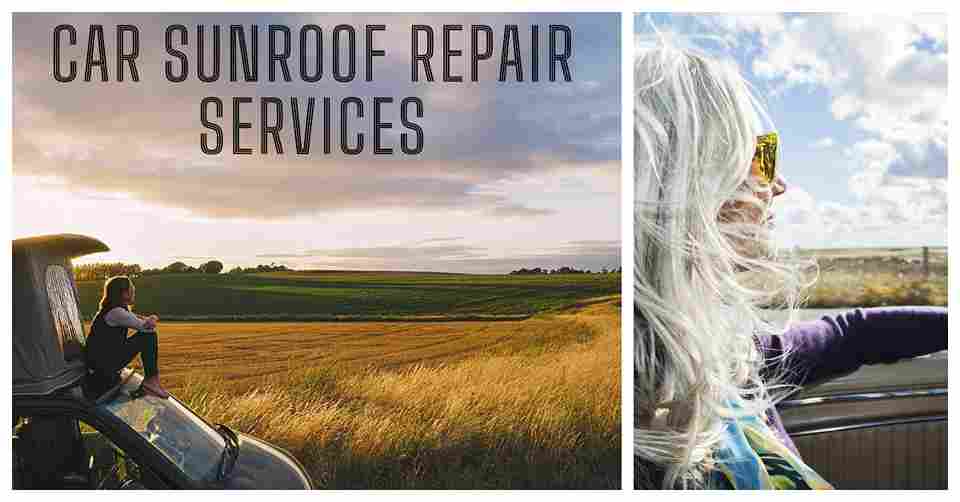
Car sunroof repair

Car Sunroof Repair: A Complete Guide by Texas Reliable Auto Glass

Car Sunroof Repair | A Complete Guide by Texas Reliable Auto Glass Car sunroofs are a delightful addition to any vehicle, offering a unique blend of the open sky’s freedom and the comfort of your car’s interior. However, like any automotive component, sunroofs can encounter issues over time. This comprehensive guide will delve into the realm of car sunroof repair, covering a range of topics from prevalent problems to effective repair techniques. Whether you’re a car enthusiast or simply looking to maintain your vehicle’s optimal condition, this guide will provide valuable insights into the world of sunroof maintenance and repair. Common Sunroof Issues A sunroof, while a delightful feature, can sometimes be accompanied by a set of common issues that may require attention. Being aware of these issues can help you identify and address problems in a timely manner. Here are some of the frequently encountered sunroof issues: Leaks and Water Damage One of the most prevalent challenges with sunroofs is the occurrence of leaks, which can lead to water penetrating the interior of your vehicle. Leaks can be attributed to various factors, including: Damaged Seals: Over time, the rubber seals around the sunroof may wear out or become brittle, allowing water to seep through gaps. Clogged Drainage Tubes: Sunroofs are equipped with drainage tubes that divert water away from the interior. If these tubes become blocked with debris, water can accumulate and find its way into the car. Misalignment: Improper alignment of the sunroof components can result in gaps through which water can infiltrate. Mechanical Malfunctions Sunroofs are intricate mechanical systems, and like any mechanism, they can experience malfunctions. Some common mechanical issues include: Motor Failure: The motor responsible for opening and closing the sunroof can malfunction, leading to a sunroof that is stuck or unresponsive. Track Misalignment: If the tracks on which the sunroof moves become misaligned, it can impede smooth operation and cause the sunroof to jam. Sunshade Problems If your sunroof is equipped with a sunshade, it too can encounter issues over time: Stuck Sunshade: The sunshade may get stuck in a particular position, obstructing the sunroof’s opening or closing. Sunshade Retraction Issues: In some cases, the sunshade may not retract fully or evenly, affecting the amount of light that enters the vehicle. Addressing these issues promptly is essential to prevent further damage and maintain the functionality of your sunroof. Whether it’s water leaks, mechanical glitches, or sunshade troubles, understanding these common problems empowers you to seek appropriate solutions and enjoy an unobstructed driving experience. Importance of Timely Car Sunroof Repairs Timely repairs for your car’s sunroof are paramount to ensuring the longevity of both the sunroof itself and your vehicle as a whole. Ignoring or delaying necessary repairs can lead to a cascade of issues that not only compromise your driving experience but also result in increased repair costs. Here’s why addressing sunroof problems promptly is so important: Prevent Further Damage Small sunroof issues, if left unattended, can escalate into larger, more complex problems. A minor leak, for instance, might lead to water damage within the interior of your vehicle, potentially affecting electronics, upholstery, and even structural components. By tackling the problem early, you can nip potential damage in the bud. Avoid Secondary Issues Neglecting sunroof problems can give rise to secondary issues. For instance, a malfunctioning sunroof motor could strain other components, leading to additional mechanical failures. Addressing the primary problem swiftly can prevent a chain reaction of related issues. Cost Savings Timely repairs are often more cost-effective than allowing problems to worsen. Small fixes are generally less expensive and less time-consuming than major repairs or replacements. By catching issues early on, you can spare yourself from the financial burden of extensive repairs down the road. Safety Concerns Certain sunroof issues can compromise your safety on the road. Leaks, for instance, can not only damage the interior but also create hazardous conditions by affecting electrical systems or causing slippery surfaces. Addressing these problems promptly helps maintain a safe driving environment. Preserve Resale Value If you plan to sell or trade in your vehicle in the future, a well-maintained sunroof can enhance your car’s resale value. Potential buyers are more likely to be attracted to a vehicle with a functional sunroof that’s free from leaks and operational glitches. Enjoy Your Driving Experience Your sunroof is designed to enhance your driving pleasure, providing fresh air, sunlight, and an open view. Timely repairs ensure that you continue to enjoy these benefits without interruption. Don’t let sunroof issues dampen your driving experience. In conclusion, timely repairs for your car’s sunroof are not just about fixing a specific problem – they are about preserving the integrity of your vehicle and ensuring your safety and satisfaction on the road. Regular maintenance and addressing issues promptly will help you make the most of your sunroof and enjoy a comfortable, worry-free driving experience. DIY vs Professional Repair When faced with sunroof issues, you might wonder whether to attempt a DIY repair or seek professional assistance. While DIY repairs can be tempting for those with some technical know-how, there are situations where entrusting the job to professionals is the wisest choice. Let’s explore the pros and cons of each approach to help you make an informed decision: DIY Repair Pros: Cost Savings: DIY repairs can be more budget-friendly, as you won’t incur labor costs. Immediate Action: If you’re familiar with sunroof mechanics, you can address minor issues promptly without waiting for an appointment. Personal Satisfaction: Successfully fixing your sunroof can be personally rewarding, especially if you enjoy working on your vehicle. Cons: Limited Expertise: DIY repairs are suitable only for minor issues; complex problems may be beyond your skill level. Risk of Mistakes: A wrong move during repair could worsen the issue, leading to more extensive damage. Time-Consuming: Repairing the sunroof yourself can take time, especially if it’s your first time attempting such repairs. Professional Repair Pros: Expertise: Professional technicians have the training and experience to diagnose and fix various sunroof issues

Car Sunroof Repair: A Complete Guide by Texas Reliable Auto Glass Read More »

Cracked Mirror Repair

Cracked Mirror Repair Guide by Texas Reliable Auto Glass

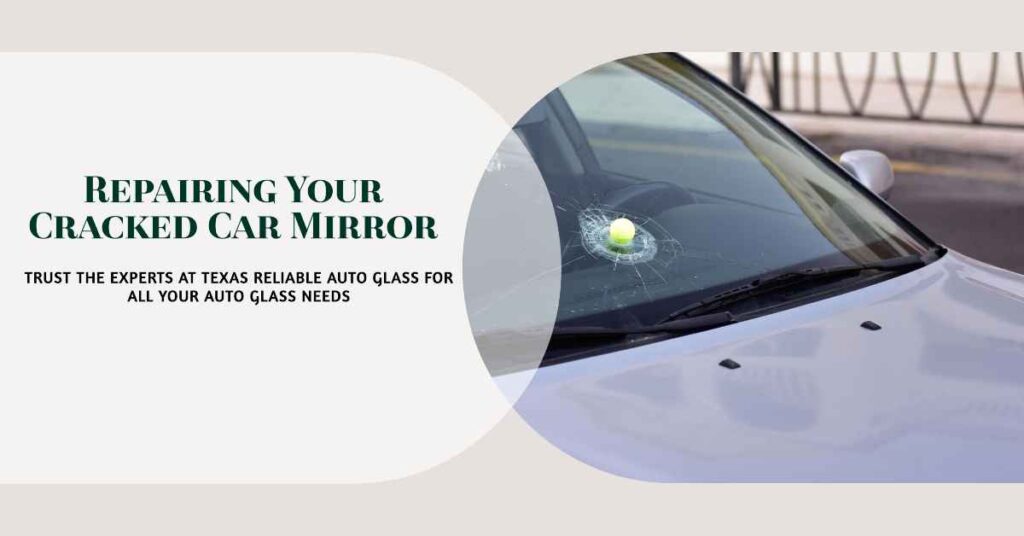
Cracked Mirror Repair Guide by Texas Reliable Auto Glass The allure of a well-maintained vehicle extends beyond its performance; it’s a reflection of your personal style and attention to detail. However, the journey of owning a car isn’t always smooth, and occasional mishaps can leave you with unsightly cracks on your car’s mirrors. These cracks not only mar the aesthetics but also compromise your safety on the road. In this comprehensive guide, brought to you by Texas Reliable Auto Glass, we delve into the world of cracked mirror repair. Whether it’s a minor hairline crack or a more severe spiderweb pattern, we have you covered with expert insights and solutions to restore your car’s charm. With our commitment to excellence and years of experience, Texas Reliable Auto Glass is your trusted partner in keeping your vehicle looking stunning and ensuring your safety while driving. So, if you’re ready to learn the ropes of cracked mirror repair, explore the ins and outs of maintaining your car’s pristine appearance, and uncover the possibilities of interior painting, let’s dive into this guide. Get ready to take the first step towards revitalizing your ride with Texas Reliable Auto Glass by your side. Your journey to a rejuvenated vehicle begins here. Understanding Cracked Mirror Damage Your car’s mirrors serve as more than just reflective surfaces; they play a crucial role in providing you with a clear view of the road and the surrounding environment. Unfortunately, due to a variety of factors, these mirrors can sustain damage, leading to cracks that compromise both aesthetics and functionality. In this section, we’ll explore the different types of mirror cracks, the underlying causes, and the potential risks associated with ignoring such damage. Types of Mirror Cracks: Hairline Cracks: These are thin, superficial cracks that typically occur due to minor impacts or temperature changes. While they may seem inconsequential, they can gradually worsen and compromise the mirror’s integrity. Spiderweb Cracks: These cracks form a pattern resembling a spider’s web, usually resulting from a more significant impact. Spiderweb cracks can obstruct your view and spread over time if left unaddressed. Shattered Mirrors: In severe cases, mirrors can shatter into multiple pieces due to high-impact collisions or extreme weather conditions. Shattered mirrors are a safety hazard and require immediate attention. Causes of Cracked Mirrors: Accidents: Collisions with other vehicles, stationary objects, or even pedestrians can lead to mirror damage. Weather Extremes: Drastic temperature changes, hailstorms, and even exposure to direct sunlight can weaken mirror glass over time. Vandalism: Deliberate acts of vandalism, such as hitting or smashing mirrors, can cause cracks. Road Debris: Flying gravel, rocks, or other debris kicked up by vehicles can impact and crack your mirrors. Risks of Ignoring Cracked Mirrors: Reduced Visibility: Cracks can distort your view, making it harder to assess traffic conditions and surroundings. Safety Concerns: Proper mirror function is crucial for safe lane changes, merging, and parking maneuvers. Cracks compromise your ability to make informed decisions on the road. Legal Consequences: In many jurisdictions, driving with damaged mirrors is against the law and can result in fines or citations. Further Damage: Small cracks can worsen over time due to vibrations, temperature changes, and exposure to the elements. What might start as a minor issue could turn into a costly replacement if not addressed promptly. In the next sections, we’ll explore DIY solutions for minor mirror cracks, as well as the benefits of seeking professional cracked mirror repair services. Whether you’re a hands-on individual or prefer to entrust your vehicle to experts, Texas Reliable Auto Glass has solutions tailored to your needs. By addressing cracked mirror damage proactively, you can ensure both the safety and aesthetics of your vehicle are well-maintained. DIY Solutions for Cracked Mirror Repair If you’re a car enthusiast who enjoys taking matters into your own hands, tackling minor mirror cracks with DIY solutions can be a satisfying endeavor. Depending on the severity of the damage, you might opt for adhesive resin or temporary fixes. Let’s explore these options in detail: Using Adhesive Resin: Adhesive resin is a popular choice for repairing minor cracks in car mirrors. This method involves filling the cracks with a specialized resin that bonds with the glass and restores its integrity. Here’s a step-by-step guide to using adhesive resin for cracked mirror repair: Gather Supplies: Acquire a windshield repair kit containing adhesive resin, a syringe, curing strips, and a UV light. Clean the Area: Thoroughly clean the cracked area and the surrounding glass to ensure proper adhesion. Apply Resin: Attach the syringe to the adhesive resin and inject it into the crack. Fill the crack completely while avoiding overfilling. Place Curing Strips: Cover the resin-filled crack with a curing strip. This strip prevents excess resin from oozing out during the curing process. Cure with UV Light: Use the UV light provided in the kit to cure the resin. Follow the manufacturer’s instructions for the recommended curing time. Polish: Once the resin is cured, remove the curing strip and scrape off any excess resin using a razor blade. Polish the area to restore a smooth surface. Applying Temporary Fixes If you’re seeking a quick fix to keep your mirror functional until you can arrange for professional repair or replacement, consider these temporary solutions: Clear Tape: Cover the crack with a piece of clear tape. While this won’t repair the damage, it can prevent the crack from spreading and keep debris out. Nail Polish: Apply a thin layer of clear nail polish over the crack. This can help seal the crack temporarily and prevent moisture from getting in. Super Glue: In some cases, carefully applying a small amount of clear super glue along the crack can provide a temporary solution. However, use this option with caution, as excessive glue can worsen the damage. It’s important to note that while DIY solutions can be effective for minor cracks, they are temporary fixes and may not provide the same level of durability and safety as professional repairs. Additionally, improper handling during DIY

Cracked Mirror Repair Guide by Texas Reliable Auto Glass Read More »

Mirror repair

Mirror Repair Service for Your Vehicle

Car Mirror Repair Mirror repair services are not just about fixing what’s broken; they’re about revitalizing the very essence of your space. A well-placed mirror has the power to amplify light, create a sense of depth, and even make a room appear more spacious. But a damaged mirror? It’s like a blemish on a masterpiece, diminishing the overall beauty and harmony. With our expert mirror repair team, those unsightly marks will become a distant memory. Our artisans skillfully erase cracks and chips, rejuvenating your mirror’s surface with meticulous precision. The result? A reflection that’s as stunning as the day the mirror was crafted. Importance of Mirror Repair Your vehicle’s mirrors are more than just reflective surfaces – they are essential tools that contribute significantly to your safety on the road. Properly functioning mirrors provide you with a clear view of your surroundings, helping you make informed driving decisions and reducing the risk of accidents. In this section, we’ll delve into the reasons why mirror repair should never be overlooked. Enhanced Visibility and Safety Mirrors are your eyes on the road, allowing you to monitor the traffic behind and beside you. A damaged or misaligned mirror can create blind spots, obstructing your view and increasing the likelihood of collisions. Repairing or replacing damaged mirrors promptly ensures that you have a clear and unobstructed view of your surroundings, thereby enhancing your overall driving safety. Accurate and timely information about the traffic around you is crucial for making split-second decisions on the road. Mirrors help you change lanes, merge onto highways, and navigate intersections safely. By repairing damaged mirrors, you reduce the risk of unexpected surprises, helping you avoid potential accidents. Legal Compliance In many jurisdictions, having functional mirrors is a legal requirement. Driving with broken or non-operational mirrors can result in fines or citations. By keeping your mirrors in excellent condition, you not only abide by the law but also contribute to safer roadways for everyone. Aesthetics and Resale Value Beyond safety, mirrors also contribute to your vehicle’s aesthetics. A damaged mirror can detract from your car’s overall appearance. Repairing or replacing damaged mirrors restores your vehicle’s visual appeal, maintaining its aesthetic value and potentially boosting its resale value. Comprehensive Vehicle Maintenance  Regularly inspecting and repairing your mirrors is part of responsible vehicle maintenance. Neglecting mirror repair can lead to further damage, increasing repair costs in the long run. Addressing mirror issues promptly as part of your maintenance routine can save you time, money, and hassle. Signs of Mirror Damage Your vehicle’s mirrors are vital for your safety and the safety of others on the road. Recognizing the signs of mirror damage is crucial in maintaining optimal visibility and preventing potential accidents. In this section, we’ll outline the common signs that indicate your vehicle’s mirrors may need repair or replacement. Cracks and Shattered Glass The most obvious sign of mirror damage is the presence of cracks or shattered glass on the mirror’s surface. Cracks can obscure your view and compromise the mirror’s effectiveness in reflecting light. Even small cracks can expand over time, so addressing them promptly is essential. Mirror Misalignment If you notice that a mirror is no longer properly aligned with your line of sight or is facing a different angle than intended, it’s a clear indication of mirror misalignment. This misalignment can create blind spots and hinder your ability to assess surrounding traffic accurately. Vibrations or Shaking While driving, if you experience excessive vibrations or shaking in your mirrors, it could be due to loose or damaged components. Shaking mirrors not only impair your ability to see clearly but also indicate that the mirror assembly needs attention. Incomplete or Flickering Reflections: Mirrors are designed to provide consistent and clear reflections. If you notice flickering or incomplete reflections in your mirrors, it could be a sign of a damaged reflective coating or internal components. Difficulty Adjusting Mirrors Modern vehicles come equipped with power-adjustable mirrors that allow you to customize your view. If you find that your mirrors are difficult to adjust, they may have internal damage or mechanical issues that require repair. Housings and Mounts: Inspect the housing and mounting points of your mirrors. Any signs of cracks, dents, or loose parts could affect the stability and functionality of the mirrors. Water or Condensation Mirrors can accumulate moisture due to weather conditions. However, if you notice persistent water spots or condensation inside the mirror housing, it may indicate a sealing issue that needs attention. Reduced Reflectivity Mirrors with reduced reflectivity or cloudy spots can impact the clarity of your reflections, making it harder to gauge distances and surroundings accurately. Impact or Collision Damage Any impact, whether from a minor collision or even a stray baseball, can cause hidden damage to your mirrors. Even if the damage appears minimal, it’s worth having your mirrors inspected by professionals. Recognizing these signs of mirror damage is essential for maintaining your safety on the road. If you come across any of these issues, it’s recommended to seek professional assistance from experts like Texas Reliable Auto Glass. They have the knowledge and experience to assess the extent of the damage and provide appropriate solutions, ensuring your mirrors are restored to their optimal functionality and helping you drive with confidence. DIY Tips for Minor Mirror Issues While professional mirror repair is recommended for significant damage, there are certain minor mirror issues that you can address on your own temporarily. These DIY tips can help you maintain visibility and safety until you can seek professional assistance. Keep in mind that these solutions are temporary and should not replace proper mirror repair. If you’re unsure or the damage is substantial, it’s best to consult experts like Texas Reliable Auto Glass. Temporary Glass Repair Tape If you have a small crack in your mirror glass, using clear automotive adhesive tape can help prevent the crack from spreading and temporarily hold the glass together. Clean the area around the crack, apply the tape tightly, and trim any excess. Adjusting

Mirror Repair Service for Your Vehicle Read More »

Car Window Replacement Cost

Car Window Replacement Cost: Everything You Need to Know

Car Window Replacement Cost Car Window Replacement Cost can vary depending on several factors. When faced with a cracked or damaged car window, it’s essential to understand the potential expenses involved. Factors such as the type of window, vehicle make and model, glass quality, and additional features can all impact the overall cost. Whether you need to replace a side window, rear window, or front windshield, it’s essential to consider these factors when estimating the expenses. Moreover, it’s worth exploring the option of DIY replacement versus professional services to find the most cost-effective and safe solution for your car window replacement needs. If you’re looking for a reliable and cost-effective car window replacement service in Texas, consider Texas Reliable Auto Glass. To learn more about their services and how they can help you with your car window replacement needs,Texas Reliable Auto Glass Understanding the Importance of Timely Car Window Replacement Your car’s windows play a crucial role in maintaining structural integrity and protecting you from the elements while driving. A damaged window can compromise the safety of your vehicle and passengers. Therefore, getting your car window replaced promptly is essential. Factors Affecting Car Window Replacement Cost Several factors influence the cost of car window replacement. Understanding these factors can help you make an informed decision when it comes to selecting the right replacement option for your vehicle. Type of Window Different windows have varying shapes and complexities, affecting their replacement cost. Side windows, rear windows, and windshields each have distinct characteristics that impact pricing. Vehicle Make and Model The make and model of your vehicle also play a significant role in determining the cost of window replacement. Luxury or rare cars might have more expensive windows due to their unique specifications. Glass Quality The quality of the glass used for replacement can vary significantly. High-quality, OEM (Original Equipment Manufacturer) glass tends to be more expensive, but it offers better durability and clarity. Additional Features Some windows come with additional features, such as built-in defrosters or tints. These features can add to the overall replacement cost. Texas Reliable Auto Glass: A Trusted Solution When it comes to car window replacement, choosing a reliable service provider is crucial. Texas Reliable Auto Glass stands out as a trusted and reputable option for various reasons. Expert Technicians Texas Reliable Auto Glass employs skilled technicians with years of experience in car window replacement. Their expertise ensures that the replacement process is seamless and accurate. Top-Notch Materials The company uses top-quality materials to guarantee long-lasting and safe replacements. This commitment to quality ensures that you receive a window that meets or exceeds industry standards. Exceptional Customer Service Texas Reliable Auto Glass prioritizes customer satisfaction, providing exceptional service and support throughout the replacement process. They aim to make the experience as convenient and pleasant as possible for their customers. How Much Does Car Window Replacement Cost? Car window replacement costs can vary significantly based on several factors. Understanding these factors will help you make an informed decision when it comes to replacing your car’s damaged or broken windows. Type of Window The type of window you need to replace plays a crucial role in determining the cost. Side windows, rear windows, and windshields each have distinct shapes and complexities, leading to varying replacement costs. Side windows are usually smaller and less complex, making them more affordable to replace. Rear windows, commonly found in SUVs and hatchback vehicles, tend to be larger and may cost more. Windshields are the most critical windows in terms of visibility and safety, and their replacement costs can be higher. Vehicle Make and Model The make and model of your car are significant factors in determining the cost of window replacement. Luxury or rare vehicles might have unique window specifications, leading to higher costs for replacement glass. Some car manufacturers use proprietary glass with advanced features, which can be more expensive to replace. It’s essential to consider your vehicle’s make and model when estimating the replacement cost. Glass Quality The quality of the replacement glass also affects the overall cost. Original Equipment Manufacturer (OEM) glass is made by the same company that manufactured the original glass for your vehicle. It’s often of higher quality and fits better than aftermarket glass. As a result, OEM glass can be more expensive. Aftermarket glass, on the other hand, is produced by third-party manufacturers. While it can be more affordable, its quality may not match that of OEM glass, leading to potential issues with fit and durability. Additional Features Some car windows come with additional features, such as built-in defrosters or tints. These features can increase the replacement cost. Tinted windows, for example, may be pricier due to the added cost of materials and labor. Location and Service Provider The cost of car window replacement can also vary depending on your location and the service provider you choose. Different areas may have different labor rates and overhead costs, which can impact the final price. It’s essential to research and compare prices from various reputable service providers in your area to find the best deal without compromising on quality. If you want services like these you must hire Texas Reliable Auto Glass . Insurance Coverage If you have comprehensive auto insurance, it may cover car window replacement. However, coverage limits and deductibles may apply. Check with your insurance provider to understand your coverage options and potential out-of-pocket expenses. DIY vs. Professional Replacement While some car owners may attempt a do-it-yourself (DIY) replacement to save money, it’s essential to weigh the pros and cons. DIY replacement requires specific skills and tools, and a small mistake can lead to further damage or safety risks. Professional car window replacement offers several advantages, including expert technicians, high-quality materials, and efficient service. While it may be a bit more expensive, it ensures a safe and reliable replacement process. You can read about: How Much Does It Cost To Repair A Car Window Comparing Rear, Back, and Front Car Window Replacement Cost Different windows

Car Window Replacement Cost: Everything You Need to Know Read More »

Car Window Tinting Cost

Car Window Tinting Cost: A Comprehensive Guide

Car Window Tinting Cost: A Comprehensive Guide When it comes to maintaining and enhancing the appearance of your vehicle, car window tinting is a popular option that provides numerous benefits. Not only does it improve the overall aesthetics of your car, but it also offers protection from harmful UV rays, reduces heat buildup, enhances privacy, and adds an extra layer of security. If you’re considering getting your car windows tinted, you may wonder about the cost and what factors affect it. In this article, we’ll explore the various aspects of car window tinting costs, with a special focus on the services provided by Texas Reliable Auto Glass. Understanding Car Window Tinting Car window tinting involves applying a thin, colored film to the windows of a vehicle. The tint film is made of various materials, such as polyester, metal, or ceramic, and comes in different levels of darkness. It is installed on the interior of the windows and can significantly alter the appearance of the vehicle. The Benefits of Car Window Tinting Car window tinting offers a range of benefits, making it a popular choice among car owners. Some of the key advantages include: UV Ray Protection: Tinted windows can block harmful UV rays, protecting both the driver and passengers from potential skin damage and reducing the risk of fading or cracking of the car’s interior. Heat Reduction: Tinted windows help keep the interior of the car cooler by reducing heat buildup caused by sunlight. Enhanced Privacy: Tinted windows provide a higher level of privacy for occupants and their belongings inside the car. Glare Reduction: Tinted windows reduce glare from the sun and headlights, enhancing visibility and reducing eye strain. Security: The tint film adds an additional layer of protection, making it more difficult for thieves to see inside the vehicle and steal valuables. Factors Affecting Car Window Tinting Cost Several factors influence the cost of car window tinting: Type of Tint Film The price of the tinting service largely depends on the type of film used. High-quality films with advanced features such as heat and UV protection may cost more than basic options. Car Model and Size The size and type of vehicle play a role in determining the overall cost. Larger vehicles with more windows will generally require more tinting material, leading to a higher cost. Number of Windows Each window that requires tinting adds to the total cost. Some car owners choose to tint all windows, including side windows, rear windows, and the windshield. Additional Services Some tinting packages may include additional services, such as removal of old tint, cleaning, or extra warranties, which can affect the overall cost. Exploring Texas Reliable Auto Glass Texas Reliable Auto Glass is a renowned name in the automotive industry, offering top-notch car window tinting services. They have a team of skilled professionals with extensive experience in tinting various car models, ensuring a perfect and seamless installation every time. A Trusted Name in Car Window Tinting With a reputation for excellence and customer satisfaction, Texas Reliable Auto Glass has become a go-to choice for car owners seeking reliable and affordable window tinting solutions. Range of Services Offered Texas Reliable Auto Glass provides a variety of tint film options, allowing customers to choose the darkness level that best suits their preferences and needs. They also offer specialized films that provide superior heat rejection, UV protection, and clarity. Why Choose Texas Reliable Auto Glass? Expert Technicians: The team at Texas Reliable Auto Glass comprises skilled technicians who are well-versed in the latest tinting techniques and technology. Quality Products: They use high-quality tint films that are durable and provide long-lasting results. Excellent Customer Service: Texas Reliable Auto Glass prioritizes customer satisfaction, ensuring a seamless and hassle-free experience from consultation to installation. Car Window Tinting Cost Breakdown Texas Reliable Auto Glass offers competitive pricing options based on the type of tint film and the number of windows to be tinted. Their pricing structure is transparent, ensuring customers know exactly what they are paying for. Finding the Best Car Window Tinting Deals While cost is a crucial factor, it’s equally important to consider the quality of the service. Opting for the cheapest option may lead to subpar results and may not offer the desired benefits. It is recommended to choose a reputable service like Texas Reliable Auto Glass that provides a balance of quality and affordability. The Process of Car Window Tinting The process of car window tinting involves several steps: Cleaning the Windows: The windows are thoroughly cleaned to ensure the tint adheres properly. Cutting the Film: The tint film is cut to the exact size and shape of each window. Application: The tint film is carefully applied to the interior of the windows using specialized tools. Smoothing Out Bubbles: Any bubbles or imperfections are smoothed out to create a seamless finish. Drying: The tint needs time to dry and fully adhere to the windows. Common Misconceptions about Tinting Tinting is Illegal: Many people believe that car window tinting is illegal, but the reality is that each state has specific regulations regarding tint darkness and reflectivity. Tinting Affects Visibility: When professionally installed, tinting should not significantly impact visibility during the day or at night. DIY vs. Professional Tinting Services While some car owners may consider DIY tinting to save costs, it comes with certain risks and Challenges. DIY Tinting: Pros: Cost Savings: The primary advantage of a DIY tinting job is the potential cost savings. DIY kits are generally more affordable than professional services, making it an appealing choice for budget-conscious car owners. Personal Satisfaction: Tinting your car windows on your own can be a rewarding experience, providing a sense of accomplishment for completing the task yourself. Cons: Quality Concerns: DIY tinting may not always result in a flawless finish. Without the expertise and specialized tools used by professionals, there’s a higher risk of bubbles, creases, and improper adhesion. Legal Compliance: DIY tinting can lead to legal issues if the tint darkness exceeds local regulations. Failing

Car Window Tinting Cost: A Comprehensive Guide Read More »

Scroll to Top